
Review · MUSEUMS
Invalides War Museum the World Wars Guided Tour
World War history has a clear storyline here.
At Les Invalides, this World Wars guided tour turns big dates into cause-and-effect, starting with the Franco-Prussian aftermath and rolling all the way to the Liberation of Paris. You get an expert guide who keeps the thread moving so you can actually see how France was pulled through the century’s worst conflict.
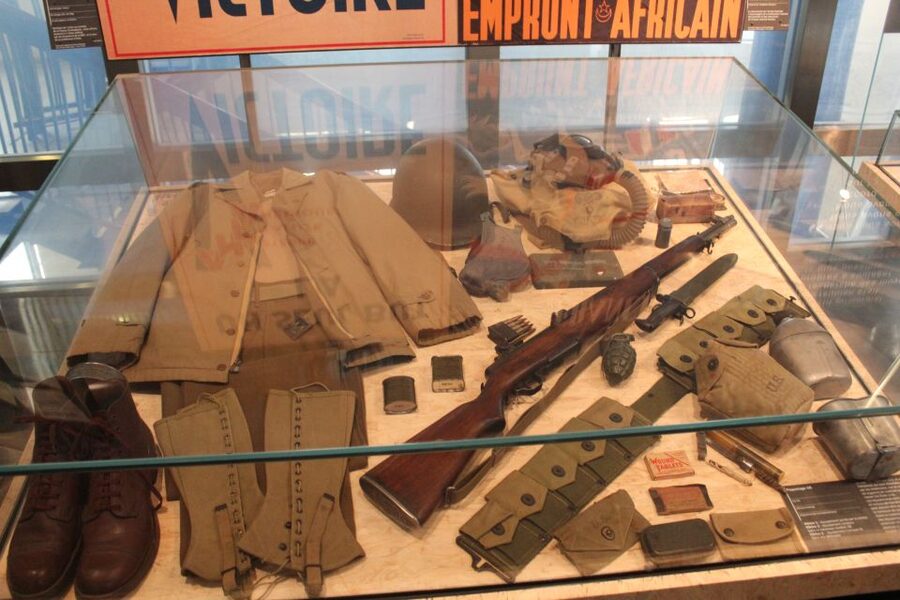
I especially like the combination of real artifacts and guided storytelling. You’ll look at uniforms, weapons, equipment, and battlefield objects, then get the human context behind them, including the chain of events after the assassination of Franz Ferdinand.
One consideration: you’ll cover ground at a moderate walking pace, and some museum rooms have quiet or restricted speaking rules. Add occasional closures from museum management, and you’ll want to wear comfortable shoes and expect the schedule to flex a bit.
Key points before you go
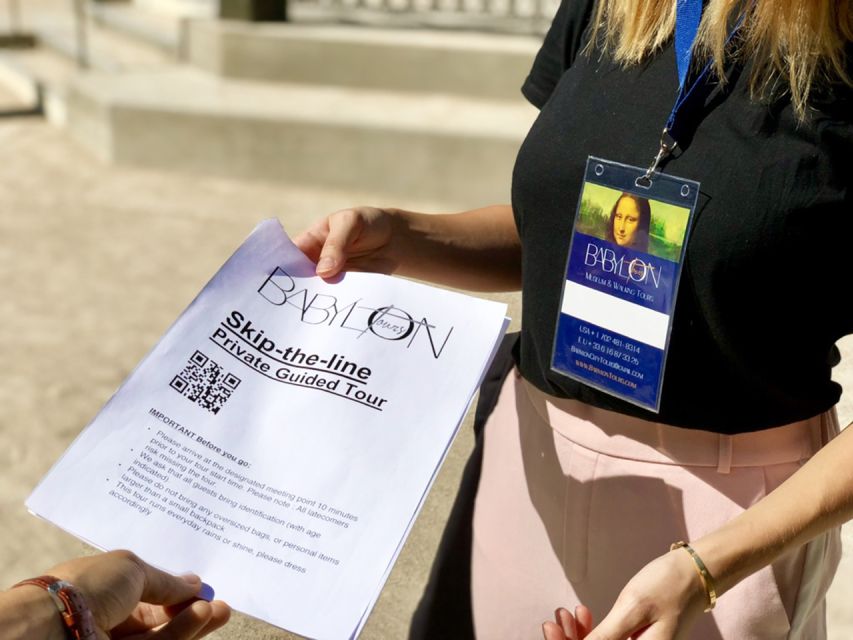
- Skip-the-line access plus entrance fees included means more time inside, less time stalled at the entrance.
- Small groups (max 8 guests per guide) help you ask questions and get answers in plain language.
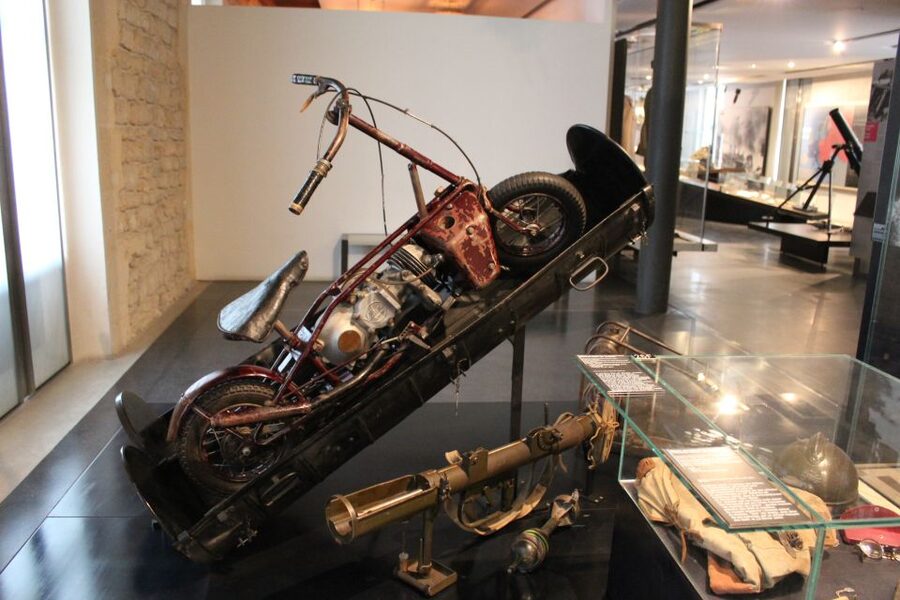
- You’ll see WWI set pieces tied to story moments like the Battle of the Marne and an iconic taxi linked to the mobilization.
- You’ll reach the Versailles ending of WWI, including the train car where the armistice was signed.
- The WWII portion covers Ligne Maginot, Dunkerque, and the Occupation of Paris through artifacts collected from battlefields.
- Multiple languages are available, including Spanish, French, English, German, Italian, and Russian.
Entering Les Invalides With Skip-the-Line Access

Les Invalides can feel like one of those places you either rush through, or you slow down and let it make sense. This tour leans toward the second option. Entrance fees are included, and you get skip-the-line access, which matters in a museum that can be busy.
Your meeting point depends on the option you book, and the tour ends back where it started. That sounds simple, but it helps you plan the rest of your day. If you’re juggling other sights in central Paris, knowing the tour returns you to the same area is a real convenience.
Group size is capped for an intimate feel, and the guide is the main reason this works. You’re not just looking at displays, you’re following a guided timeline that connects why one event led to another.
You can also read our reviews of more guided tours in Paris



Franco-Prussian Roots and the Road to 1914
The tour starts by explaining the 19th-century roots that helped create one of the bloodiest wars in modern Europe. Instead of treating WWI like a sudden lightning strike, the guide shows you how earlier conflicts and political tensions set the stage.
You’ll also meet key historical figures along the way. One example you’ll hear about is Bismarck and the Franco-Prussian War, which helps you understand the shifting power balance that made Europe so volatile. The tour then moves forward to the critical spark: the assassination of Franz Ferdinand and the chain of events that set off World War I.
This section is valuable if you’ve ever felt confused by WWI dates. The guide’s job is not to drown you in detail, it’s to give you a backbone. When you later see weapons and uniforms, they stop being random objects and start feeling like evidence from a specific moment.
World War I Objects: Uniforms, Weapons, and the Marne Moment
Once the timeline clicks, the tour becomes very visual. You’ll come face to face with WWI equipment, uniforms, weapons, and artifacts tied to battles. These displays are the kind that can turn dull if you’re staring alone, but with a guide you get context: what you’re looking at, why it mattered, and how it shaped the battle outcomes.
A standout story segment centers on the Battle of the Marne. You’ll also see an iconic taxi associated with that moment, the one often linked to rapid troop movement. Seeing the taxi in a museum setting gives the story a concrete, almost everyday feel. It’s a reminder that major turning points are sometimes powered by very practical logistics.
The tour doesn’t shy away from the darker side either. You’ll watch original footage related to atrocities, and that shifts the tone from tactics to consequences. It’s handled as part of understanding what war did to people, not as shock value. If you prefer your history with both evidence and plain spoken framing, this is one of the points you’ll probably remember later.
The Treaty of Versailles and the Armistice Train Car
WWI ends up meaning different things depending on what you focus on. Many visitors see the start of the war, but the “what ended it and why that mattered” part can feel abstract.
Here, the guide pushes you to connect the closing chapters to the next catastrophe. You’ll learn how the Treaty of Versailles ended things, and you’ll get to see the train car where the armistice was signed. That physical detail is powerful because it turns the concept of an armistice into something you can stand near.
Even if you think you already know the basics, the guided explanation helps you understand the political fallout. WWI is not just an end, it’s a setup. When the tour moves onward, you’ll feel why the museum puts so much weight on the treaty moment.
From Hitler’s Threat to Early WWII Turning Points

After WWI, the tour shifts into World War II with the same story-first structure. The guide explains how the threat of Adolf Hitler became a reality, then lays out major events you can connect to what you’re seeing inside the museum.
You’ll cover significant WWII themes and locations such as the Ligne Maginot, Dunkerque, and the Occupation of Paris. These names can float around history discussions like trivia, but on this tour they become waypoints along a lived, grim progression. You’re not asked to memorize them, you’re guided to understand how they fit together.
As you move through the artifacts, the tour helps you see why each site or event mattered to France and its people. That is the real payoff. Museums show objects. A good guide shows why the objects exist in the first place.
You can also read our reviews of more museum experiences in Paris






Normandy, Liberation of Paris, and the Leadership Stories
One reason this tour is so satisfying is that it doesn’t stop at destruction. You eventually reach the parts tied to French resilience and the end of the occupation.
The guide discusses major figures who helped guide France during the war, including Pétain and De Gaulle. Hearing their names in context is different from reading them in a textbook. The guide connects leadership to choices, and choices to outcomes, which helps you avoid seeing history as just a parade of labels.
You’ll also hear stories related to Normandy and the Liberation of Paris. The emphasis is on how these moments connect to the preservation of the city you can still enjoy today. That ending note matters: it reframes your visit from pure tragedy to survival and rebuilding.
Anatole, Small Groups, and the Q&A That Actually Helps

One of the most praised parts of this tour is how the guide communicates. If you get Anatole as your guide, you’re in for a style that mixes clarity with personality. The key detail is that he takes time to explain the two world wars from a different perspective, and he answers questions instead of rushing past them.
That matters in a museum. You can stand in front of an exhibit and still walk away confused. A guide who’s patient and can explain why something matters helps you keep your bearings fast.
The group size cap also supports this. With no more than 8 guests per guide, you’re not stuck yelling to be heard. You’re more likely to get real answers, and it keeps the tour from turning into a stampede.
Language coverage is broad too. You can choose Spanish, French, English, German, Italian, or Russian, which is great for couples or families who want comprehension without the stress of improvising.
Timing, Walking Pace, and Museum Rules You Should Know
This is a 2-hour tour, and the schedule depends on available start times. That short duration is part of the value. It’s long enough to connect WWI and WWII into one coherent story, but not so long that your brain turns to museum furniture.
Plan for moderate walking. You’ll be moving through museum spaces, so comfortable shoes are not optional. The info also notes that the semi-private tour is not available for those with walking disabilities or wheelchair users, and wheelchair tours are listed as available only on request. If mobility is a factor for you, I’d treat this as a must-confirm situation before booking.
There are also museum behavior rules. Some rooms require quiet or restrict speaking. If you’re visiting with kids, or if you’re the kind of person who talks with your whole body, you’ll want to keep it calm in those areas.
Finally, the museum can occasionally close some rooms without prior warning. If the tour start time is delayed by more than an hour, an appropriate alternative can be provided, but refunds or discounts are not available in those cases. In practice, this means you should build a little buffer into your day if you can.
What to Bring, and What You Can’t Bring
This tour asks for a simple prep list: bring your passport or ID card and cash. It also notes you cannot bring luggage or large bags. That’s a big deal in central Paris, where it’s common to arrive with a suitcase or shopping bags.
If you’re planning to combine this with other stops, travel light. Keep only what you need for a couple of hours, and consider using lockers before you arrive if you have anything bulky. You’ll also be happier carrying a small bag than wrestling with one at checkpoints.
Price and Value: Is $128 Worth It?
At $128 per person for about 2 hours, this tour isn’t priced as a cheap add-on, but it also isn’t trying to be a premium fantasy. The value comes from several concrete things that add up.
You get:
- Entrance fees and skip-the-line access
- A professional art historian guide
- Options for private or small group tours
- A walking tour through meaningful displays
Skip-the-line plus entrance fees alone already saves you time and hassle. Then you layer in the guide, who connects the exhibits to a storyline, including major turning points like Versailles and WWII milestones like the Ligne Maginot and the Occupation of Paris. In museums, the guide portion is usually what makes the difference between seeing objects and understanding why they matter.
If you love history and you want a tight, organized route through Les Invalides without getting lost in the halls, this price is likely reasonable for the time you get.
Who Should Book This Tour (And Who Might Skip It)
This tour is a great match if:
- You want WWI and WWII explained as one connected story
- You’re the type who learns best from an expert guide and interactive Q&A
- You want to see WWI equipment, the Marne taxi story, and the armistice train car without spending hours planning your own route
You might want to think twice if:
- You need a low-walking experience, because the tour involves moderate walking
- You rely on wheelchair accessibility for your specific option, because the semi-private format is not available for wheelchair users and wheelchair access is only on request
- You don’t handle museum room rules well, since some areas require quiet or restricted speaking
If you’re short on time and want the museum to make sense fast, this is one of those picks that can save you energy.
Should You Book This Invalides War Museum Tour?
I’d book it if you want a focused, guided path through Les Invalides that connects causes to consequences. The standout strengths are the expert storytelling, the chance to see major artifacts like the armistice train car, and the way the tour moves from WWI origins to WWII realities instead of treating them like separate topics.
Skip it only if your mobility needs conflict with a walking-heavy, museum-room format, or if you need a specific accessibility setup that you cannot confirm in advance. Otherwise, this is a smart way to turn a tough subject into something you can follow, see, and remember.
FAQ
How long is the Invalides War Museum guided tour?
It runs for 2 hours. Starting times vary, so you should check availability for the times offered.
Is skip-the-line access included?
Yes. The tour includes skip-the-line access to the museums, along with the entrance fees.
What does the tour cost?
The price listed is $128 per person.
Are hotel pickup and drop-off included?
No. Hotel pickup and drop-off are not included.
Which languages are available for the live guide?
The live tour guide is available in Spanish, French, English, German, Italian, and Russian.
Is luggage or large bags allowed inside?
No. Luggage or large bags are not allowed.
Is there a refund if I cancel?
Cancellation is free up to 24 hours in advance for a full refund.
Is it suitable for wheelchair users or people with mobility impairments?
Wheelchair tours are available only on request, but the semi-private tour is not available for those with walking disabilities or wheelchair users. The tour is also listed as not suitable for wheelchair users, so you should confirm your specific option before booking.
More Guided Tours in Paris



More Tours in Paris




More Tour Reviews in Paris




Not for you? Here's more nearby things to do in Paris we have reviewed












Museums, side by side.
 ★ 4.6Louvre Museum Timed-Entrance TicketTickets from $2671,977 guest reviews
 ★ 4.7Orsay Museum Entry TicketTickets from $1525,647 guest reviews
 ★ 4.5Louvre Museum Masterpieces Guided Tour with AccessTickets from $8612,023 guest reviews
 ★ 4.6Louvre Museum Entry Ticket With Host and River CruiseTickets from $1009,926 guest reviews
 ★ 4.6Les Invalides: Napoleon’s Tomb & Army Museum EntryTickets from $209,185 guest reviews
 ★ 5.0Louvre Museum – Exclusive Guided Tour (Entry Included)Tickets from $1816,296 guest reviews
 ★ 4.6Louvre Museum Hosted Entry and Mona Lisa AudioguideTickets from $815,235 guest reviews
 ★ 4.7Louvre Museum Tour Mona Lisa & Iconic MasterpiecesTickets from $794,536 guest reviews
This tour also belongs to