
Review · PARIS CITY TOURS
Haussmannian Paris 2-Hour Private Walking Tour
Paris turns into a diagram you can walk.
This private 2-hour route focuses on the Haussmann overhaul, the 19th-century city plan that reshaped most of central Paris, and you get the payoff with major sights like Opéra Garnier along the way. Two things I especially like: the tour connects big urban ideas to what you see on the street, and it keeps the storytelling personal, guided, and easy to follow.
I also like the balance between showpiece architecture and calmer stops. You’ll move from grand landmarks like the Galeries Lafayette area and the Church of Saint Augustin to the more restful Park Monceau, and that contrast makes the Haussmann plan feel real, not theoretical. One possible drawback: it’s a short, focused 2 hours, and there’s no food included, so you will want to time it when you are not starving.
Key points to know before you go
- Haussmann’s makeover, explained on foot: you’ll see how a city plan aimed for beauty and function changed Paris street by street.
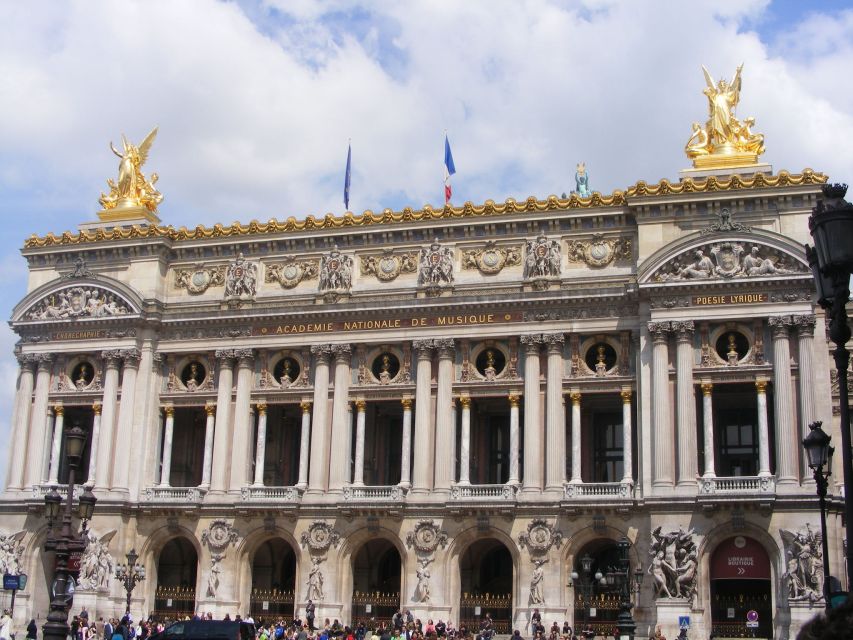
- Opéra Garnier as a storytelling stop: the tour treats the building as more than scenery, with context for why it mattered in its era.
- Boulevard Haussmann, the “system” made visible: you’ll learn to read the style in the façades and street layout.
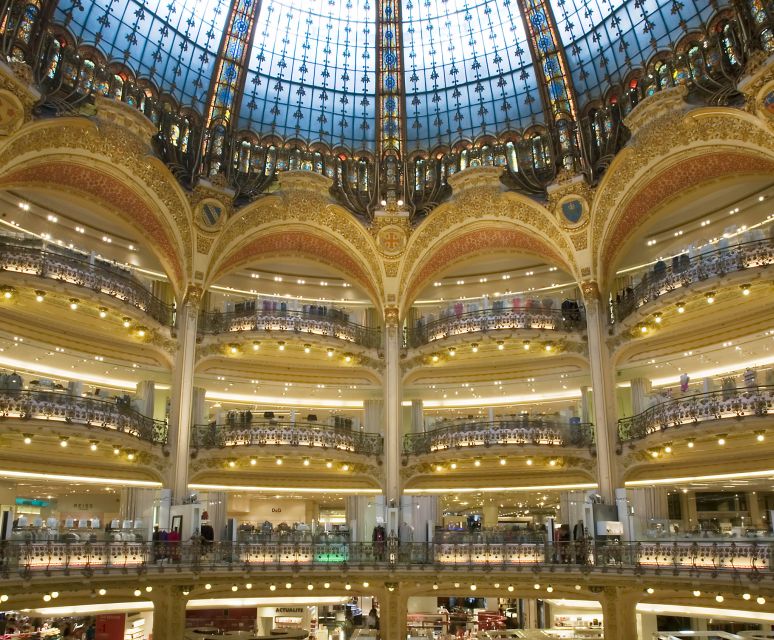
- Galeries Lafayette, elegant shopping with architectural context: you’ll connect a top shopping address to the same 19th-century design logic.
- Park Monceau for the calm contrast: you get a change of pace after heavier, high-impact streetscapes.
- Picasso’s drinking-den lore: the walk adds art-world atmosphere, so it doesn’t feel like a museum only day.
Haussmann’s Paris, explained in real street terms
Haussmann’s intervention was the biggest urban planning push Paris ever tried. Most of the city, with only two neighborhoods spared, was flattened and rebuilt. The goal was clear: make Paris more functional, more orderly, and very easy to admire from the outside.
What I like about this tour is how it turns those lofty goals into street-level observations you can actually use. When you’re staring at a wide boulevard or a carefully unified façade, you start to see what Haussmann bought with all that disruption: a city that feels planned as a whole. And you also see what got lost in the process, because the plan came with collateral damage to buildings and streets that disappeared forever.
You do not need to be an architecture nerd to get value here. The guide’s job is to translate design language into plain meaning, and the tone is reinforced by the feedback for the guides. For example, Hanna has been praised for explaining city planning, city history, and architecture, and Tina has been noted as friendly and engaging in French. That mix matters on a 2-hour walk, where focus and clarity are everything.
You can also read our reviews of more walking tours in Paris


Finding your way at Métro Opéra, then following the red-tote guide
Your meeting point is easy to spot once you know where to look: at Métro Opéra, in front of Café de la Paix. Your guide will be carrying a red canvas tote bag, which is handy because Paris crowds can make “meeting up” feel like a mini quest.
This matters more than people think. With a private group, you don’t want to waste time figuring out where to stand. Also, because the tour operates rain or shine, you’ll appreciate a clear start so you can move fast and stay comfortable.
This is a private group tour with live guidance in English and French. Since the duration is only 2 hours, you’ll get the benefit of a tight route and a pace that usually works better than trying to DIY Haussmann sites across multiple transit stops.
Opéra Garnier: why this landmark still anchors the whole story
Opéra Garnier is the headline stop for the Haussmann era, and the tour treats it that way. It is described as the most beautiful building in Europe, and even if beauty is subjective, it’s hard to deny the building’s impact. The value here is not just the photo moment. It’s the explanation of why this kind of monument belongs to the Haussmann mindset.
This is where the tour starts to feel like a lens. You begin to understand how Haussmannian planning created stages for large civic life, and how major buildings fit into a larger visual order. The opulence also helps you grasp why the era could feel both excessive and unified at the same time.
One practical tip: if you’re the type who likes to know what you’re looking at before you see it, arrive with your curiosity switched on. The guide’s storytelling is the main reason this stop works in a short window.
Boulevard Haussmann: the Haussmann plan made visible
Next comes Boulevard Haussmann, named after the man behind the transformation. This is the “read the city” portion of the tour. You’re not learning theory from a textbook. You’re walking a corridor that shows what Haussmann was aiming for: wide, functional routes with architecture designed to feel cohesive.
What you’ll likely notice quickly is how much the boulevard experience depends on repetition and alignment. That uniformity is not an accident. It’s the same design logic that creates the signature Haussmann look people travel to see.
A balanced way to think about it is this: Haussmannian Paris can feel glamorous because it is designed to be seen. But that shine came with the trade-off of losing older fabric. The tour keeps that tension in play, so you come away with appreciation and context, not only admiration.
Galeries Lafayette: elegant shopping, same 19th-century design thinking
The walk then reaches Galeries Lafayette, described as the most elegant shopping mall in Paris. This is a smart stop because it connects a lived, everyday experience to the same era’s architectural ambition.
Even if you’re not shopping, the value is in noticing how major commercial spaces can carry the visual confidence of a whole city plan. It’s one thing to admire grand buildings. It’s another to see how that design language got adopted into places you use, not just places you look at.
If you want to make this stop work for you, decide your goal before you arrive. If you want to browse, do it with a time limit, because the tour is only 2 hours. If you mostly want design context, treat it like a landmark view, not a shopping errand.
You can also read our reviews of more private tours in Paris





Museum of Jacquemart-André: opulence you can spot from the street
The tour includes the Museum of Jacquemart-André, set in a lavish villa from the period. This stop is a reminder that Haussmann’s Paris was not only streets and infrastructure. It was also about private wealth and status, and how that wealth showed up in physical form.
What I like about including this kind of place in a walking tour is that it gives you variety without sending you far off track. You get a different angle on the era’s mindset, one that helps you understand the culture that supported those monumental public projects.
Even if you do not go inside, the point is still useful: the guide frames what you’re seeing as part of the same big picture, not as a separate “cool building” detour.
Church of Saint Augustin: architecture that teaches while you walk
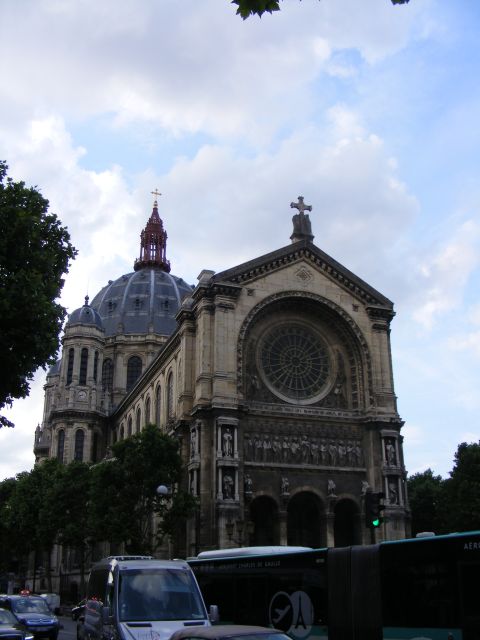
Saint Augustin is listed as an architectural marvel, and it fits the tour’s rhythm well. A church stop can easily become just a scenic pause, but in a Haussmann-focused walk, it has a more practical job. It helps you keep recognizing style signals in the cityscape.
Think of it as visual training wheels. Once you’ve been shown what the tour considers key features of Haussmannian and period design, you start seeing patterns faster. That makes your later self-guided sightseeing more rewarding, because you’re no longer staring at random façades.
If you like architecture, you’ll probably enjoy this stop most. If you do not, you can still benefit by letting the guide point out the few elements that matter, then moving on. In 2 hours, that is the best approach.
Park Monceau: the calm counterweight to grand boulevards
Then comes Park Monceau, described as the city’s most elegant park. This is one of the smartest inclusions in a short tour because it changes your sensory rhythm. Wide boulevards can feel intense. A refined park feels like a reset.
Parks also add context to urban planning. Haussmannian Paris is often discussed through architecture and street design, but livable cities also need spaces for air, walking, and breathing room. Park Monceau gives you that “why this city works” angle.
Also, it helps you digest the tour. After heavy landmark stops, you end up with time to slow down and notice details without feeling like you’re racing to the next photo.
Picasso’s favorite drinking dens: the art scene behind the stone
One of the more fun parts of the tour is the promise to discover Picasso’s favorite drinking dens, plus more. Even though the exact addresses are not listed here, the concept is clear: the guide connects the built environment to creative nightlife.
This is where the walk stops being purely architectural interpretation and becomes more human. Streets are not only design objects. They are where people met, debated, fell in love with ideas, and wasted time too. A Haussmannian city still lives through stories like that.
If you’re an art fan, this is likely the moment you’ll remember most because it adds atmosphere. If you are not, it still works because it grounds the era. Paris becomes a place full of rooms and routines, not only façades and monuments.
Price and value: what $176 buys in a 2-hour private walk
The price is $176 per person for a 2-hour private walking tour. On paper, that can feel steep, because it is “just” two hours and you are walking.
Here is why it can still be value, especially if you care about getting it right fast.
- You are paying for a guide who can connect Haussmann’s massive plan to what you can actually see, including the trade-offs of redevelopment.
- You are paying for a tight route that hits major stops without you having to plan transit, pacing, and sequence.
- You get private-group flexibility, which can help if you move slower, take time with questions, or want the explanation in a clearer way.
Also, the operator has been recognized as a top 10 small tour company in Europe out of 26,000 companies. That kind of spotlight matters because it often correlates with guide quality and consistency, which is exactly what you want for an architecture and city-planning tour where interpretation is the main product.
If you are traveling with someone who will enjoy street-level storytelling, the cost starts to look more reasonable. If you are traveling solo and only want a quick stamp-collecting route, you might feel the premium more. Choose based on how much you enjoy context.
Who should book this Haussmannian Paris tour
This is a strong choice if you want Paris in a “how it was built” frame. You’ll probably get the most out of it if you like architecture, city planning, or just want a method for seeing the city clearly.
It is also a good fit if you want live guidance in English or French, and you prefer a private format. The guide-led experience helps on a short timeline, because Haussmannian Paris can look straightforward until you start asking why it is like that.
One more point: it is listed as wheelchair accessible. If you need that, it is worth considering this tour specifically rather than assuming a random walking route will work.
Plan for your timing, wear, and food
This tour runs rain or shine, so pack accordingly. Wear shoes you trust for walking. In 2 hours, you are not crossing the city, but you will still cover enough ground that flimsy footwear becomes annoying fast.
Food is not included. That’s not a dealbreaker, but it does change how you plan. If your day has you hungry, schedule this tour after a meal or plan a quick snack before you go. Also consider how you’ll handle any shopping time at Galeries Lafayette, since it can tempt you into losing tour focus.
Should you book it?
I’d book this tour if you want Haussmann’s Paris explained in plain terms and tied to top landmarks like Opéra Garnier, Boulevard Haussmann, and Galeries Lafayette, with smoother breaks at Park Monceau and visual variety at places like Jacquemart-André and Saint Augustin. It’s the kind of tour that can upgrade how you see the rest of the city, because you learn a way of looking rather than collecting isolated facts.
Skip it only if you want a long sit-down sightseeing day, or if you’re not interested in the story of how Paris was rebuilt and what the cost was. With 2 hours, this tour is focused, not slow and sprawling.
FAQ
Where do I meet the guide?
You meet at Métro Opéra, in front of Café de la Paix. Your guide will be carrying a red canvas tote bag.
What’s included in the tour?
A guided walking tour is included.
How long is the tour?
The tour lasts 2 hours.
What’s the tour language?
The live tour guide is available in English and French.
Does the tour run in bad weather?
Yes, the tour operates rain or shine.
Is the tour refundable if my plans change?
You can cancel up to 24 hours in advance for a full refund.
More Walking Tours in Paris

More Tours in Paris


More Tour Reviews in Paris



Not for you? Here's more nearby things to do in Paris we have reviewed






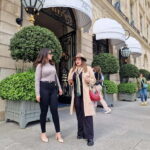
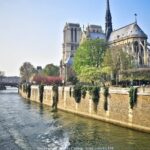


Paris City Tours, side by side.
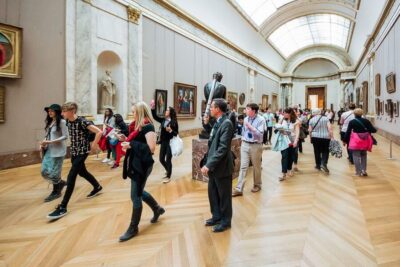 ★ 4.6Louvre Museum Timed-Entrance TicketTickets from $2671,977 guest reviews
 ★ 4.6Disneyland® Paris 1-Day TicketTickets from $6149,412 guest reviews
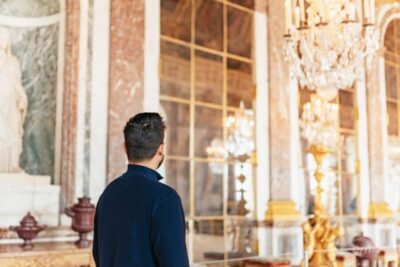 ★ 4.6Versailles Palace and Gardens Full Access TicketTickets from $1741,579 guest reviews
 ★ 4.6Arc de Triomphe Rooftop TicketsTickets from $1834,264 guest reviews
 ★ 4.7Orsay Museum Entry TicketTickets from $1525,647 guest reviews
 ★ 4.4Evening River Cruise with MusicTickets from $2722,721 guest reviews
 ★ 4.4Eiffel Tower Entry Ticket with Optional Summit AccessTickets from $2920,035 guest reviews
 ★ 4.3Eiffel Tower Summit or Second Floor AccessTickets from $5917,248 guest reviews
This tour also belongs to