
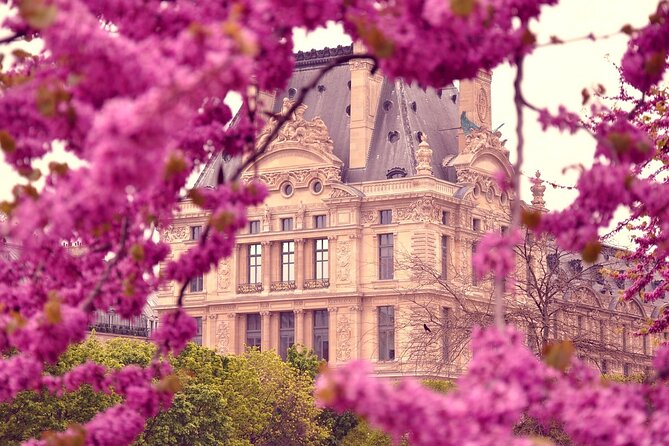
Review · PARIS CITY TOURS
Exclusive Walking Tour of Central Paris With Local Guide
Paris snaps into focus fast. This 2-hour private walk stitches together the city’s big ideas and famous landmarks, from the Latin Quarter to the Louvre area. I especially like that it feels like a guided storyline instead of a stop-and-snap list, and you get the benefit of a small-group private format with an English-speaking local guide.
You’ll also like how the route hits both the dramatic and the practical parts of Paris. At Notre-Dame and Sainte-Chapelle, you get the origins of the city and the royal stakes behind the stained glass world, including the story tied to the crown of thorns and why Sainte-Chapelle survived. One drawback to plan for: the Louvre part is an outside look at the Cour Carree, so if you want to roam galleries, you’ll need a separate ticket.
Here’s the value angle I’d watch: it’s $240.32 per person for a 2-hour private experience, so it makes most sense when you want a first-timer friendly path without wasting time guessing. The good news is that the walking route is described as fairly flat, with comfortable-shoes recommended, and it ends with a view toward the Eiffel Tower and the Tuileries garden.
Key highlights that make this walk worth your time
- Private English guide for your group of up to 15 people, so questions stay easy
- Latin Quarter to Louvre area route built around the way Paris evolved over time
- Major landmarks in a short window: Notre-Dame, Sainte-Chapelle, Pont Neuf, Pont des Arts
- No Louvre museum entry, but you still get the Cour Carree context before the crowds build
- Comfortable walking pace with a mostly flat route and smart meeting points
- Strong guide energy, with guests calling out a personable, fun teaching style
Getting oriented at Fontaine Saint-Michel
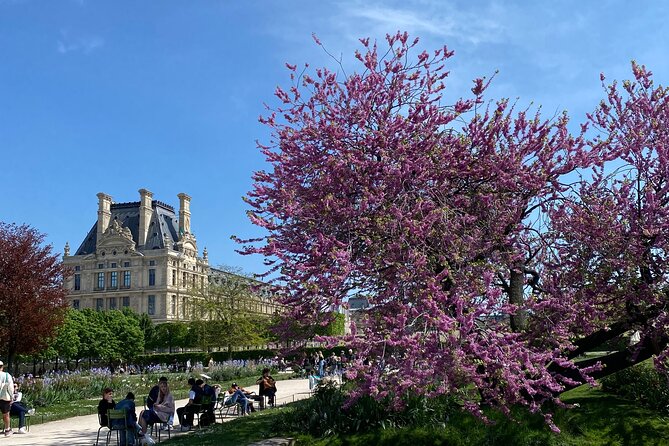
Your tour starts at Fontaine Saint-Michel in the Latin Quarter. This is a smart first stop because you’re not yet trapped in postcard mode. Your guide uses the fountain to explain why Paris looks the way it does today, including the layers that shaped the city long before you reach the big cathedral moments.
From here, I’d treat the next stretch like your “map in motion.” You’re getting names, timelines, and visual clues you can spot again later when you wander on your own. If you’re visiting for the first time, this kind of opening helps the rest of the day feel less like memorizing and more like connecting.
You can also read our reviews of more walking tours in Paris



Notre-Dame de Paris: how the city’s identity took form
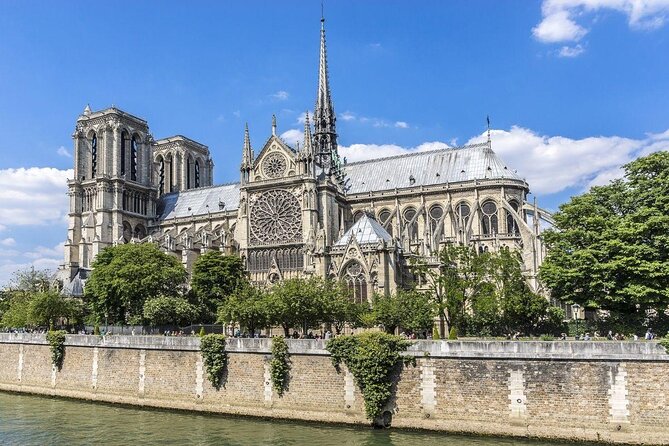
Next comes Cathédrale Notre-Dame de Paris, where the focus is on the historic origins of Paris and the people connected to the cathedral’s creation. Even if you’ve seen Notre-Dame from the outside before, this stop is worth it because it gives you the “why” behind what you’re looking at.
Time-wise, you’ll spend about 15 minutes here, which means you won’t get a deep museum lecture. You will, however, get enough context to understand what makes the cathedral feel like a centerpiece rather than just a landmark. For first-timers, that matters, because Paris has a habit of repeating themes like power, faith, and reinvention in different buildings.
Practical note: you’ll likely be taking in the cathedral from a viewpoint rather than doing a long interior visit, since the tour does not promise museum-style entry at each stop. Still, you’ll leave with better wayfinding and a stronger sense of place.
Sainte-Chapelle: royal ambition and survival in stained glass
Sainte-Chapelle is often the kind of place you either rush through or wish you had slowed down. Here, you get it in about 10 minutes, framed as the “little sister” of Notre-Dame, with emphasis on its royal significance.
This is where the stories get very specific, including the link to the crown of thorns and the way Sainte-Chapelle survived. That kind of detail changes how you look at the building. Instead of seeing it as a pretty stop, you start understanding it as a political statement, crafted to project authority and sacred meaning.
If you’re traveling with kids or teens, this is also a good segment because the stakes are clear. It’s not just architecture, it’s power, belief, and drama in a compact footprint.
Palais-Royal: the royal palace that turned into a city tool
At Palais-Royal, the stop is short, around 5 minutes, but it targets three very “Paris” ideas. You’ll hear about the former royal palace, the former jail of Marie Antoinette, and then the gorgeous clock that has kept Paris’s time for over 650 years.
I like this stop because it shows how the city’s past keeps operating. A clock is a small object, but it points to a larger theme: Paris always found ways to turn institutions into daily life. Even on a short walk, that’s a useful lesson, because it helps you read the city as a system, not only as monuments.
The main limitation is also the main truth of a fast city walk. You don’t get time to linger deeply here, so come with the mindset of getting a few solid anchors, then exploring more later.
Pont Neuf: the bridge that carries stories
Then it’s Pont Neuf, which you’ll reach after another brief transfer on foot and spend about 15 minutes. This bridge is “old Paris” in an easy-to-read way, with its charming arches and the garden-like view below.
You’ll also hear a story about the fate of a criminal on Pont Neuf. That might sound like a random trivia hit, but it’s actually a classic Paris technique. Bridges and public spaces were where news traveled, where punishment happened, and where ordinary people learned to pay attention to power. The criminal story gives the bridge a human edge.
One tip for this stop: pause long enough to scan both levels of the view. Even if you never take out your camera, it helps you understand why this bridge has remained so enduring.
You can also read our reviews of more guided tours in Paris






Pont des Arts: the love-lock story and the route to the Louvre area
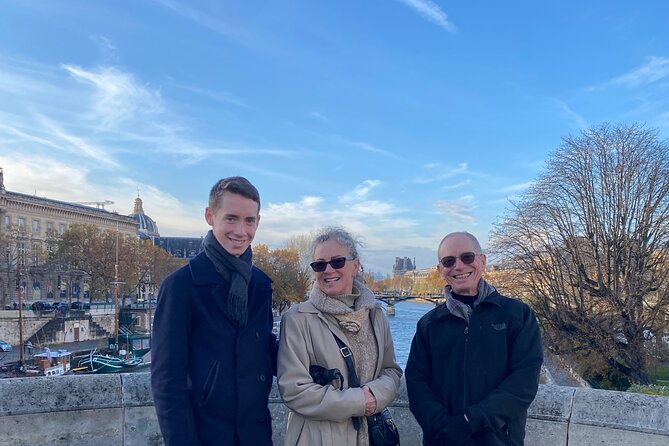
At Pont des Arts, you’ll see the iconic love lock tradition and how it has influenced the city’s image. This is one of those places where modern rituals sit right next to older architecture, and that contrast is exactly what makes it a fun mid-walk moment.
Also, Pont des Arts is where the tour naturally pivots toward the Louvre area. You’re building a mental line from faith and monarchy to art, revolution, and political shifts. It’s not just geography. It’s theme.
The stop is about 10 minutes, so you’ll want to treat it as a quick emotional beat in the walk. Take a look, listen for the meaning behind the tradition, then keep moving.
Cour Carree at the Louvre: story first, tickets later
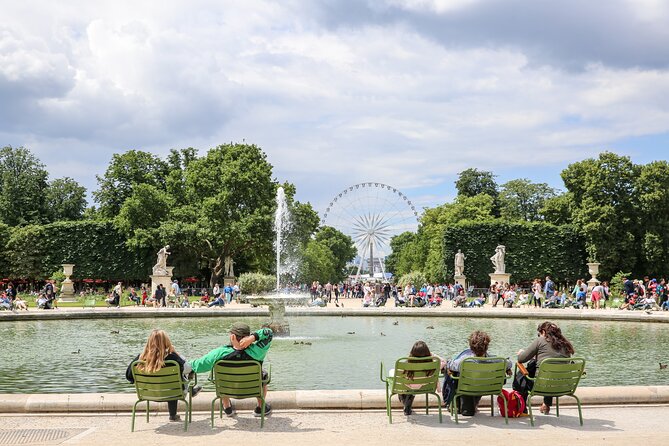
Important detail for your planning: the tour does not include entry into the Louvre Museum. Instead, you’ll go into the Cour Carree for about 15 minutes, where you’ll learn about the different incarnations of what we now know as the Louvre.
This is a smart choice for a short tour. The Louvre can eat half a day before you even get to the art you want. Here, you get the big-picture context and a story arc that links theft, revolution, and lovers to the way the place evolved.
You’ll also get to experience the space without the pressure of museum navigation. If you’re visiting in busy season, this is a practical win. You can still decide later if you want to return for specific galleries.
Carrousel du Louvre and the walk toward the Eiffel Tower view
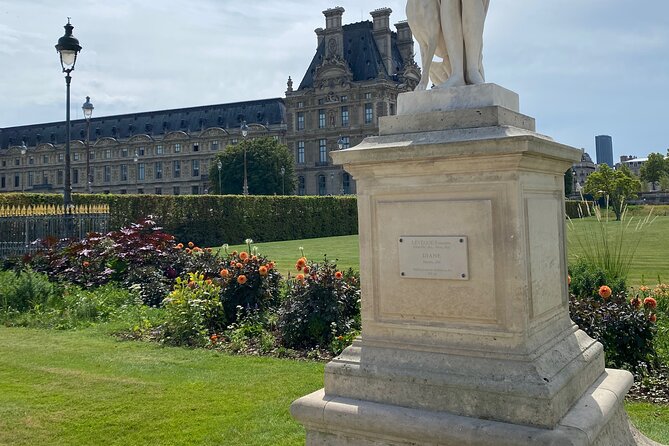
To end, you’ll finish at Carrousel du Louvre, spending about 15 minutes on the histories of the people involved in shaping the gardens of the Tuileries and the Eiffel Tower. It’s a good closing move because the route lands you in the broader “Paris postcard” zone.
The tour ends at 6 Av. du Général Lemonnier, 75001 Paris, with a view toward the Eiffel Tower and the Tuileries garden. That matters because you’re not just dropped off somewhere random. You’re sent off with a scene that helps you orient yourself for the rest of your visit.
If you have energy left, you can keep walking. If you don’t, you’ve at least ended on a visual reward that feels like the city’s finale.
Group size, pace, and why the private format helps first-timers
This is a private tour for your group only, with a maximum group size up to 15. For many people, that turns the experience from a rigid schedule into something more flexible. You can ask questions as you go, and your guide can tailor the explanations for first-timers.
The walking time is about 2 hours, and the terrain is described as fairly flat. Still, comfortable shoes are strongly advised, since “fairly flat” in central Paris can still mean uneven stone, curbs, and long city blocks.
Language is English, and the tour is described as near public transportation. That’s helpful if you want an easy day plan and don’t want to spend time figuring out how to get back after.
Price and value: is $240.32 per person a smart splurge?
At $240.32 per person, this walk is not a budget deal. But it can be good value if you compare it to what you’d spend to get similar guidance on your own time.
You’re paying for:
- a local English-speaking guide who teaches as you walk
- a compact route that covers major sights in about 2 hours
- a private, small-group format where questions are part of the experience
- no included Louvre museum entry, which keeps the pace focused and less time-consuming
If you’re a couple who wants help structuring the day, this is often worth it because you’re buying time and clarity. If you’re traveling solo, it’s pricier, but still useful if you like direct explanations and hate guesswork.
Weather and what to do if plans shift
The experience requires good weather. If it’s canceled due to poor weather, you’ll be offered a different date or a full refund. That’s a reasonable setup for a walking-focused tour, and it’s also why I’d keep your schedule flexible on your chosen date.
Who this tour is best for
This is a strong pick if you:
- want a first-timer friendly path through central Paris
- like learning stories while you walk, rather than after you’re tired
- prefer a private guide experience instead of a large group
- want major landmarks without committing to a full Louvre museum day
It’s also a good fit for families, especially if you want a structured outing that still moves at a human pace. In past use, people have brought grandkids and still found new details.
Should you book this Central Paris walk?
Book it if you want a guided way to understand Paris fast, and you’re happy with Louvre context without museum entry. It’s built for people who want the city’s big themes explained on your feet, starting with Fontaine Saint-Michel and ending with a payoff view toward the Eiffel Tower and Tuileries.
Skip it if your main goal is deep time inside the Louvre galleries, since this tour does not include museum entry. Also, if you hate short stops and prefer long lingering at each site, you might feel slightly rushed, because the time here is designed to cover many places in one focused session.
If you’re deciding, my advice is simple: if you want Paris to make sense quickly, this is the kind of walk that sets you up for the rest of your trip.
More Walking Tours in Paris



More Tours in Paris




More Tour Reviews in Paris






Not for you? Here's more nearby things to do in Paris we have reviewed












Paris City Tours, side by side.
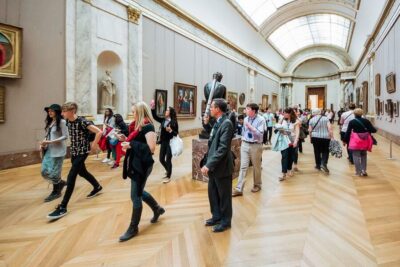 ★ 4.6Louvre Museum Timed-Entrance TicketTickets from $2671,977 guest reviews
 ★ 4.6Disneyland® Paris 1-Day TicketTickets from $6149,412 guest reviews
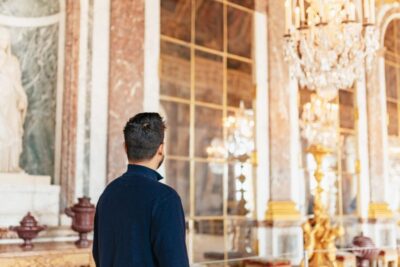 ★ 4.6Versailles Palace and Gardens Full Access TicketTickets from $1741,579 guest reviews
 ★ 4.6Arc de Triomphe Rooftop TicketsTickets from $1834,264 guest reviews
 ★ 4.7Orsay Museum Entry TicketTickets from $1525,647 guest reviews
 ★ 4.4Evening River Cruise with MusicTickets from $2722,721 guest reviews
 ★ 4.4Eiffel Tower Entry Ticket with Optional Summit AccessTickets from $2920,035 guest reviews
 ★ 4.3Eiffel Tower Summit or Second Floor AccessTickets from $5917,248 guest reviews