
Review · PARIS CITY TOURS
Behind the Scenes of a Boulangerie: French Bakery Tour in Paris
Paris smells like bread, on purpose. This 1-hour French bakery tour in Montmartre takes you behind-the-scenes inside a working boulangerie, where dough becomes baguettes and pastries on a real production schedule. I like that it is a genuine small setup, not a bread museum, so you see how small-group craft holds up when things are moving fast.
What I love most is the way you follow the process from dough work to the oven, with clear explanations of how French baguette making actually works. I also like the payoff: you do not just watch, you leave with a freshly baked baguette and a croissant to eat later, plus the chance to sample other items depending on the day.
One drawback to plan for: many versions of the tour are more “watch and learn” than “hands-on baking.” The kitchen space can be tight, so you may not get extensive dough time even if you get small moments to participate, like quick shaping or making release cuts.
Key things to know before you go
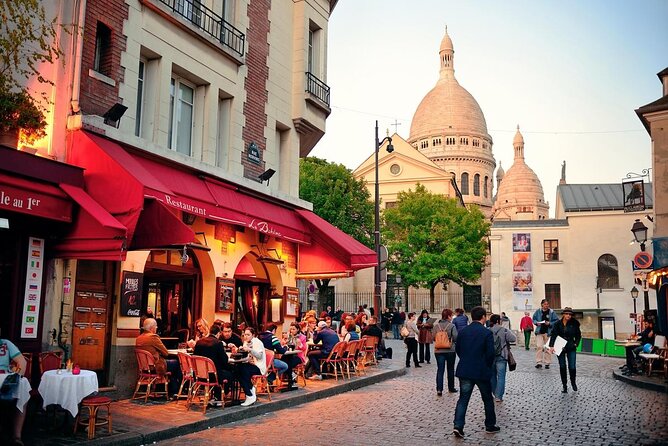
- Montmartre location for a neighborhood bakery feel, not a distant industrial site
- Max 8 people keeps the tour calm enough for questions and translation help
- English tour with a guide who can explain what the bakers are doing in plain terms
- Behind-the-scenes production rooms where baguettes and pastries are made daily
- Take-home treats: one freshly baked baguette and one freshly baked croissant included
- Tight work area means you should expect close quarters and follow the guide’s footwear and clothing advice
Stepping into a real Paris boulangerie in Montmartre
A French bakery tour in Paris is not the same as a bakery-themed show. This one is designed around a working shop in Montmartre, where staff keep production moving while you get a guided look at what happens behind the scenes. The meeting point is at Le Grenier à Pain Caulaincourt, 127 Rue Caulaincourt, 75018 Paris, and the tour ends back there.
The best part of going in Montmartre is the vibe. You are not far from the postcard world, but you are also in the practical world of bread: flour dust, busy rhythms, and the quiet efficiency of people who do this every day. You get the feeling that bread is not a hobby here. It is the job, the craft, and the routine.
One reason I like small-group tours is that the guide can actually talk to you. With a maximum of 8 people, you get a better chance to ask what you care about, especially if you want to understand the why, not just the steps.
You can also read our reviews of more tours and experiences in Paris.



Your 1-hour itinerary: what happens and why it matters
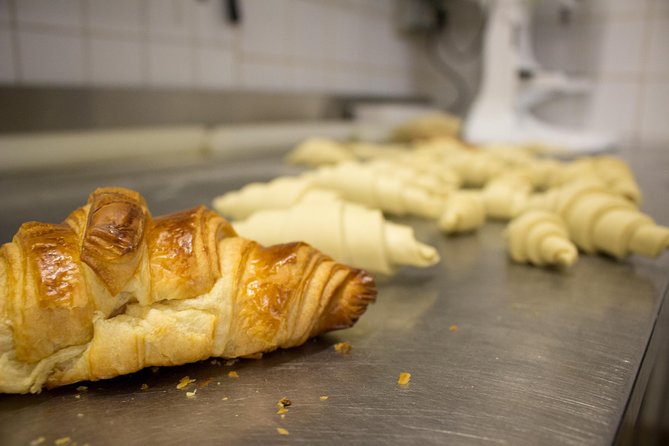
This is a focused 1-hour experience, and it stays that way on purpose. You are not going to spend the whole morning wandering. You are going to watch how baguettes and pastries are produced, get practical tips, and then walk out with bread you can eat later.
Here is what the timing tends to feel like:
Stop 1: Montmartre, behind-the-scenes bread and pastry work
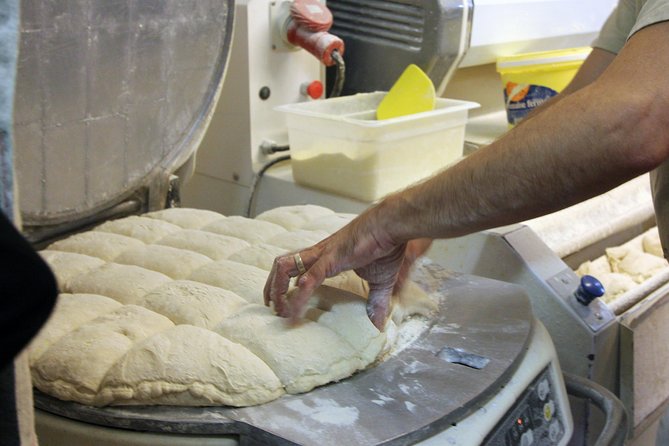
You start in the bakery area and move through production rooms where bread and pastries are made. Your guide explains the famous French baguette process, and you also see how the machinery is used.
This matters because bread making has a few “invisible” factors: timing, temperature, fermentation, and handling. When you are only reading about baguettes, it is easy to miss that. When you see the workflow in a working shop, you start understanding why bakers talk about dough behavior like it is a living thing.
Along the way, your guide covers bread history and time-honored tips. You also learn what separates a true artisan boulangerie from a factory approach. In a real shop, the production tools are there to help consistency, but the people still do the craft work.
The baguette moment: rules, shaping, and the baker’s eye
If baguettes are the reason you are coming, this is the centerpiece. You learn how the baguette is made, and you watch the workflow that leads to those long, crisp loaves.
The tour does a good job of treating the baguette like a system. It is not just “mix and bake.” You get explanations of proper techniques and the bread-making logic behind them. Even if you do not plan to bake at home, you leave understanding what bakers watch for, like how dough is handled and how shaping affects the final loaf.
You might get a hands-on moment, but do not expect full dough time
Hands-on expectations are the big divider in people’s experiences. Some guests come away wishing they had made more, and others enjoy small participation like release cuts or shaping steps. In other words, you might do a quick task, but the core of the visit is still observation and coaching.
That is not bad, as long as you go in with the right mindset. If you want a true class where you leave with a bag of dough you made yourself, look for a longer workshop format. If you want a sharp snapshot of how baguettes are produced in a real shop, this hits the mark.






Pastries and croissants: what you learn besides the ingredients
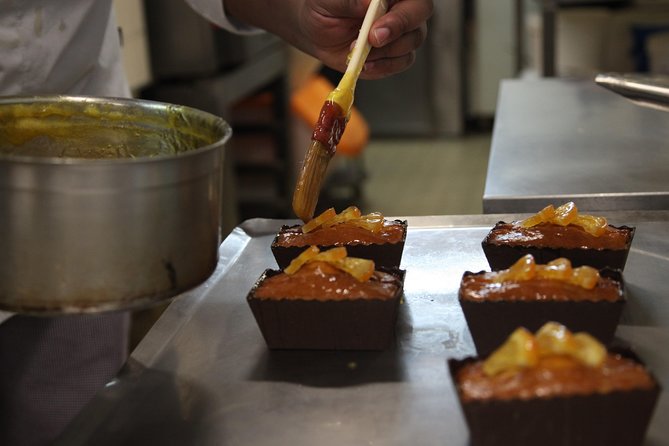
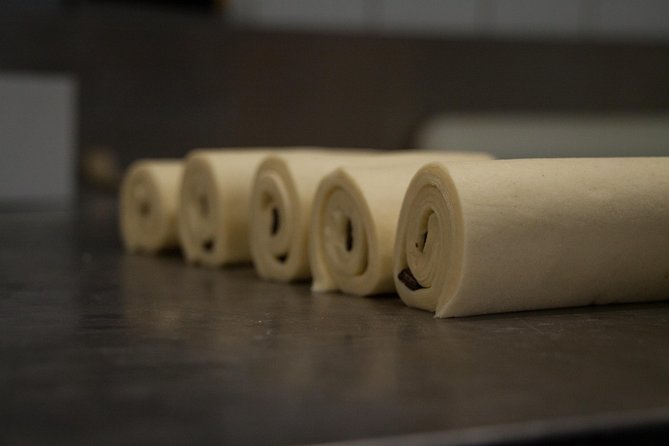
You also tour areas where cakes and pastries are made, not just bread. This is valuable because French baking has different rules depending on the dough. Bread is about structure and fermentation. Pastries are about layers, technique, and careful temperature control.
The guide’s explanations connect the dots so the pastry work does not feel random. You hear the baker’s tips and you see how the pieces come together in the production flow. Depending on the day, you may also get small tastings of items from the pastry side, not only the final take-home gifts.
Croissant insights: why the guide matters
A strong tour guide can turn croissant viewing into real learning. One guide name that shows up in people’s memories is Marie, described as delightful and well-informed. Others also mention excellent English interpretation from their guide, including times when the local baker’s explanations were translated and clarified.
When you have translation support, you catch the details you would otherwise miss, like how bakers talk about dough handling and the craft choices that affect texture and flakiness.
Take-home baguette and croissant, and how to enjoy them
The tour includes one freshly baked baguette and one freshly baked croissant to take away. This is a big part of the value. Watching bread happen is one thing, but getting to taste the result later turns the learning into something you can actually experience.
How to eat them for best flavor
You will enjoy them most soon after the tour, when you can still feel the fresh-baked character in the bread and the croissant has not gone stale. Plan on keeping them protected so they travel well back to your apartment.
Also, if you like eating simply, this is a nice “Paris breakfast” setup. You can treat it like a mini bakery run without needing to find a shop that sells exactly what you want that day.
Small-group dynamics: tight space, good questions, and practical limits
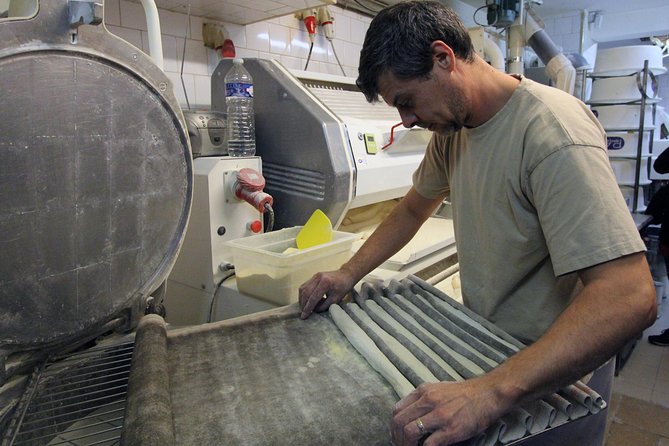
This bakery experience has a maximum group size of 8. That sounds small, and in a bakery kitchen it matters. The work area is compact, and you will be in close proximity to staff and equipment.
In practical terms, that means:
- you should wear clothes you do not mind getting a little flour on
- non-skid shoes help because floors can be slippery in places where dough is handled
- you will likely move slowly and pause often to let the bakers work
The tightness also affects how hands-on the tour can be. Even when bakers are happy to show you steps, safety and workflow come first. You may still get moments to participate, but the overall tour pacing is built around the bakery’s schedule.
Price and value: what you are really paying for
I cannot give you a number here because the cost is not included in the details you provided. But I can help you judge the value, because people clearly react to the experience based on what they expect.
This tour is one hour, and it includes:
- guided access behind the scenes
- a French baker and guide who explain baguette technique and history
- one freshly baked baguette
- one freshly baked croissant
- a small group capped at 8
That package can feel worth it if you want a concentrated look at how baguettes and croissants get made in an actual Paris bakery. It can feel expensive if you want a heavy, hands-on baking session or a long class format.
My advice: match the tour to your goal. If you want a practical, authentic “see it done” experience with a tasty takeaway, this makes sense. If your dream is hands-on dough work for the whole session, plan to seek a longer workshop where you do much more of the production yourself.
Who should book this French bakery tour, and who should skip it
You should book if you want
- an authentic behind-the-scenes look at a working bakery in Paris
- a focused 1-hour experience with take-home bread
- to learn the baguette process and hear baker tips in a small-group setting
- a family-friendly activity, since it is for ages 6 and up with an adult
You might skip or think twice if you
- need a fully hands-on baking class, not just watching and brief participation
- are traveling with sensitive airborne food allergies, since bakery air can include flour and other food particles
Great fit for
Families, couples, and anyone who wants a real taste of Paris baking without turning the trip into a cooking program.
A quick reality check on interaction and guidance
You will get friendly service from the bakery staff and a guide who helps you understand what you are seeing. Many guests specifically mention guides who are approachable and quick to answer questions. Names like Vincent and Mariette show up in guests’ memories, which suggests the guide quality can be excellent.
Still, interaction level varies by day and by kitchen layout. You might get a release-cut moment or a small task with dough, but you should not build your expectations around making a full baguette from start to finish.
If you arrive with curiosity and good questions, you can make the tour feel much more personal even when the format is mostly observation.
Should you book this tour?
Book it if you want a compact, authentic Montmartre experience that mixes real production viewing with a satisfying takeaway. The biggest strengths are the small-group size, the behind-the-scenes access, and the fact that you leave with a freshly baked baguette and croissant.
Pass on it if you want a long, hands-on baking class. Also think twice if airborne food allergies are an issue for you or your group.
If your goal is simple, learn how baguettes and croissants are made in a working Paris bakery, then eat well afterward, this is a strong choice.
More Tours in Paris





More Tour Reviews in Paris
Not for you? Here's more nearby things to do in Paris we have reviewed












Paris City Tours, side by side.
 ★ 4.6Louvre Museum Timed-Entrance TicketTickets from $2671,977 guest reviews
 ★ 4.6Disneyland® Paris 1-Day TicketTickets from $6149,412 guest reviews
 ★ 4.6Versailles Palace and Gardens Full Access TicketTickets from $1741,579 guest reviews
 ★ 4.6Arc de Triomphe Rooftop TicketsTickets from $1834,264 guest reviews
 ★ 4.7Orsay Museum Entry TicketTickets from $1525,647 guest reviews
 ★ 4.4Evening River Cruise with MusicTickets from $2722,721 guest reviews
 ★ 4.4Eiffel Tower Entry Ticket with Optional Summit AccessTickets from $2920,035 guest reviews
 ★ 4.3Eiffel Tower Summit or Second Floor AccessTickets from $5917,248 guest reviews