
Review · SEINE RIVER CRUISES
Paris: Côté Seine Tour – Riverside Tour
Seine by tuk-tuk feels like fast Paris. I love the riverside views and how quickly you get iconic landmarks without wrestling transit or schedules. It also hits key photo angles at street level, so you can understand where things sit, not just memorize names.
The ride is intentionally paced for a small private group, so you get attention from the live guide without a crowd shuffle. One drawback to plan around: this is a guided tour with stops for sights, not a ticket to spend long hours inside major sites.
Why This Tuk-Tuk Seine Route Works So Well
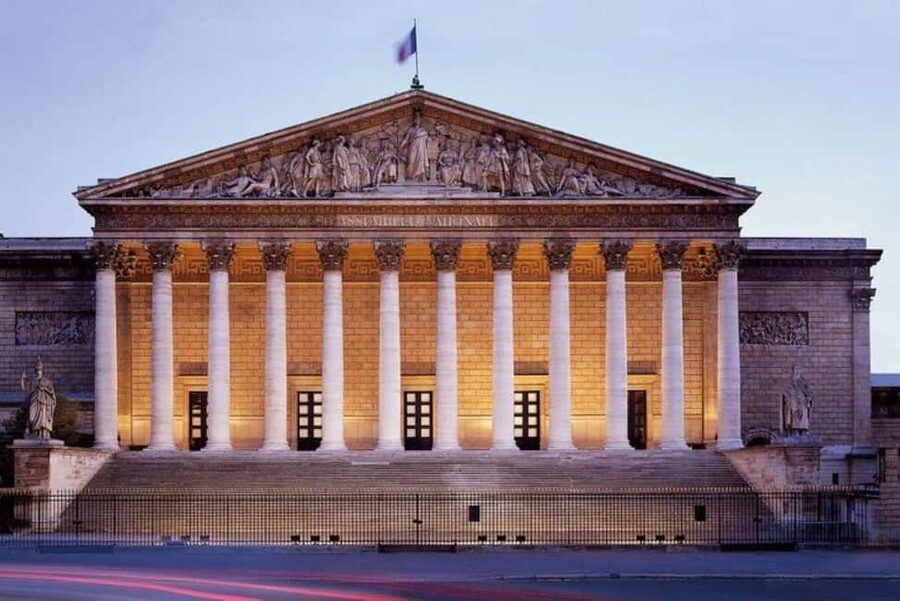
Small group time, big-sight efficiency. That is the whole idea here. The Côté Seine Tour is built for 1 to 6 people per tuk-tuk, and it runs about 90 minutes. In that time, you start at the Place de la Concorde area, then work your way past major riverside anchors, finishing near the Arc de Triomphe on the Champs-Élysées.
You get a clean sweep of the Seine corridor: the historic core around Île de la Cité and Notre-Dame, the museum-adjacent stretch by Musée d’Orsay, and the grand viewpoint zone around Trocadéro for that signature Eiffel Tower angle. It’s the kind of tour that helps you build a mental map fast, which is hugely useful on the days that follow.
One more detail I appreciate: the tour is private, and the guide speaks French and English. That matters because it keeps questions relevant, like how to read the city from river level or what you’re actually looking at from each quay.
Key Highlights to Expect (And Why They Matter)
- Place de la Concorde start: a wide-open entry point that helps you orient before the tighter historic streets.
- Notre-Dame on Île de la Cité: you see the cathedral’s setting on the island, not just a distant skyline view.
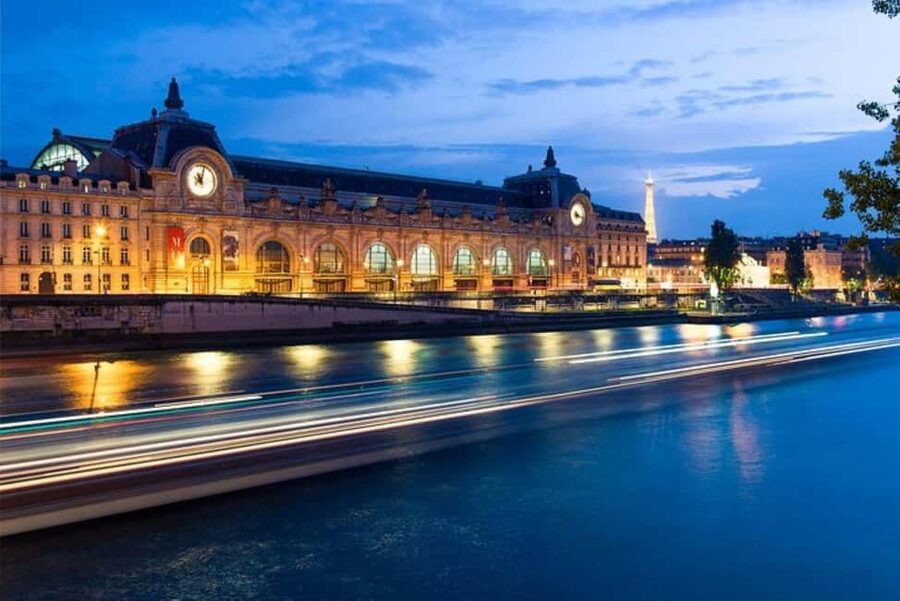
- Quays and Musée d’Orsay pass-by: you get the museum area’s river context, where architecture and walkability make sense.
- Esplanade des Invalides: a formal, classic Paris viewpoint area that frames the city’s grand planning.
- Trocadéro forecourt Eiffel angle: a strong photo and perspective stop, timed for the outside view.
- Arc de Triomphe and Champs-Élysées finish: you land in a classic “next steps” zone for further exploring.
You can also read our reviews of more tours and experiences in Paris.

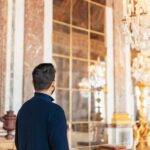
Meeting at Place Vauban, Getting Oriented Fast
Your tour meets at Place Vauban, 75007 Paris, in front of the Dôme des Invalides. I like this because it’s a part of Paris that feels intentional and structured, not just a random corner. You’re near a major landmark complex, which also makes it easier to navigate before you start.
From there, the tour frames the Seine as a main character. It’s not just a river passing by. The route’s logic is that the Seine links multiple “Paris centers” together: civic spaces, royal-era planning, the historic island zone, and the grand ceremonial avenues that lead toward the Arc and the Champs-Élysées.
If you’re arriving in Paris and you want to stop guessing where things are, this starting point helps. You’ll leave with a clearer sense of direction, because the tour’s sequence moves from major squares to riverbanks to viewpoint terraces.
Place de la Concorde to Carrousel du Louvre: Start Big, Then Tighten
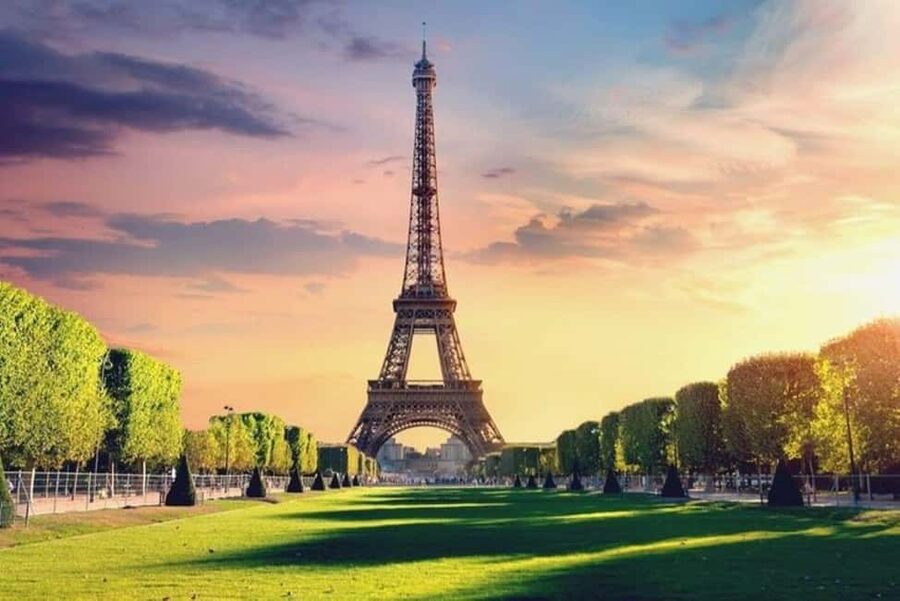
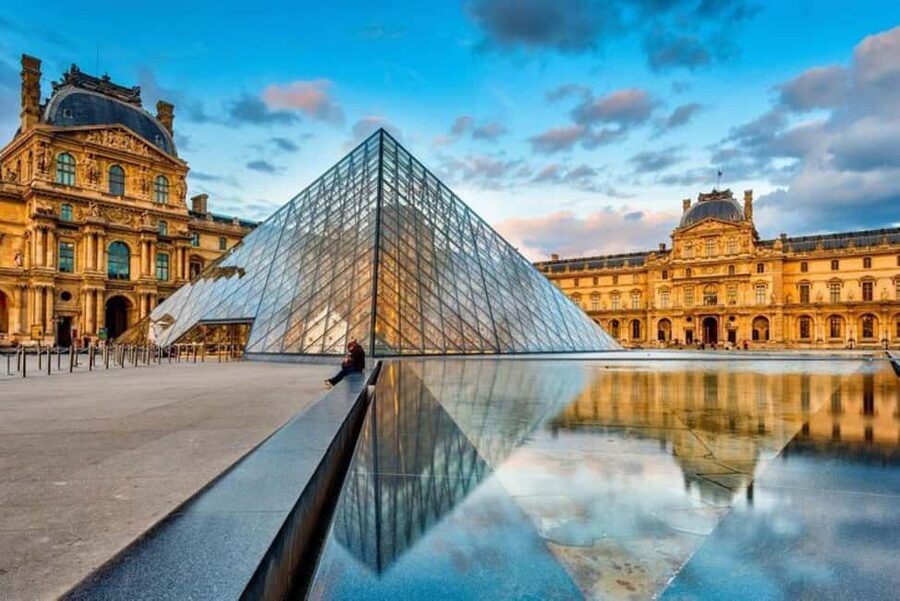
The tour begins by making its way from the Place de la Concorde area toward Carrousel du Louvre. This is a smart warm-up segment. Place de la Concorde is big, open, and easy to read from a distance. It sets scale.
Then Carrousel du Louvre shifts you closer to the world of courtyards and museum-adjacent streets. Even if you don’t go inside, this kind of “outer context” improves your day. You start understanding how Paris layers different eras on top of each other, and how the Seine corridor connects them.
In a small private tuk-tuk, the pace works well here. You’re not standing around waiting for a train or arguing with traffic lights. You’re getting a continuous stream of sightlines, which is exactly what a first-day orientation tour should do.
Practical note: bring a phone camera you’re comfortable using one-handed while you’re seated. You’ll likely want quick shots as the scenery changes.
Île de la Cité and Notre-Dame: Seeing the Island Setting
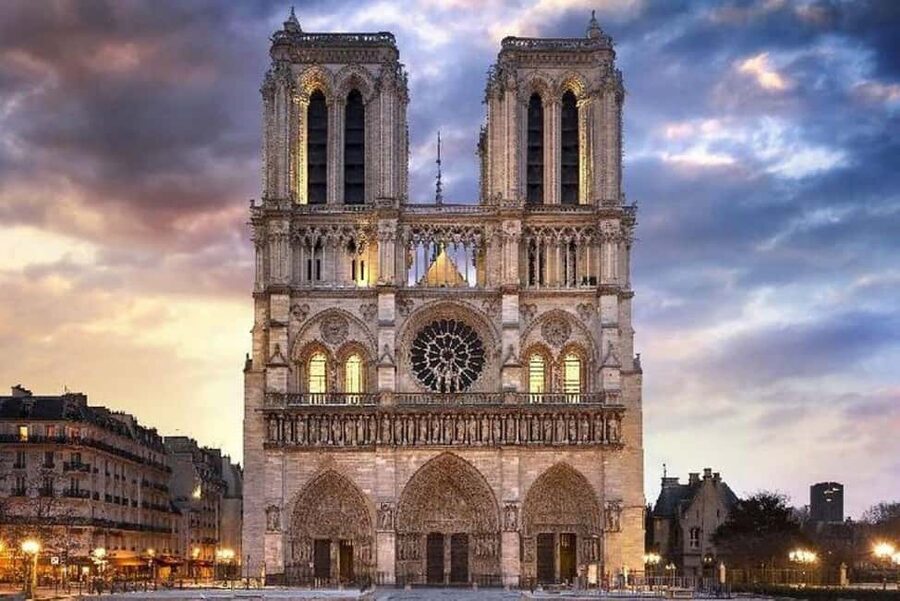
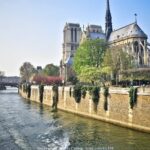
Next comes the heart of the historic core: Notre-Dame de Paris Cathedral on Île de la Cité. The big value here is not only the building. It’s the fact that you’re in the zone where a river bends into a city neighborhood, with streets and structures built around that geographic fact.
From a tour like this, Notre-Dame often feels more understandable than a single postcard angle. You can recognize how the cathedral’s position relates to surrounding areas and why the island layout matters. Even if you already know the name, the setting gives you context.
If you care about symbolism and layout as much as architecture, this stop is one of the best reasons to choose this tour. It’s also a good checkpoint during the ride. Once you’ve seen the island, the rest of the Seine route clicks into place.
Musée d’Orsay and the Quays: Museum Area, River Logic
The tour continues along the quays, passing by Musée d’Orsay and the Esplanade des Invalides area. Here’s what I like about this section: it teaches you how to read Paris from the waterline.
Musée d’Orsay is closely associated with the river, even when you’re not standing in front of the entrance. When you pass by, you start noticing how Paris places major public buildings where people can approach easily and where views frame the architecture. That’s a different way of experiencing a museum district than just walking inside a neighborhood grid.
The quays themselves are part of the experience. They’re like Paris’s long outdoor hallway, and the tour’s route uses them effectively. You get movement without losing the connection to what you’re seeing.
Possible drawback to keep in mind: the tour description focuses on passing highlights and scenic stops. It does not mention museum entry. So plan to treat this as a see-it-from-the-outside and photo-angle experience, then use a separate visit if you want to go in.



Esplanade des Invalides to Trocadéro: The Build-Up to the Eiffel Tower View
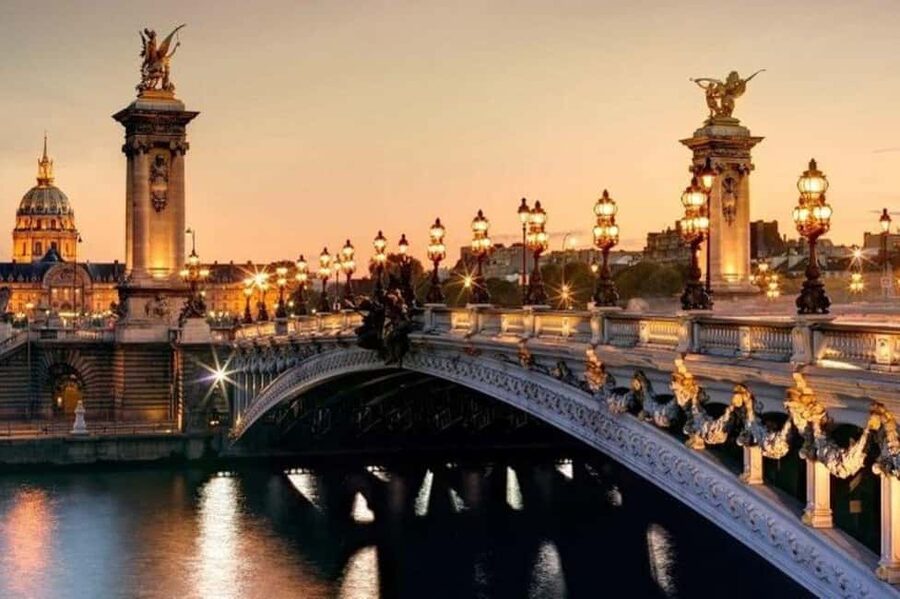
After the museum-area stretch, the route guides you toward the Esplanade des Invalides and then heads to the Trocadéro forecourt. This is the classic “from grandeur to perspective” arc.
Invalides is formal and monumental. It’s a spot where Paris feels carefully designed, and it gives you a sense of how the city uses axis-like sightlines. When you then move toward Trocadéro, the city’s planning becomes easier to understand because you’re stepping into a viewpoint zone.
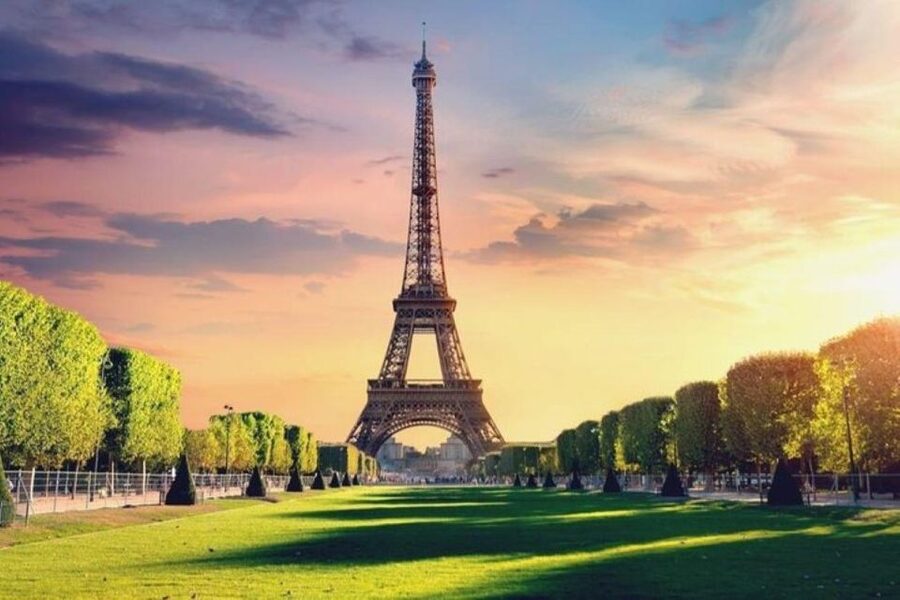
And then comes the stop that most people book for: a breathtaking view of the Eiffel Tower from the Trocadéro forecourt area. Even without exact timing details, you should assume this is a major photo moment. Standing in that kind of viewpoint is the difference between thinking you’ve seen the Eiffel Tower and actually understanding its scale relative to the city.
Tip for your photos: take one quick establishing shot first, then one more zoomed or angled shot. That way you capture both the moment and the relationship to the surrounding architecture.
Finishing Near the Arc de Triomphe and Champs-Élysées
The tour concludes near the Arc de Triomphe, on the world-famous Champs-Élysées. I like this finish because it sets you up immediately. Once you’re back at a major boulevard, you can choose your next move based on energy and weather.
It also helps to finish where Paris opens up again. The Seine route brings you through narrower historic zones and viewpoint areas. Ending on the Champs-Élysées gives a sense of transition, like you’re moving from river story to city avenue story.
If you still have daylight, you can continue on foot, grab a snack nearby, or simply use the area as a base to plan the rest of your day. Just remember the tour does not include food or drinks, so have your plan ready before you start.
Price and Value: What $258 Covers for Up to 6
The price is $258 per group, up to 6 people. That’s a key part of the value math.
- If you fill all 6 seats, you’re effectively paying about $43 per person for a guided 90-minute ride with a live guide.
- If you’re fewer people, your per-person cost rises, but you still get the private format, the guide, and the focused Seine route.
Compared with buying multiple separate tickets or spending a long time piecing together public transit, the structure of this tour can feel efficient. You’re paying for time saved and for the guide’s ability to connect what you’re seeing along the river.
Also, the language coverage matters. With a live guide in English and French, you’re not stuck with a phone audio system that might not answer your specific questions in real time.
For value-focused groups, it’s especially attractive when you have friends or family who can share the cost. For solo travelers, it can still be worthwhile if you want a fast orientation and don’t want to manage logistics across multiple stops.
Who This Tour Suits Best
This is a strong fit if you want:
- A quick, high-impact way to learn the Seine corridor
- A private outing for 1 to 6 people
- Clear guidance in English or French
- Outside viewing of major sights like Notre-Dame, Musée d’Orsay, and Eiffel Tower viewpoints
It may not be the best choice if your goal is deep time at a single site. This tour is designed around scenic movement and landmark stops within a 90-minute window. If you want museum tickets, long cathedral entry time, or extended walking on your own, you’ll need to pair it with other activities.
What to Do Before You Go
I’d do a couple simple prep steps so you enjoy the ride more:
- Wear comfortable shoes, because even short stops can mean standing and walking a bit.
- Bring a light layer. River-adjacent areas can feel cooler than you expect.
- Plan on buying your own food and drinks. The tour doesn’t include them.
If you’re the kind of person who likes asking questions, this is a format that rewards it. A live guide can explain what you’re seeing in a way that makes the next neighborhood easier to explore.
A Note on the Guide Experience
One thing that came through clearly is how much the guide’s approach matters. A guide named Nass was praised for showing parts of Paris people do not automatically plan to see, along with strong knowledge and an upbeat delivery. That combo is what turns a sightseeing loop into something that feels personal and useful.
You won’t control the guide assignment from the information provided, but the best advice is to come with a couple questions ready, like what to look for at the Notre-Dame area, or what makes the Trocadéro viewpoint so effective.
Should You Book the Côté Seine Tour?
If your goal is a fast, well-sequenced Seine highlight run with a private vibe, I think this is a good booking. The pricing works best when you can fill up to 6, and the 90-minute length is ideal for people who want orientation plus iconic photo moments without losing half a day to logistics.
Book it if you like guided context, quick street-level seeing, and a clear endpoint near the Arc and Champs-Élysées. Skip it or pair it with longer site visits if you’re craving lots of time inside major attractions, since this experience is focused on the riverside route and landmark stops rather than extended museum or cathedral time.
FAQ
Where does the tour start?
The meeting point is Place Vauban, 75007 Paris, in front of the Dôme des Invalides.
How long is the Côté Seine Tour?
The tour lasts 90 minutes.
Is this a private tour?
Yes. It is listed as a private group tour, with 1 to 6 people per tuk-tuk.
What sights will I see?
You’ll see Notre-Dame de Paris, pass by areas including Musée d’Orsay and Esplanade des Invalides, get to the Trocadéro forecourt for Eiffel Tower views, and finish near the Arc de Triomphe on the Champs-Élysées.
What languages are available for the guide?
The live guide offers French and English.
Is food included?
No. Food and drinks are not included.
More Tours in Paris


More Tour Reviews in Paris
Not for you? Here's more nearby things to do in Paris we have reviewed







Seine River Cruises, side by side.
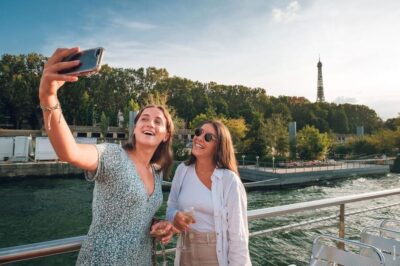 ★ 4.4Evening River Cruise with MusicTickets from $2722,721 guest reviews
 ★ 4.3Illuminations River Cruise with Audio CommentaryTickets from $2012,340 guest reviews
 ★ 4.3Tootbus Hop-on Hop-off with optional river cruiseTickets from $4911,924 guest reviews
 ★ 4.4Seine Cruise & Crepe Tasting near the Eiffel TowerTickets from $2311,231 guest reviews
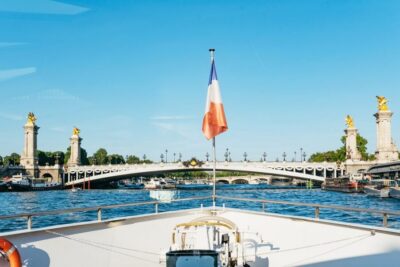 ★ 4.3Seine River Panoramic Views Dinner CruiseTickets from $6410,611 guest reviews
 ★ 4.6Louvre Museum Entry Ticket With Host and River CruiseTickets from $1009,926 guest reviews
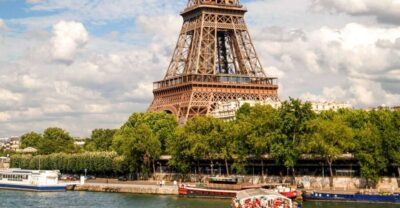 ★ 4.6Eiffel Tower Access by Elevator & Seine River CruiseTickets from $797,329 guest reviews
 ★ 4.73-Course-Dinner Cruise on the Seine with live musicTickets from $1357,248 guest reviews
This tour also belongs to