
Review · PARIS CITY TOURS
Paris Champs-Élysées 2-Hour Private Walking Tour
Champs-Élysées clicks faster with context. I love how the tour pairs Place de la Concorde with big, story-driven city planning, and then brings you to the Arc de Triomphe in a way that makes Napoleon feel close instead of distant. The only real catch is time, at 2 hours you get a guided overview, not an all-day museum deep-dive.
This private walk also does something smart, it teaches you how the avenue works on both sides, not just as a postcard street. You’ll hear the avenue’s links to Roman mythology and how Napoleon shaped what you see and how you read the route today.
You’ll get a guide for your group, with options in English, French, and Serbo-Croatian, and the tour runs rain or shine. For credibility, the operator has been recognized among top small tour businesses in Europe, and the tour carries a 4.8 rating from 3 reviews, which lines up with what people want from a first Paris day.
Key Things You’ll Notice on This Private Champs-Élysées Walk
- Place de la Concorde start at the obelisk area, with your guide holding a red canvas tote bag
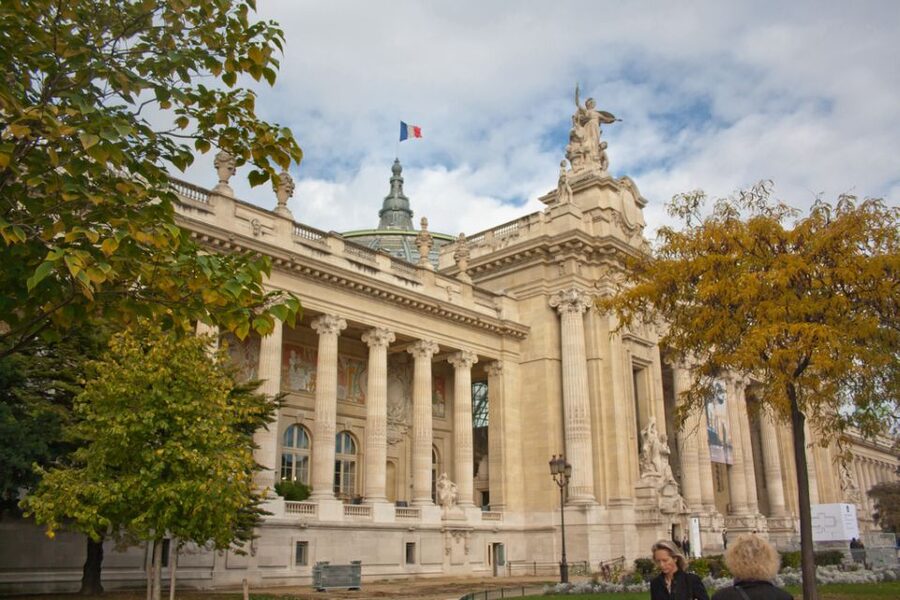
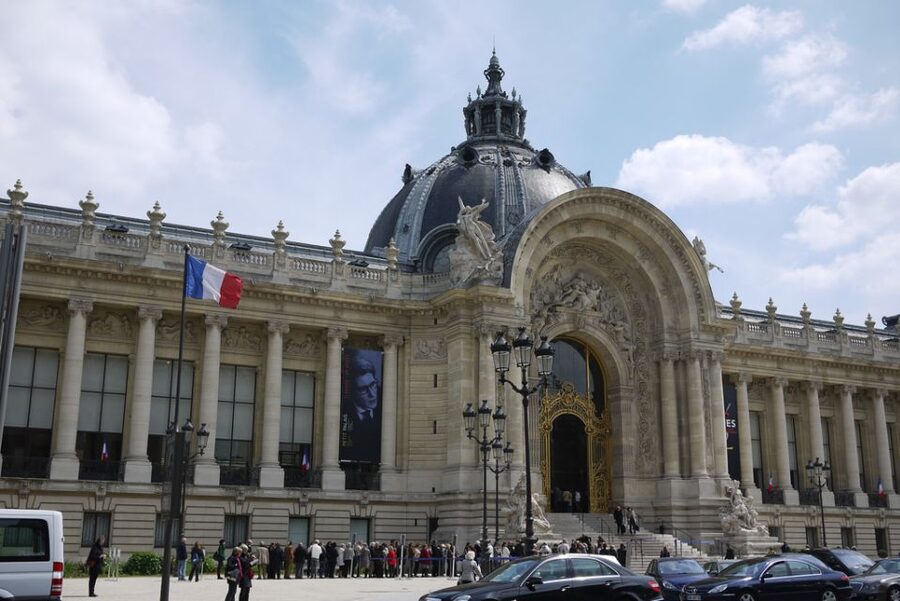
- Two palace-museums on the route, Grand Palais and Petit Palais, both now museums
- Champs-Élysées backstory: once a simple park with bars and third-rate theaters
- Napoleon and Roman mythology threads that connect what you see to why it was designed
- Picasso-era drink spots referenced on the walk for a more human Paris
- No food included, so you decide if you want a quick bite on your own
Starting at Place de la Concorde, the City’s Big Opening Scene
Your walk begins right where Paris makes an entrance. You meet in front of the obelisk at Place de la Concorde, and your guide will be easy to spot with a red canvas tote bag.
What I like about starting here is the way it sets your “map brain” early. Place de la Concorde is known for neoclassical architecture and planning, so you can start understanding how Paris uses symmetry, space, and sightlines to move you from one landmark to the next.
If you want a tour that helps you stop wandering and start making sense of the city fast, this first stretch is a strong move. You’re not just looking at famous spots, you’re learning how the avenue is meant to read as one story.
You can also read our reviews of more walking tours in Paris



Luxor Obelisk and the Planning Logic Behind the Neoclassical Look
You’ll be standing at the obelisk in the Place de la Concorde area right from the start, which is a good anchor point for a short 2-hour itinerary. Obelisks can feel like “just another landmark” if no one explains how they fit the plan, but with a guide you get the connections that make the setting feel intentional.
This tour focuses on design as much as sightseeing. You’ll hear how the route relates to the Paris of the 19th century as well as Paris today, which helps you notice the contrast between what the city was aiming for and what it became.
In practical terms, this is the point where you should slow down and look around. If you only glance while walking, you’ll miss the planning cues that make the next landmarks make sense.
Grand Palais and Petit Palais: Two Museums, One Smart Detour
One of the best parts of the tour is the museum detour built into a route people often treat like just a shopping corridor. You’ll see Grand Palais and Petit Palais, both now museums.
Even if you don’t plan to spend hours inside, these buildings matter because they change the tone of the walk. The avenue can feel like fashion and flow, but the palatial museum spaces bring in scale, design, and a more reflective Paris mood.
The value here is your guide’s ability to connect these sites to the broader themes of the tour, including how the avenue’s history shaped the present. That turns a “nice building” moment into something you can remember, because it’s tied to an idea rather than a random stop.
A fair consideration: because the total time is short, you should expect a focused visit rather than a full museum experience. If museums are your top priority, you’ll want to plan a separate time to go deeper on your own.
Champs-Élysées in Both Directions: Myth, Meaning, and the Napoleon Thread
Now you’re on the avenue people love to argue about, the place often described as the most beautiful avenue in the world. The tour doesn’t treat it like a straight line of shops, it explains how the street relates to stories and power.
You’ll learn about the connection to Roman mythology, which is a clever way to understand why Paris has a habit of borrowing ancient symbolism for modern grandeur. You’ll also hear how the avenue connects to Napoleon, and how that link shows up in what you see as you walk.
What you’ll get from this part is a new way to look at the skyline. You start noticing how monuments and buildings frame each other, and you can follow the logic of the street instead of relying on your phone camera to do all the work.
This is also where the tour’s tone becomes more than facts. You’re getting a guided interpretation of what the avenue represents, and that’s exactly what makes a short walk feel longer and more rewarding.
Avenue Montaigne and the Streets Between Icons
As you move along, the tour includes key sections of the Champs-Élysées area like Avenue Montaigne. This matters because it keeps the walk grounded in real neighborhoods and real street life, not only headline monuments.
Along the way, you’ll also pass by Hôtel de Crillon. Stops like that help you understand that the avenue is not one uniform scene, it’s a chain of different styles and purposes, which is part of why it’s so visually varied.
You also get a practical shopping-sightseeing balance. The tour includes time around Ladurée and its macaron shop, which is useful if you want a taste moment without having to plan it yourself.
Tip for you: if your goal is photos, keep expectations realistic. This is still a walking tour in a famous area, so you’ll want to step aside when needed and let the guide set the pace so you don’t spend the whole time weaving around other pedestrians.
You can also read our reviews of more private tours in Paris






Picasso’s Drinking Dens and the Human Side of Landmark Paris
One of the more memorable themes is the tour’s nod to the favorite drinking dens of Picasso. That detail helps the route feel less like a museum of marble and more like a lived-in city.
Here’s why I think this works: it gives you a contrast to the grand narratives. You’re hearing about emperors, mythology, and monumental architecture, then the tour drops you into the idea of creative nightlife and favorite haunts.
Even if you’re not a hardcore art-history person, these human details help your brain store the walk in scenes. Instead of remembering a list of famous buildings, you remember the feeling of the street and the kinds of stories people told there.
If you care about Paris beyond the obvious tourist hits, this is a solid reason to book a guided format rather than trying to wing it. The guide’s job is turning “I saw it” into “I understood why it matters.”
Arc de Triomphe: Orientation, Scale, and Why Napoleon Still Dominates
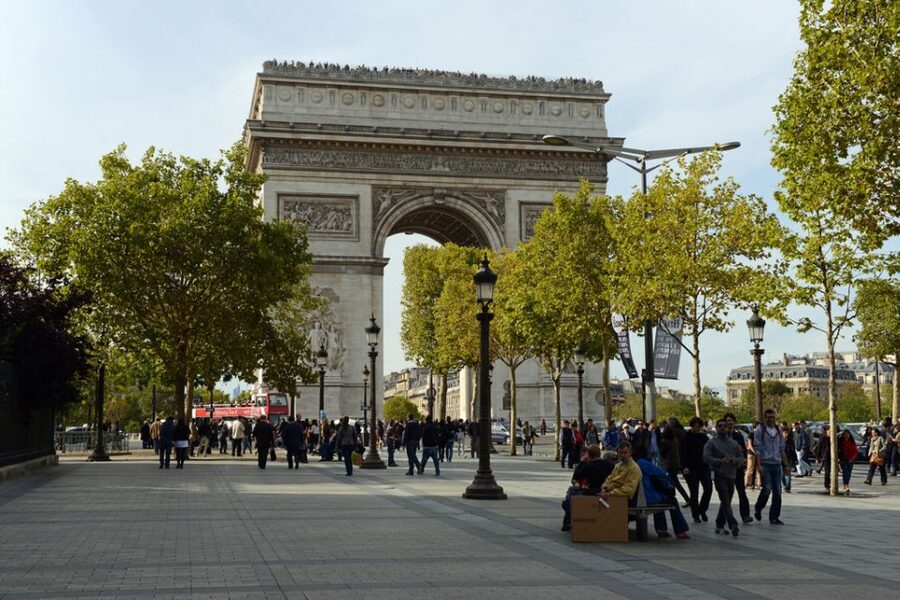
Your walk ends at the Arc de Triomphe, described as a monolithic monument to Napoleon. Even without a deep lecture, the structure’s presence forces you to recalibrate your perspective, especially after seeing how the avenue sets you up for it.
This stop is where the Napoleon thread pays off. You’re not just seeing a famous object, you’re connecting it to what you heard earlier about Roman mythology and the avenue’s relationship to Napoleon and the city’s evolution.
In a short 2-hour experience, the Arc de Triomphe works as the grand punctuation mark. It’s a strong way to end because you finish with a landmark that dominates your memory, and your guide has already primed you to look for meaning rather than only taking pictures.
If you’re tired, it’s still worth it. This route is designed to keep moving, and the guide’s commentary helps you stay engaged even when your feet start negotiating.
Price and Value: Is $176 for 2 Hours a Smart Use of Time?
At $176 per person for a 2-hour private walking tour, you’re paying for three things: a guide, a private group experience, and a route shaped around interpretation.
Is it expensive? Compared to self-guided walking, yes. But the value argument is about what you’re buying with your time. In just 2 hours, you get a guided storyline that links major landmarks, including the neoclassical planning at Place de la Concorde, museum buildings like Grand Palais and Petit Palais, the myth and Napoleon threads along the avenue, and the final payoff at the Arc de Triomphe.
You also get languages (English, French, Serbo-Croatian) and rain-or-shine operation. If you’re visiting during changeable weather, a guided plan you can keep is worth something.
The tour also does not include food and drink, so you’re not paying for meals you might not want. That keeps your budget more controllable, especially if you prefer to choose your own café stop.
Who this is a great fit for:
- First-time visitors who want to start understanding Paris quickly
- People who prefer walking with stories instead of museum-heavy days
- Couples, families, or small groups who want a private pace and fewer crowds
Practical Tips for Getting the Most From This Short Private Walk
A 2-hour walking tour means you should think about comfort as part of your planning. Wear shoes you can trust for steady walking, and keep your pace flexible enough to pause for viewpoints and explanations.
Because the tour runs rain or shine, bring a light layer or compact rain gear. Even if it is not pouring, Paris weather can shift fast, and you’ll feel better staying comfortable.
Also, plan around the fact that food and drink are not included. If you want Ladurée macarons, you can treat that as your planned sweet stop, and then keep the rest of your schedule flexible for whatever you find after the tour.
Finally, use the meeting point guidance. Meet in front of the obelisk at Place de la Concorde, and look for the guide with the red canvas tote bag. Arriving a few minutes early helps you avoid the stress spiral before a short tour starts.
Should You Book This 2-Hour Private Champs-Élysées Tour?
I’d book it if you want a fast, guided orientation of the Champs-Élysées corridor with real context. The tour’s strongest selling points are the way it connects Place de la Concorde, the museum buildings of Grand Palais and Petit Palais, and the Arc de Triomphe into one story about myths and Napoleon, plus the extra human flavor of Picasso’s drinking dens.
Skip it only if you’re looking for a long, detailed museum schedule or a full-day deep exploration. This is designed to be efficient, and it works best as a first or second stop in your Paris plans.
If you’re the kind of traveler who likes to understand what you’re seeing, not just check off landmarks, this private format for $176 per person is a fair trade for your time. Book it, then follow up with your own choices for where you want to linger.
FAQ
How long is the Paris Champs-Élysées 2-hour private walking tour?
The tour lasts 2 hours.
Where do I meet the guide?
You meet in front of the obelisk at Place de la Concorde. The guide carries a red canvas tote bag.
Is this tour private?
Yes, it’s a private group tour.
What’s the price per person?
The price is $176 per person.
What languages are available?
The live tour guide is available in English, French, and Serbo-Croatian.
Is food or drink included?
No, food and drink are not included.
Does the tour run in the rain?
Yes, the tours operate rain or shine.
Is the tour wheelchair accessible?
Yes, it is wheelchair accessible.
Can I cancel for a full refund?
Yes, you can cancel up to 24 hours in advance for a full refund.
Is there an option to pay later?
Yes, you can reserve now and pay later.
More Walking Tours in Paris


More Tours in Paris





More Tour Reviews in Paris




Not for you? Here's more nearby things to do in Paris we have reviewed











Paris City Tours, side by side.
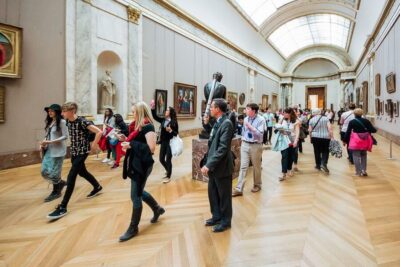 ★ 4.6Louvre Museum Timed-Entrance TicketTickets from $2671,977 guest reviews
 ★ 4.6Disneyland® Paris 1-Day TicketTickets from $6149,412 guest reviews
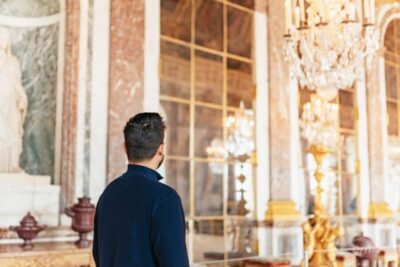 ★ 4.6Versailles Palace and Gardens Full Access TicketTickets from $1741,579 guest reviews
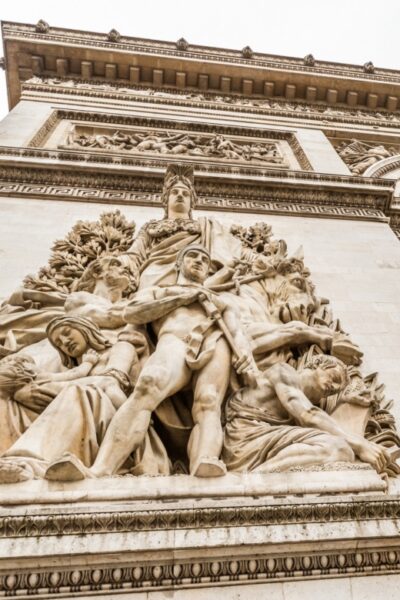 ★ 4.6Arc de Triomphe Rooftop TicketsTickets from $1834,264 guest reviews
 ★ 4.7Orsay Museum Entry TicketTickets from $1525,647 guest reviews
 ★ 4.4Evening River Cruise with MusicTickets from $2722,721 guest reviews
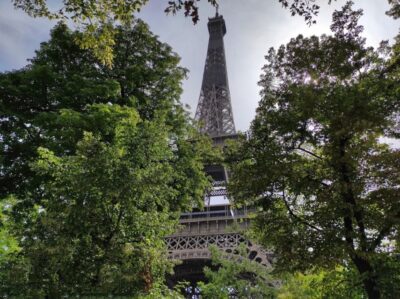 ★ 4.4Eiffel Tower Entry Ticket with Optional Summit AccessTickets from $2920,035 guest reviews
 ★ 4.3Eiffel Tower Summit or Second Floor AccessTickets from $5917,248 guest reviews
This tour also belongs to