
Review · DESSERT TOURS
French Dessert Class with a Parisian Chef
A great dessert starts with a kitchen lesson. In this central Paris apartment class, you learn classic French sweets step by step with a Parisian chef. I like that it is small-group and practical, not a demo where you watch and hope. You also get recipes you can recreate later, so the experience follows you home.
Two things I really like: first, you get to make multiple desserts in a short, focused 3-hour session. Second, you leave with a real plan for how to do the techniques, not just a list of ingredients. One thing to consider is the home-kitchen setup can feel tight, especially with a full group, so plan for a bit of closeness in the workspace.
Key highlights you will actually care about
Central Paris private apartment vibe: fewer distractions, more hands-on cooking time
Small group limited to 8: you get real help instead of quick, one-size-fits-all answers
Recipes emailed after class: you can remake your favorites without guessing
Beginner-friendly desserts: options like madeleines, mousse, and cakes that are approachable
- Hot drinks included: a small comfort while you learn the flow of French baking
A Parisian apartment kitchen, not a factory class
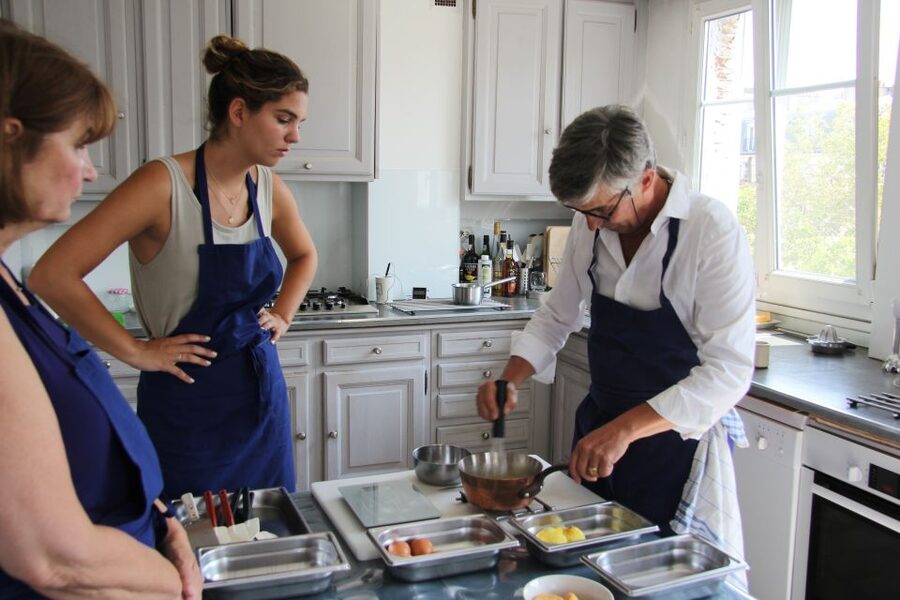
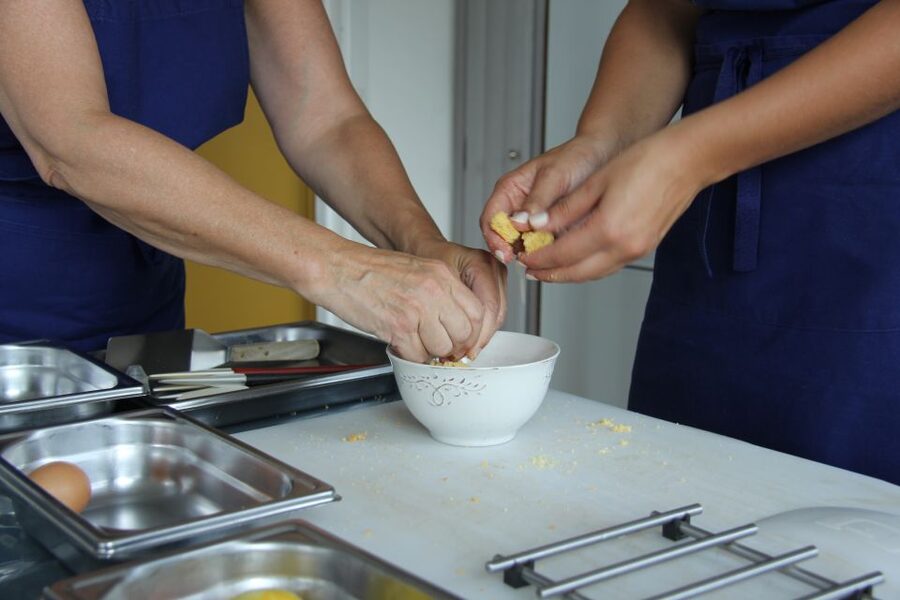
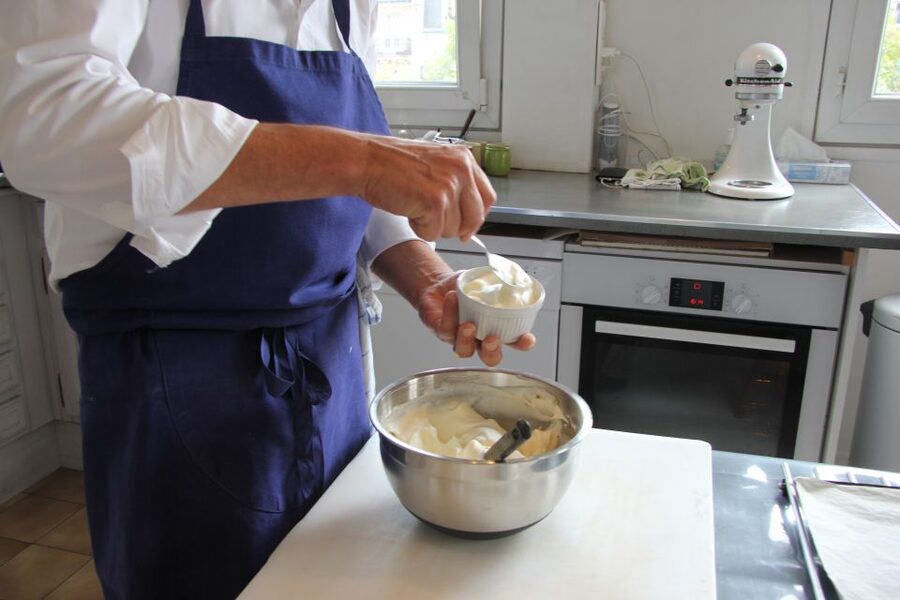
This dessert class takes place in the chef’s private apartment in central Paris, which changes the whole feel. You are not walking into a big cooking studio with a line of strangers and numbered stations. Instead, you are in a real home kitchen, where the pace feels personal and the chef can guide you with calm, practical directions.
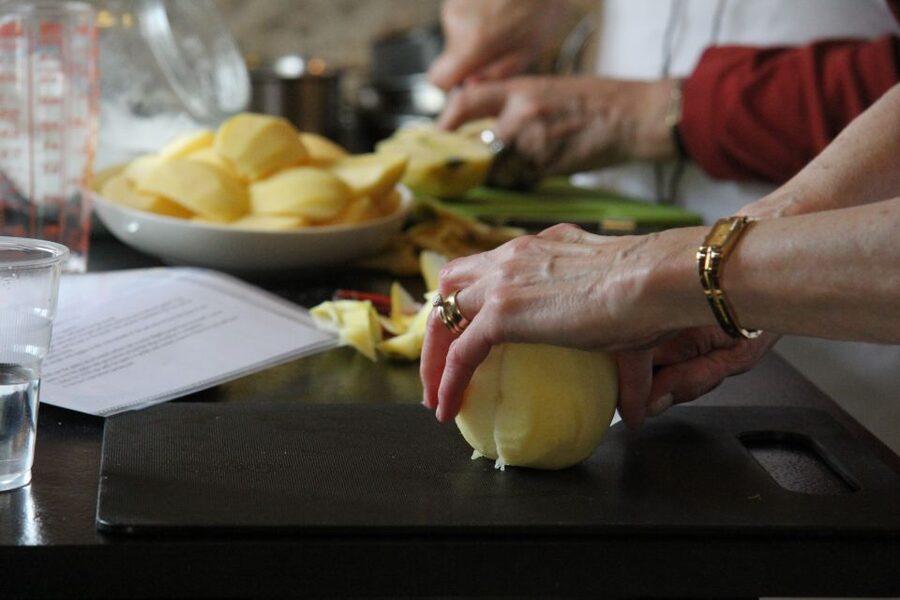
The class is designed for hands-on learning. You prep, mix, assemble, and learn how French dessert structure works: texture first, flavor second, then the finishing details. That matters because French sweets are all about precision. The techniques you practice here help you stop relying on shortcuts.
A quick heads-up, based on what people have experienced in this setting: the space can be compact. One family pointed out that it worked fine for a small group, but the kitchen area felt crowded when an extra child joined. If you are traveling with kids, you may want to keep the expectations realistic. This is still a cooking class in a working apartment, not a kids’ activity center with tons of room.
More Paris tours and experiences for the shortlist



What you make: classic French desserts, from madeleines to fondant
You can expect to learn a range of French desserts, guided by the chef. The exact set can vary, but the menu style is consistent: familiar French favorites with repeatable methods.
Here are examples of desserts mentioned for this course:
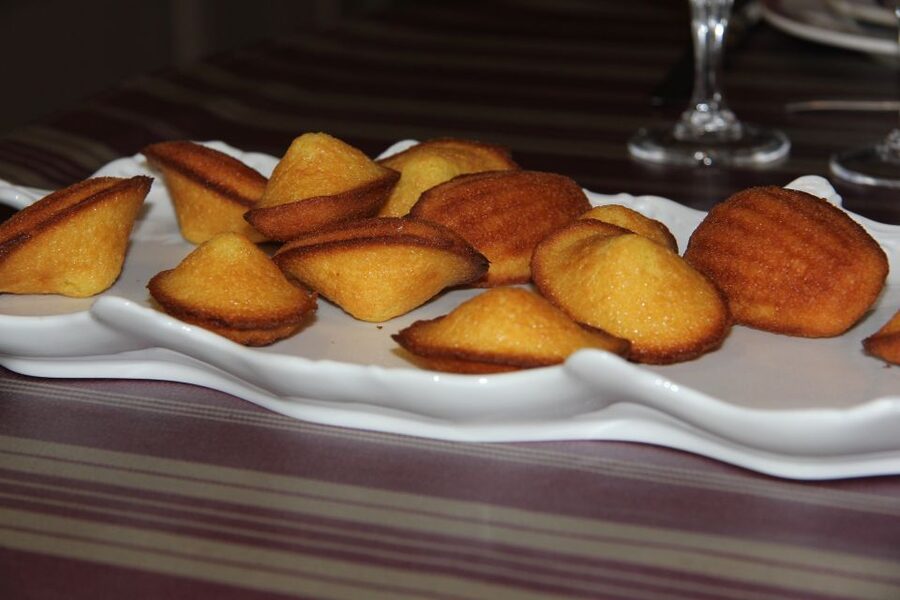
- Lemon madeleines
- Grape picker’s cake
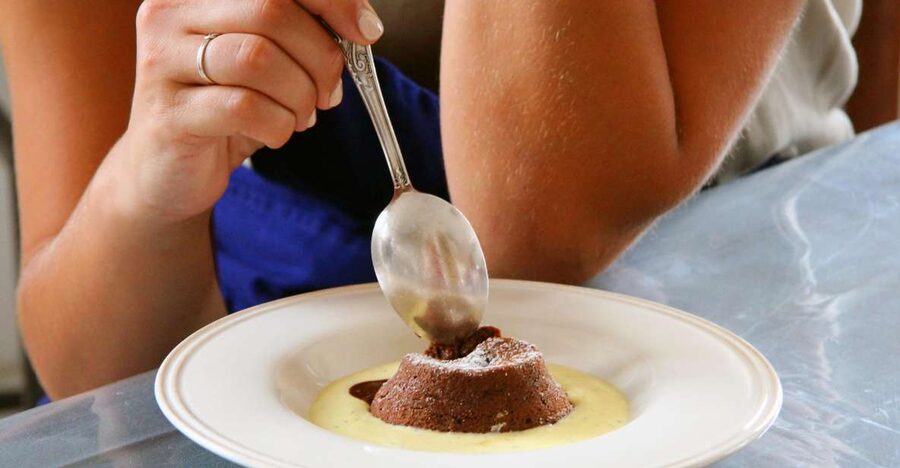
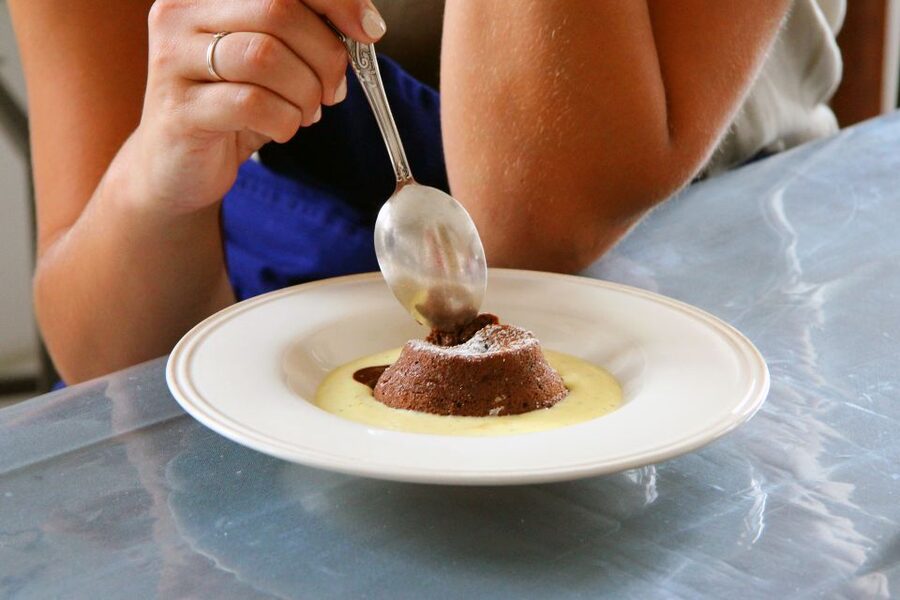
- Chocolate fondant
- Orange cake
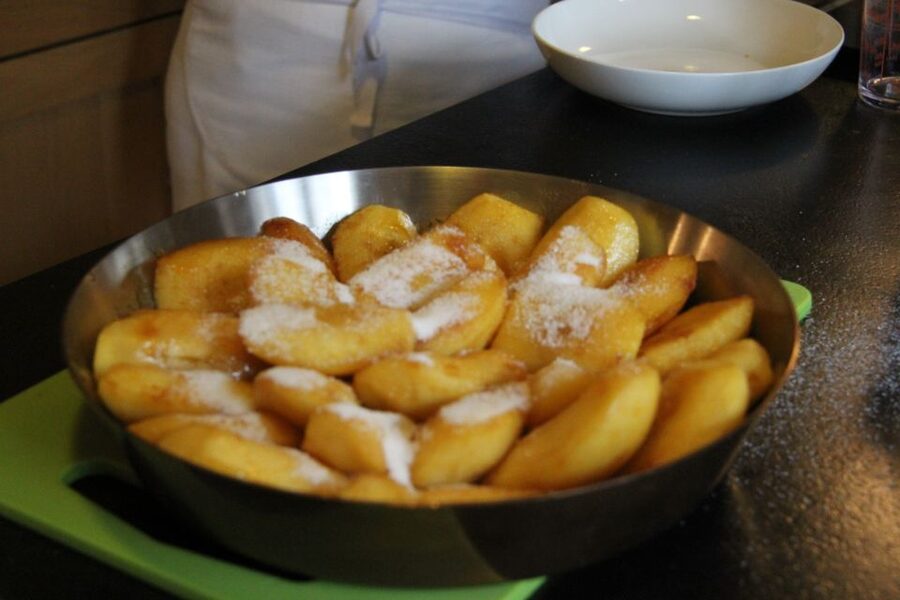
- Apple pie
- Chocolate mousse
What I like about this mix is that it covers different skill families. Madeleines teach batter consistency and baking rhythm. A fondant pushes you toward timing and doneness judgment, which is one of the biggest “I can’t get it right at home” problems with chocolate desserts. Mousse brings technique and texture, especially if you are learning how to keep it light instead of heavy.
Then you get cake and pie style desserts, which show you how French bakers think in layers and contrasts. Fruit desserts and citrus flavors also help you understand how sweetness gets balanced instead of just pushed higher.
Also, even if you are not a serious baker, the desserts are chosen to be manageable. One group noted the desserts were simple to handle for beginners, and that the results were genuinely tasty. That is what you want from a class like this: confidence first, then improvement.
How the 2 hrs 15 mins of cooking works inside the 3-hour experience
The scheduled total time is 3 hours, but the active class portion is listed as 2 hours 15 minutes. That small difference matters because you will likely spend some time settling in, getting instructions, and moving between steps without feeling rushed.
Inside that window, the chef guides you through each recipe in a logical order. You will work with ingredients that are provided, along with utensils and an apron. Hot drinks are included, which sounds small, but it helps you slow down and actually enjoy the process.
The real value is in how the chef teaches you to think. The class highlights the idea that you should not be afraid to experiment. In practice, that means you learn what to watch for. Is the batter too thick? Does your filling need more time? How do you know the dessert is ready without overbaking?
If you love baking but struggle with consistency, this is where the course earns its keep. French desserts are often about small decisions. A few minutes too long can turn a fondant from molten to just chocolate cake. A batter that is a little off can ruin a madeleine’s signature lift.
The secret ingredient is the chef, including the English-friendly guidance
The instructor speaks English and French, so you can learn the why behind each technique without translation headaches. In a small group, it also means you can ask questions as they come up, instead of waiting for the end.
In one experience, the chef was named Chef Marthe, and that group described her as phenomenal and the atmosphere as home-like from the start. That kind of teaching style is exactly what makes these classes work. You feel you can try, fail a little, and adjust.
At the same time, this is a personal setting, and not every group reports the same vibe. One booking included an 8-year-old participant, and the group felt the instructor did not appear pleased about having a child in class. I do not think that means children should never attend. It does mean you should consider how your group will fit the chef’s style and how comfortable you are with a more traditional kitchen environment.
If you are sensitive to mood, or if your child needs lots of reassurance, I would treat this as a serious cooking class first, family activity second.
What is included, and why that matters for value
On paper, $192 per person sounds like a “special occasion” price. In real terms, it is easier to justify when you see what is actually covered.
Included are:
- Ingredients
- Utensils
- Apron
- A copy of the recipe emailed to you
- A selection of hot drinks
That set of inclusions removes the annoying parts of learning to bake in your own kitchen. You do not need to hunt down every ingredient ahead of time. You do not show up with the wrong pan or a confusing tool that you will only use once. You also get an emailed recipe copy, which makes it far more likely you will recreate what you made rather than forgetting the exact proportions.
Small group limits also increase value. When you split attention across eight people, you tend to get feedback that changes your technique. The price also buys the chef’s experience and the time it takes to teach you, not just the ingredients.
If you already bake often, you may think you know these desserts. That is fair. But the technique and timing lessons are where classes like this usually outperform self-learning, especially for items like fondant, where bake time can make or break the result.
More Paris tours and experiences for the shortlist





Group size and class dynamics in a small apartment setting
This is a small group limited to 8 participants, which is a big deal for how much you learn. In a class that small, you are not just passing through. You are actively participating. You can also see how your neighbors handle the same step, which helps you correct mistakes quickly.
The compact apartment setting can make the class feel intimate. It also means you should expect some closeness. One person noted that the kitchen space was tight once the group composition included an 8-year-old. Even if everyone is polite and helpful, a small kitchen has a natural limit to how many bodies can work at once.
Practical takeaway: arrive ready to move, wash hands, and follow the chef’s rhythm. If you like wide open prep space, this might not feel as comfortable as a larger studio class.
That said, home-like classes are often where you get the most memorable learning. One booking described the experience as feeling right at home, and another group highlighted that they learned multiple desserts and took home great memories to recreate later.
Practical tips so you get the most from your dessert class
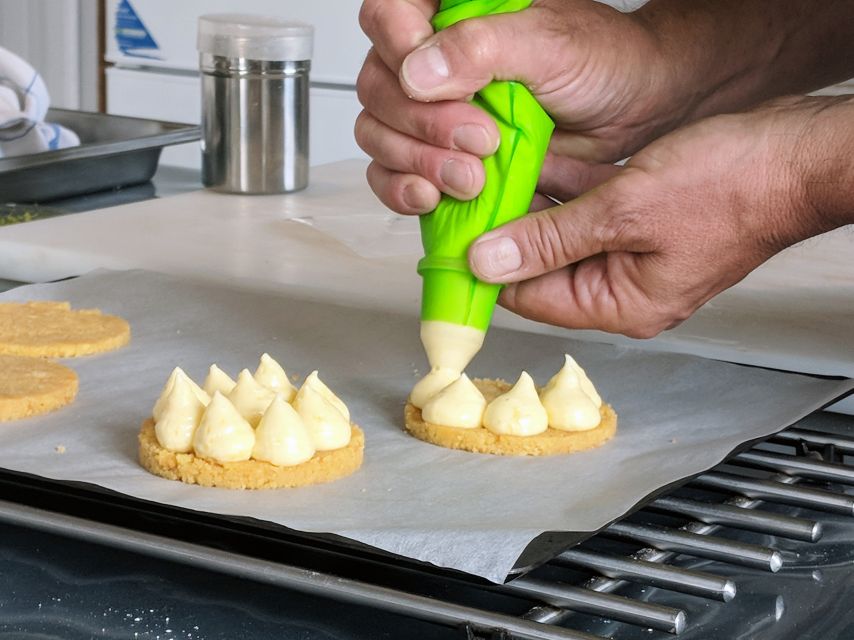
You can enjoy this class even if you are a casual baker, but you will get more out of it if you show up with the right mindset.
First, plan to treat it as a technique lesson. Focus on batter texture, cooking times, and how the chef describes readiness. A dessert tastes good when it is built correctly, not when it is hurried.
Second, embrace experimentation. The class specifically encourages you to try and adjust. If something feels off, ask. If you are unsure, ask again. In a small group, questions are not an interruption, they are part of the learning.
Third, prepare your schedule for the aftermath. Since a recipe copy is sent by email, keep an eye on your inbox after the class. If you wait weeks, it becomes harder to remember what you changed and what worked.
Finally, if you are baking at home, remember that oven quirks are real. This class can teach you the signs of doneness, not just the clock. That means you will still need to pay attention when you recreate your desserts, but you will have better tools to do it.
Who this French dessert class is best for
This course fits a few clear profiles.
It is ideal if you:
- Want hands-on French dessert skills in a short time
- Love classic sweets like madeleines, mousse, and fondant
- Would rather learn from a chef in a home kitchen than watch a long demonstration
- Care about bringing something practical home, since the recipes come by email
It is also a fun idea for a couple or small group vacation plan. One class included two families and stayed social, which suggests you can enjoy the experience even if you are not a hardcore baker.
Where it might be less ideal is if you need a lot of physical space, or if you are traveling with children who need a more flexible, kid-first environment. The kitchen can get tight, and teaching styles can vary.
Price and logistics, straight talk on value for $192
At $192 per person for 3 hours, you are paying for several things at once: chef instruction, all ingredients and tools, included drinks, and the take-home recipe support.
For many travelers, the value comes down to whether you will actually bake afterward. The emailed recipe copy makes it more likely you will. The class also teaches multiple desserts, so you leave with more than one “win” for home.
If you are only interested in tasting, you might be better off choosing a dessert-focused food tour or a patisserie visit. But if you want to learn how French desserts work, and you like the idea of practicing in a guided way, this pricing makes sense.
One more practical point about location: the exact address is sent by email within a couple of days after you book, and it is also stated as within 48 business hours of your booking. This is why you should rely on the email for the correct meeting point. In a city like Paris, small address mistakes can be a headache.
Should you book this French dessert class?
I would book this if you want a small-group, chef-led way to learn classic French desserts, and if you enjoy doing the work yourself. The combination of included ingredients, a take-home recipe copy, and a teaching setup that has been praised for being home-like and fun makes it a strong value for the price.
Book with caution if you are sensitive to space or you are bringing children who may disrupt the flow. The kitchen is an apartment setup, and even with a limit of eight, it can feel crowded.
If your goal is to leave Paris with more than photos, this is one of those experiences that pays off. You will have techniques you can reuse, and desserts you can remake for people you love.
FAQ
How long is the French dessert class?
The experience is listed as 3 hours total. The cooking class portion lasts about 2 hours 15 minutes.
What desserts will I learn to make?
The class covers a range of French desserts. Examples include lemon madeleines, grape picker’s cake, chocolate fondant, orange cake, apple pie, and chocolate mousse.
Is anything provided, or do I bring ingredients?
Everything you need is provided, including ingredients, utensils, and an apron. You will also be offered hot drinks.
Do I get recipes to make the desserts again at home?
Yes. You get a copy of the recipe that is sent to you by email.
How big is the group?
The group is small, limited to 8 participants.
What languages are spoken during the class?
The instructor teaches in English and French.
What is the cancellation policy?
You can cancel up to 24 hours in advance for a full refund. Free cancellation is offered up to that point.
More Workshops & Classes in Paris
More Dessert Tours in Paris


More Tour Reviews in Paris






Not for you? Here's more nearby things to do in Paris we have reviewed












Dessert Tours, side by side.
 ★ 4.4Day or Sunset Cruise with Drink, Ice Cream or DessertTickets from $224,225 guest reviews
 ★ 4.1Entrance Ticket to the Chocolate MuseumTickets from $211,105 guest reviews
 ★ 5.0Private Montmartre Food Tour with Wine, Cheese & PastriesTickets from $3021,027 guest reviews
 ★ 4.5Paris French Sweets Tasting Tour with Pastries and ChocolatesTickets from $168947 guest reviews
 ★ 5.0A Morning in Paris Food Tour: Croissants, Baguettes & ChocolateTickets from $125556 guest reviews
 ★ 4.445-minute Chocolate Making Workshop at Choco-StoryTickets from $58444 guest reviews
 ★ 4.8Chocolate & Patisserie Walking Tour with TastingsTickets from $113397 guest reviews
 ★ 5.0Paris Chocolate, Macaron & Pastry Food Tour: 10 Gourmet TastingsTickets from $118339 guest reviews
This tour also belongs to