
Review · ORSAY MUSEUM TOURS
Musée d’Orsay: Impressionists with skip-the-line ticket
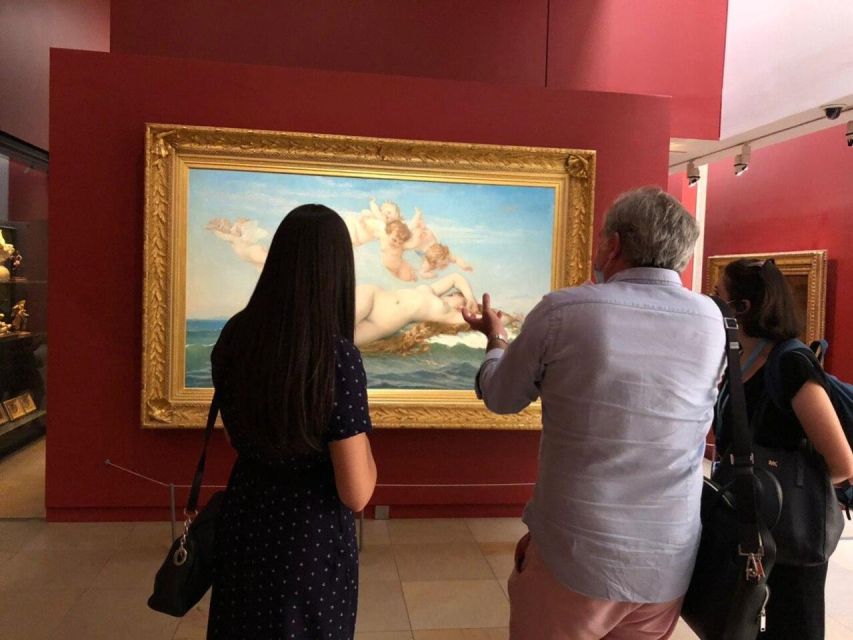
Paris art starts with a building that is part of the show. Musée d’Orsay turns an old railway station into a 19th-century time capsule, then strings it together with Impressionism and major works by artists like Monet, Degas, Cézanne, and Rodin.
What I like most is the combo of great art focus with the added lesson of why this station matters, including its early electric-rail history. You also get a smooth entry thanks to skip-the-line access, which matters at Orsay. One possible drawback: the tour is not suitable for wheelchair users, and the meeting point can be tricky if the elephants at the front are temporarily moved.
Key things to know before you go
- Skip-the-line entry through a separate entrance so you can start seeing art faster
- Small group capped at 6 for a quieter, more interactive pace
- Headsets included, which really help when galleries get busy
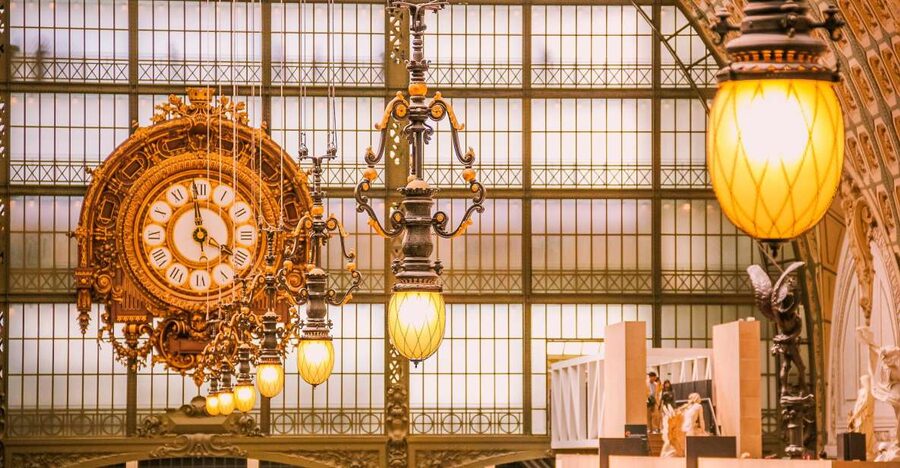
- The building is part of the exhibition, not just a backdrop
- 2 hours is structured for variety, from Impressionism to photography and early film
- Guides with strong English support, including names like Sacha, Deli, and Maria
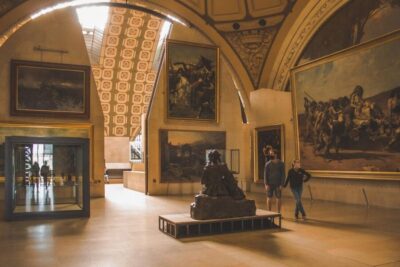
Orsay’s secret weapon: the station itself
Most museums show art. Musée d’Orsay does something smarter. It uses its own bones as the first exhibit.
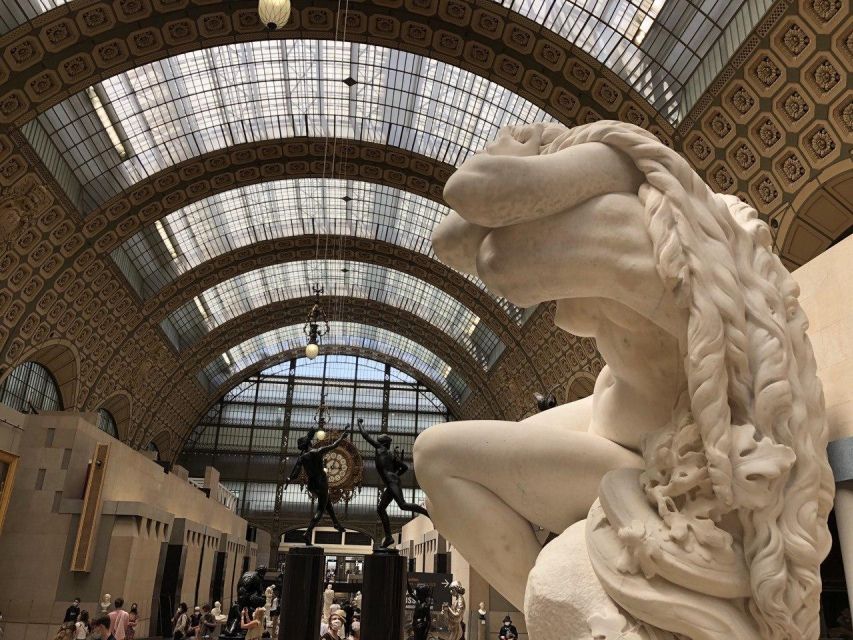
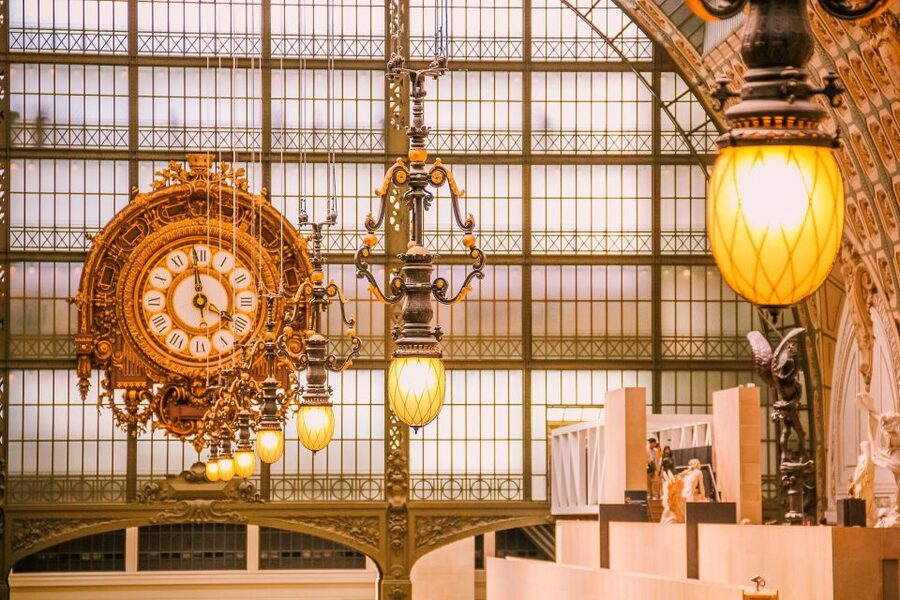
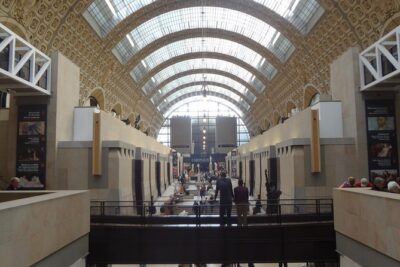
The museum is built in an old train terminal, and it is the only Paris museum where the architecture is treated like part of the display. This station was the first electrified urban terminal station in Paris, and the building became a museum in 1986. So when you walk through the galleries, you are not just looking at 19th-century creativity, you are standing inside a 19th-century machine.
That makes the whole visit feel like a theme, not a checklist. I like museums where you can connect the dots, and Orsay is built for that. The building carries you from art to engineering to urban design without changing venues.
You also get a built-in visual lesson in style changes across the century. As you move through the museum, you see how neoclassicism, neo-Gothic, romanticism, eclecticism, Arts & Crafts, academism, realism, and symbolism all exist in the same place. It is a great reality check: the 1800s were not one look. They were an argument happening in paint, sculpture, and stone.
More Paris tours and experiences for the shortlist



Skip-the-line entry, plus headsets that help in real life
Orsay can be a time sink if you show up at peak hours and have to wait with everyone else. This tour includes admission plus a separate entrance for skip-the-line entry. In practical terms, that means you spend your limited time looking at art, not standing in line.
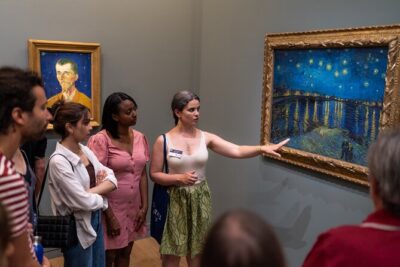
The tour also includes headsets. That sounds small until you use them. In a museum, sound travels poorly, and people drift. A headset keeps the guide’s commentary clear, and it also helps you keep moving at the group’s pace without missing key points.
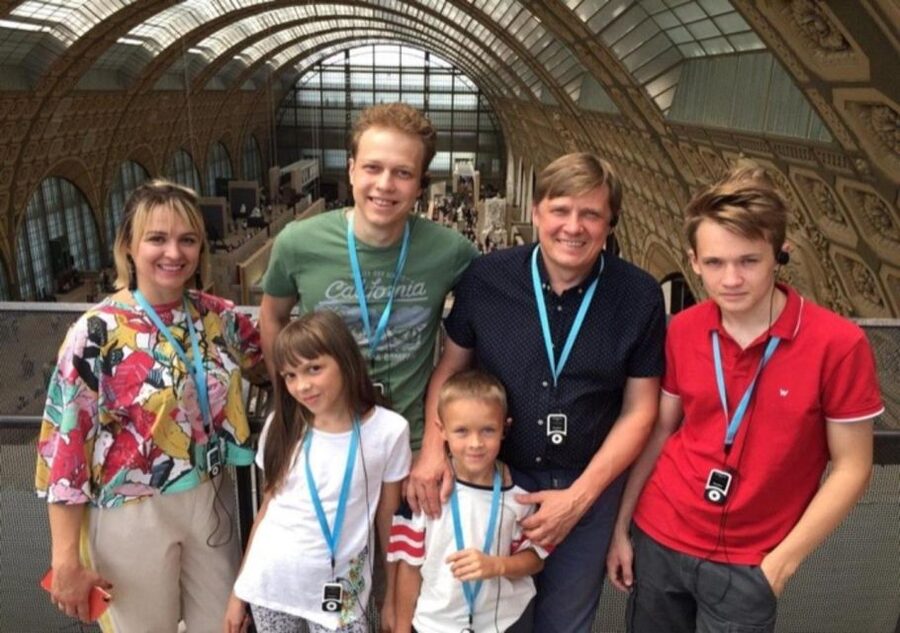
Add in the small-group size, limited to 6 participants, and the visit feels more controlled. You are less likely to get lost in a crowd, and you have a better chance of hearing explanations that link works to the bigger story of the 19th century.
Your 2-hour game plan: what you’ll actually see

This is not an all-day marathon. It is designed as a structured 2-hour overview that hits the big names and the big ideas.
As you walk through the galleries, you will connect several threads at once:
- How Impressionism fits into a much larger 19th-century art scene
- How artists reacted to each other, competed, and borrowed techniques
- How technology changed visual culture, including early photography and film
You’ll also get a list of major works and artists built into the tour. That’s helpful because Orsay can feel overwhelming on your own. Here are the kinds of stops your guide will point you toward.
Impressionism, with Monet, Manet, Renoir, and friends
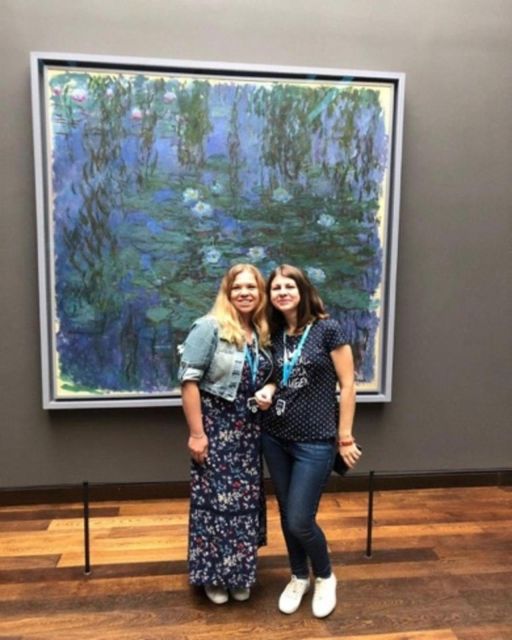
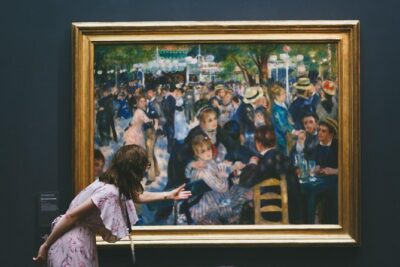
Impressionism is the headline, and you’ll see it through major paintings by Monet, Manet, Renoir, and others. The value here is not just seeing famous images. It is hearing how the guide frames what makes the style feel new for its time: light, color, quick observation, and everyday subjects treated with fresh visual logic.
If you usually like Impressionism but get stuck on what to look for, this tour style helps. You get talking points that steer your eyes, like how the brushwork behaves, or how mood is built through color choices rather than hard outlines.
Cézanne still lifes, and why they matter
Cézanne’s still lives show another side of the century. They connect Impressionism to later modern ideas. If you want a bridge between 19th-century painting and what comes next in art history, Cézanne is a strong stop.
The practical benefit is that the guide can explain what feels odd or tight about the compositions, and why that tightness is part of Cézanne’s method rather than a flaw.
More Paris tours and experiences for the shortlist






Degas and the ballet dancers
Degas is famous for dancers, and this tour includes examples like ballet dancers. This is one of those areas where a guide can make your visit faster. You do not just look at the scene. You learn what Degas was doing with movement, framing, and perspective.
It is especially satisfying if you like art that feels close to real life but still feels staged. Degas hits that sweet spot.
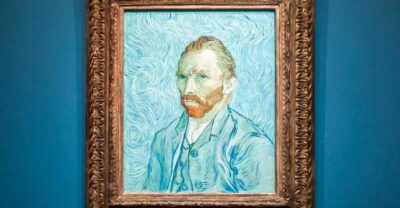
Van Gogh and Gauguin, the creative tension
The tour highlights the concurrence between Van Gogh and Gauguin. That wording matters because it signals the relationship is not only about style. It is about time, influence, and the friction between different approaches.
If you tend to treat artists as separate boxes, this stop helps you see the 19th century as a network of reactions happening during the same era.
Rodin’s sculptures, where you feel the volume
Rodin’s sculptures bring you out of flat painting mode. Seeing sculpture in Orsay is a great reset, because you can shift from brushwork to form.
You also get a guide’s angle on how Rodin’s work reads differently depending on where you stand. That matters because sculpture in museums often gets viewed too quickly from one spot.
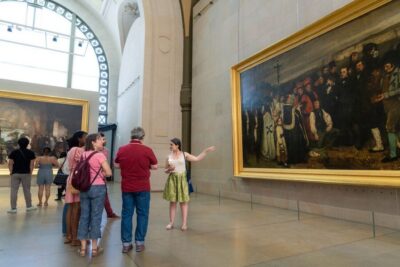
Realists like Millet and Courbet, plus the boldness of Courbet
Orsay also covers realism. You’ll encounter works by Millet and Courbet, including Courbet’s Origin of the World. That painting is provocative, and having a guide helps you handle it with context rather than shock or confusion.
For Courbet, you want to understand why the subject and realism style were controversial, and why it changed the conversation about what painting was allowed to show.
The tech story: early photography, early film, and even a Liberty Statue model
Here’s what makes this tour stand out beyond art alone. You will also see 19th-century technical milestones connected to visual culture, including early photography and the beginnings of movies by the Lumière brothers.
You will also see the first model of the Liberty Statue. That kind of detail is a reminder that the 1800s were not only about new paint styles. It was also about new ways to reproduce images, share spectacle, and build national symbols.
If you like travel experiences that teach you something unexpected but relevant, this tech-and-image thread is the payoff.
Orsay’s architecture lessons, including Palais Garnier and urban design
Orsay is not the only building in this story. Your guide will connect Orsay’s architectural ideas to other Paris landmarks, including the opera house Palais Garnier and the Parisian quarter around it.
That connection helps you read the city better. You start seeing Orsay as part of a larger 19th-century urban plan, not an isolated museum box. You also get a sense of how the city treated grand public spaces, trains, theaters, and galleries as symbols of power and progress.
This is one of the reasons I think a guided format works well here. Without context, you might enjoy the building but miss why it was built, what it represented, and how it fit into the city’s bigger cultural machine.
Guides matter here, and the best ones keep it tight
A museum tour can go one of two ways. It can be either fun but shallow, or deep but slow. This one is built for an efficient overview, and that depends heavily on the guide.
The strongest comments attached to this experience highlight guides who are enthusiastic and very organized, with tight explanations that still cover a lot. Names that show up include Sacha, Deli, and Maria, and the common thread is how they handle both art and Paris history without turning it into a lecture.
You’ll feel the difference in how the tour is paced. The group stays moving. You get hearing support through the included headsets. Then the guide uses the building and the artworks to build cause-and-effect connections: how art styles changed, how tech changed image-making, and how the city changed along the way.
Price and value: about $104, and what you are buying
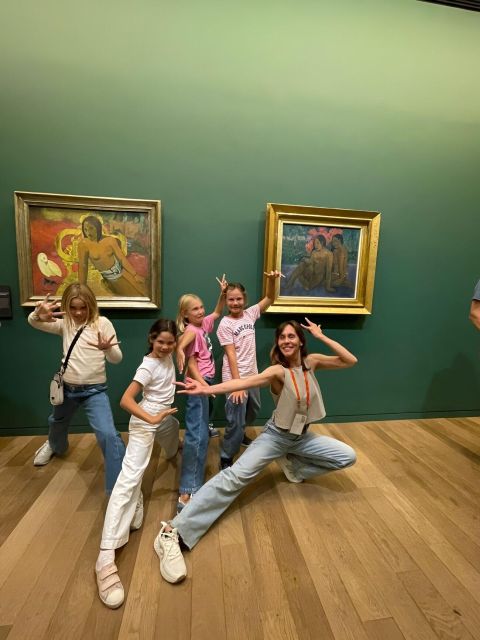
At about $104 per person for a 2-hour tour, you are paying for a bundle, not just a ticket. That bundle includes:
- A licensed professional guide
- Entrance to Musée d’Orsay
- Skip-the-line access
- Headsets for clearer commentary
- A small group limited to 6
The value logic is simple. Orsay is popular, and time spent in lines cuts directly into the amount of art you can see. A guided plan also helps you focus on the works that give you the strongest 19th-century snapshot rather than wandering and hoping you find the right highlights.
If you are the kind of traveler who likes to prioritize museums but also wants context, the cost is easier to justify. If you prefer total freedom, this may feel structured. But for most people, Orsay is exactly the sort of museum where a guide can save you from overwhelm.
Where to meet under the elephant, and a quick fix if it’s gone
Meeting point is at the main entrance of Musée d’Orsay, under the statue of an elephant, look for the guide with a yellow sign that says My Super Tour.
Here’s the practical consideration. Sometimes the elephants at the entrance can be moved or not visible. If you do not see them right away, don’t panic. A quick call to headquarters helps you pinpoint the meeting spot, and your guide can guide you in the right direction.
My advice: arrive a few minutes early, scan for the yellow sign, and if you feel stuck, contact the provider instead of drifting around the entrance. It keeps your start calm and on time.
Is this tour for you?
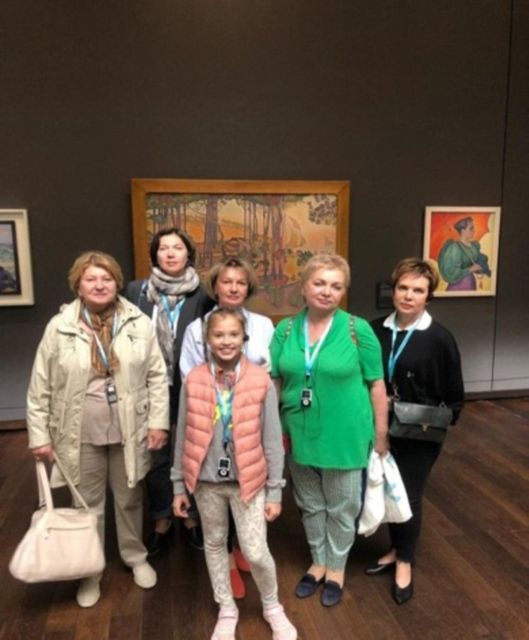
This experience is a strong fit if you:
- Want a 2-hour overview of Impressionism plus key realists and sculptures
- Like hearing how the museum building itself ties into 19th-century design and technology
- Prefer a small group with hearing support
- Want a guide who can keep the pace efficient while still explaining what matters
It may be a weak fit if you:
- Need wheelchair accessibility (the tour is not suitable for wheelchair users)
- Want an unlimited slow, browse-only visit with no structure
- Plan to spend your whole day at Orsay instead of using a guide as your anchor
Should you book My Super Tour at Musée d’Orsay?
If you want the highlights, plus the big picture about why the building is part of the art story, I think this is worth booking.
This tour shines when you have limited time and you want to leave with more than a few favorite paintings. You’ll connect Monet, Manet, Degas, Cézanne, Van Gogh, Gauguin, Rodin, Courbet, and the realist movement to the bigger 19th-century leap in visual culture, including photography, film beginnings, and even the Liberty Statue model.
And if you like low-stress museum starts, the skip-the-line access and headsets do real work.
If you are on the fence, decide based on your visit style. If you want structure and context, book. If you want total independence and you’re fine with the Orsay crowd and slower entry, you can plan your own route. But if you have two hours and you want them to count, this is a solid choice.
FAQ
How long is the Musée d’Orsay Impressionists skip-the-line tour?
The tour duration is 2 hours.
Where do I meet the guide?
Meet under the statue of an elephant in front of the main entrance of the Musée d’Orsay, and look for a guide holding a yellow My Super Tour sign.
Is skip-the-line entry included?
Yes. You skip the waiting line through a separate entrance.
What is included besides the museum ticket?
It includes a professional licensed guide, entrance ticket, skip-the-line access, and headsets for better hearing of the guide’s comments.
What group size should I expect?
It is a small group limited to 6 participants.
What languages are offered?
The live tour guide is available in English and Russian.
What art and artists are covered?
The tour includes major Impressionist works by Monet, Manet, Renoir and others, plus Cézanne, Degas, Rodin, Millet, Courbet (including Origin of the World), and the concurrence between Van Gogh and Gauguin.
What else besides painting will I see?
You’ll also see sculptures by Rodin and you’ll get context around 19th-century photography and movies, including the beginnings of photography and film by the Lumière brothers, plus the first model of the Liberty Statue.
Is the tour wheelchair accessible?
No, it is not suitable for wheelchair users.
Can I cancel for a refund?
Yes, you can cancel up to 24 hours in advance for a full refund.
More Skip the Line in Paris
More Tickets in Paris



More Tour Reviews in Paris

Not for you? Here's more nearby things to do in Paris we have reviewed












Orsay Museum Tours, side by side.
 ★ 4.7Orsay Museum Entry TicketTickets from $1525,647 guest reviews
 ★ 4.4Orsay Museum Entry Ticket and Digital Audio Guide AppTickets from $313,170 guest reviews
 ★ 5.0Paris in a Day: Louvre or Orsay, Eiffel Tower, City Walk & CruiseTickets from $1571,956 guest reviews
 ★ 4.5Musée d’Orsay Skip-the-Line Tour with Expert GuideTickets from $671,145 guest reviews
 ★ 4.8Musée d’Orsay Skip-the-Line Tour with Expert GuideTickets from $821,088 guest reviews
 ★ 5.0The Musée d’Orsay Guided Tour Orsay Museum Semi-Private 6ppl MaxTickets from $144904 guest reviews
 ★ 5.0Louvre & Musée d’Orsay Guided Museum Tour Semi-Private 6ppl MaxTickets from $288619 guest reviews
 ★ 4.5Paris Musée d’Orsay Fully Guided TourTickets from $71556 guest reviews
This tour also belongs to