
Review · MONTMARTRE TOURS
Paris: Montmartre Private Walking Tour
Montmartre makes Paris feel personal fast. This private 2-hour walk turns the hilltop neighborhood into a clear story of artists, cabarets, and the messy path from suburb to icon. You’ll follow key streets and landmarks, hear how Impressionism took shape, and spot the famous spots that still feel like stage sets.
I love the guide-first setup. You get a real, personal conversation as you move through the district, and the quality shows in the way guides like Boris and Isabella are praised for fun, sharp explanations and keeping kids engaged. I also love the route’s mix of famous and specific details, from Metro Blanche to Lapin Agile, not just generic views.
One thing to consider: the walk includes climbs like Rue Lepic, so wear good shoes and expect uneven, hilly streets. It runs rain or shine, so pack for weather and you’ll be fine.
Key highlights worth planning around
- Rue Lepic and the Impressionist backstory: Walk uphill with the art movements of Paris in mind, not just photos.
- Cabarets where the Can-Can took shape: See where the show culture grew, with stories that match the neighborhood’s edge.
- Place du Tertre’s village feel: Street artists and square energy make it easy to see why Montmartre has that old-meets-new vibe.
- Montmartre vineyards at Vigne de Montmartre: A surprising pocket of grape culture right in the city.
- Lapin Agile and the artist hangout: You’ll visit a cabaret tied to struggling writers and artists, including Picasso and Modigliani.
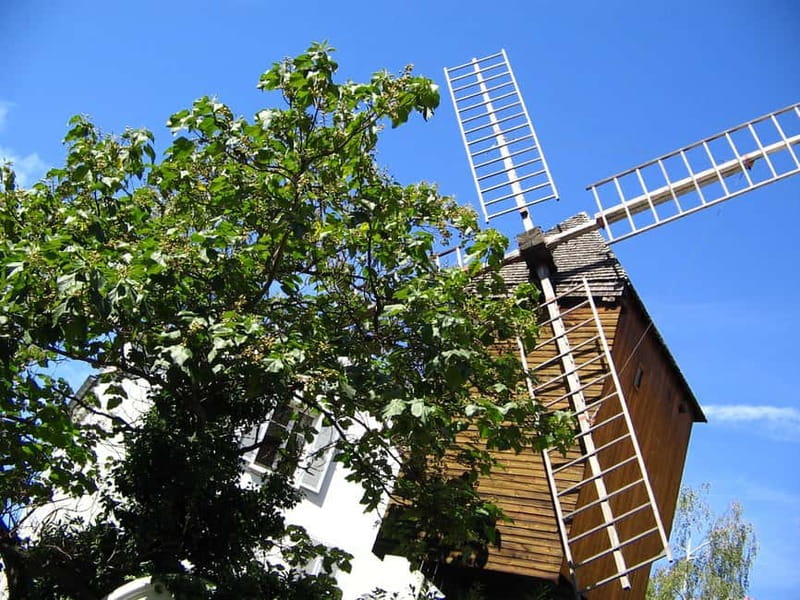
- Metro Blanche, Moulin Rouge, and Moulin de la Galette: Major landmarks help you connect the dots as your guide explains what changed over time.
Why a private Montmartre walk is worth it
Montmartre is one of those places where you can easily wander for hours and still not feel like you truly understood it. This tour fixes that with a focused, guided walk that stitches together the big landmarks and the smaller street-level details. You’re not just ticking off famous names, you’re learning what they meant when Montmartre was going through big social and artistic changes.
The private format matters. In a group, you often end up waiting for someone else’s pace or losing the chance to ask questions. Here, your guide can tailor the rhythm to your group, and that shows in the reviews. People call out how guides keep energy up even for kids, which tells me the storytelling is paced, not lecture-style.
At $171 per person for a 2-hour private tour, it’s not a cheap impulse buy. But you are paying for time with a guide, plus a route that hits multiple Montmartre “must-knows” in one go. For many first-time visitors, the value is that you leave with a mental map, not just pictures.
You can also read our reviews of more walking tours in Paris



Meeting at Metro Blanche and getting your bearings
The tour starts where the neighborhood energy begins: by the exit of Metro Blanche. Your guide will be carrying a red canvas tote bag, so you can spot them quickly.
This is a good start point because it places you near major Montmartre references early. Your guide also connects Metro Blanche’s past, which helps you understand why these streets feel layered. Instead of seeing a line of landmarks in isolation, you’ll connect them to the neighborhood’s shift over time.
The tour ends back at the same meeting point, which keeps things simple. You do not have to solve the puzzle of how to get yourself back while your legs are already climbing hills.
The Montmartre story you’ll hear as you walk
Montmartre didn’t start as a postcard. It was once outside the city’s jurisdiction, and that mattered. Your guide frames the area as a place where rules were looser, nightlife was riskier, and reputations could swing dramatically. Expect stories about illegal alcohol and the scandal surrounding early Can-Can dancers.
You also get the contrast that makes Montmartre so believable. The tour route includes examples of lavish houses beside run-down slums, which helps you see how “bohemian” wasn’t just a mood, it was a reality for different people at different levels of life. Your guide uses those contrasts to explain why the neighborhood became a magnet for artists.
It’s the kind of context that changes how you look at walls, windows, and street corners. Suddenly the neighborhood reads like a living timeline rather than a themed attraction.
Rue Lepic: the uphill street tied to art movements
A highlight is the climb along ancient Rue Lepic. This is one of those Montmartre streets where the slope makes every step feel like part of the story. Your guide brings you to the idea that Rue Lepic is linked to where key art movements of Paris began taking root.
You’ll walk with the Impressionist angle in mind, and that makes a difference. Instead of treating art history as names and dates, you begin to notice why artists were drawn here, what kinds of scenes and contradictions they were reacting to, and why this neighborhood shaped how people made and sold art.
Even if you already know the big terms, you’ll likely pick up a fresher sense of what came first: the streets, the nightlife, the low-rent creativity, then the fame.
Moulin Rouge, Moulin de la Galette, and the Can-Can legacy
As you work your way through Montmartre’s famous centers, you’ll see landmarks tied to show culture, including Moulin Rouge and Moulin de la Galette. Your guide connects these to the Can-Can story, including how the famous cabarets fit into the neighborhood’s rise.
The tour doesn’t treat the Can-Can as just a dance. It’s framed as part of Montmartre’s reputation, including the tension between what people wanted to watch and what authorities wanted to control. That’s where the humor and the slightly edgy details show up, and why Montmartre tours feel different from polished museum tours.
You also get Metro Blanche, described as formerly Maison Blanche. Knowing the earlier name early on helps you understand the way Montmartre has kept reinventing itself around nightlife and entertainment.
You can also read our reviews of more private tours in Paris






Place du Tertre: the village square inside the city
Next up is Place du Tertre, which your guide frames as a core village-like pocket right in the metropolis. This stop is about more than views. It’s where street art energy becomes a main character.
You’ll see street artists at work, and your guide explains why this square fits the Montmartre brand without feeling like a total theme park. It’s the kind of place that makes you pause naturally, because the motion of artists, passersby, and the square’s tight geometry gives you a sense of old Paris texture.
For photo lovers, this is also a practical stop. You’ll get a chance to reset your bearings and catch your breath after the earlier walking.
Sacre Coeur area and the Rue Lepic climb payoff
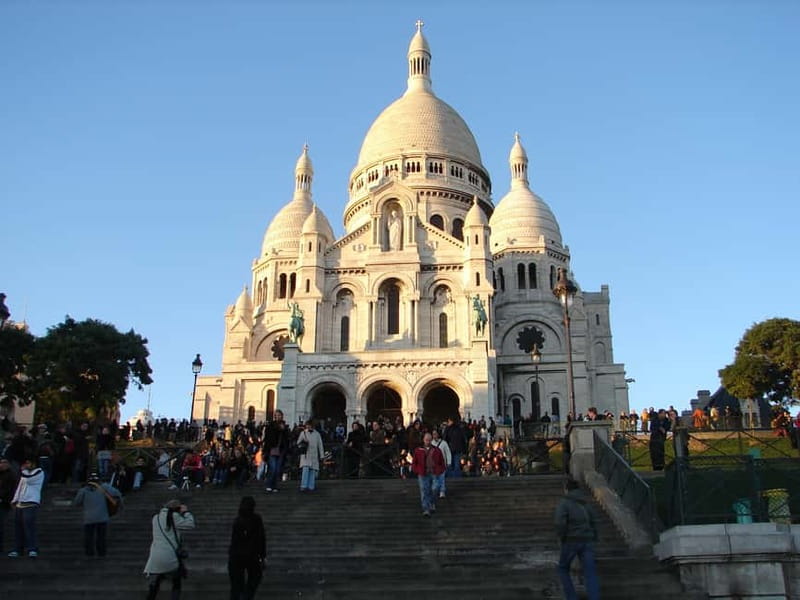
The tour includes the climb up toward the white façade of the Sacré Coeur. Even if you’ve seen pictures, it plays differently when you reach it on foot. The height changes the angles, and the neighborhood below starts to feel like a stage you’re stepping onto.
This is also where the earlier art-history talk clicks into place. Your guide connects the visual drama to why Montmartre became such a strong creative magnet. The hill is part of the message here.
Practical tip: because the route climbs, take your time on the upward stretches. The tour is only 2 hours, but you still want the best views, not just a sprint.
Vigne de Montmartre: grapes in the middle of the city
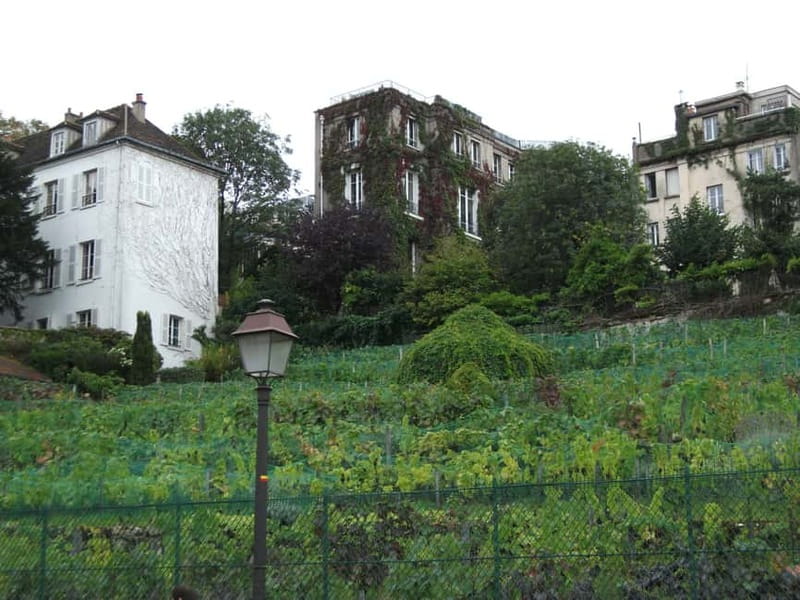
Then comes a surprise that makes the tour feel less predictable: the vineyards of the Vigne de Montmartre. Seeing grape cultivation tucked into Montmartre gives you a different angle on the neighborhood’s past. It’s not only cabarets and art studios, it’s also a place where agriculture left real traces.
Your guide uses this stop to show how Montmartre’s identity evolved. The area didn’t flip overnight from working life to art fame. Instead, layers stayed, and the tour helps you notice them.
If you love small surprises, this is one of the stops that helps the whole tour feel more like a walk through real geography rather than a list of monuments.
Lapin Agile cabaret and the artists who came for the night
One of the most memorable stops is Lapin Agile. Your guide explains how it became a favored spot for struggling artists and writers, including Picasso and Modigliani. That detail matters. It’s easy to see a cabaret and think of it as pure entertainment, but here it’s tied to the working side of creative life.
Lapin Agile also fits the tour’s overall tone: Montmartre isn’t shown as polished and perfect. It’s shown as a place where people tried to make art and survive at the same time. That’s why the Picasso and Modigliani name drops work. They connect the landmarks to human needs, not just famous names.
If you like your history with personality, this is the stop that delivers it.
The tour pace, group size, and what private really means here
This is a private group tour. You’re not squeezing into a tight walking cluster with strangers, which makes it easier to hear your guide and keep your own pace. That matters on hill streets, especially if your group includes different ages.
Based on feedback, the guides run tours in a way that works for families. People specifically mention two boys aged 10 and 12 having fun listening, which tells me the tour stays animated and easy to follow. If you’re visiting with kids, this kind of narrative-driven walking can be more effective than sitting through indoor explanations.
For timing, you’ll want to plan for a full 2-hour block on your feet. The tour covers multiple key points, and the climbs are part of the experience. If you’re coming in from lunch, give yourself a little buffer so you’re not rushing right away.
What’s included, what’s not, and how to plan your day
What’s included is simple: you get the guide.
Not included: food and drinks. That’s not a problem if you plan ahead. If you want a snack or drink, build that into your schedule before or after the tour. Because it’s only 2 hours, you’ll want quick access to what you need without turning the walk into a long stop-and-start.
Weather: it runs rain or shine. Bring a rain layer or poncho, and consider shoes with grip.
Also, the tour is offered in multiple languages, English, French, and Serbo-Croatian. If you have a preference, it can help you get more out of every stop.
How the price stacks up for value in Montmartre
Let’s talk value. At $171 per person, you’re paying for a private guide and a tight route that hits:
- Metro Blanche and major nightlife landmarks like Moulin Rouge and Moulin de la Galette
- Rue Lepic and the Sacré Coeur area
- Place du Tertre and street artist life
- Vigne de Montmartre vineyards
- Lapin Agile with artist connections tied to Picasso and Modigliani
If you tried to stitch this together alone, you’d still spend money on transit and you’d likely spend more time searching for what to prioritize. More importantly, you’d miss the explanatory thread: illegal alcohol stories, the Can-Can controversy, the contrast of lavish houses and run-down areas, and how Impressionism ties to the neighborhood’s rise.
Where the price becomes a good deal is when you actually care about context. If you want only quick sightseeing, a self-guided stroll might feel cheaper. If you want your Montmartre to make sense, the private guide is the value engine.
Who this tour suits best
This tour is a great match if:
- You want a guided storyline through Montmartre, not just a checklist
- You like art history that stays connected to real streets
- You want both famous sights and specific stops like Lapin Agile
- You’re traveling with kids who do better with interactive storytelling
It may be less ideal if you expect a fully flat walking route or you want lots of long sit-down breaks. The climb and the 2-hour pace are part of the design.
Should you book it? My take
Book this tour if you want Montmartre to feel legible. The combination of Rue Lepic, Place du Tertre, the nightlife landmarks, and the artist-leaning stops at Lapin Agile is exactly what makes the neighborhood special. The private format, plus guides praised for engaging English and keeping even younger listeners interested, is a strong reason to choose it over solo wandering.
Skip it only if you’re happy with a general look around and you do not care about the connective stories. For art and culture travelers who want to understand how Montmartre earned its reputation, this is one of the more efficient ways to do it in just 2 hours.
FAQ
How long is the Paris Montmartre private walking tour?
It lasts 2 hours.
What is the price per person?
The price is $171 per person.
Where do I meet the guide?
Meet your guide by the exit of Metro Blanche. They will be carrying a red canvas tote bag.
Where does the tour end?
The tour ends back at the meeting point.
Is this a private tour?
Yes, it is a private group experience.
What languages are available for the guide?
The tour guide is available in English, French, and Serbo-Croatian.
What is included in the tour price?
The guide is included.
Are food or drinks included?
No. Food and drinks are not included.
Does the tour run in bad weather?
Yes, it runs rain or shine.
Can I cancel and get a refund?
You can cancel up to 24 hours in advance for a full refund.
More Walking Tours in Paris



More Tours in Paris






More Tour Reviews in Paris






Not for you? Here's more nearby things to do in Paris we have reviewed












Montmartre Tours, side by side.
 ★ 5.0Montmartre Hidden Gems and Scenic Highlights Walking TourTickets from $382,684 guest reviews
 ★ 5.0Montmartre Hill French Gourmet Food and Wine Tasting Walking TourTickets from $1452,588 guest reviews
 ★ 4.8Montmartre Cheese, Wine & Pastry Guided Walking TourTickets from $1272,255 guest reviews
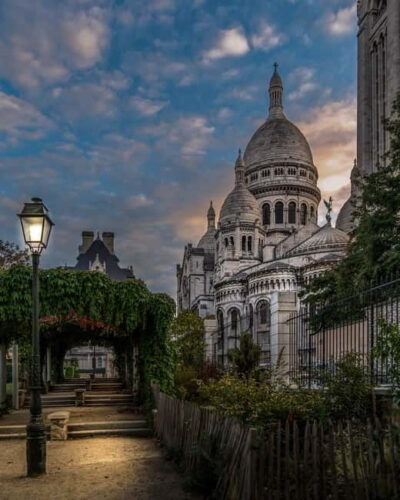 ★ 4.9Montmartre Highlights Walking Tour with a Local GuideTickets from $341,668 guest reviews
 ★ 5.0Private Montmartre Food Tour with Wine, Cheese & PastriesTickets from $3021,027 guest reviews
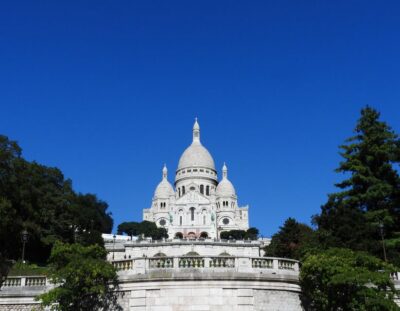 ★ 4.1Sacré-Coeur and Montmartre Tour with Expert GuideTickets from $281,027 guest reviews
 ★ 5.0Paris Montmartre Food Tour – A Full French Meal by Do Eat BetterTickets from $95877 guest reviews
 ★ 5.0Hidden Montmartre: Paris’ Secret Streets Walking TourTickets from $44809 guest reviews
This tour also belongs to