
Review · MONTMARTRE TOURS
Impressionist Paris: d’Orsay & Montmartre Exclusive Guided Tour
One afternoon, two sides of Paris art. You start at Musée d’Orsay for Impressionist and Post-Impressionist highlights, then head into Montmartre to connect paintings to the streets and people behind them. I love that this is built around a guide who can link technique to place, and I also love the reserved-entry museum timing that keeps the day moving.
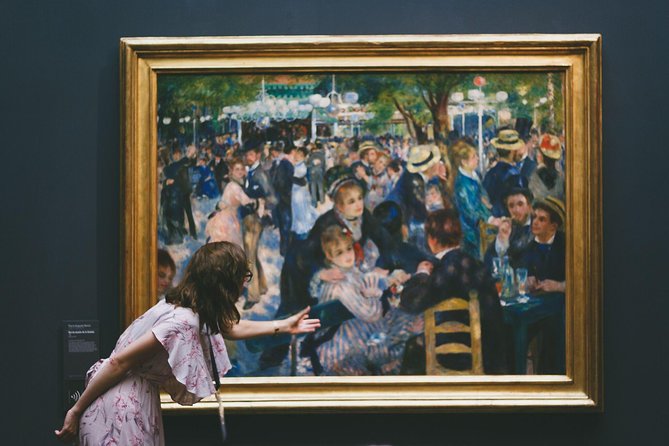
The best part for me is the private guide attention and the way you get to see famous works like Manet’s Luncheon on the Grass and Renoir’s Dance at Le Moulin de la Galette, then carry that momentum up Montmartre’s hill. You’ll also get private transport from Orsay to Montmartre, which saves time and reduces hassle when you are ready to walk.
One thing to weigh: this is a walking-heavy afternoon on cobblestones, and you will also need to plan for a few stops where entry tickets are not included (like the Moulin Rouge and Van Gogh’s house).
Key things to love (and plan for)
- Reserved entry at Musée d’Orsay, so you can spend more time looking and less time waiting
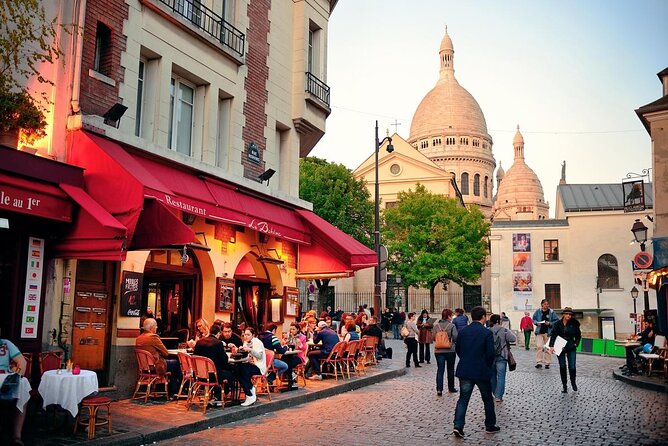
- Art to street connections, with Montmartre stops tied to painters and art rebels
- Private transport to Montmartre, so you start the climb with less friction
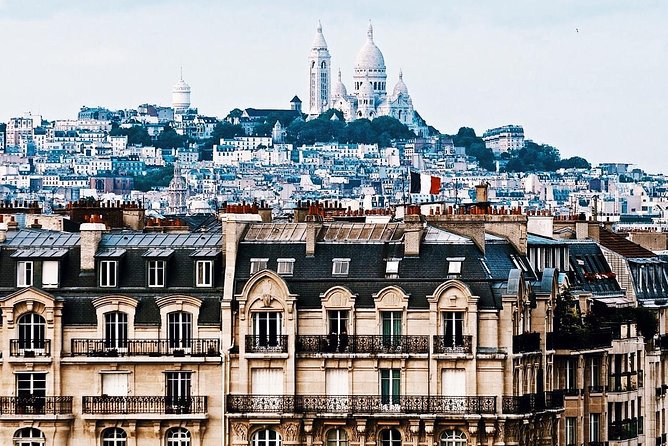
- Basilique du Sacré-Cœur included, with strong photo potential from one of Paris’s highest points
- A tight 5.5-hour format, meaning you get focus, but not unlimited wandering
Inside Musée d’Orsay: Impressionism in a former train station
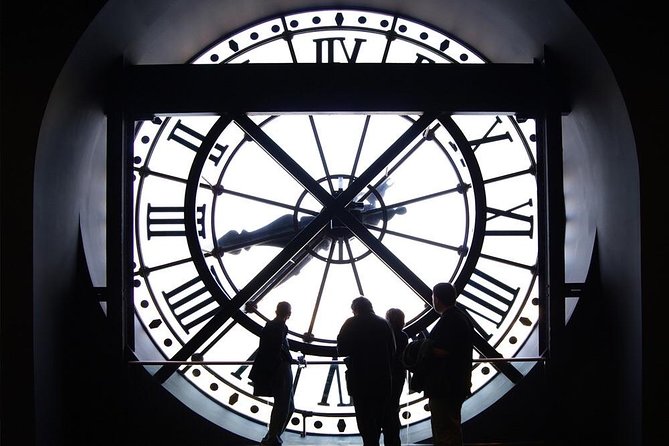
Musée d’Orsay sits in a 19th-century Beaux-Arts building that used to be a railway station. That setting matters, because it makes the museum feel like part of the same 1800s story you are looking at. You will walk in with your guide and get oriented fast, instead of wandering room to room and hoping you land on the right paintings.
Orsay is designed for art lovers who want to see the change in styles in one place. The tour route is built around the lead-up to Impressionism, then the movement itself, then the next push into Post-Impressionism. Expect your guide to connect the dots between what artists were reacting to and what they tried next, not just toss names at you.
You can also read our reviews of more guided tours in Paris



The paintings you will focus on at Orsay
This tour is not a “see everything” mission. It is a highlights approach with enough context to make the highlights mean something.
You start with the kind of art that helps explain why Impressionism happened when it did. Your guide points out works such as Manet’s Luncheon on the Grass and Renoir’s Dance at Le Moulin de la Galette, then uses those as springboards to talk about the artists who came before. You will hear the story of the shift in subject matter and technique, including references like Millet and The Gleaners, which helps frame why later painters looked at the world differently.
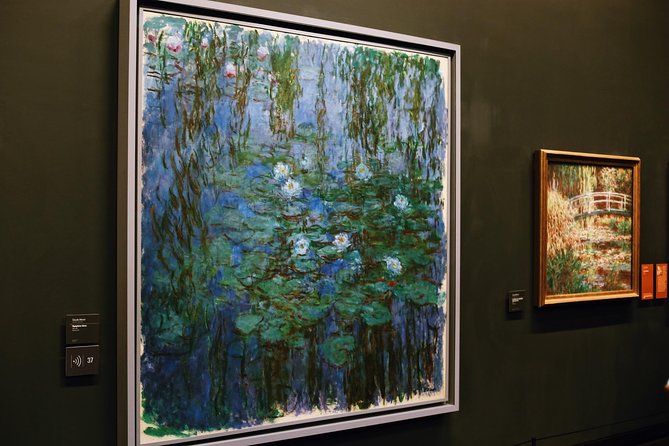
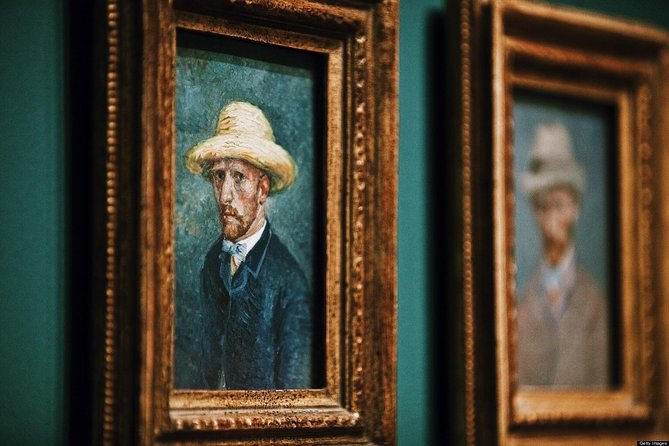
Then the tour moves through the Impressionist core, including Claude Monet. One example included in your museum journey is Monet’s poppies, which is great for understanding how color and light do the heavy lifting. The tour also connects forward to Post-Impressionism, with Van Gogh’s Bedroom in Arles on display. Even if you think you only “know Van Gogh,” this is a smart way to see how he fits into the bigger art timeline.
Why the guide matters so much here
Orsay can feel huge, and Montmartre can feel chaotic. The value of a private guide is that you stop guessing and start seeing what to notice.
From the guide stories shared by other visitors, the common theme is that the best guides make the art feel personal. People named guides like Lili, Michele, Belen, Lucien, Mattieu, Daniel, Harriet, and Laura as standouts, and the pattern is clear: they do not just list facts, they explain why these paintings looked the way they did and what the artists were taking risks on.
You also get practical pacing choices. The tour experience is built so you can manage your time inside Orsay, then adjust how you want to spend moments in Montmartre. If you care about a few specific works more than checking every room, a guide can help you do that without losing the main arc of the tour.
Reserved entry and the reality of museum lines
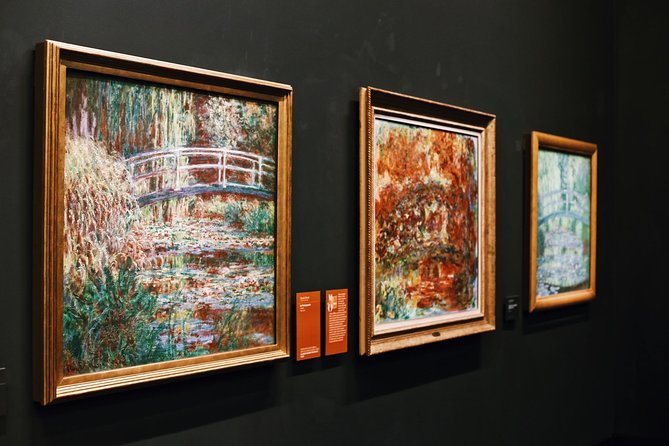
The tour includes entrance fees, with reserved entry included. In practice, that usually means you avoid the worst waiting. Still, the fine print is real: some rooms may have quiet or restricted rules for speaking, and security can mean lines happen in certain areas.
Two things you should take seriously before you go:
- Orsay has bag rules. Large bags and suitcases are not allowed inside. Plan on a handbag or small, thin pack for security.
- Some rooms limit conversation, so your guide will pre-frame what to expect before you enter those areas.
The switch from museum to street: private car to Montmartre
After Orsay, you take a private car to Montmartre. That transfer is not just convenience, it changes the experience. You land in the neighborhood ready to walk, instead of spending part of your afternoon wrestling with transit while your feet are already tired.
Then comes the Montmartre rhythm: a short break, then a hill climb starting at the base. Your guide walks you through why this area mattered to painters, connecting the artistic stories to the actual streets where those artists lived and worked.





Montmartre walking tour: the famous places and the artist logic
Montmartre is famous for a reason, but it can also feel like a loop of souvenirs. This tour focuses on the art angle and the specific spots tied to Impressionist-era names.
You begin near the windmill area, where the Moulin Rouge windmill still spins slowly. Your guide links that scenery to Renoir’s Bal du moulin de la Galette, which is exactly the sort of “wait, I get it now” moment you want on this type of tour.
As you head uphill, you also pass the Moulin Rouge area, known as a cabaret tied to artists such as Toulouse-Lautrec. This matters because it shows you that Montmartre was not just a pretty view. It was a working art district with performers, nightlife, and audiences.
Sacré-Cœur and the view that makes the climb worth it
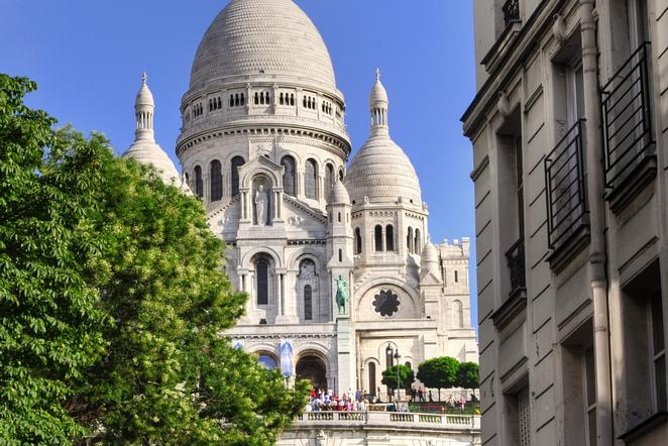
Reaching the top is the payoff. You enter the Basilica of Sacré-Cœur, completed in 1914 and dedicated to the Sacred Heart of Jesus. The interior includes one of the world’s largest mosaics depicting Jesus Christ, so you get more than a quick “look from outside” stop.
You will also have time for photos and views from one of Paris’s highest points. If the weather is clear, this is where the whole afternoon snaps into focus: painting scenes and city reality line up in your mind.
The Montmartre details you might otherwise miss
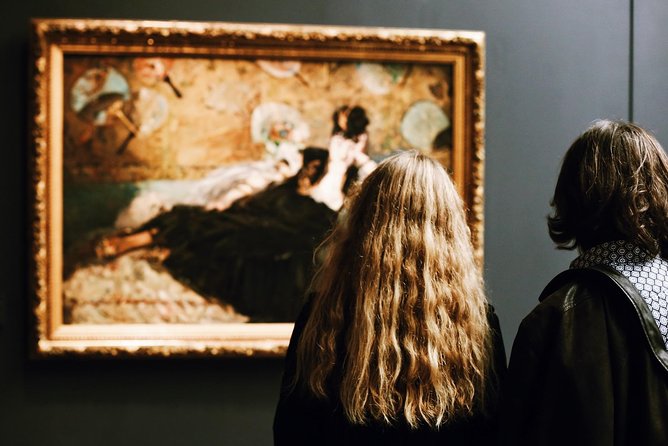
What makes this tour feel special is that it does not stop at the big postcard stops. You also pass by smaller landmarks that give texture to the neighborhood.
Some of the included stops with time for pictures or short looks include:
- Place Dalida, a square dedicated to the French music icon
- Jardin Sauvage de St-Vincent, left intentionally in a fragile state to observe biodiversity and wild plants
- Le Clos Montmartre, a tucked-away hidden vineyard behind the Sacré-Cœur area, one of the last remaining vines in central Paris
- Place du Tertre, where artists set up easels daily, reminding you that Montmartre has long been a place where art is made, not only bought
Even if you are not shopping for art, these stops help you understand why the area attracted creatives in the first place.
Stops with extra tickets: Moulin Rouge, Van Gogh’s house, and more
A smart budget check is that some Montmartre entries are not included.
The tour includes time in the area near the Moulin Rouge cabaret, but admission there is not included. The same goes for Van Gogh’s house on Rue Lepic. If you want to go inside those sites, you will likely need separate tickets.
You also pass by other art-related places where admission is not included, such as:
- Au Lapin Agile, a cabaret tied to the Montmartre bohemian set
- Espace Dali, connected to a museum with Salvador Dali works
- Bateau-Lavoir Saint-Julien, historically known as a meeting and creation space for artists
- La Maison de Dalida, tied to the icon’s home and a specific event in her life
Because these are listed as “pass by” moments with admission not included, you should treat them as context stops. If your priority is seeing interiors, plan extra time and funds.
Walking and timing: how to make this a comfortable 5.5 hours
This is not a sit-down tour. There is a lot of moving, and Montmartre adds friction: cobbled streets and a hill climb.
You should aim for moderate physical fitness. Wear shoes you would wear for a long city walk, not just a museum day. If you hate carrying a bag up stairs and sidewalks, keep it light. Orsay’s bag policy is strict enough that being prepared pays off immediately.
Also, remember the day is paced to fit a specific arc: about 2 hours 30 minutes at Orsay, then the Montmartre portion stretches across multiple small stops with short photo and orientation windows. That structure is great if you like a plan. It is less ideal if you want a slow, open-ended wandering afternoon.
Price and value: what $259.04 buys you
At about $259.04 per person for 5.5 hours, the value depends on how you like to travel.
You are paying for:
- A private guided experience designed for your group
- Entrance fees included, with reserved entry at Musée d’Orsay
- Private transport from Orsay to Montmartre
- A fixed, art-focused route that connects the museum to the neighborhood
If you are visiting for the first time, or if Impressionism is your main interest, this format can feel efficient and worth it. You get the museum story in a way that helps you look, not just pass through. And the Montmartre half avoids the trap of random wandering through crowds.
The price starts to feel less attractive if you already know Orsay well and you mainly want casual sightseeing. In that case, you might prefer a museum ticket plus independent time, then pay for a separate guide only for Montmartre.
Who should book this Impressionist Paris tour
You should book if:
- You want Impressionism and Post-Impressionism tied to real places
- You value a private guide who can explain technique and context
- You prefer reserved entry and a clear structure over trial-and-error museum time
- You plan to walk up Montmartre and you want the big view payoff at Sacré-Cœur
You might skip or adjust expectations if:
- You dislike walking and cobblestones
- You want to spend lots of time inside multiple attractions like the Moulin Rouge or Van Gogh’s house
- You need a totally unstressed, slow pace with lots of long breaks
Should you book it or not?
My take: this is a strong booking for anyone who wants their Paris art day to feel like a story. The Orsay half gives you the paintings and the “why,” then Montmartre turns that into street-level understanding, capped by Sacré-Cœur.
I would book it if Impressionism is your priority and you like the idea of a guide steering you past the hard parts like waiting and confusion. I would think twice if you want a low-footprint day or you plan to do lots of extra paid interiors, because only some entries are included and Montmartre involves walking.
If you do book, go light on your bags for Orsay, and wear shoes that can handle the Montmartre climb. You will feel the difference within the first hour.
FAQ
Where do we meet, and where does the tour end?
The meeting point is Musée d’Orsay, 75007 Paris. The tour ends in Montmartre, 75018 Paris.
What time does the tour start?
Start time is 1:30 pm.
How long is the experience?
It runs about 5 hours 30 minutes.
Is this a private tour?
Yes. It is private, and only your group participates.
Is the tour offered in English?
Yes, it is offered in English.
What is included with the price?
Your price includes the guided museum and walking tour, private transport from Orsay to Montmartre, and all entrance fees (reserved entry included).
Are food and drinks included?
No, food and drinks are not included.
Which Montmartre stops have admission tickets not included?
Admission is not included for the Moulin Rouge, Van Gogh’s house, Au Lapin Agile, Espace Dali, Bateau-Lavoir Saint-Julien, and La Maison de Dalida.
Is there anything I need to know about what to bring or wear?
Orsay requires appropriate dress for entry into some sites, and no large bags or suitcases are allowed inside the museum, only handbags or small thin bag packs.
More Guided Tours in Paris



More Tours in Paris




More Tour Reviews in Paris



Not for you? Here's more nearby things to do in Paris we have reviewed












Montmartre Tours, side by side.
 ★ 5.0Montmartre Hidden Gems and Scenic Highlights Walking TourTickets from $382,684 guest reviews
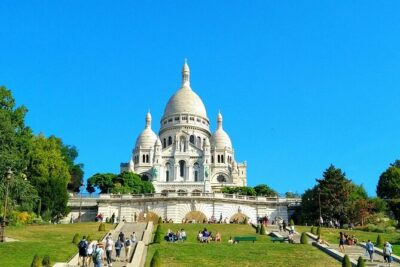 ★ 5.0Montmartre Hill French Gourmet Food and Wine Tasting Walking TourTickets from $1452,588 guest reviews
 ★ 4.8Montmartre Cheese, Wine & Pastry Guided Walking TourTickets from $1272,255 guest reviews
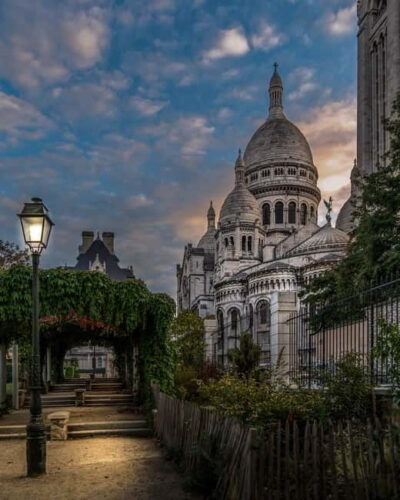 ★ 4.9Montmartre Highlights Walking Tour with a Local GuideTickets from $341,668 guest reviews
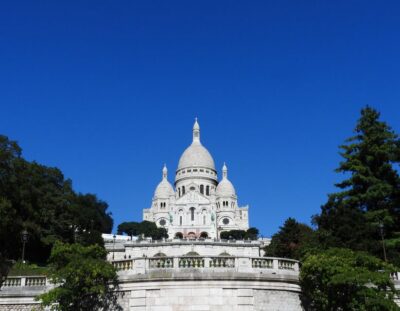 ★ 4.1Sacré-Coeur and Montmartre Tour with Expert GuideTickets from $281,027 guest reviews
 ★ 5.0Private Montmartre Food Tour with Wine, Cheese & PastriesTickets from $3021,027 guest reviews
 ★ 5.0Paris Montmartre Food Tour – A Full French Meal by Do Eat BetterTickets from $95877 guest reviews
 ★ 5.0Hidden Montmartre: Paris’ Secret Streets Walking TourTickets from $44809 guest reviews
This tour also belongs to