

Review · LOUVRE MUSEUM TOURS
Louvre & Musée d’Orsay Guided Museum Tour Semi-Private 6ppl Max
Two museums, one guided rhythm. The Louvre and Musée d’Orsay can feel like an art maze, but this tour brings a small group and expert-led navigation so you do not lose time. The main trade-off is that it is built for highlights, not a full, slow walk through every room.
I like the way the day runs like a tour and a mini-education at the same time: you start at the Louvre’s grand pyramid area, then cross the Seine on foot to Orsay. Expect about 5 hours 30 minutes, with entry to both museums plus a pro guide, and extra time at Orsay afterward if you want to keep exploring. Many guides are praised for making famous works easier to understand, with names like Alessandra, Thibaut, Marcel, Anais, Miriam, and Belen showing up often in people’s accounts.
Key things I’d plan around
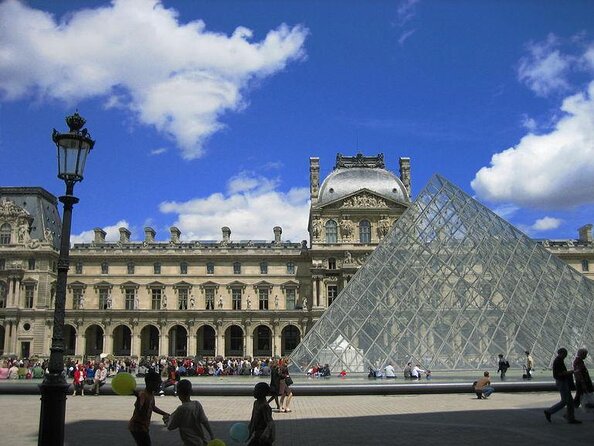
- Small-group format (max 6 travelers) keeps the pace human and your questions more likely to land.
- Louvre + Musée d’Orsay in one half-day is efficient for first timers who hate museum “planning stress.”
- Highlights-focused routing helps you see heavy hitters like the Mona Lisa and the Venus de Milo without getting stuck in the wrong wing.
- Orsay skip-the-line entry matters, because timed entry and security lines can eat your day.
- ID and bag rules are real, so you’ll want to prepare before you go.
Why this Louvre and Orsay combo hits the sweet spot
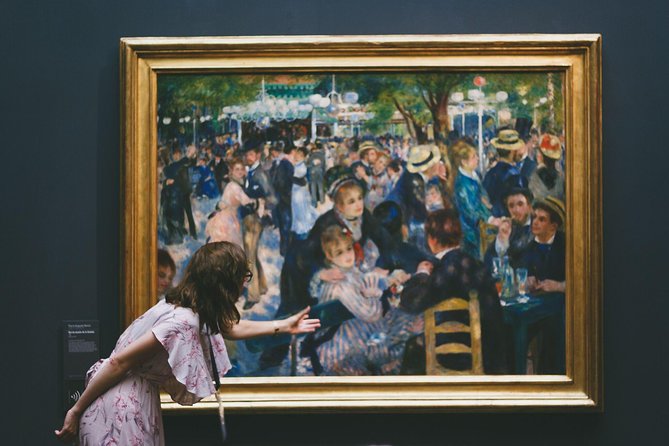
Paris has two big art days: Louvre for classics and Orsay for modern masterpieces of the late 1800s. Doing both in one half-day tour makes sense if you are short on time, or if this is your only chance to get inside these two giants.
What I like is that the structure forces momentum. You get a guided hit list first, then you can slow down a bit afterward. That rhythm works well because both museums reward context: without a guide, it is easy to just look at art without understanding why it matters.
The small-group size is the practical win here. You are not fighting for the guide’s attention, and you are more likely to get answers to your specific questions, like what changed from one art style to another.
You can also read our reviews of more guided tours in Paris



Stop 1: Louvre Museum with a plan for the Mona Lisa crowd
The day starts outside the Louvre at the grand pyramid area, meeting your guide for a 2-hour guided visit inside. The Louvre is enormous, with rooms that can swallow an afternoon. A good tour route is not just about speed, it is about getting you to the right places in the right order.
This visit is built around recognizable masterpieces and a guided story that helps you connect them. You should expect to see world-famous works connected to artists such as Raphael and Delacroix, along with sculptures like the Venus de Milo and paintings like the Mona Lisa. You are also getting the “why” behind what you are looking at, not just facts.
The Louvre part feels efficient, not rushed
In a Louvre tour like this, two hours can sound short, but it is the right length for a first pass. You will likely come away with mental bookmarks: what to look for next time, what style changes to notice, and where to spend your free time later if you return.
The possible drawback: you will not see everything
This is the key trade-off. You are covering highlights, so if you love one specific department, you will still want a longer, repeat visit. One review-style reality check showed up in people’s notes as well: you come out knowing a lot more, but you do not come out having “done the whole Louvre.”
Crossing the Seine: why the break between museums helps
After the Louvre, you walk to Musée d’Orsay, which sits across the Seine. That short transfer does more than move you on the map. It gives your brain a reset, so Orsay does not blur into Louvre.
Also, Orsay often feels calmer than the Louvre. When you arrive fresh, you are more able to notice differences in light, brushwork, and subject matter. That contrast is what makes the two-museum combo satisfying.
Practical tip: wear shoes you trust. Reviews for this kind of combo tour repeatedly mention plenty of walking and stairs. You are going to do a lot of “museum steps,” and Paris pavement is not always nice on tired calves.
You can also read our reviews of more private tours in Paris






Stop 2: Musée d’Orsay and the Impressionist story you can actually follow
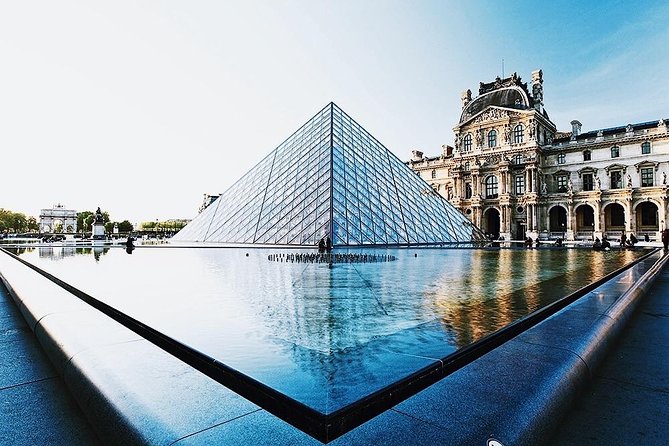
At Orsay, the tour is guided around highlights with skip-the-line entry. That helps, because even with line-skipping, security and crowd flow can still create delays. The payoff is that once inside, you can move straight into the art instead of spending your energy waiting.
This part focuses on the French Impressionist movement, with artists like Renoir, Cézanne, and Monet. The big value of a guide here is explanation of technique: how Impressionist painters handled light and color, and why the look felt revolutionary at the time.
What you should listen for while you look
As you move through Orsay, pay attention to how the guide connects works to ideas. Impressionism is not just a style, it is a shift in how artists saw the world. A good guide helps you spot that shift through what you notice: softer edges, shimmering atmosphere, and brushwork that feels alive rather than polished.
If your guide uses extra tools, that can help too. Some accounts mention audio headsets working well, and even visual comparison support like an iPad. You do not need it to enjoy the art, but it can make connections click faster.
After the guided highlights, you get time to roam
When the Orsay guided portion ends, you can explore more at your own pace if you want. This is where you can slow down and linger in rooms that hooked you during the highlights.
If Orsay becomes your favorite, you will be glad you have this extra time. If the Louvre was the main draw, you can still leave with a solid sense of how Impressionism differs and why it matters.
Small-group size and the real meaning of “ask questions”
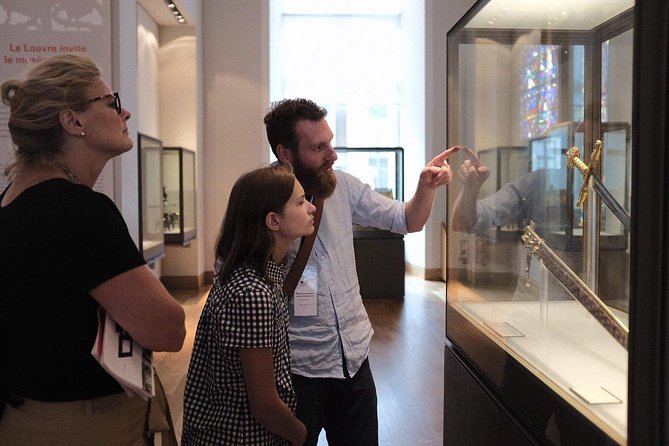
This tour is capped as a small-group experience, with a maximum of 6 travelers on the activity. In the inclusions, the small-group tour is also described as max 8 people. Either way, the point is the same: you are not in a crowd of strangers glued to a single pace.
I love this setup because it changes the “museum math.” In large groups, you spend your time reading signs and hoping the guide repeats key info. In a small group, your guide can adjust the route, slow down near a piece someone cares about, and answer questions on the spot.
A recurring theme in guide feedback is engagement. People describe guides who bring humor, warmth, and genuine art history passion, like Alessandra, Thibaut, Marcel, Anais, Miriam, Mathieu, Julien, Hugo, Oliver, Christina, and Belen. Even when the teaching style differs, the common thread is that the art becomes easier to understand and easier to remember.
What makes the guided focus worth the money

Let’s talk value without pretending this is a bargain. At $288.42 per person, you are paying for three things:
1) Two museum admissions included (Louvre and Musée d’Orsay)
2) A professional guide leading the way
3) Time saved through smarter routing and skip-the-line entry at Orsay
The package also lists a €22 adult entrance ticket as part of the inclusions. The key point for you is that entry is covered, so you are not juggling extra tickets mid-day.
When the math works best is when you are short on time or new to these museums. The Louvre is so big that “DIY” often turns into wandering until you feel tired, lost, and underwhelmed. A guide compresses discovery into a workable window.
The “highlights only” trade-off, again
The price is easier to justify if you accept that this is a best-of plan. If you want to spend hours in one room, you will eventually want a second visit without a tight schedule.
Still, for most visitors, this combo tour is one of the most efficient ways to get an accurate first impression of both museums.
Timing, walking, and what your body needs
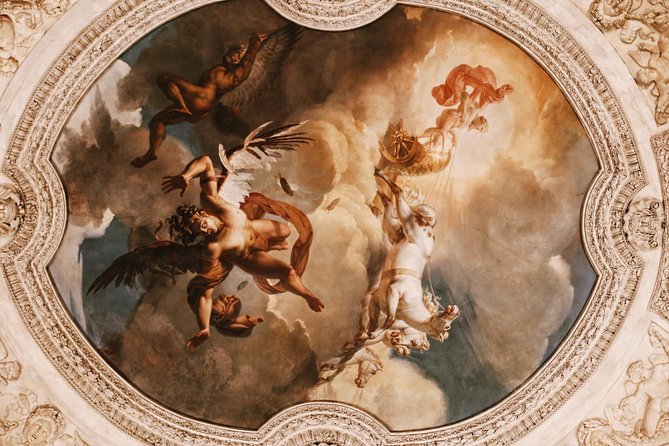
The tour starts at 10:00 am. It runs for about 5 hours 30 minutes. It is a half-day format, so you should plan your day around movement and entry.
Two things to think about before you go:
- Bag and security rules: no large bags or suitcases inside either museum. Only handbags or small thin backpacks are allowed through security.
- Comfort level for stairs and walking: reviews for this style of tour mention a lot of walking and climbing stairs. This is not a sit-down “art lecture” day.
If you are traveling with kids or multiple adults, the small-group size can help keep everyone together. Some guide accounts also mention handling families well, which is a sign the tour often stays friendly and manageable rather than turning chaotic.
Practical prep checklist (so security does not slow you down)
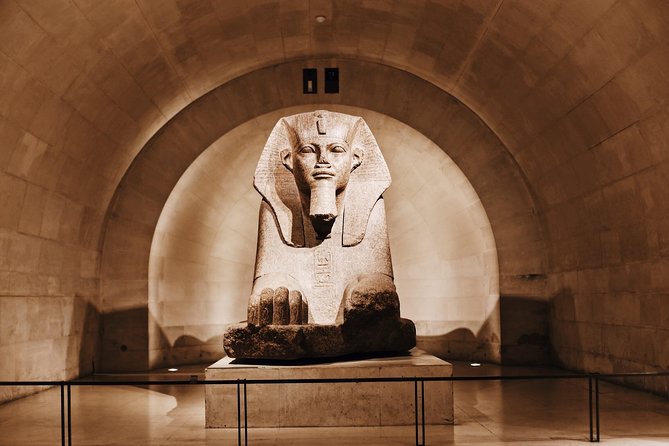
Here is the stuff that can trip people up, plus what to do about it.
Bring ID
All guests must bring ID or a photo of ID, including birth date, because museums require it. If you forget, you could run into problems at entry.
Keep bags simple
Stick to a handbag or small thin backpack. Paris museums can be strict about this, and it is not a place to show up with a backpack that looks like a weekend bag.
Expect possible delays or changes
Occasionally, museums can be subjected to closures. If a museum opening time is delayed more than 1 hour from the tour starting time, you should be given an appropriate alternative. In these cases, refunds or discounts are not available.
Temporary exhibitions are not included
You are focused on the main collection highlights. That is great if you want the “core” masterpieces, but it means you should not expect access to every special exhibit that is running that week.
Who this tour is best for
This is a strong match if:
- You are a first-time Paris visitor who wants both major art stops without turning the trip into a logistics project.
- You want context for famous works like the Mona Lisa, the Venus de Milo, and Impressionist masterpieces by Monet and friends.
- You prefer a guide who can answer questions, because you like learning in real time, not just reading wall labels.
It is less ideal if:
- You already know exactly which rooms you want for a deep, slow art day.
- You hate walking and stairs. Even with a guide, you will be moving for hours.
Should you book this Louvre and Musée d’Orsay tour?
I’d book it if you want a smart first pass at both museums in one half-day and you value interpretation. The combination of small-group pacing, professional guidance, and admission included makes it a practical choice for time-pressed travelers. You will also leave with a clearer sense of how classical art and Impressionism relate, not just a list of things you saw.
I’d pause and rethink if you are looking for a thorough, room-by-room experience, or if you are easily worn out by stairs. In that case, you might be happier with a longer, single-museum plan.
If you do book, do one thing that pays off fast: pack light, bring ID with your birth date, wear walking shoes, and show up ready to see the highlights with a storyteller guiding your eyes. That is the whole point of the day.
FAQ
What time does the tour start?
The tour starts at 10:00 am.
How long is the Louvre and Musée d’Orsay guided tour?
The duration is about 5 hours 30 minutes.
Where do we meet the guide?
You meet your guide at the Musée du Louvre area (the grand pyramid outside the Louvre).
Where does the tour end?
The tour ends at Musée d’Orsay.
Is the tour in English?
Yes, it is offered in English.
How many people are in the group?
This activity is listed with a maximum of 6 travelers, and the tour inclusions also describe it as a small-group tour of max 8 people.
What’s included in the price?
Entry to the Louvre Museum and Musée d’Orsay, a professional tour guide, and admission tickets are included. The tour also includes a €22 adult entrance ticket listed in the inclusions.
Is hotel pick-up or drop-off included?
No. Hotel pick-up or drop-off is not included.
Are temporary exhibitions included?
No. Temporary exhibitions are not included.
What do I need to bring for museum entry?
You must bring ID or a photo of ID including birth date, based on museum rules. Large bags or suitcases are not allowed inside, only handbags or small thin backpacks.
What if one of the museums is closed or delayed?
If a museum opening time is delayed more than 1 hour from the tour starting time, the provider will provide an appropriate alternative. In these cases, refunds or discounts are not available.
Can I cancel for free?
Yes. Free cancellation is available if you cancel up to 24 hours before the experience start time for a full refund.
More Guided Tours in Paris



More Tours in Paris




More Tour Reviews in Paris






Not for you? Here's more nearby things to do in Paris we have reviewed












Louvre Museum Tours, side by side.
 ★ 4.6Louvre Museum Timed-Entrance TicketTickets from $2671,977 guest reviews
 ★ 4.3Louvre Guided Tour with Reserved Access & Boat CruiseTickets from $8116,353 guest reviews
 ★ 4.5Louvre Museum Masterpieces Guided Tour with AccessTickets from $8612,023 guest reviews
 ★ 4.6Louvre Museum Entry Ticket With Host and River CruiseTickets from $1009,926 guest reviews
 ★ 4.1Priority Access Louvre with Host -Direct to Mona LisaTickets from $748,387 guest reviews
 ★ 4.6Mona Lisa & Louvre Masterpieces Tour with Reserved AccessTickets from $806,812 guest reviews
 ★ 5.0Louvre Museum – Exclusive Guided Tour (Entry Included)Tickets from $1816,296 guest reviews
 ★ 4.0Louvre Reserved Ticket and River Cruise ComboTickets from $376,054 guest reviews
This tour also belongs to