
Review · PARIS CITY TOURS
Skip-The-Line Centre Pompidou Paris Guided Museum Tour – Semi-Private 8ppl Max
The Pompidou feels like art before you enter. This skip-the-line semi-private tour helps you get into the museum faster, then uses a small-group guide to connect the big names and major movements, from Picasso and Matisse to Warhol, with clear explanations of Cubism, Dada, and Pop Art.
One possible drawback: the museum uses security checks and sometimes builds small lines anyway, and it is not set up for wheelchair users or people with walking disabilities.
Key Points You Should Know Before You Go
- Skip-the-line, semi-private pace so you spend more time looking and less time waiting.
- Up to 8 people max, which keeps questions alive and the group moving at a human speed.
- Modern art fundamentals, with talk that ties Cubism, Futurism, Dada, and Pop Art to what you see.
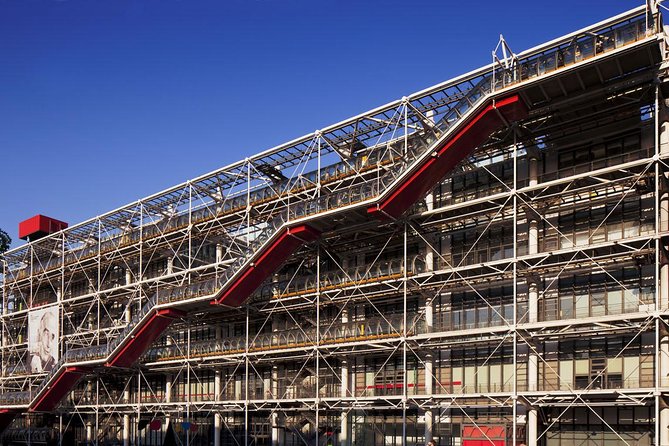
- Building-first experience, including Renzo Piano and Richard Rogers design ideas and the inside-out concept.
- Plan for museum rules, like no large bags inside and some areas where speaking is restricted.
Why the Pompidou Building Changes How You See Art

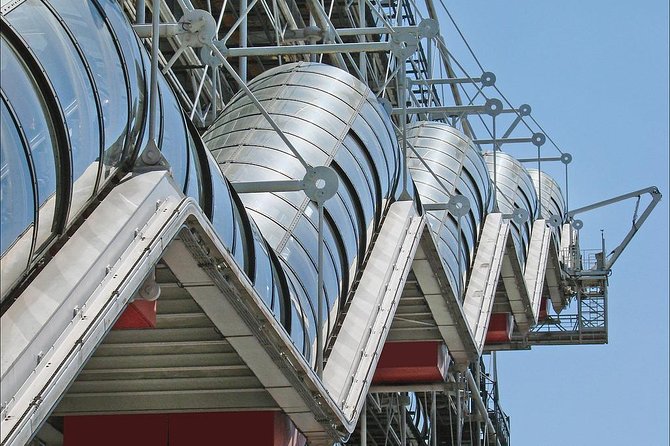
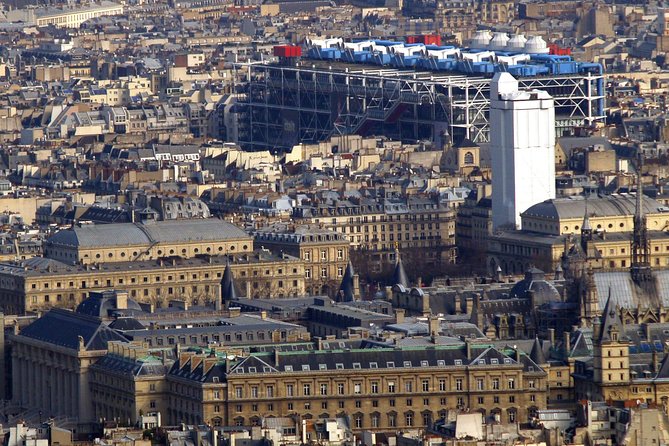
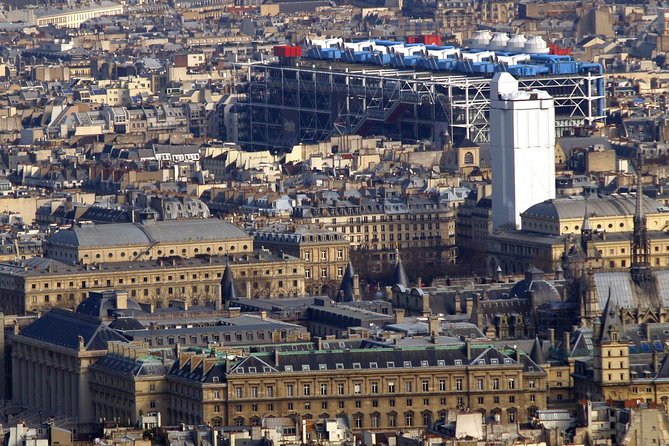
The Centre Pompidou is not subtle. From the first look, it feels like you are staring at a machine, or a bold sketch that grew up. That matters, because on this tour the building comes first, not last.
You will learn about the museum’s color-coded architecture and its inside-out idea, where functions spill into view instead of hiding behind walls. It is a quick way to frame your visit, especially if modern art feels confusing at first.
Then your guide shifts from structure to art, pointing out how the museum’s design matches the mood of what you are about to see: experiments, departures, and sudden turns.
You can also read our reviews of more guided tours in Paris



The Semi-Private 8-Person Limit (And Why It Feels Better)
A small group is not just a comfort perk. It changes how the tour works in the galleries.
With a maximum of eight, you are less likely to get swallowed by a large crowd, and the guide can keep explanations tailored to what you are actually looking at. This also makes it easier to pause for a better view, ask a question, or adjust the pace if you are slower in one room than another.
The feedback quality around the guides also shows up in the names people call out, including Sunday, Belen, and Emma. The common thread is clear communication, with modern art made approachable rather than treated like a closed club.
A 2.5-Hour Walking Route That Hits the Real Highlights
This is a focused tour that runs about 2 hours 30 minutes, starting at the Centre Georges Pompidou in the 4th arrondissement. The tour ends back at the meeting point, so you do not need to think about a complicated transfer at the end.
What I like about the structure is that it is not random gallery wandering. You get a guided sequence that moves through major eras and styles, with the guide giving you language you can use while you look.
You also should know what is not included. Temporary exhibitions are not part of this tour, so your time is aimed at the museum’s permanent collections and its key spaces.
Stop One at the Pompidou: Art Movements, Named Clearly
The main experience begins with the Centre Pompidou itself. Your guide sets the stage, then takes you through the permanent collection as the art history themes build from room to room.
Here is what you can expect to encounter in the tour flow:
- major modern works tied to famous artists, including Picasso and Matisse
- the evolution of styles like Cubism and Fauvism, then later movements linked to World War years
- a shift to Dada ideas and the ways artists responded to chaos and rupture
- a hop into the 1950s and 1960s, where Pop Art comes to the front, including Andy Warhol
This kind of sequencing helps you stop treating modern art like a pile of unrelated objects. You start noticing patterns, like how one movement reacts to what came before.
Picasso, Matisse, and What Cubism Really Changes
When you see Picasso and Matisse under a guided spotlight, the difference is not the paintings themselves. It is what you learn to look for.
The tour focuses on how Picasso connects to Cubism and how Matisse links to Fauvism. Even if you have only a basic sense of those words, the guide turns them into concrete visual clues you can spot: how forms are broken apart, how color acts like a message, and how the mood shifts by movement.
This is where the guide’s talent matters most. If you only arrive with curiosity, modern art can still feel slippery. If you arrive with the right framework, it starts to feel like a conversation.
You can also read our reviews of more private tours in Paris






Dada and the World Wars: When Art Feels Like a Reaction
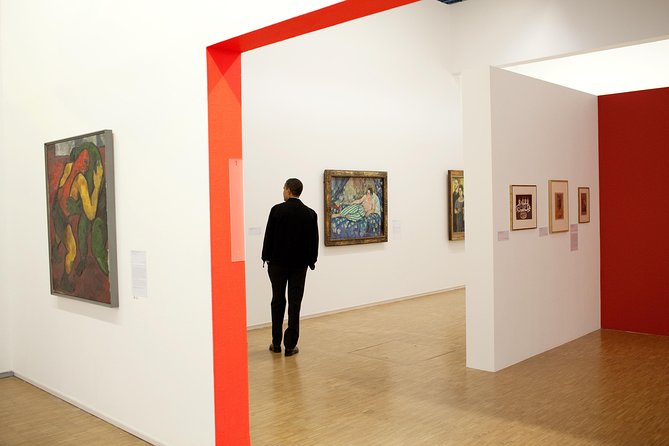
The tour also brings in works made during the World War years, then ties them to Dada. That combination helps explain why some art looks intentionally strange or unsettling.
Dada is often misunderstood as pure nonsense, so a good guide’s job is to show the point: how artists used shock and disruption to respond to their moment. On this tour, you will get that context as you move through the galleries, rather than trying to piece it together later.
If you are the type who likes to understand why artists make the choices they do, this part is worth paying attention to.
Pop Art in the 60s, With Warhol in the Driver’s Seat
When the tour reaches the mid-century and then jumps into the swinging 60s, Pop Art becomes the focus, with Andy Warhol called out specifically.
That matters because Pop Art often carries a built-in tension: it looks playful, but it also comments on fame, media, consumer culture, and repetition. A guided tour keeps you from just identifying subject matter and helps you notice the attitudes behind it.
Even if Warhol is not your favorite artist, you will likely come away with a clearer sense of what the movement was trying to do.
Other Big Names You May See Along the Way
This tour is built around a set of recurring highlights, and the art list includes major names beyond the headline pairings.
Depending on what is on view in the museum’s permanent collection during your visit, you may see artists referenced in the tour approach such as Mondrian and Pollock, as well as Georgia O’Keeffe. The key idea is not just fame, it is the guide’s effort to connect each name to the movement you are studying at that time.
One practical note: some collections can vary through the year, so do not expect every referenced artist to appear in exactly the same room on every date.
Renzo Piano and Richard Rogers: The Museum as a Visual Argument
The Pompidou’s architecture is not background scenery. It is part of the story.
You will hear about Renzo Piano and Richard Rogers and how the building’s unusual design is tied to the museum’s purpose. The inside-out concept helps you understand why the museum can feel conceptual even before you get to the first gallery.
Then there is the physical experience of moving through spaces that feel engineered for display rather than hidden behind traditional styling. It is one reason people who skip modern art sometimes end up liking this place more than they expected.
Dubuffet’s Winter Garden: A Pause From Flat Explanations
A standout included stop is Dubuffet’s winter garden. This is the kind of space that breaks the museum rhythm, and it can be a relief if you feel overloaded by wall after wall of art.
Instead of only looking at paintings or sculptures, the winter garden gives you a different visual texture and a different mood. It is also a reminder that modern and contemporary design is not only about gallery works.
If you like to reset your brain halfway through, this is a welcome part of the tour.
Multimedia Galleries: Making Contemporary Art Less Abstract
The tour also includes multimedia galleries. Modern art often includes sound, video, and other media that require a different kind of attention than a static painting.
Having a guide in those spaces helps you interpret what you are seeing without guessing. Even if you do not share the artist’s taste, you can still understand the structure of the experience, like what is meant to be emphasized and what is meant to be felt over time.
It is also the area where questions from the group can work especially well, because there is usually more to discuss than just identifying a title.
What Skip-the-Line Means in Real Life (And What It Does Not)
Skip-the-line is helpful, but it is not magic. The tour includes skip-the-line admission, yet it notes that some lines may still form on tours with no wait access due to security measures.
Here is how I’d think about it: the goal is to prevent the worst kind of delay, the kind where you lose half your tour standing still. You should still expect some security checks at the museum entrance.
Plan to arrive with a calm mindset. If you are tight on time, it helps to treat the 2.5-hour tour as your anchor, not as a flexible buffer.
Security Rules That Affect What You Carry
This is one of the most practical parts of the experience, and it matters on arrival.
Inside the Pompidou, no large bags or suitcases are allowed. Only handbags or small, thin bag packs go through security. Also, appropriate dress is required for entry into some sites on the tour.
Before you go, pack like you mean it. If you show up with something bulky, you may lose time handling it at security or finding storage options.
Timing: The 5:00 pm Start and Evening Energy
This tour starts at 5:00 pm. That is a smart time for people who want to do art without burning a whole day on one museum.
Late afternoon and early evening can also make the walking feel easier. The city cools down a bit, and you are less likely to arrive at peak midday crowd crush.
Still, Paris museums are popular. If you hate waiting at all, you will feel the benefit of the guided structure, which keeps you moving from stop to stop rather than stuck in one place too long.
Is the $75 Price Fair for What You Get?
At about $75 for roughly 2.5 hours with entrance fees included, the value is less about a bargain and more about what you gain per minute.
You get:
- guided interpretation of major movements and artists
- skip-the-line admission, which can save real time
- a semi-private group size capped at eight
- entry included for the museum visit
If you were to try this alone, you would spend more time figuring out where to go, and you would likely miss the art-movement connections the guide provides. That “how to read what you are seeing” piece is where a guided tour often earns its keep.
This is not the best choice if you want a free-form museum day where you can wander at your own pace with zero structure. But it is a strong fit if you want clarity, highlights, and momentum.
Who This Tour Suits Best (And Who Might Skip It)
This works well for people with a moderate physical fitness level who want to cover key modern art ideas without spending hours planning. It is also a good choice if your group includes teenagers or mixed ages, because the tour approach is built to make contemporary art more understandable.
It may not be the best fit if you need wheelchair access or significant walking accommodations, since the tour is not available for wheelchair users or people with walking disabilities.
If you already know modern art well, you might still enjoy it for the building focus and the curated “from movement to movement” structure. If you are completely new, the guided framing is exactly where you start to see the paintings as part of a bigger story.
Should You Book This Pompidou Skip-the-Line Semi-Private Tour?
I’d book it if you want a modern art museum day that feels like a guided lesson, not a test you have to study for. The semi-private size is the big win, because it keeps the tour human, and the guide-led connections between movements help you understand why the art looks the way it does.
I would hesitate if you are sensitive to museum security delays, if you need a wheelchair-friendly setup, or if you want temporary exhibitions instead of the permanent collection focus.
If your goal is to see the Pompidou’s most talked-about spaces and get a clear path through modern art in one evening, this is a solid choice.
FAQ
How long is the Centre Pompidou guided tour?
The tour runs about 2 hours 30 minutes.
Is the admission included in the price?
Yes. All entrance fees are included, and you get skip-the-line admission.
How big is the group for this semi-private tour?
The group size is capped at a maximum of eight travelers.
Where do I meet, and where does the tour end?
You meet at Centre Georges Pompidou, 75004 Paris, France, and the tour ends back at the same meeting point.
What time does the tour start?
The start time listed is 5:00 pm.
Are temporary exhibitions included?
No. Temporary exhibitions are not included.
What should I know about bags and security?
No large bags or suitcases are allowed inside the museum. Only handbags or small thin bag packs are allowed through security.
Does the tour require anything from me before arrival?
Yes. You must provide a mobile phone number (including country code).
More Guided Tours in Paris



More Tours in Paris



More Tour Reviews in Paris






Not for you? Here's more nearby things to do in Paris we have reviewed












Paris City Tours, side by side.
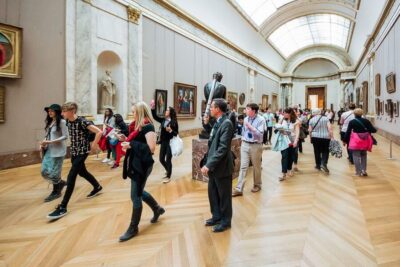 ★ 4.6Louvre Museum Timed-Entrance TicketTickets from $2671,977 guest reviews
 ★ 4.6Disneyland® Paris 1-Day TicketTickets from $6149,412 guest reviews
 ★ 4.6Versailles Palace and Gardens Full Access TicketTickets from $1741,579 guest reviews
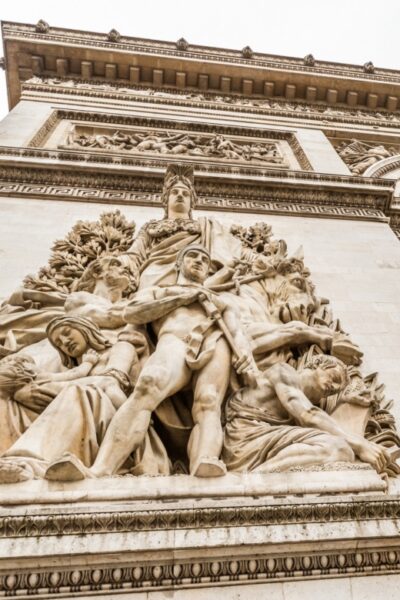 ★ 4.6Arc de Triomphe Rooftop TicketsTickets from $1834,264 guest reviews
 ★ 4.7Orsay Museum Entry TicketTickets from $1525,647 guest reviews
 ★ 4.4Evening River Cruise with MusicTickets from $2722,721 guest reviews
 ★ 4.4Eiffel Tower Entry Ticket with Optional Summit AccessTickets from $2920,035 guest reviews
 ★ 4.3Eiffel Tower Summit or Second Floor AccessTickets from $5917,248 guest reviews
This tour also belongs to