
Review · PARIS CITY TOURS
Paris Passageways Walking Tour: Secrets Uncovered w/ Local Guide
Paris hides a whole city in plain view. This 2-hour walking tour threads you through narrow, car-free streets and covered passages with a local guide, then leaves you with practical tips to navigate Paris after the walk. I love that it saves you from map stress and lets you focus on what you’re seeing.
The route is mostly sheltered, so it’s a strong choice when the weather turns. You’ll go with an intimate group (max 8, or a private option), and it runs in English with a mobile ticket for easy entry. One consideration, though: you are doing continuous walking, so comfy shoes matter.
You’ll start at 26 Rue Cadet in the 9th and end in the area of Passage du Grand Cerf in the 2nd. The tour is priced at $66.16 per person, and the stops listed are free entry, so you’re really paying for the guidance, pacing, and the inside stories that connect the places.
Key Things You’ll Really Care About
- Mostly covered walking means you stay comfortable on a rainy day
- Small groups up to 8 people keep the tour from feeling like a cattle call
- Seven stops with very different vibes from covered arcades to Palais-Royal calm
- Free-entry landmarks in the route so your cost is mostly for the guide
- An ending near Châtelet and Passage du Grand Cerf makes it easy to keep exploring on foot
Paris Passageways: Why the Covered Passages Feel Like a Side Door to the City
Paris is packed with big sights, but it’s the smaller, quieter connections that make the city click. That’s exactly what this tour is built around: the covered passageways that run parallel to main streets, letting you move through the city without fighting traffic or crowds in the open air.
The big win is that so much of the walking stays under shelter. You’ll still experience the classic Paris street feel, but without the soaking surprise. In practical terms, that means you can plan the rest of your day with more confidence, because your route doesn’t depend on the weather being perfect.
I also like how the tour structure does the thinking for you. Instead of you trying to figure out which passage connects to which block, a guide leads the way and points out what to notice. You’re not just walking past pretty buildings. You’re learning how these passageways fit into the city’s daily life and how Parisians historically used them.
You can also read our reviews of more walking tours in Paris



What You Get for $66.16: Small Group Guidance Plus Local Navigation Tips
At $66.16 per person for about 2 hours, this is a value play if you like context. You’re not paying for lots of paid museum time because the stops on the route are listed as free admission. So the main cost is your local guide, the pacing, and the “how to see Paris better” factor.
Here’s what makes that feel worth it:
You get an intimate group experience with a max of 8 travelers. That size tends to work well for questions and for actually hearing the guide over background noise. The tour also includes tips to help you navigate after the walk, which matters more than people think. Paris looks simple on a map, but neighborhoods, passages, and street patterns can be confusing in real life.
You’ll also get a mobile ticket, and the tour runs in English. If you’ve ever spent time translating street names while rain is falling, you’ll appreciate how much mental energy this saves.
One more practical note: the itinerary ends at Passage du Grand Cerf, and the ending stop might change but will still be in the area. That’s normal for walking tours, but it means you should keep your next plans flexible.
Route and Timing: A 2-Hour Loop That Starts Easy and Ends in Shop Country
The tour is designed for a compact day plan. You’re out for about 2 hours, give or take, and you’ll hit seven stops that mostly connect through narrow lanes and covered corridors.
You’ll begin at 26 Rue Cadet (75009). From there, the walk gradually shifts from the smaller, quieter passages toward more iconic, photo-friendly spaces. By the end, you’re in the Passage du Grand Cerf area, where the vibe turns more retail and artisan.
If you’re using public transport, you’re in luck. The meeting point and route are described as being near transit, which helps if you don’t want to rely on taxis or long metro transfers.
Because this is mostly a walking experience, plan for steady movement. There are short photo moments, but it’s not a sit-and-stare tour. If you’re the type who likes to stop every five minutes for a look, you may feel the pace more than someone who prefers a smooth stroll.
Stop by Stop: Passage Verdeau to Passage du Grand Cerf
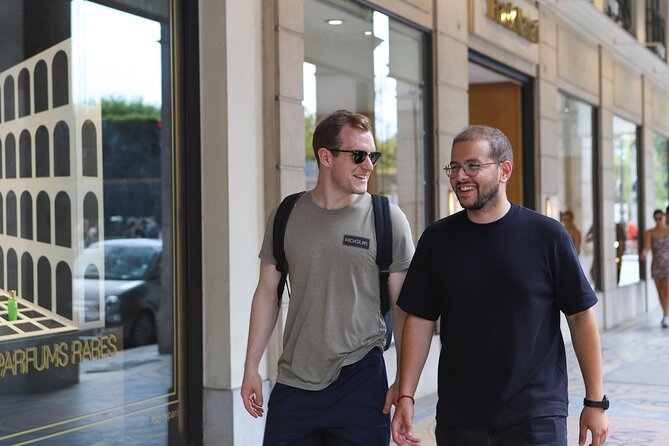
Stop 1: Passage Verdeau, the Smallest Starting Point
The tour kicks off with Passage Verdeau, described as the smallest of the passages. That’s a smart choice because it sets your mental map early. You learn how these passageways work, what they look like from the inside, and how they relate to the main streets running alongside.
Passage Verdeau matters because it’s not trying to impress with grand scale right away. It’s about getting oriented, then letting the route build. If you tend to miss the details when you arrive in a new neighborhood, starting small helps you notice patterns.
Potential drawback: it’s a quick stop. If you love lingering, use the guide’s cue to take a few photos immediately and then move on with the group, because the best moments will come again at later stops.
You can also read our reviews of more guided tours in Paris





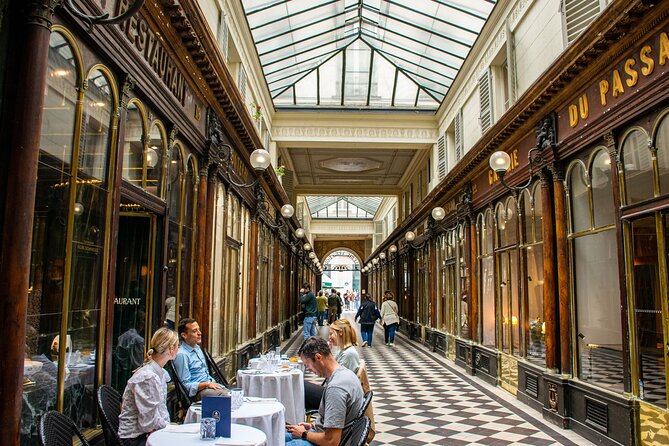
Stop 2: Passage des Panoramas, One of the City’s Remaining Survivors
Next is Passage des Panoramas, which is called out as one of only 20 passageways left in Paris. That alone is worth your attention. It helps you understand why these corridors feel special: they’re not endless. They are what remains.
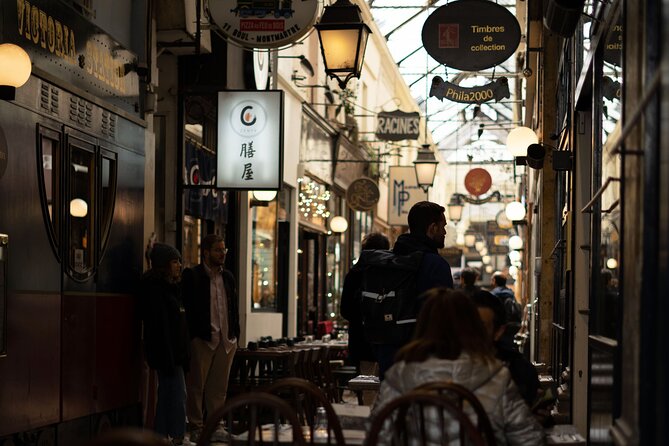
This passage is also known for the day-to-day mix inside it. You’ll see hidden traditional restaurants and small boutiques tucked into the passage structure. The guide ties this to the passage’s history, so it’s not just a walk through shops. You learn why this kind of semi-covered street became useful, and why it stuck around.
Practical downside: since you’re in a passage with shops and restaurants, it can be easy to slow down looking at doorfronts and menus. Go with the flow first, then circle back if you want to browse after the tour.
Stop 3: Bibliothèque nationale de France, Site François Mitterrand (Richelieu)
Then you shift from the passage world to a major cultural landmark: the French National Library, specifically the oval room of the BnF Richelieu site. This is a different kind of “Paris secret,” because you’re moving from charming corridors to institutional architecture.
This stop gives the walk variety. It also helps you feel how passageways and grand public spaces share the same city, not separate worlds. In about 15 minutes, you’ll get a focused look, enough time to take in the space without turning the day into a long museum marathon.
Possible consideration: it’s time-boxed. If you’re the type who wants a longer look inside major landmarks, treat this as a highlight stop rather than your only library visit.
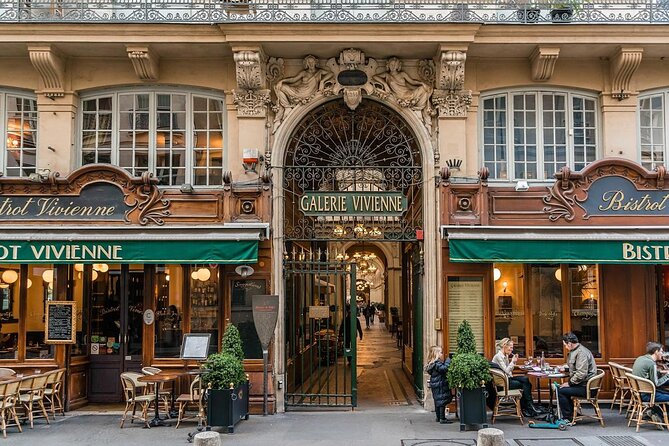
Stop 4: Galerie Vivienne, the 1823 Arcade for Photos and Poise
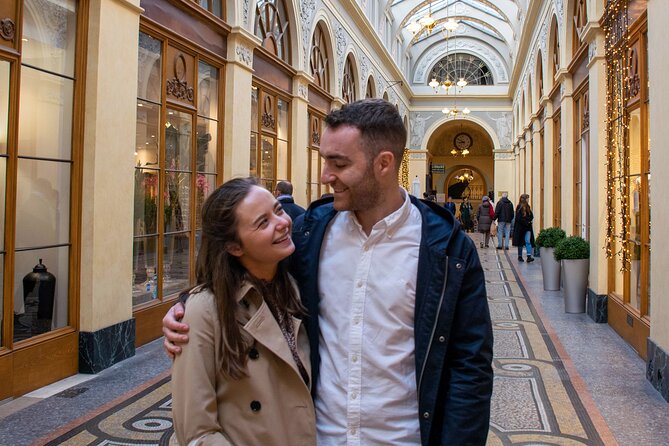
Galerie Vivienne is next, and it’s the type of place you immediately understand why people love photographing. Built in 1823 and still used today by Parisians, it feels like a working piece of Paris history rather than a “look at me” set.
The guide’s role matters here. You don’t just walk through a gorgeous arcade. You learn what makes it prestigious and how it’s continued to be enjoyed. It’s a great contrast after the library stop, bringing you back to the social, street-level feeling of the passages.
What to expect: a gentle walk-through with time to capture unique images. If you care about composition, this is one of the best stops to test a few angles.
Possible drawback: if you’re short on patience for crowds, this stop might feel busy at peak times. The tour duration stays short, so you can usually get your shots and keep moving.
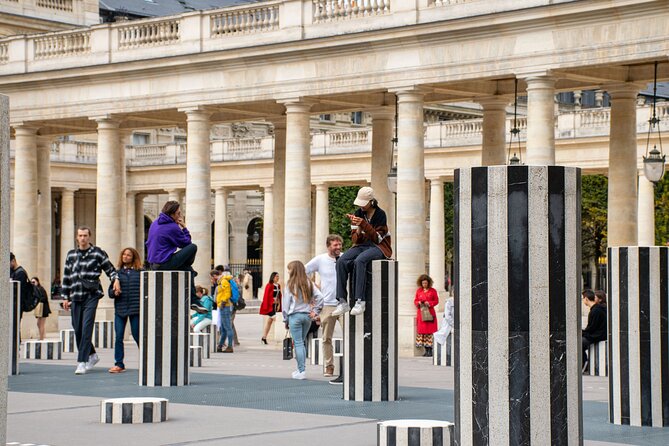
Stop 5: Palais-Royal, Gardens and Columns With Stories That Go Back
Now you reach Palais-Royal. Instead of being all corridors, this stop opens up into gardens, columns, and a quieter, more peaceful atmosphere. The guide also frames it as a place known for scandal and secrets, with stories reaching back to the 1600s.
That combination is the magic. You get serene space, but you also learn that this peace sits on top of a complicated past. It’s one of those Paris locations where the setting changes how the stories land. Even in a short visit, the guide’s narration helps you connect the architecture to the human drama around it.
Potential consideration: because it’s calmer than the passages, it can feel like a soft reset. That’s great if you’re tired, but if you like nonstop momentum, you may notice a slower emotional pace here even though the tour keeps moving.
Stop 6: Galerie Vero-Dodat, a Passage That Reads Like a Private World
Galerie Vero-Dodat follows, described as a passageway made for the rich and still loved by the Parisian bourgeoisie. That framing is useful because it changes how you look at the space. You start to pay attention to details and proportions, not just the fact that it looks elegant.
The tour treats it like a small village inside the city. When you arrive here during the walk, you feel the passage as a contained world: a place designed for movement, but also for lifestyle. Even if you’re not shopping, the guide’s context helps you understand why the passage “works.”
Possible drawback: because it’s less famous than some names, you might not recognize it instantly on sight. That’s exactly why this stop is on a guided route. You’ll know what to look for before you lose curiosity.
Stop 7: Passage du Grand Cerf, 12 Meters High and Built for Jewelry and Artisans
The final stop is Passage du Grand Cerf. Before that, you walk a little in the narrow streets of Châtelet, then you reach this passage that’s about 12 meters high. That vertical space gives the passage a stronger visual impact than flatter corridors.
It’s also positioned as a great place for jewelry and artisan shops. If you enjoy browsing craftwork, this is where you’ll likely want to slow down after the tour ends, or at least peek at storefronts as the guide points out what to notice.
Potential consideration: because it’s shopping-adjacent, you might feel the temptation to linger. The tour time is limited, so if you want to buy something, be ready to decide quickly or plan a follow-up stop on your own.
How to Prep for a Rainy Day Passage Crawl (Without Overthinking It)
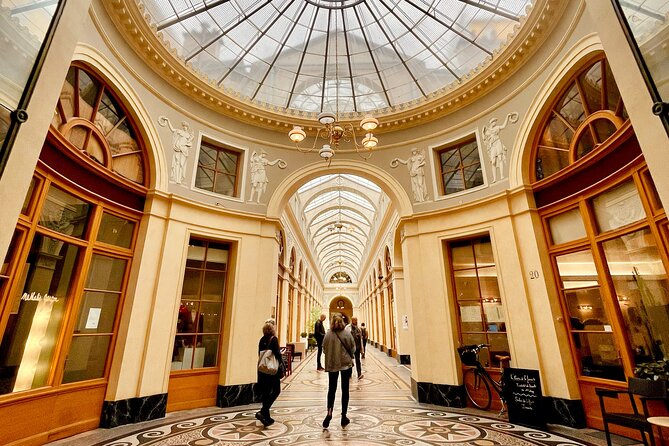
This is the kind of tour that makes sense when weather is uncertain. Since it’s ideal for rainy days and includes mostly covered sections, you can travel light compared with a fully outdoor walking plan.
Do bring:
- Comfortable shoes for steady walking
- A light rain layer just in case, even if the route is sheltered
- Your phone charged for photos and for finding the end area afterward
What helps most is attitude. Passage tours reward attention. Look at details like how entrances align, how light hits different corridors, and how spaces transition from narrow lanes to open calm like you see around Palais-Royal.
If you’re the type who wants to keep exploring immediately afterward, this tour is a good setup. You finish in the Passage du Grand Cerf area, where you can continue on foot without needing to plan a full transport jump.
Who This Tour Suits Best
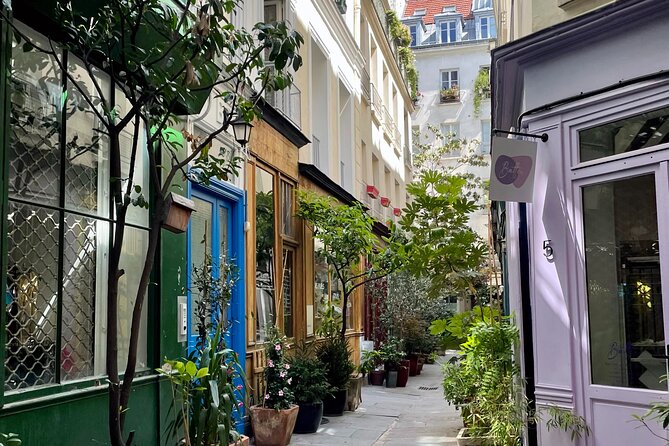
This is a great match if you want:
- A rain-friendly walking experience that still feels like real Paris
- Off-main-street sights, especially the covered passage network
- A guide who helps you make sense of what you’re seeing, without dumping a textbook on you
- An easy way to build confidence for navigating afterward
It’s also a smart pick for first-time visitors who feel overwhelmed by Paris logistics. You get structure, but you still see a side of the city that doesn’t require you to “know the secret streets” in advance.
If you hate walking, or you want long indoor time in major museums, this might not fit your style. The tour is paced as a walking loop, not a slow sightseeing day.
Should You Book the Paris Passageways Walking Tour?
Yes, if you want a short, satisfying Paris day that mixes gorgeous arcades with a couple of big-name landmarks, all while staying mostly covered. The small group size, English guidance, mobile ticket, and the fact that the listed stops are free entry make the experience feel practical for the price.
Book it especially if rain is in the forecast or if you want a guided route through passages that can be hard to find on your own. If you’re only interested in one or two major sites, though, you might prefer a tour focused on fewer stops with longer time at each.
FAQ
Where does the tour start?
It starts at 26 Rue Cadet, 75009 Paris, France.
How long is the Paris Passageways walking tour?
The duration is about 2 hours.
Is the tour good for rainy weather?
Yes. It’s ideal for a rainy day, and the walk is mostly through covered walkways.
Are there any admission fees for the stops?
The stops listed in the route show admission ticket free.
Is the tour offered in English?
Yes. It is offered in English, and the semi private option is only available in English.
What is the group size?
The tour has a maximum of 8 travelers.
Where does the tour end?
It ends at Passage du Grand Cerf, Pass. du Grand Cerf, 75002 Paris, France. The end stop might change but will be in the area.
Is hotel pickup included?
No. Hotel pickup and drop-off are not included.
Can I cancel for free?
Yes. You can cancel for a full refund up to 24 hours in advance of the experience start time.
More Walking Tours in Paris

More Tours in Paris




More Tour Reviews in Paris





Not for you? Here's more nearby things to do in Paris we have reviewed










Paris City Tours, side by side.
 ★ 4.6Louvre Museum Timed-Entrance TicketTickets from $2671,977 guest reviews
 ★ 4.6Disneyland® Paris 1-Day TicketTickets from $6149,412 guest reviews
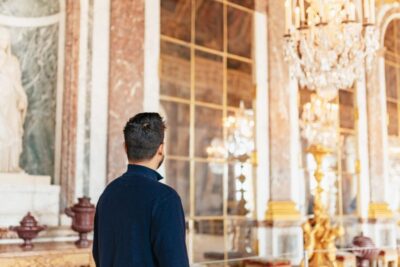 ★ 4.6Versailles Palace and Gardens Full Access TicketTickets from $1741,579 guest reviews
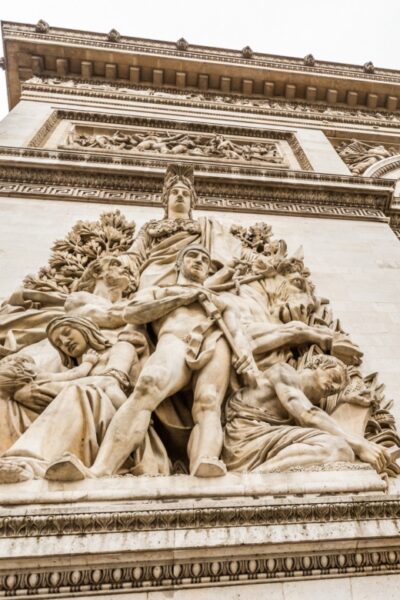 ★ 4.6Arc de Triomphe Rooftop TicketsTickets from $1834,264 guest reviews
 ★ 4.7Orsay Museum Entry TicketTickets from $1525,647 guest reviews
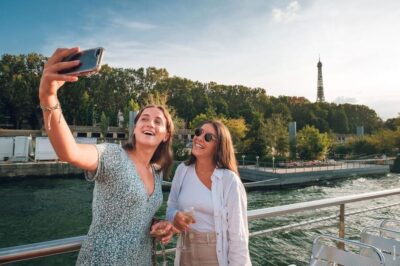 ★ 4.4Evening River Cruise with MusicTickets from $2722,721 guest reviews
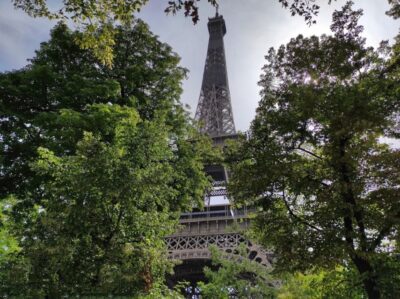 ★ 4.4Eiffel Tower Entry Ticket with Optional Summit AccessTickets from $2920,035 guest reviews
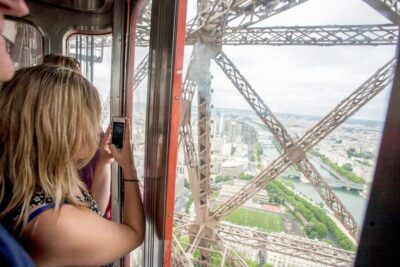 ★ 4.3Eiffel Tower Summit or Second Floor AccessTickets from $5917,248 guest reviews