
Review · PARIS CITY TOURS
Private Street Art Tour in Paris with Local Expert
Paris has a second art school on the streets. This private street art walking tour in Paris pairs a local expert with a customizable route, so you can focus on the styles and neighborhoods that match your taste. You can also pick from multiple start times and get a guide who stays with your group, not the crowd.
I especially like two things. First, the tour is built for real conversation about the art, not just quick photo stops. Second, the itinerary is flexible, so you can shape the pace and the emphasis as you go. One consideration: you’ll be walking for about three hours, and street art areas like Montmartre can get crowded or weather-heavy, so bring comfy shoes and be ready to adjust on the fly.
Key Things That Make This Tour Work Well
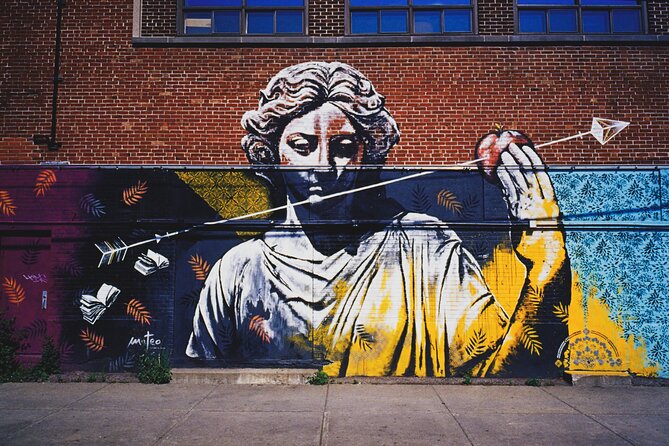
- Private guide attention means you can ask questions and slow down for details without holding anyone else up
- Fully customizable itinerary helps you aim for the artists and streets you care about most
- Free street art stops keep you in the fun part, without nickel-and-diming admission
- Neighborhood hopping across Belleville to Montmartre shows street art as a city-wide culture, not one “zone”
- Photo-ready guidance helps you spot which walls and corners are worth framing
What Street Art Tours Teach You That Museums Don’t
Paris is packed with famous museums. But street art is different: it’s art that reacts to the present, shows up in everyday life, and changes over time. That’s why this kind of walking tour feels useful fast. You start noticing how artists use walls, corners, shutters, and long stretches of street as their canvas.
A good street art guide does more than point at murals. You learn how to read the choices artists make, like scale, style, and placement. When you know what to look for, the whole city becomes more interesting, even after the tour ends. This one also has an “expert advice” angle for what to do next, which is handy when you want to keep the momentum.
You can also read our reviews of more private tours in Paris



Price and What You’re Actually Buying for $139
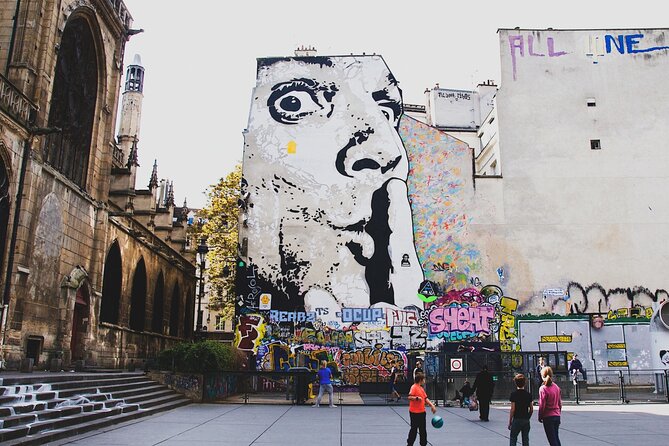
$139 per person for a private, three-hour street art walk is not a bargain, but it can be fair value depending on your travel style. You’re paying for three things that matter in Paris: a local guide, private time, and routing that avoids wasting half your trip figuring out where the good walls are.
Street art is everywhere, which also means it’s easy to go wrong with a self-guided walk. You might miss context, or you might spend time chasing pieces that are less meaningful than the ones around the corner. On a private tour, you can steer toward the specific streets you want, like Rue Oberkampf, Rue Saint-Maur, or the Montmartre finish, and you’re not doing it alone.
If you’re the kind of traveler who enjoys conversation and wants the art explained in plain terms, the price makes more sense. If you’re mainly after quick photos and zero talk, a guided format might feel like it costs more than you expected.
The Best Way to Start: Hotel Pickup and Flexible Timing
This tour meets in the hotel lobby. You don’t need to call to confirm, because the supplier contacts you by email. The guide meets you at a centrally located hotel, hostel, or vacation rental, so you’re not hunting for a meeting point far from where you’re staying.
Multiple start times are offered, which is more important than it sounds. If you can time your walk for better light, fewer crowds, or just a calmer moment in your day, your photos will improve and your route will feel less stressful.
You should also plan for moderate walking. The route is designed as a walking tour, and it moves through several streets and neighborhoods. If you need a slower pace, choose a time when you can move comfortably, and be upfront about your needs.
Rue Oberkampf, Belleville, and the Open-Air Museum Feeling
The tour kicks off around Rue Oberkampf, a street that’s become famous for street art as an open-air museum. Expect to see multiple pieces right away and to start learning how the neighborhood’s vibe shapes what gets painted.
From there, you work through Belleville-side streets where street art often looks more conversational and less staged. The tour leans into informative, fun, and thought-provoking graffiti. In practical terms, that means your guide can help you understand what you’re seeing, not just label it.
One nice bonus here is the “watch it update” possibility. In street art, some areas can shift quickly, and if you’re lucky you may witness new work being added or an active street-art moment that draws a crowd. Even without that, Rue Oberkampf delivers that feeling of stepping into an outdoor gallery that never sits still.
Rue Saint-Maur: A Small Gallery Rhythm in the Middle of the City
Rue Saint-Maur is another core stop, and it’s special because it’s tied to regular new work. The tour highlights a 24 sq.m. exhibition area where new artwork appears every fortnight. That detail matters. It tells you you’re not just seeing static murals, you’re seeing an ongoing cycle of artists and styles.
You’ll also get contrast here. Some pieces lean abstract, some swing toward hyper-realistic looks, and some draw from pop culture. A guide helps you separate what’s just “pretty graffiti” from what’s making a specific artistic point.
Practical tip: bring your camera with a plan. Long walls and tight alleys can mess with your framing if you’re rushing. Use your first pass to locate a few angles, then return for close-ups once you understand the story behind the art.
More Paris tours and experiences for the shortlist

Rue de l’Elysée Ménilmontant and Rue Julien Lacroix: Details at Crossroads
One of the stops focuses on the crossroad of Rue de l’Elysée Ménilmontant and Rue Julien Lacroix. Crossroads are great for street art because they give artists multiple sight lines. That often leads to complex work, layered details, and larger compositions that reward slowing down.
If you like close viewing, this part of the walk is where you can stretch your time with your guide. The art here is described as expressive frescos with lots of small details. In other words, this is not a “glance and go” segment.
The only drawback is that this is also where fatigue can start to creep in. If you’re taking photos, it helps to rest briefly at the less active stretches so you don’t feel rushed when the best wall appears.
Rue Laurence Savart and Boulevard de la Villette: Narrow Streets, Big Impact
Rue Laurence Savart gets multiple mentions in the itinerary, which is a good sign. It suggests the area has enough variety to return for additional corners. Expect narrow alleys and hidden-feeling segments where contemporary works keep the city’s underground culture in view.
Then you head to Boulevard de la Villette, linked to the Lazoo artist. Here, the tour describes massive modern frescoes overlooking a community garden. Even if you’re not familiar with Lazoo, you’ll see how his name and style are tied to the place.
This is also one of the most “street art as community landmark” moments on the route. Instead of art sitting in isolation, it becomes part of everyday scenery. That’s why it’s often memorable: it feels less like a tourist stop and more like local life.
Rue des Cascades and Rue de l’Ourcq: When the City Feels Like One Long Wall
Rue des Cascades is described as a mix of urban charm and romantic views, with endless rows of artworks you can spot almost anywhere you look. This is a good stretch if you like variety and want a steady stream of new images, without having to hunt too hard.
From there, the route moves toward Rue de l’Ourcq and the Canal de l’Ourcq and Canal Saint-Martin area. The key idea here is that street art stretches across purposeful surfaces like walls, abandoned industrial buildings, and iron bridges. It can feel like a long exhibition that goes beyond the classic center-city postcard view.
If you want a street art tour that shows how artists use infrastructure, this section delivers. You’ll also get a sense of why people keep coming back to these neighborhoods: the setting is part of the work.
Rue Riquet and the Rosa Parks Wall: International Voices on One Long Stretch
Rue Riquet is a standout because of scale. The tour describes a 500-meter-long wall covered with graffiti in honor of Rosa Parks since 2015. It also notes international artists, including women artists invited to contribute.
That’s a meaningful way to experience street art in Paris: not just as “paint on buildings,” but as public storytelling tied to identity and international artistic community.
Practical photo tip: don’t only shoot wide. Shoot mid-range too. Long walls are impressive, but the details are often where you get the best textures and the best meaning.
Montmartre Finish: A Unique ‘Underground’ Perspective
The tour ends in Montmartre, with enough time to actually feel the neighborhood instead of just walking through it. The itinerary specifically frames this as a unique underground perspective, plus an effort to help you avoid the most crowded tourist pockets.
Montmartre street art is a big reason to finish here. The walls are covered with works by French and international artists, and your guide is there to explain why street art has become so popular. This is where the tour shifts from “what you see” to “how it all fits together.”
One consideration: Montmartre can be busy, and weather can be a factor. On rainy or crowded days, the vibe might not match what you hoped for. If that worries you, schedule an earlier start time if possible, and wear shoes that handle slick pavement.
What Guides Do That Changes the Whole Experience
The most consistently praised part of this tour is the guide’s attention to you and their effort to make the art understandable. You can also get different teaching styles depending on the guide. One example from past groups: some guides have brought binders with artist information and key highlights of styles and mediums. That kind of prep helps you see patterns, not just isolated murals.
Another theme is conversation. Guides like Sanny and Oksana are mentioned as friendly and engaging, with real city talk alongside the art. Mehrdad is described as doing his homework and connecting the walk to the local scene. Claire is noted for being able to point out where women artists contribute, and for making the tour feel personal.
And yes, practical accommodations matter. One group praised how the guide was attentive to walking with a cane. That tells me the best guides are watching how you move, not just reciting facts.
Photo and Comfort Tips for This 3-Hour Walk
Street art is outdoors, and lighting changes fast. I’d plan for a few basics so you get more keepers and less frustration:
- Wear comfortable shoes with good grip. You’ll be shifting between streets and viewpoints.
- Bring a small camera plan. Start with wide angles, then circle for close details.
- If it’s rainy, bring a light layer. Street art photos still work, but slippery stones do not.
- Keep your eyes up. Some of the most interesting work is where you’d never think to look on a normal walk.
Who This Tour Is For
This private tour makes sense if you are:
- a street art fan who wants context, not just images
- the kind of traveler who enjoys neighborhoods like Belleville and Montmartre
- someone who likes flexible routes and a guide who can tailor emphasis
It may feel less ideal if you only want a casual stroll with zero explanation, or if you have trouble with 3 hours of walking.
Should You Book It?
If you want Paris street art with guidance, flexibility, and a private pace, I think this is a strong booking. The best part is the pairing of free outdoor stops with a local expert who can help you read what you’re seeing, plus optional tailoring if you care about specific styles or types of artists.
I’d book it if you can handle moderate walking and you’re excited to look past the obvious tourist stops. If you’re traveling during peak crowd times or expect rain, choose a start time that gives you the smoothest experience, and keep your expectations flexible for Montmartre.
If that sounds like your travel style, this is the kind of tour that changes how you see the city for the rest of your trip.
FAQ
How long is the private street art tour?
It’s about 3 hours long.
Is this a private tour or a group tour?
It’s private. Only your group participates.
Where does the tour start, and is hotel pickup included?
The guide meets you at the lobby of your hotel, hostel, or vacation rental. Pickup is offered, and you’ll provide the exact name and address of your place to be picked up.
Is the tour in English?
Yes, it’s offered in English.
Are there admission fees for the stops?
The street art stops listed have free admission tickets, and most entries are free. If there are any entrance fees depending on your preferences, those are not included.
What if I need to cancel?
You can cancel for a full refund up to 24 hours before the experience start time. If you cancel less than 24 hours before, the amount paid is not refunded.
More Private Tours in Paris

More Tours in Paris


More Tour Reviews in Paris


Not for you? Here's more nearby things to do in Paris we have reviewed








Paris City Tours, side by side.
 ★ 4.6Louvre Museum Timed-Entrance TicketTickets from $2671,977 guest reviews
 ★ 4.6Disneyland® Paris 1-Day TicketTickets from $6149,412 guest reviews
 ★ 4.6Versailles Palace and Gardens Full Access TicketTickets from $1741,579 guest reviews
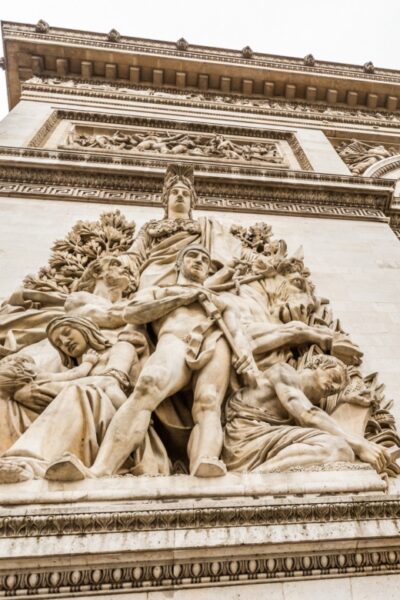 ★ 4.6Arc de Triomphe Rooftop TicketsTickets from $1834,264 guest reviews
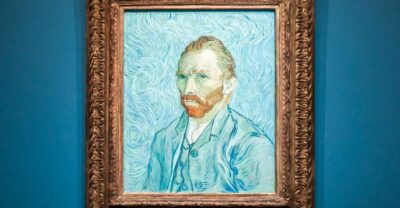 ★ 4.7Orsay Museum Entry TicketTickets from $1525,647 guest reviews
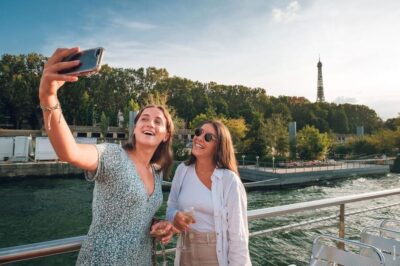 ★ 4.4Evening River Cruise with MusicTickets from $2722,721 guest reviews
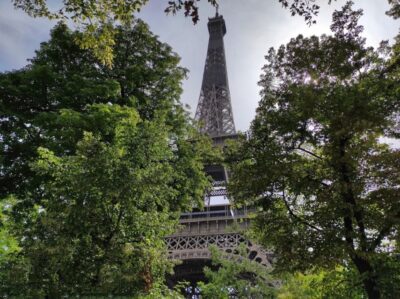 ★ 4.4Eiffel Tower Entry Ticket with Optional Summit AccessTickets from $2920,035 guest reviews
 ★ 4.3Eiffel Tower Summit or Second Floor AccessTickets from $5917,248 guest reviews
This tour also belongs to