
Review · LOUVRE MUSEUM TOURS
Louvre Museum Entry Ticket and Private Guided Tour
A giant museum can feel like a maze. This private Louvre tour gives you a smart route through the world’s largest art gallery, with stops you actually want to see, without wasting hours wandering. I especially like the time-saving navigation and the way you get clear context for famous works like the Mona Lisa and the Venus of Milo. One thing to consider: it’s a 3-hour visit, so you will pick highlights, not try to “see everything.”
What makes this experience feel worth it is the guide’s focus on what changes how you look at the art. You do not just pass by masterpieces, you learn why they matter and how the stories around artists shape the paintings and sculptures. I also like the variety in the art talks, from Leonardo da Vinci details to Caravaggio’s darker life. The potential drawback is simple, this is not a relaxed drift through every wing, it is a guided route built to fit a tight timeframe.
Key things to know up front. The tour is private, wheelchair accessible, and offered in many languages. You will do security checks before entering, and you cannot bring luggage or large bags, so plan light.
Key highlights you should care about
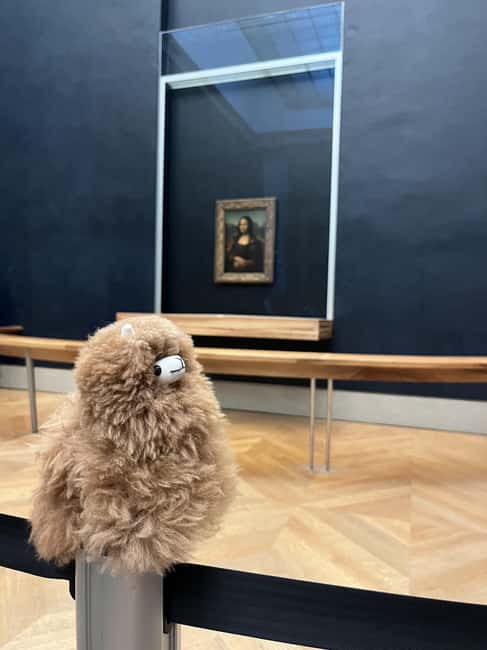
- Famous works, in person, including Mona Lisa, Venus of Milo, and Winged Victory of Samothrace
- A guide who routes you fast so you spend energy looking, not locating
- Big artist stories tied to what you are seeing, from Leonardo to Caravaggio and Veronese
- Da Vinci and Botticelli details explained in plain language, so the paintings feel less mysterious
- Kid-friendly energy when paired with the right guide and age fit
Why this 3-hour private Louvre route beats wandering
The Louvre is huge. Even if you love museums, free-roaming it can turn into a lot of walking and not much understanding. This tour solves the biggest problem: you get a focused path through the most iconic works, guided by someone who knows where to go and what to point out.
You also get a pacing advantage. A guided visit helps you slow down at the right moments, like when you stand in front of a painting you have only seen in textbooks. With a private guide, you can ask questions and get answers tailored to your pace, not to a packed group rhythm.
Another value piece is how the guide frames the collection. The Louvre is so extensive it would take over a month to see it all, but your tour is designed to hit the “I get it now” targets first. That approach is great if you want meaning in a limited time window.
More Paris tours and experiences for the shortlist



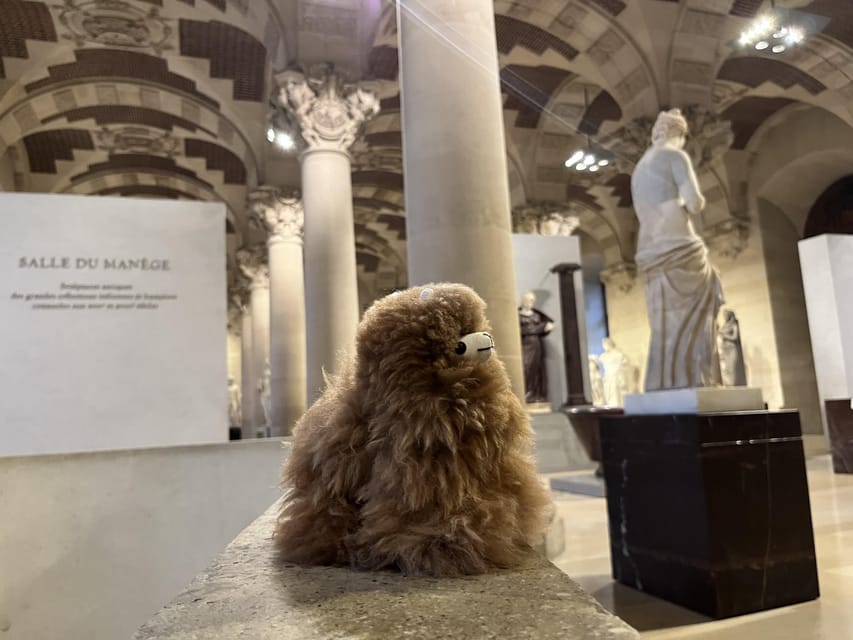
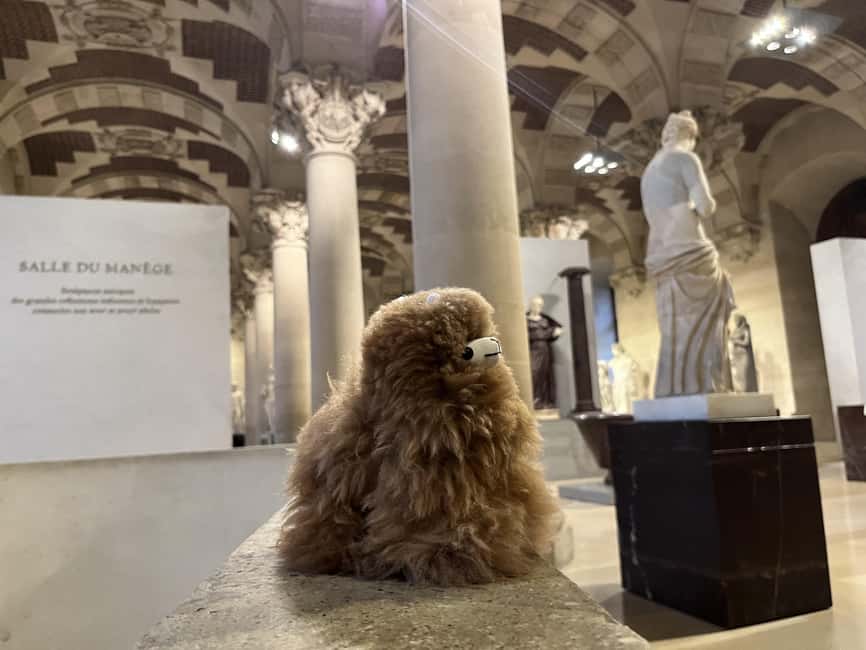
Meeting up by Palais Royal and finding Mr. Lama Leonardo
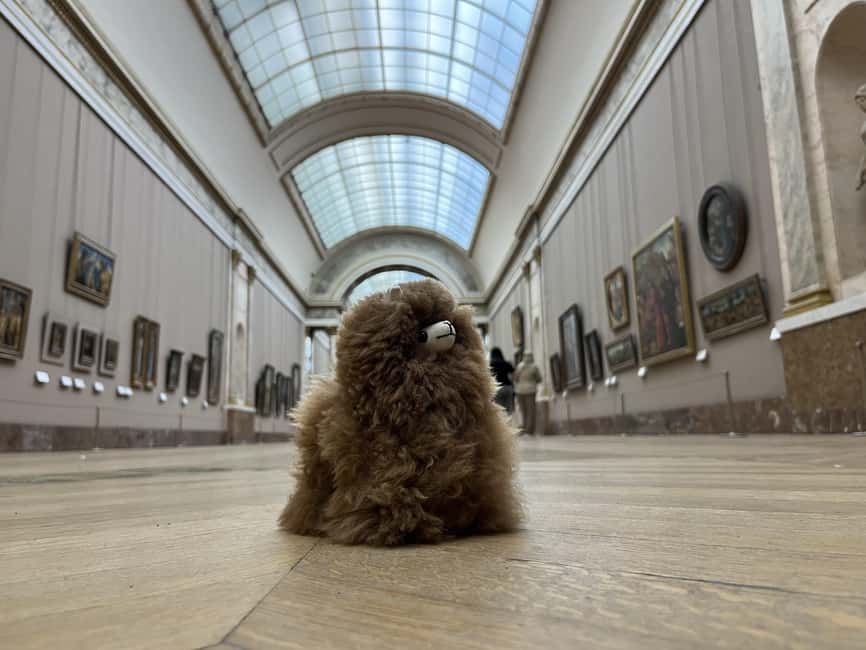
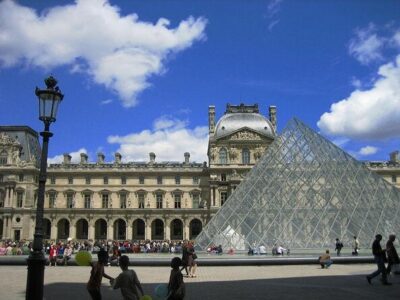
Your meeting point is next to the Palais Royal – Musée du Louvre metro station exit. The key is the visual cue: look for the guide with the stuffed lama mascot, Mr. Lama Leonardo, standing next to the glass cube.
This matters more than it sounds. The Louvre area can get crowded and confusing, especially if you are arriving right at your start time. Having a clear landmark makes the first five minutes calmer, which means you are ready to enjoy the art instead of stressing about finding the group.
If you are coming by metro, plan to arrive a few minutes early so you can reset before security. You will thank yourself later when the museum lines start moving.
Security checks, bag rules, and photo do’s and don’ts
Before you even reach the galleries, there are museum security checks for all visitors. That is normal for the Louvre, but it affects planning. If you show up with bulky items, you can lose time fast.
Here are the rules you should follow to avoid friction:
- No luggage or large bags
- Pets are not allowed, assistance dogs are allowed
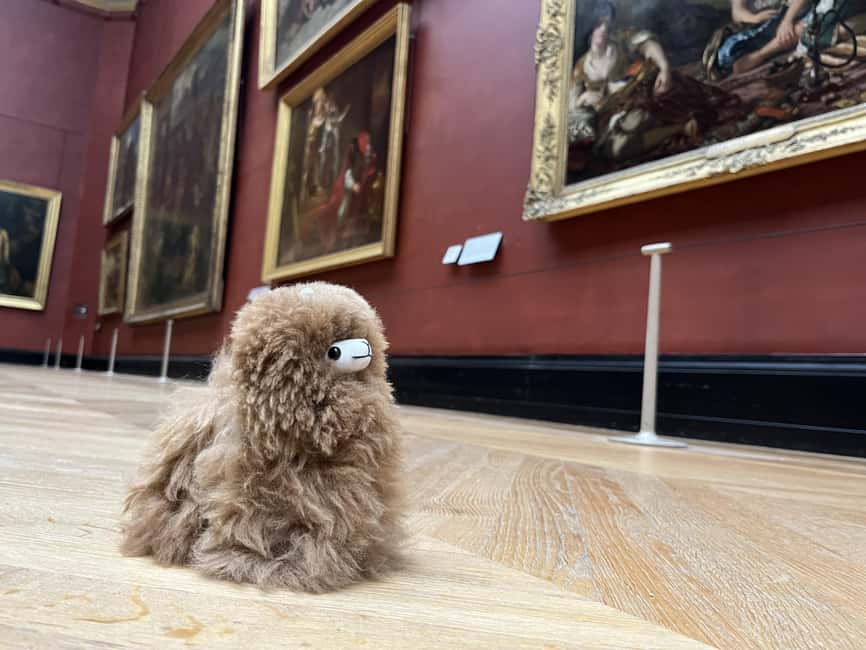
- Photos and videos are allowed in permanent collections for personal use
- No selfie sticks
- No flash or lighting
- Temporary exhibition areas may restrict photography for certain works
If you love taking pictures, this is still a good setup. You just need to keep it simple: phone cameras are fine, flash is not, and selfie sticks are out.
Also, you should assume that your guide will manage the flow, but your job is to travel light. Pack essentials and keep your bag small enough that you can get through security quickly.
Inside the Louvre: how the guide gets you to the real icons
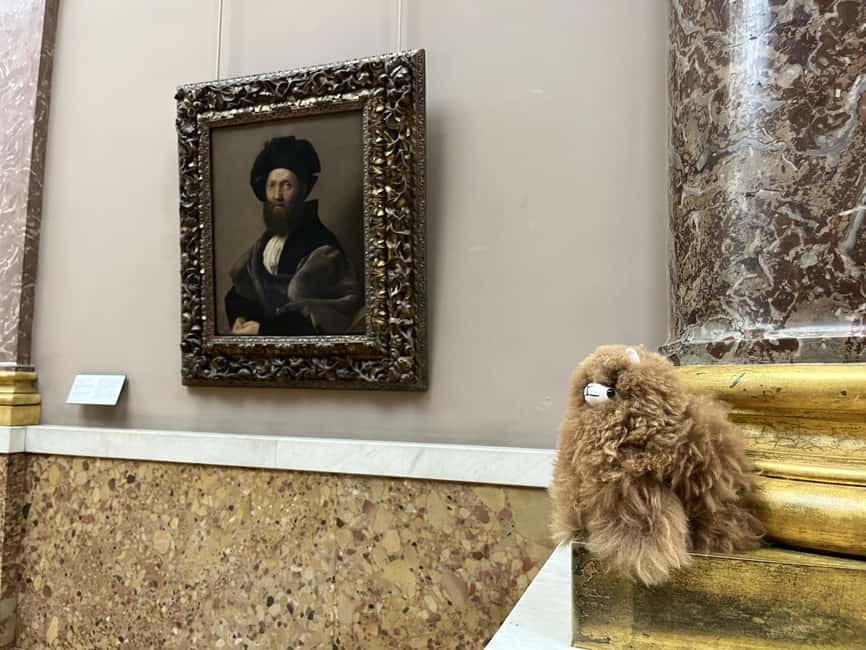
The tour starts with a route built to show you major paintings and sculptures you likely recognize immediately. The idea is that you do not waste your best energy hunting for masterpieces you came for.
You will see famous works like the Mona Lisa, Venus of Milo, and Winged Victory of Samothrace. The guide’s job is not only to point at them, it is to explain what you are looking at and why people keep returning to the same faces, bodies, and symbols.
This is where private guiding shines. In a museum, the “same painting” can feel completely different depending on what you notice. A good guide helps you focus on the parts that matter, so the work stops feeling like a distant image and becomes something human.
You also get practical momentum. When you know where you are going next, the museum becomes less overwhelming. You move from highlight to highlight with your feet doing the minimum necessary work.
Standing close to the Mona Lisa and the big sculpture moments
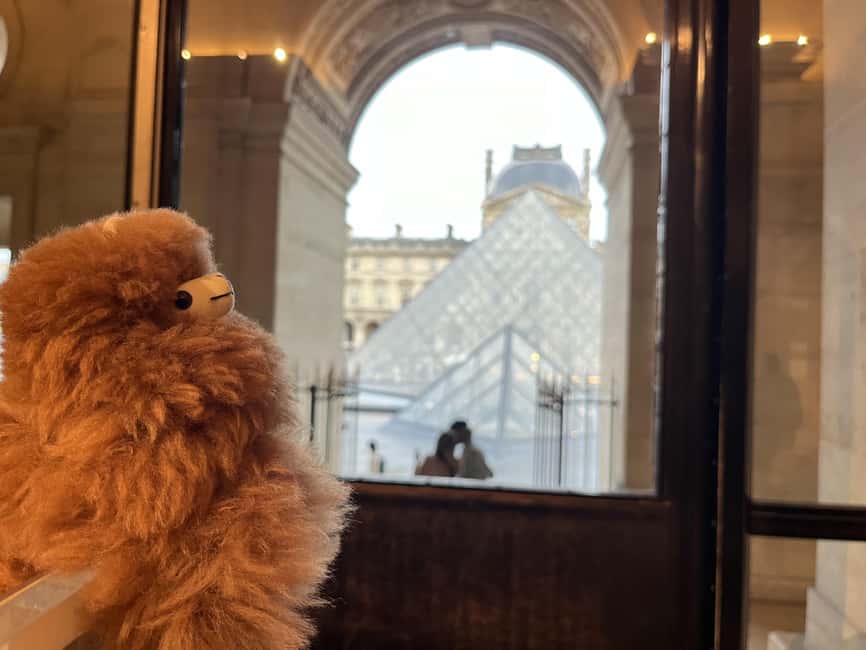
The most famous paintings draw the longest lines outside, but the experience of seeing them in person is different from any screen. With a guide, you are more likely to understand the details you would otherwise miss.
At stops like the Mona Lisa, the guide helps you connect the painting to its real art-world impact, including why the portrait of Lisa Giocondo became such a highlight. That kind of context changes the way you look. You start paying attention to mood, composition, and the small choices that made the work famous.
Then you shift from paintings to sculptures. The Venus of Milo is a good example of why this tour approach works. Sculptures hit differently when you can walk around the angles and stand at the scale the artist intended. With a guide, you are less likely to treat the stop as a quick photo and more likely to actually study what is in front of you.
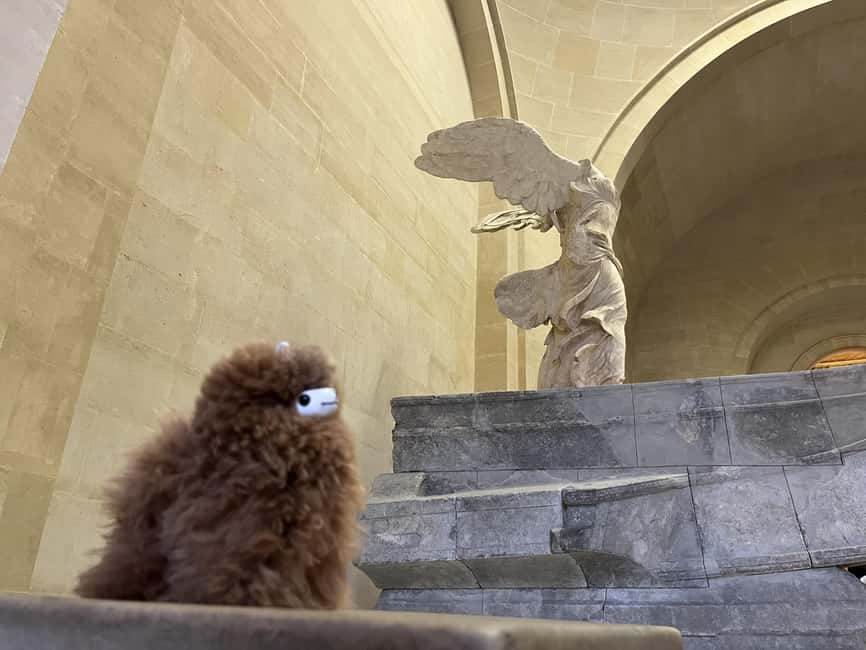
And when you reach Winged Victory of Samothrace, you are in the zone where motion and emotion feel almost physical. This is one of those works that benefits from explanation because the drama is not always obvious at first glance. Hearing what to notice helps you “read” the sculpture instead of only staring.
You can also read our reviews of more guided tours in Paris






Artist backstories that make Caravaggio, Veronese, Da Vinci, and Botticelli click
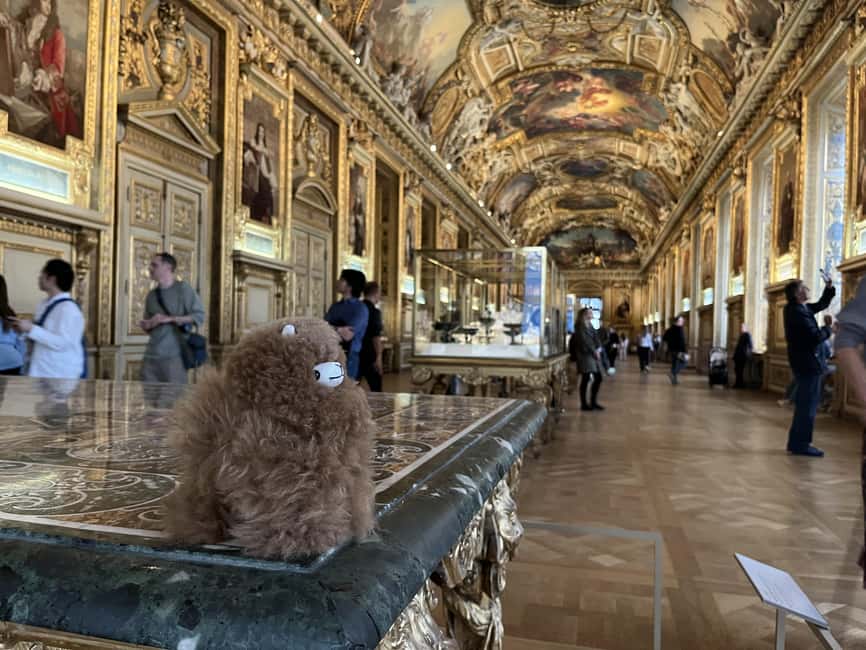
One of my favorite parts of this kind of guided Louvre experience is when the museum stops being a list of titles and starts becoming stories. The tour includes explanations tied to masters like Leonardo da Vinci, Caravaggio, and Botticelli, plus Veronese.
Here is what you can expect the guide to connect to what you are seeing:
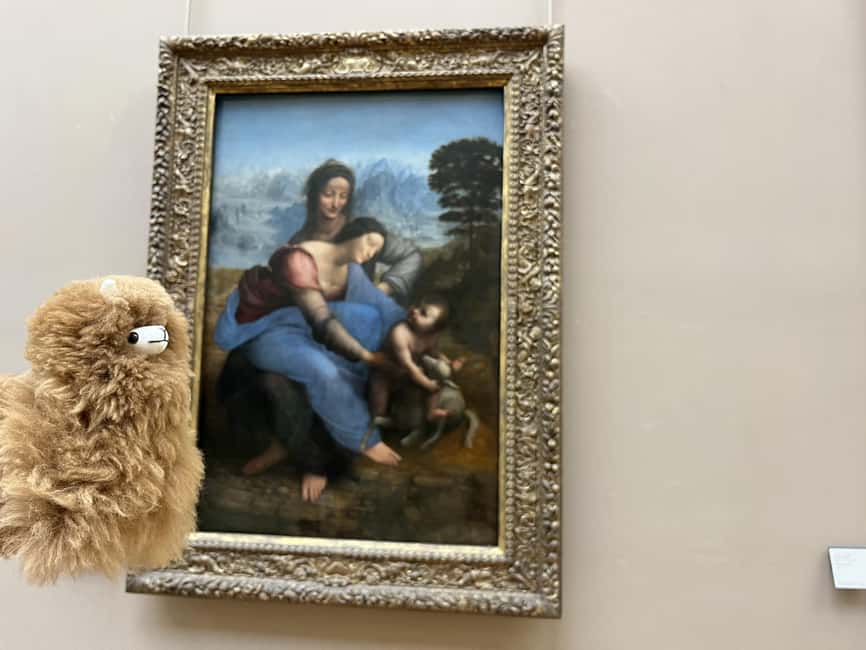
- Leonardo da Vinci: you get key details in his paintings, including hidden meanings people associate with his work
- Veronese: you hear why he was almost condemned by the Inquisition for his depiction of Christ
- Caravaggio: you learn about his notorious reputation, including stories about him as a drunkard and murderer, and how that life contrast shows up in the spirituality of his paintings
- Botticelli: you find out about why many of his paintings feature the same woman, which helps you notice patterns instead of treating each work as random
This is valuable because it changes how you interpret symbolism. Without context, a painting can feel like a snapshot from history. With context, you start recognizing recurring ideas, character types, and meaning.
It also helps with memory. When you learn a story tied to an image, you remember the image. That is the real payoff of a private guide, you leave with connections, not just photos.
The guide experience: Daniel, Benedicte, and Natily examples
A private tour depends heavily on the guide. The good news is that this experience has a track record of guides who stay patient and explanatory, especially when people have different needs.
If you end up with Daniel, expect a slower, careful style with strong history explanations and clear navigation through the Louvre. The feedback highlights patience, which matters a lot in a place as complex as the museum.
Benedicte is another guide name you might see. Her style has worked well with a nine-year-old art lover, which tells me she knows how to keep things engaging without losing accuracy. The practical caution is that for much younger kids, it might be less ideal.
Natily is described as fun and informative, and especially good at keeping children entertained throughout the tour. If your group includes kids, that kind of energy can be the difference between a successful museum day and a test of everyone’s stamina.
Is this tour good for kids, or mainly adults?
This one is mixed in the best possible way: you can make it work for children, but age matters.
A nine-year-old art enthusiast handled the tour well with Benedicte, and Natily kept kids engaged through the full visit. That suggests the guide approach is flexible and can turn history into something kids understand.
But if your group includes very small children, you might want to think twice. The tour is paced to hit major highlights and major stories in a limited time. Younger kids can get restless with that kind of schedule, even if the guide is great.
For families, it helps to set expectations: you are not doing a leisurely stroll, you are doing a highlight mission with stories. If your kids like looking closely and hearing explanations, this can be a winner.
Price and value: what $365 per person really buys
Yes, $365 per person is a lot for a museum ticket plus a guide. But in the Louvre, time is expensive too.
A private tour buys you:
- Faster navigation to iconic works
- A guide who chooses what to prioritize so you do not waste effort
- Context for paintings and sculptures, which often makes the visit feel dramatically more satisfying
If you were to do it solo, you might save money, but you would likely spend that saved money in frustration: figuring out where to go, trying to interpret works without help, and walking more than you planned. In other words, solo can cost you energy and attention, not just euros.
So I see this as a value purchase for travelers who:
- Want the main masterpieces without turning the day into a map-reading exercise
- Care about understanding the art, not only seeing it
- Prefer a smoother experience over budget-first planning
It might not feel worth it if you only want a quick glance at the biggest names and you are okay reading a few signs on your own.
What is not included, and how to plan around it
Transportation is not included, so you will need to handle getting to the meeting point yourself. That is easy if you stay near central Paris or use metro access around Palais Royal.
You should also plan around the museum reality: security checks and gallery movement take time. Since the tour is 3 hours, you will want to keep your schedule open so you can arrive on time and enjoy the route without rushing.
If you have wheelchair access needs, the museum is wheelchair accessible and this tour is listed as wheelchair accessible too. The main planning tip is still the same: travel light for smoother entry.
Should you book this private Louvre tour?
Book it if you want your Louvre visit to feel focused, not chaotic. This is a strong choice if you care about the stories behind the art, want help finding major works like the Mona Lisa, Venus of Milo, and Winged Victory of Samothrace, and prefer a guide who explains instead of just points.
Skip it or rethink it if you are trying to stretch the budget, or if you mainly want a slow self-guided wander where you can stop for long breaks with no structure.
If you do book, my practical advice is to pack small, arrive a bit early, and treat the 3 hours as a greatest-hits tour with meaning. You will leave with fewer photos, but more understanding.
FAQ
How long is the Louvre private guided tour?
The duration is 3 hours.
Where do we meet the guide?
You meet next to the Palais Royal – Musée du Louvre metro station exit. Look for the guide with the stuffed lama mascot (Mr. Lama Leonardo) standing next to the glass cube.
Is the tour private?
Yes, it is listed as a private group.
What is included in the price?
The tour includes the guided tour and the Louvre ticket.
What languages are available for the live guide?
English, Spanish, Russian, French, Italian, Chinese, German, Japanese, and Korean.
Is the experience wheelchair accessible?
Yes, it is listed as wheelchair accessible, and the museum is also wheelchair accessible.
Are photos and videos allowed?
In the permanent collections, you can take photos and videos for personal use. Selfie sticks, flash, and lighting are not allowed. Temporary exhibitions may have restrictions.
Are luggage, large bags, or pets allowed?
Luggage or large bags are not allowed. Pets are not allowed, but assistance dogs are allowed.
What is the cancellation policy?
Free cancellation is available up to 24 hours in advance for a full refund.
More Tickets in Paris



More Tours in Paris



More Tour Reviews in Paris

Not for you? Here's more nearby things to do in Paris we have reviewed











Louvre Museum Tours, side by side.
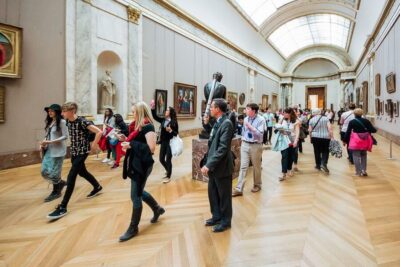 ★ 4.6Louvre Museum Timed-Entrance TicketTickets from $2671,977 guest reviews
 ★ 4.3Louvre Guided Tour with Reserved Access & Boat CruiseTickets from $8116,353 guest reviews
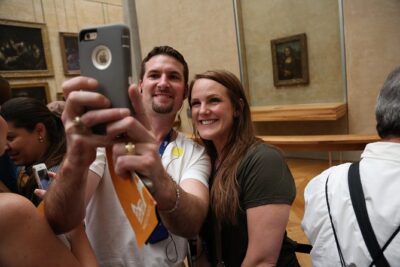 ★ 4.5Louvre Museum Masterpieces Guided Tour with AccessTickets from $8612,023 guest reviews
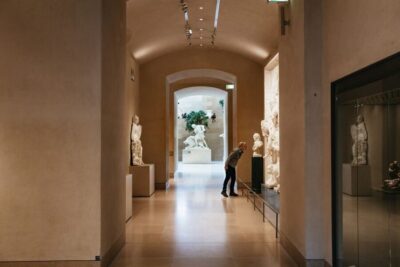 ★ 4.6Louvre Museum Entry Ticket With Host and River CruiseTickets from $1009,926 guest reviews
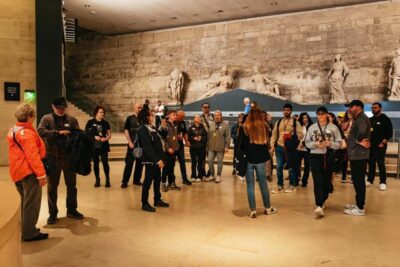 ★ 4.1Priority Access Louvre with Host -Direct to Mona LisaTickets from $748,387 guest reviews
 ★ 4.6Mona Lisa & Louvre Masterpieces Tour with Reserved AccessTickets from $806,812 guest reviews
 ★ 5.0Louvre Museum – Exclusive Guided Tour (Entry Included)Tickets from $1816,296 guest reviews
 ★ 4.0Louvre Reserved Ticket and River Cruise ComboTickets from $376,054 guest reviews
This tour also belongs to