
French cooking starts at the market. This private class near the Arc de Triomphe is interesting because you get Catherine as your instructor and you cook a hands-on seasonal 3-course lunch in her home. I like the practical, step-by-step teaching, and I like that the menu changes with what is best in season. One possible drawback: if you pick the market option, you can spend a lot of time shopping and learning ingredient origins, so the cooking time can feel tighter than you imagined.
You’ll meet in Paris at an apartment close to the Arc de Triomphe. This is set up for a small group, max 4 travelers, so you get real attention instead of standing on the sidelines. And yes, the kitchen space can be compact, so you may do prep in turns, depending on how the setup looks that day.
Quick hits: what makes Catherine’s class memorable
- Market-first shopping (optional): pick ingredients with Catherine at her favorite shops
- Seasonal ingredient guidance: learn product origins and the best time to use them
- Real participation: slicing, prepping, and cooking are part of the experience if you want in
- A 3-course lunch: you eat what you make, with beverages including wine
- Take-home recipes: you leave with instructions you can repeat later
- Small group feel: max 4 travelers, private instruction from start to finish
A Paris apartment lesson, not a demo show
Paris has tons of food experiences that look great on paper. This one is different because it happens in someone’s home kitchen, close to the Arc de Triomphe area. That matters. You see how French cooking actually happens when you have real pots, real prep space, and a real timeline.
I also like the private setup. At this class size, you’re not competing with other people for attention. Catherine can watch how you handle ingredients and correct small technique issues, like knife work and timing. That’s where a cooking class becomes useful, not just entertaining.
The other big plus is the focus on seasonal menus. French cuisine is not just about fancy sauces. It is about using ingredients when they taste their best. You’ll see that principle show up in the courses you prepare and in what Catherine tells you during shopping.
One thing to keep in mind: some reviews mention the kitchen can feel small. That can mean more rotating tasks. If you’re the type who hates sharing space or keeps waiting for the perfect moment to help, it might feel a bit less smooth than a big cooking school kitchen.
You can also read our reviews of more private tours in Paris



Near Arc de Triomphe: where the class really lives
Your class is based in an apartment near the Arc de Triomphe. The experience runs about 3 hours, and it is private with a maximum of 4 travelers. You get a mobile ticket, and confirmation comes at booking.
This location is practical for most Paris stays. It is close enough that you can fit the class into a day without massive transit time. Also, ending back at the meeting point keeps the plan simple. You do not have to worry about scrambling for a second ride after lunch.
The home setting also changes the vibe. Instead of a classroom feeling, you get more of that lived-in, conversational cooking atmosphere. Catherine walks you through the menu, you cook together, and then you sit down and eat what you made. It is more like a long meal with teaching built in.
If you choose the market option: shopping like a local
When you book the market upgrade, the experience starts at the market. Catherine meets you there and then takes you through the shops she likes for ingredient selection. That is the heart of the class for many people, because French cooking starts with ingredient choices, not tricks.
At the market, Catherine explains what matters: product quality and what those items mean in French culinary terms. You’ll learn about appellations and origins, and you’ll hear which ingredients are ideal for the season. That can be surprisingly eye-opening if you usually shop by looks or price.
A market stop is also where you learn a style of thinking. You begin to ask, Is this the right ingredient for the dish we’re making? Is it the best version of this product right now? That is the kind of habit you can take home, even if you never shop at a Paris market again.
There is also a bakery stop. You pick up fresh bread before heading back to Catherine’s apartment. In a French meal, bread is not an afterthought. It shows up as part of the rhythm of the table, especially with a lunch that includes multiple courses.
Choosing ingredients shapes your whole 3-course menu
A key detail: the menu is seasonal. Catherine explains the menu, and the recipes shift depending on what she selects during shopping or what is available for that time of year. That means you are not getting a fixed program that never changes.
In practice, this makes the class feel more authentic. French cuisine often gets simplified into a few stereotypes. In this class, you see the logic behind why certain dishes appear at certain times. You’re not just cooking, you’re learning how the kitchen chooses.
If you are hoping for one specific dish every time, this is worth noting. Some experiences can feel more repeatable if you know exactly what you will cook. Here, you cook what fits the seasonal plan Catherine has chosen.
Also, high-quality ingredients matter, and Catherine makes that point early. It is not about buying the most expensive items. It is about buying the right ones, then treating them well through prep and cooking.
Inside Catherine’s kitchen: how the lesson works
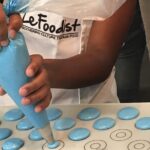
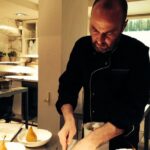
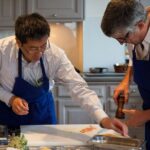
After the shopping and bakery stops, you head to Catherine’s apartment. She introduces the steps for the meal. Then she invites you to participate in prep and cooking, especially things like slicing vegetables and preparing meats, if you want to.
That invitation matters. A lot of cooking classes are light on actual hands-on work. Here, you can be involved from the start. It is a simple way to learn because you do the action while you hear the explanation.
Catherine is also comfortable teaching in English. Several people highlight how clear the instructions are and how patient she is with the learning process. You also get guidance on how to organize your time in a real kitchen, which is a skill most visitors never practice in cooking classes.
One theme that keeps showing up: multitasking. When you cook multiple courses, you cannot do everything one thing at a time. You plan ahead, you prep while something cooks, and you keep an eye on presentation. Catherine’s approach pushes you to think that way, not just follow steps blindly.
Some reviews mention the space and setup can make coordination necessary. If the kitchen is tight, you might take turns. That can actually be good training, because real kitchens often run on shared space and shared timing.
You can also read our reviews of more cooking classes in Paris



The techniques you can actually use at home
This class is built around a seasonal, 3-course meal, not a single dish. That format matters for your take-home value. You are not just learning one recipe, you are learning how French cooking connects prep, timing, and course progression.
You’ll likely cover basics like vegetable prep and meat preparation. You also work on at least one dish style that people describe as not as intimidating as they expected. For example, one person specifically mentioned Catherine demonstrating soufflé and making it sound manageable.
The key is that the teaching is meant to be repeatable. Catherine chooses recipes you can take home and make again for family and friends. She also shares the steps, so you are not leaving with a vague memory and a few photos.
One practical tip: pay attention to Catherine’s staging advice. People note how she explains organizing the time and how to multi-task. That is the difference between cooking something once as a tourist and cooking it again at home without chaos.
Lunch at the table: wine, conversation, and finishing strong
Once the meal is prepared, you sit down together with Catherine to eat. This is included, and it is a 3-course lunch. Beverages are included too, and wine is part of the meal experience.
That setup is why this class feels like more than cooking. The tasting is part of the learning loop. You cook, you eat, and you see what the end result should taste like. If you’re the type who learns best by doing, this structure fits perfectly.
Another thing to watch for is course pacing. When the market option is included, the whole morning or half-day is split between shopping, bread, prep, and then cooking. That can work beautifully if you enjoy the full French process, but it can feel imbalanced if your main goal is maximum time at the cutting board.
Also note the wine drinking age rule: minimum drinking age is 18. If you are traveling with a younger person, they can still join if accompanied by an adult, but the wine element is adult-only.
Price and value: what $224 buys you in real terms
At $224 for about 3 hours, this is not a budget cooking class. So the only honest question is: is it worth it for you?
Here’s the value picture based on what the experience includes:
- You get private instruction with a maximum of 4 travelers
- You can add a market visit with ingredient origin lessons
- You cook and eat a 3-course lunch
- Beverages are included, and wine accompanies the meal
- You get take-home recipes
The value is strongest if you want more than a recipe. If you want technique help, seasonal ingredient knowledge, and a real home-cooked lunch, the price starts to make sense. You’re paying for Catherine’s time, her kitchen, her market choices, and the whole meal experience.
The value is weaker if your expectation is a heavy cooking-only session. One concern that comes up is that some people felt the market stop took more time than cooking. Another felt like the class offered limited cooking beyond chopping ingredients. If that is your priority, you might want to mentally plan for the fact that this is a full French food experience, not just a sprint in the kitchen.
Also, menu variation can shift what you end up cooking. If you have strong preferences for a particular main dish style, that uncertainty is part of the seasonal model.
Who should book this class, and who might not
This experience fits best if you:
- Want a hands-on French cooking class in a home kitchen
- Enjoy seasonal food and want ingredient origins explained
- Like the idea of optional market shopping and a bakery stop
- Want to leave with recipes you can actually cook again
It might not fit as well if you:
- Want mostly cooking time and very little shopping
- Expect a fixed menu with no changes
- Hate the idea of working in a smaller kitchen footprint
There’s also a practical note about language and expectations. Catherine speaks English well, which helps a lot for understanding. But if you are hoping for cookbook support in English, that depends on what’s available. You might find cookbooks language support varies.
Small details that can change your experience day
A few things can affect how the day feels, and they’re worth knowing upfront.
First, the home kitchen setup. Some reports mention a kitchen that is small enough that people rotate prep tasks. If you’re easygoing, this often becomes part of the fun. If you prefer your own workstation the entire time, it could feel limiting.
Second, the market time balance. If you take the market option, your morning includes shopping and learning. That can be a highlight because you see what locals look for. It can also be frustrating if you expected to spend most of the time actively cooking.
Third, the season and menu. Because the dishes depend on seasonal ingredients, the exact main course can differ. That flexibility is the point for many food lovers. If you want predictability, you might find it hard to set expectations in advance.
Take-home recipes you’ll actually use
One of the best parts is that you leave with recipes. Catherine selects recipes you can take home and make for family and friends. That is the kind of souvenir that keeps paying off.
The recipes also connect back to the teaching. If Catherine shows you how to organize time and how to manage course flow, you can use that planning framework again. It is not just ingredient lists. It is approach.
My advice: when you get home, cook one dish first, not the whole menu at once. Use the class recipes as a template, then tweak based on what you can find locally. French cooking works best when you keep the spirit, not just the exact ingredients.
Should you book? My practical verdict
Book this class if you want a private, seasonal French cooking lesson that ends with a real meal at the table. The best value comes from the full experience, especially the optional market visit where Catherine teaches ingredient origins and seasonality. You’ll come away with technique help, clear instruction, and recipes you can repeat.
Skip or be cautious if your main goal is maximum cooking time and you expect a fast, kitchen-only session. The market stop is part of the design, and the seasonal menu can change what you cook. Also, if you are very sensitive to small working spaces, know that the apartment kitchen can require rotating prep tasks.
If that all sounds like your kind of day, this is a smart way to do Paris food for more than a photo. You get the story behind the ingredients, you cook the food, and you eat it while it’s still fresh from the lesson.
FAQ
How long is the private cooking class with Catherine?
It lasts about 3 hours.
Where does the class take place?
It takes place in an apartment near the Arc de Triomphe in Paris.
Can I add a market visit?
Yes. If you choose the market option, the experience starts at the market with Catherine and includes ingredient selection, and you also stop for fresh bread before going to her home.
Is the class private?
Yes. It is a private cooking instructor experience, with a maximum of 4 travelers.
What is included in the price?
It includes beverages, bottled water, and a 3-course lunch, plus the private cooking instructor.
Are dietary requirements accommodated?
You should advise any specific dietary requirements at the time of booking.
More Cooking Classes in Paris
More Private Tours in Paris



More Tour Reviews in Paris






Not for you? Here's more nearby things to do in Paris we have reviewed










Arc de Triomphe Tours, side by side.
 ★ 4.6Arc de Triomphe Rooftop TicketsTickets from $1834,264 guest reviews
 ★ 4.5Arc de Triomphe Entry with Seine CruiseTickets from $45758 guest reviews
 ★ 4.0Arc de Triomphe Priority Tickets – Optional Private GuideTickets from $35313 guest reviews
 ★ 4.4Arc de Triomphe Ticket & Big Bus Hop-on Hop-off TourTickets from $63145 guest reviews
 ★ 3.5Arc de Triomphe + Rooftop Access TicketsTickets from $80126 guest reviews
 ★ 4.0Arc de Triomphe and Seine River CruiseTickets from $44118 guest reviews
 ★ 3.0Flexible Entrance Tickets to Arc De Triomphe RooftopTickets from $3755 guest reviews
 ★ 4.5Paris Arc de Triomphe Entry and Mini Walking TourTickets from $9451 guest reviews
This tour also belongs to