
Review · PARIS CITY TOURS
Paris and Parisians During WWII | Private Walking Tour
WWII in Paris, on your feet. I like how this 2.5-hour walk turns big, scary history into specific street-level places you can actually see. My other favorite part is the human angle, with your guide, Marie, helping you connect what happened in the city to the people living there.
What to watch for is the subject matter. This tour covers Nazi occupation and Nazi crimes, so expect a serious, emotional tone rather than light sightseeing.
If you want a guided history route that stays centered on Paris itself, this format works well. It keeps the group small, capped at 10, and you spend your time walking through the heart of the city instead of sitting in a classroom.
Key highlights to know before you go
- Marie leads with clarity and care, with praise for making the experience memorable and pleasant
- Max 10 people keeps the pace personal, with room for questions
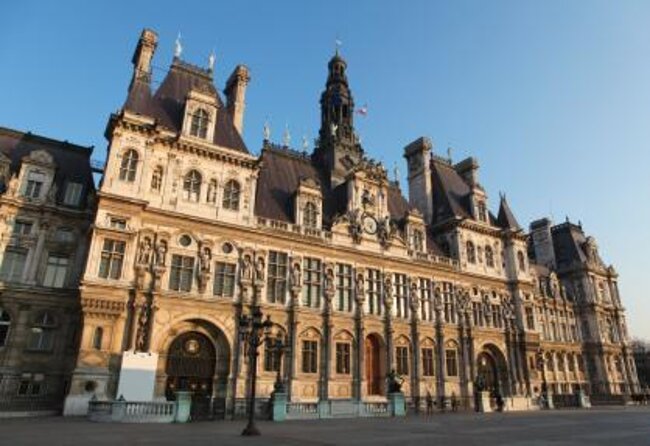
- City Hall (Hotel de Ville) stop puts occupation-era political decisions into real geographic context
- Cité Island near Notre Dame helps you anchor the story in central Paris streets and landmarks
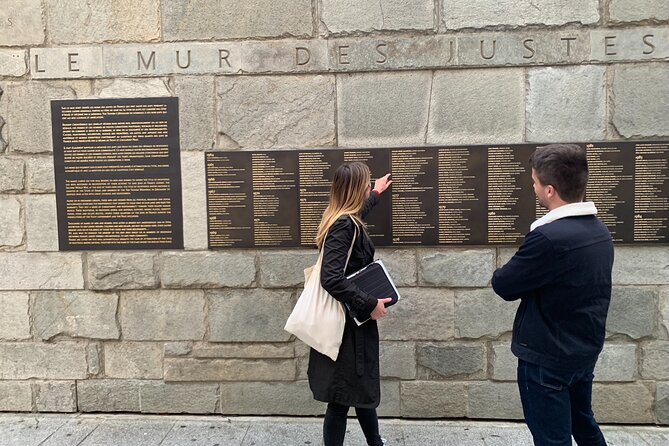
- Holocaust Memorial stop gives a respectful, reflective pause that fits the tour theme
- Private feel for your party, even though the tour stays capped at a small group size
Why this Paris WWII walk feels different
Most “WWII in Paris” experiences fall into two buckets: too general, or too museum-heavy. This one is built around movement, so you get the effect of seeing the city as a living stage during occupation and liberation.
I like that it focuses on civilians and everyday reality. Instead of only naming events, you’re guided to understand what life could feel like for Parisians during years of Nazi occupation. That framing makes the later story of resistance and liberation land more personally.
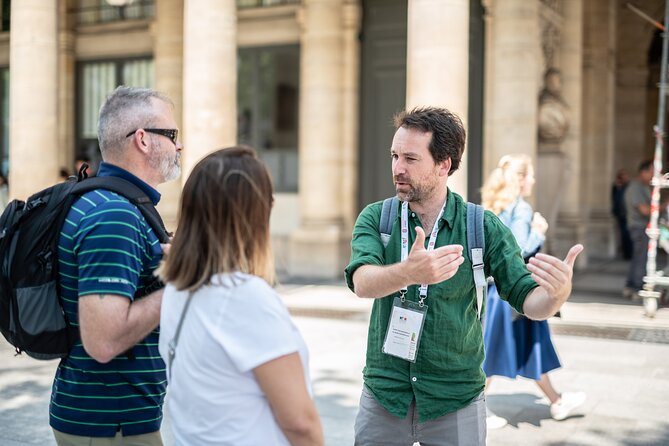
Also, the guide is not just reciting dates. Your local, English-speaking expert provides live comments as you walk. That matters because Paris is layered, and it helps to have a guide who can connect the dots between what you see now and what it meant then.
You can also read our reviews of more walking tours in Paris



The walking route, start point, and timing that actually work
You meet at Paroisse Saint-Paul Saint-Louis, 99 Rue Saint-Antoine, 75004 Paris, and the tour ends back there. It is a 2 hours 30 minutes walk in central areas, designed for people who want structure without locking themselves into an all-day museum schedule.
This kind of tour is most enjoyable when you plan for stamina. You’ll cover enough ground to feel like you moved through the city, but it is still a walking tour, not a short photo stop with explanations. I recommend wearing comfortable shoes, even if your weather plan says you will only be out for a couple hours.
For logistics, it is near public transportation, and service animals are allowed. Confirmation comes close to booking time in most cases, and you get a mobile ticket.
Stop 1: Hotel de Ville, where decisions got made
The City Hall of Paris (Hotel de Ville) stop is a strong anchor point for this tour. It’s one of those places where you can almost feel how politics shapes daily life, especially in a period when control and authority were contested.
From the way the tour is described, the goal here is not to admire architecture. It is to understand the connection between power and what people experienced. This is where your guide frames the political decisions behind occupation years, then points you toward how the story shifts when resistance grows and liberation becomes possible.
A practical tip: you may want to take a moment at the start of the stop to look at the space around you, not just the building itself. City centers like this can feel visually “obvious,” but your guide will help you notice how the layout and prominence of a place can intensify what it represents.
Stop 2: Cité Island near Notre Dame, history in the center of everything
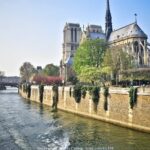
Your second listed stop is on Cité Island, near Notre Dame. This is prime Paris territory, and the location matters. Being on Cité, in the center of the city’s geographic and symbolic core, helps you understand that occupation and resistance were not “somewhere else.” They were in the middle of normal urban life.
Here, I’d expect the guide to connect the narrative to the physical setting, using the island and nearby landmarks as waypoints for the period. The tour emphasizes how Parisians lived through occupation, then focuses on the people who worked to end it, from the French Resistance to the Liberation of Paris.
The drawback to keep in mind is that this is a lot of heavy context in a compact time window. If you prefer to absorb history slowly, you might want to give yourself a quiet moment after the tour, so it doesn’t all blur together.
Pause at the Holocaust Memorial, a necessary moment of reflection
The tour includes a stop at the Holocaust Memorial. This is not described as a quick photo break. It is part of the overall arc, tied to Nazi occupation and the crimes committed under that system.
I appreciate memorial stops in guided walks because the guide can frame what you’re seeing with care and intention. Without that, you can miss the point, especially if you are rushing from one major landmark to another.
This stop also changes the emotional pace of the tour. You’re moving from occupation-era realities toward a recognition of what those realities meant for the victims. If you are sensitive to difficult material, plan your day around it. Don’t stack something joyful and loud immediately afterward.
You can also read our reviews of more private tours in Paris






How the guide changes the experience (Marie is a big deal)
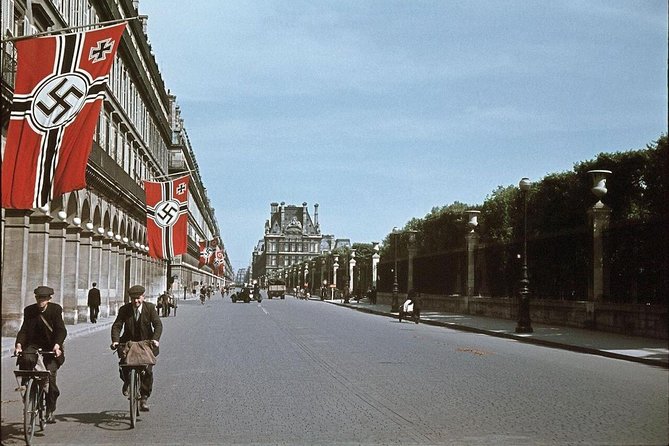
The reviews highlight one recurring strength: Marie. People praise her as both extremely knowledgeable and pleasant, and say she made the experience memorable. That matters because this topic needs both accuracy and tone.
A good WWII guide does two things at once. First, she explains enough context to make the city’s places meaningful. Second, she keeps the experience respectful and grounded, so it doesn’t turn into trivia.
If you care about getting real answers, not just “see and move on,” this tour format gives you that chance. It is capped at 10 people, which helps your guide manage questions without turning the walk into a single-file lecture line.
What “small-group” really means for your day
This tour is limited to 10 people. That small cap is not just a comfort feature. It affects how your guide can work in a walking route.
With a group this size, you are more likely to get tailored explanations rather than a generic script. And if you have questions, you should have more opportunity to ask them in the moment.
It also helps with comfort around central Paris landmarks. You’re walking in an area where larger groups can bottleneck. Here, the limit should keep the pace reasonable and the experience easier to follow.
Finally, you’re told it is private in the sense that only your group participates. So if you’re booking as a couple or small circle, you should get that focused feel without having to share the story with strangers in a big crowd.
Price and value: what you are paying for
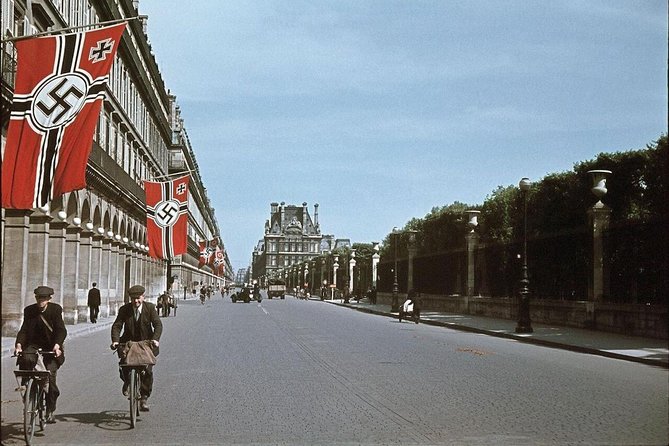
At $278.09 per person for about 2 hours 30 minutes, the price is not low. But value here is less about cost per minute and more about what you get in that time.
You are paying for:
- a local, English-speaking expert guide
- a small group limited to 10
- a guided walk through central Paris with thematic stops, including Hotel de Ville and the Holocaust Memorial
- live commentary while you move, not a passive transfer between sites
If you compare this to doing the same route on your own, you’re likely to get a list of buildings. With a guide, you get interpretation and context tied to what you see right now, which is the difference between landmarks and understanding.
This is also a good option when you want one focused experience. If you try to DIY WWII sites across Paris without a framework, you can end up with scattered information. Here, the structure is the product.
Who this tour fits best
This tour suits you if you:
- want a guided history walk rather than a museum-only day
- like stories grounded in real locations, not just broad timelines
- care about the human side of WWII, especially how occupation affected city life
- prefer small groups where you can actually hear and ask questions
It may be less ideal if you want light, casual sightseeing. The topic is serious, and the pacing is built for learning and reflection.
Practical tips so the story sticks
You can get more out of this type of tour by preparing a little. Nothing fancy, just smart.
- Wear comfortable shoes for a 2.5-hour walk in central Paris.
- Bring a basic expectation check: this is about occupation and liberation, not an art or photo tour.
- If you know you get emotionally affected by memorials, plan a calmer follow-up activity rather than rushing into something hectic.
Also, since you start and end at Paroisse Saint-Paul Saint-Louis, it is easy to plan your next stop nearby. You’ll likely feel more oriented for the rest of your day, because you’ll have walked through the city’s key narrative spaces rather than just passing them.
FAQ
FAQ
How long is the Paris and Parisians During WWII walking tour?
It runs for approximately 2 hours 30 minutes.
What is the group size limit?
The tour is capped at a maximum of 10 people.
Is the tour private?
Yes, it is private in the sense that only your group will participate.
Where do we meet for the tour?
You meet at Paroisse Saint-Paul Saint-Louis, 99 Rue Saint-Antoine, 75004 Paris, France.
Where does the tour end?
It ends back at the meeting point.
What is included in the price?
Included are a local expert English-speaking guide, the 2.5-hour small group walking tour of historical Paris, and live comments from your guide.
Is food or drinks included?
No, food and drinks are not included.
Does the tour allow service animals?
Yes, service animals are allowed.
What is the cancellation policy?
You can cancel for a full refund up to 24 hours in advance. If you cancel less than 24 hours before the start time, the amount paid is not refunded.
Should you book this WWII walking tour?
I think you should book it if you want a focused, small-group Paris walk that explains Nazi occupation and the path to liberation through specific places like Hotel de Ville, Cité Island near Notre Dame, and the Holocaust Memorial. The guide factor matters here, and the strong praise for Marie suggests the storytelling is both clear and respectful.
Skip it if you’re looking for a casual sightseeing day or you prefer lighter themes. This tour is about weighty material, and that is exactly why it works.
If your goal is to understand Paris during WWII in a way that sticks, this is a solid use of a half-day in the city.
More Walking Tours in Paris


More Tours in Paris





More Tour Reviews in Paris





Not for you? Here's more nearby things to do in Paris we have reviewed










Paris City Tours, side by side.
 ★ 4.6Louvre Museum Timed-Entrance TicketTickets from $2671,977 guest reviews
 ★ 4.6Disneyland® Paris 1-Day TicketTickets from $6149,412 guest reviews
 ★ 4.6Versailles Palace and Gardens Full Access TicketTickets from $1741,579 guest reviews
 ★ 4.6Arc de Triomphe Rooftop TicketsTickets from $1834,264 guest reviews
 ★ 4.7Orsay Museum Entry TicketTickets from $1525,647 guest reviews
 ★ 4.4Evening River Cruise with MusicTickets from $2722,721 guest reviews
 ★ 4.4Eiffel Tower Entry Ticket with Optional Summit AccessTickets from $2920,035 guest reviews
 ★ 4.3Eiffel Tower Summit or Second Floor AccessTickets from $5917,248 guest reviews