
Review · PARIS CITY TOURS
Paris Croissant and Breakfast Pastry Class with a French Chef
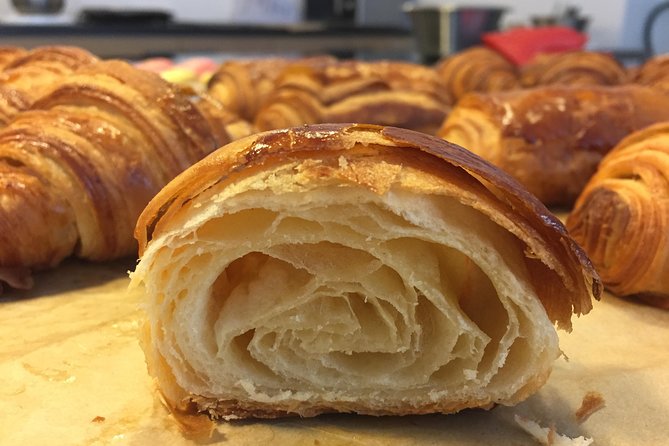
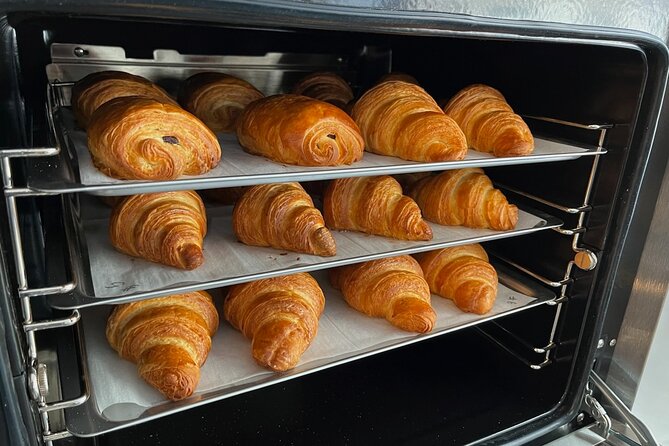
Croissants sound simple, until you watch the layers. This 3-hour Paris baking class turns butter, dough, and timing into real technique, with small-group coaching from a French pastry chef and enough finished pastries to enjoy later. If you want a real-food version of French culture, this is it.
I especially like the personal pace of a maximum group of six, where you get to do each step and not just stand around with your phone. I also like that the class is built around key methods like the beurrage, the turns, and following la pousse, so you leave with a process you can repeat at home.
The one drawback to think about is effort. Croissants are a layered, yeast-leavened project, and even though stages are managed for you, this is still work, not a casual stroll-and-snack activity.
Quick takeaways for your croissant mission

- Maximum 6 people keeps the instruction focused and the hands-on time real
- Chef-led technique covers beurrage, pâton, turns, feuilleter, and la pousse
- You take home what you bake, plus coffee or tea during the class
- Thursday classes may include bicolor croissants with chocolate pralin
- Recipes and equipment are provided, so you do not need to show up “fully stocked”
- The dough timing is staged, because croissant prep needs more than one day
Inside Patisserie a la Carte, where the butter work begins
Your class starts at 9 Rue Thimonnier, 75009 Paris, and it ends back at the same meeting point. That matters more than you’d think. Paris can chew up time with transfers and wandering, and here the whole morning is anchored in one place.
The class runs with a French pastry chef in a professional kitchen setup, and the group size is capped at six. In practice, that means you get time at the counter, time to ask questions, and time to redo a step when something looks off. One theme from past sessions is that the instructors are patient and very step-by-step. Names that show up in prior classes include Julie, Hiba, Gaëlle, and Marie, so you’ll likely feel well guided no matter who you get.
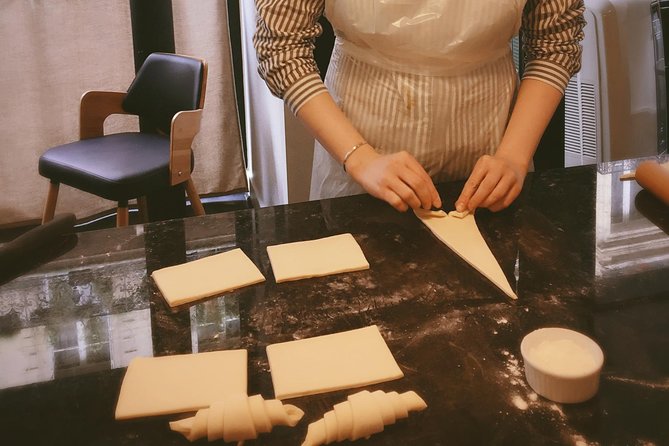
You’ll want to show up ready for kneading, rolling, and folding. Wear comfortable casual clothes and flat shoes. Tie back long hair. This is not about looking nice for photos. It’s about keeping dough on track while you work.
More Paris tours and experiences for the shortlist


The skills you learn: beurrage, pâton, turns, and la pousse
Croissant-making has a reputation because it’s technical, not because it’s magic. The class focuses on the exact parts that create those light, crisp, shattery layers and the soft interior you want.
Here’s what you’ll learn, in plain terms:
- Make the beurrage
This is how butter is incorporated into the dough called pâton. The goal is to create a butter-dough laminate that will puff into thin, separated layers during baking.
- Pâton
Think of pâton as the dough block after butter has been folded into the dough envelope. In other words, it’s your laminated dough starting point.
- Make the turns
Turns are the repeated rolling and folding steps that build structure. This is where you develop the layer count. Do it right and the croissant texture becomes dramatically better.
- Feuilleter (make it into leaves)
This is the folding and rolling process that forms thin layers. It sounds fancy, but what you really learn is how to handle dough so layers stay intact instead of smearing together.
- Follow la pousse
This is the fermentation and rising phase caused by yeast as the dough expands. If you rush this part, you usually lose volume. If you respect it, you get better lift and a more tender crumb.
What I like about this approach is that it turns vague advice like dough must be cold into a specific checklist. You are not just baking something. You are learning how pastry chefs control texture.
Croissants and pain au chocolat: the hands-on flow you’ll repeat
The class is designed so you perform each step during the session. That’s the difference between tasting croissants and learning how to make them.
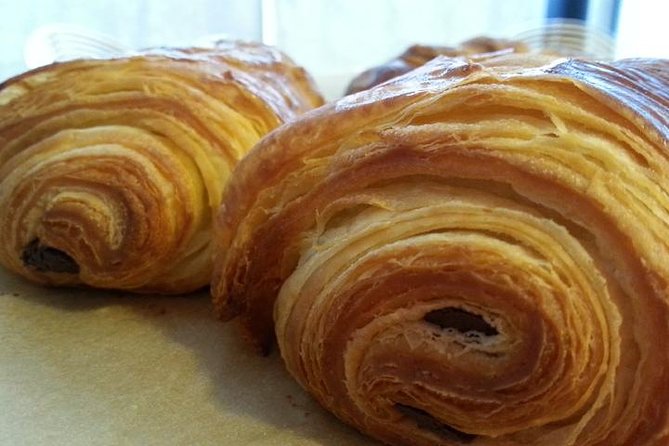
You’ll be working on classic buttery croissants plus pain au chocolat, the chocolate-filled croissant. The process is labor intensive because of the laminated dough steps, but the class is organized into stages so you are not waiting around while nothing happens.
What you can expect during the working time:
- You’ll learn how to handle laminated dough without tearing it or warming it too much.
- You’ll do the turning and folding sequence, then progress to the shape and fill steps for pain au chocolat.
- You’ll bake and enjoy the fruit of your labor, not just pack raw dough home.
Some past participants have described leaving with a substantial amount of baked goods, like a mix of several plain and chocolate croissants (one example mentioned 4 chocolate croissants and 4 plain). Your exact takeaway can vary by timing and class flow, but the pattern is clear: you typically bring home enough to eat across a couple of meals, not just one pastry.
At the end, you get tea and coffee, plus a more relaxed moment to talk technique and compare notes with your group. It turns the session from workshop mode into Paris morning mode.
Thursday mornings: bicolor croissants with chocolate pralin

If you’re in Paris on a Thursday morning, there’s a special variation. The class may make bicolor croissants filled with chocolate pralin.
This is a fun option for two reasons. First, it gives you something more visually French pastry shop than plain laminated croissants. Second, bicolor pastries typically involve extra dough work, which means you get even more practice with technique, not just repetition.
If your goal is pure classic croissants and pain au chocolat, you’ll still get that. The Thursday option is basically a bonus layer of creativity built into the same core skill set.
How croissant timing is handled, so you actually get fresh results
Croissants require time. You can’t fully build the perfect laminated dough in just a couple of hours without help. This is why the class includes a key note: layered yeast-leavened dough needs a lot of prep time, and stages are managed so you can enjoy your pastries at the end of the course.
In other words, you do not start from scratch with everything every minute of the class. Some prep work happens in advance, and then the course walks you through the practical parts you need to learn and master.
During the session, you will still work the important stages, especially the techniques tied to the dough layers and fermentation. But the structure of the class helps you avoid the common frustration of croissant projects at home, where you spend hours and still end up with disappointing results because the process got out of sync.
For you, that’s the value. You leave with hands-on technique and a realistic understanding of where the time goes, without needing to rearrange your entire week to make one breakfast item.






What’s included, and what saves you effort
This class is priced like a true workshop because it includes the stuff that makes baking feasible for visitors.
Included:
- Professional French pastry chef
- Small groups up to six
- English language recipe copies
- Aprons and all cooking equipment
- Take-home bags
- Tea and coffee
- An eBook: Everyday Gourmet French Tarts (as part of a 10th anniversary offer)
Not included:
- Hotel pickup or drop-off
- Transportation to and from attractions
That setup matters. You show up, you work, you learn, and you leave with pastries. You are not tracking down butter brands, flour types, baking sheets, or weird French terms before you even start.
Price and value: is $131.54 worth it?

At $131.54 per person for about 3 hours, this is not a budget cooking class. But when you look at what’s included and how it’s run, the value is easier to justify.
Here’s what you’re paying for:
- A master-chef level instruction format with a small group cap
- Real hands-on training in techniques that are hard to learn from a book
- You bake and leave with fresh pastries plus a home-ready skill set
- Equipment, aprons, and recipes are handled for you, which reduces wasted time and extra shopping
Also, croissants are not fast food. The layered dough process, the resting needs, and the technical shaping work mean this class costs more to deliver than simple baking where you just mix and bake.
If you’re the type of traveler who likes doing one meaningful activity that you can talk about for months, this fits. If you just want to eat a pastry, you can find croissants in every neighborhood for less money. But you’d miss the technique.
Best for who? A realistic fit check
This class is ages 15+. If you’re going with a younger teen, children must attend with a registered adult.
It also helps if you enjoy hands-on tasks. Past comments point out that it can be a lot of work, and one review singled out that it may be best for those with some baking experience. But you do not have to be a pastry professional. The class format, step-by-step coaching, and the fact that everyone completes each step during the session make it approachable for motivated beginners.
You should especially consider booking if:
- You want a French food experience that is more than tasting
- You like learning a process, not just eating a result
- You want to take home pastries you made yourself
You might choose something else if:
- You hate rolling and folding tasks
- You want a strictly passive experience with minimal standing and work
- You are expecting a quick snack session
What to do before you go, so you get the most out of it
Before your morning class, plan around the fact that croissants need attention and the process involves repeated dough handling. The class provides recipes and equipment, so you do not need to bring baking gear.
But you should:
- Wear comfortable clothes and flat, comfortable shoes
- Tie back long hair
- Think through allergies or dietary restrictions and advise the operator at booking time, since the class asks for that information
- Arrive on time. After a 5-minute delay, the course begins without the late client, and the class can be canceled if nobody shows up by 15 minutes
You do not want to lose your chance to participate because croissant dough waits for nobody.
Should you book this croissant class in Paris?
If your answer is yes to hands-on learning, I’d book it. This is one of the most practical ways to understand why Paris croissants taste the way they do. You’ll learn the core mechanics: beurrage, turns, feuilleter, and la pousse, and you’ll do the steps in a small group with a real French pastry chef.
It’s also a strong value if you consider what you get when you combine instruction, baked output, drinks, and take-home supplies. At $131.54, it’s priced like an experience that respects the time and technique behind laminated dough.
My biggest caution is effort. If you want an easy morning with minimal work, skip this. If you want a genuine baking skill you can try again later, and you don’t mind putting in your own elbow grease, this class is a smart Paris choice.
FAQ
How long is the croissant and breakfast pastry class?
The class runs for about 3 hours.
How many people are in each class?
Each class is capped at a maximum of 6 participants.
Is the class offered in English?
Yes, the class is offered in English, and you receive an English copy of the recipes.
What’s included in the price?
The price includes a French pastry chef, small-group instruction, aprons, cooking equipment, English recipe copies, take-home bags, tea and coffee, and an eBook (Everyday Gourmet French Tarts).
What should I wear or bring?
Wear comfortable casual clothing and flat comfortable shoes, and tie back long hair. The class provides aprons and cooking equipment.
What if the class gets canceled or I need to cancel my booking?
You can cancel for a full refund up to 24 hours before the experience starts. If the minimum number of travelers is not met, you may be offered an alternative date or a full refund.
More Workshops & Classes in Paris



More Tour Reviews in Paris



Not for you? Here's more nearby things to do in Paris we have reviewed












Paris City Tours, side by side.
 ★ 4.6Louvre Museum Timed-Entrance TicketTickets from $2671,977 guest reviews
 ★ 4.6Disneyland® Paris 1-Day TicketTickets from $6149,412 guest reviews
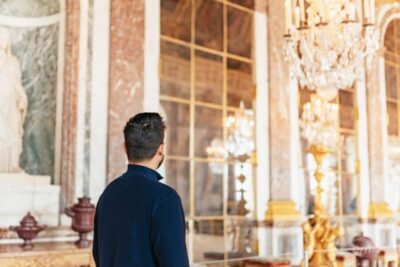 ★ 4.6Versailles Palace and Gardens Full Access TicketTickets from $1741,579 guest reviews
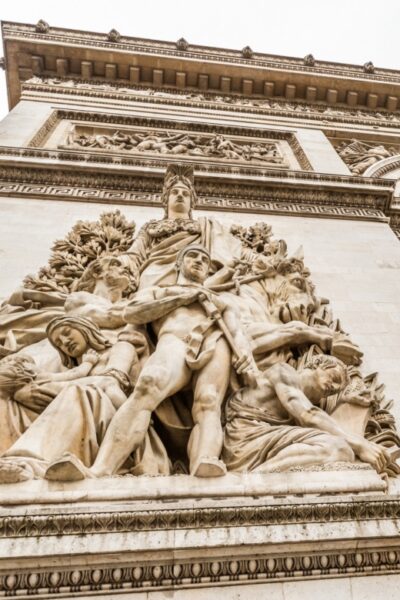 ★ 4.6Arc de Triomphe Rooftop TicketsTickets from $1834,264 guest reviews
 ★ 4.7Orsay Museum Entry TicketTickets from $1525,647 guest reviews
 ★ 4.4Evening River Cruise with MusicTickets from $2722,721 guest reviews
 ★ 4.4Eiffel Tower Entry Ticket with Optional Summit AccessTickets from $2920,035 guest reviews
 ★ 4.3Eiffel Tower Summit or Second Floor AccessTickets from $5917,248 guest reviews
This tour also belongs to