
Review · PARIS CITY TOURS
Neoclassical Paris Architecture 2-Hour Private Walking Tour
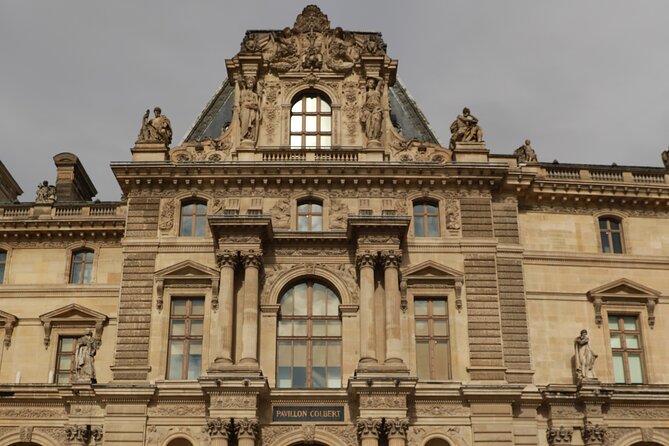
Neoclassical Paris has a hidden brain. In two hours, this private walking tour turns Paris’s most elegant civic buildings and royal spaces into a readable story about neoclassical design. You start in the former stock exchange, then walk through squares, an arcade, and formal gardens that make the style click fast.
What I like most is how the tour is led by an art historian who makes details understandable, not foggy. In the reviews, guides like Milica and Melissa are praised for clear explanations, friendly energy, and lots of connecting art, architecture, and history into one thread.
One possible drawback is simple: it is a focused walking experience with no food or drinks built in, so you will want to plan around breaks if you need them. Also, it is rated for moderate fitness, so you will want comfy shoes and an easy pace in central Paris.
Quick takeaways
- Private, up to 6 people: get a quieter, more tailored walk than big-group sightseeing.
- Art historian leadership: you learn the why behind neoclassical choices, not just what you are looking at.
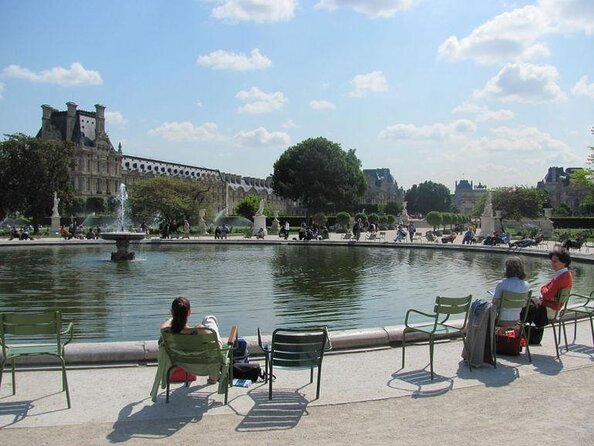
- A tight 2-hour route: Palais Brongniart, Place des Victoires, Galerie Vivienne, Tuileries, and Palais-Royal.
- Free stops: each landmark stop lists admission as free, so you are paying mainly for the guide and time.
- Built for customization: you can steer the conversation toward what you care about most.
Why neoclassical Paris feels different on foot
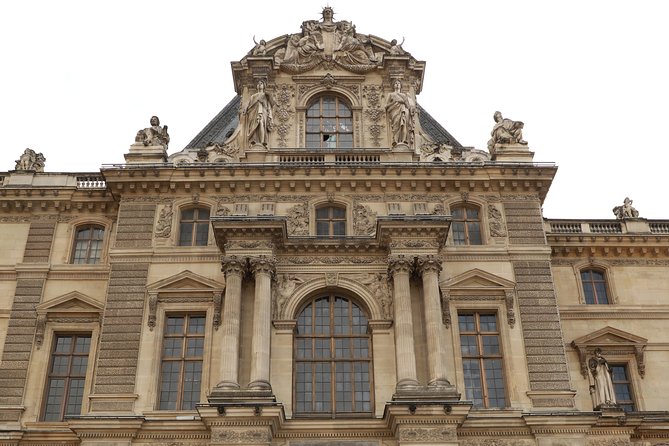
Paris can be loud when you only chase the big names. This tour slows you down in the parts of the city where neoclassical style shows up as order, symmetry, and public values made visible in stone.
Neoclassical architecture is basically Paris saying: we can be grand and calm at the same time. You will notice how this style tries to borrow from the ancient world, but applies it to modern civic life. Walking between these sites is the best way to feel that logic, because the buildings and spaces keep responding to each other as you move.
The value here is not just the buildings. It is the guide’s ability to translate architectural language into something you can actually see. You end the walk with mental labels you can reuse on your own the rest of the trip.
You can also read our reviews of more walking tours in Paris



A private art historian guide, and why it matters
This is a private tour for your group of up to 6, led by a professional art historian. That changes the whole tone. Instead of rushing through stops, you can ask questions as you walk, and the guide can adjust the emphasis to your interests.
The reviews highlight a few patterns that you should expect. First, the explanations are described as easy to follow, even when the topic is academic. Second, the guides do not just lecture, they keep you thinking, with questions that pull you into what to notice next.
Names that came up in the strongest feedback include Milica, Melissa, Dunya, and the operator response from Boris at Paris in person private tours. The consistent thread is friendly delivery plus serious expertise, which is what you want when the subject is architecture. If you like your tours to feel like a conversation with a specialist, this format is a good match.
Your 2-hour route: from Palais Brongniart to Arc du Carrousel
You get an approximately 2-hour walk with five main stops, each given a set amount of time. The rhythm is well paced, so you are not stuck for ages at one place.
The plan starts at Bourse75002 Paris and ends at Arc de Triomphe du Carrousel, Pl. du Carrousel, 75001 Paris. That ending is handy because it drops you near a big, open landmark area where it is easy to continue on your own.
Also, this is offered in English, with a mobile ticket. It is near public transportation, and service animals are allowed. If you are traveling with kids, the private format can help, since the guide can tailor the level of detail, as shown in the feedback about a parent and daughter tour.
Stop 1: Palais Brongniart, neoclassical ideals in a former stock exchange
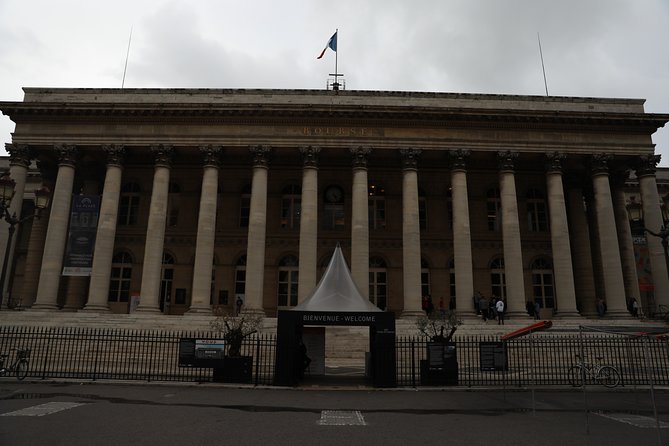
Your first stop is Palais Brongniart, the former stock exchange building. This is a great opener because it ties neoclassical style to a specific moment in Paris, when the city wanted its commerce to feel serious, stable, and respectable.
You get about 30 minutes here, and admission is listed as free. That matters because it lets you spend time on what you can actually observe and discuss, without feeling squeezed by ticket lines or paid entry.
What to watch for with a neoclassical building like this is the sense of civic theater. The style tends to use clear proportions and formal surfaces that make the building feel like it has a job beyond function. Listen to the guide’s framing around the era’s values. If you only look at it as pretty stone, you miss the bigger idea: architecture as messaging.
Stop 2: Place des Victoires, the square that teaches the style
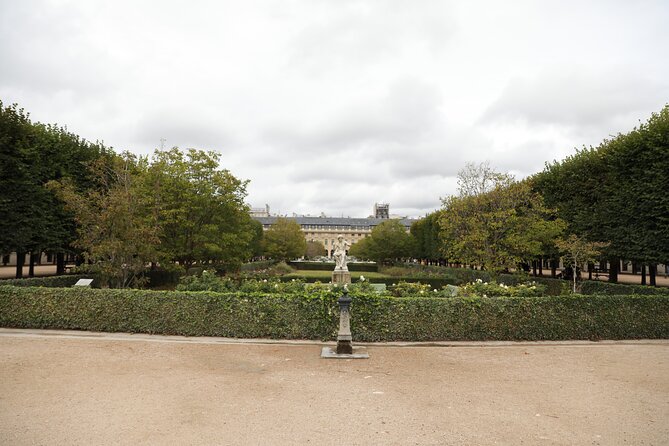
Next up is Place des Victoires, about 15 minutes, free admission. This square is one of the four royal squares of Paris, and it is a key reference point for understanding how classical thinking shaped urban design.
Squares are underrated tour stops. They are where neoclassical ideas show up in three dimensions, because the space is part of the design. You get a chance to see how buildings face each other, how sightlines work, and how the square functions like an outdoor room.
With a good art historian guide, you will also learn how this square connects to the idea of a classical predecessor, essentially a model for how neoclassical thought wanted cities to look and behave. If you like urban planning, this short stop punches above its time slot.
You can also read our reviews of more private tours in Paris






Stop 3: Galerie Vivienne, the 19th-century arcade that shaped shopping
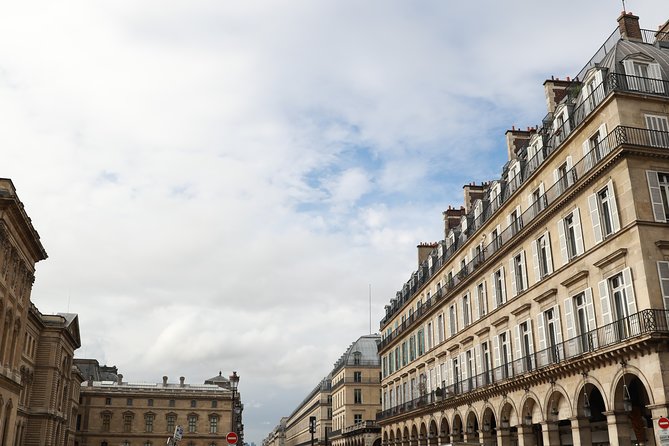
Then you head to Galerie Vivienne, roughly 20 minutes, free admission. This stop is fun because it connects architecture to daily life, and it explains why arcades mattered.
The tour frames the arcade as an ancestor to the shopping mall concept, and that comparison helps you understand why the space feels special even today. You are not just seeing a pretty corridor, you are seeing a social technology for commerce, weather protection, and strolling.
What to do here is slow your pace a bit and pay attention to the rhythm of the passage. Notice how light and layout guide movement, and how the design turns a shopping route into an experience. When a guide can connect that to broader architectural styles, it feels less like trivia and more like “aha, I get why this exists.”
Stop 4: Jardin des Tuileries, royal garden logic from a neoclassical angle
Next is the Jardin des Tuileries, about 20 minutes, also free. This is the one that gives you air and open sightlines after the tighter spaces of an arcade and a square.
The Tuileries is described here as the former royal garden, seen through neoclassical style and thought. That angle is important. Gardens in this era were not just nature, they were composed space, planned to match ideals of order and beauty.
During your time here, you can expect a shift in what the guide emphasizes. Instead of explaining building facades, the conversation likely turns to how garden layouts encourage certain views and moods. If you like atmosphere, this is a nice reset that also helps you understand neoclassicism as a worldview, not just a look.
Stop 5: Palais-Royal complex, from commerce back to classical form
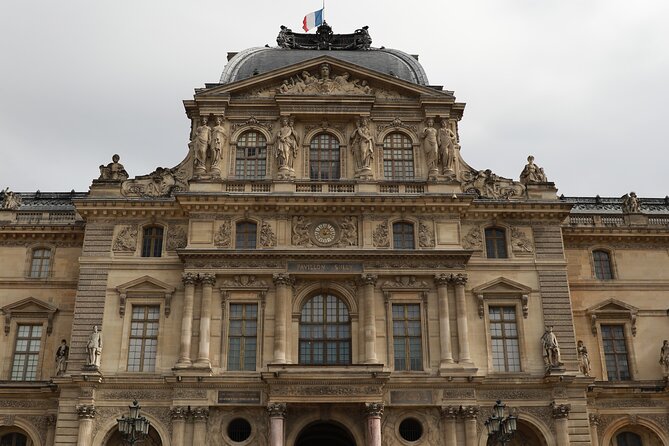
The final stop is the Domaine National du Palais-Royal, around 20 minutes, free. This is where the tour theme shows up in a modern twist: the Palais Royal complex is known for becoming a commercial center, yet you still read classical structure and courtly space in the plan.
This is also where you get the most likely chance to encounter parts of the area tied to the Cour Carré mentioned in the highlights. Even if your focus is on buildings, this end stop works because it is all about space use, not only architecture.
Here is where the private format pays off. If you are curious about how classical spaces got repurposed, you can ask. If you are more interested in composition and symmetry, you can steer the guide toward that instead. Either way, you end with a practical understanding of how Paris reuses its own bones.
What you will walk away understanding (and spotting later)
A good neoclassical tour should give you more than a list of names. This one is built to help you see patterns.
You will likely come away with these takeaways:
- How neoclassical architecture borrows from ancient forms to create a sense of stability.
- How public spaces like royal squares act like design tools, not just open areas.
- Why arcades like Galerie Vivienne are architecture with a job, shaping movement and commerce.
- How gardens and court spaces keep repeating the idea of order, even when life changes around them.
- How a single style can show up across civic buildings, leisure spaces, and commercial settings.
That is why I think the tour is a strong choice for people who like learning by observation. After two hours, you are not overwhelmed, but you do have enough context to keep noticing the city’s “rules.”
Price and value: $360.48 per group, up to 6
The price is $360.48 per group for up to 6 people, for about 2 hours. That can sound steep if you compare it to per-person group tours. But private tours like this are priced for the guide time and the value of individualized attention.
Here is how to think about it. If you fill the group to 6, you effectively spread the cost across multiple people, and the price per person becomes far more comparable to other guided options. If you only have 1 or 2 people, you are paying for the specialist time in full, which makes it more of a splurge.
So what is the value you are buying?
- You are paying for a professional art historian’s ability to connect style, era, and layout as you walk.
- You are paying for private pacing, meaning you are not stuck listening while the group rushes ahead.
- You are paying for stops that are listed as free for admission, so you are not losing time to extra entry costs.
I also like that this is not marketed as the most obvious “Paris best-of” theme. If you are the type of visitor who likes something calmer and more specific, this fits that personality well.
Who this tour fits best, and who might not love it
This tour is best for you if:
- You care about architecture and art history and want clear explanations.
- You like a guided walk where you can ask questions.
- You want a theme that is less crowded than the most famous monuments.
It might not be the best fit if:
- You want a lot of free time built into the schedule, since it is a tight route.
- You expect food and drink to be part of the experience, since it is not included.
- You are looking for big, high-volume photo stops only, because the focus is the style and the spaces between them.
The moderate physical fitness note matters too. It is a walk, and you should expect to keep moving at a comfortable pace for the full 2 hours.
Practical tips to get the most from the walk
Because you are moving between central sites, plan to keep your day simple. Wear shoes that handle sidewalks and short distances. If you need a quick bathroom break, time it before you start, since the tour is built around short, structured stop times.
Since the tour is English offered and uses a mobile ticket, double-check your confirmation details close to your start time. It is also helpful to arrive ready to ask questions, because a private art historian guide works best when you engage.
One more smart move: think of two topics you care about most. It could be neoclassical architecture, how royal spaces were repurposed, or why arcades became shopping magnets. If you bring even a little curiosity, the guide can steer the conversation naturally.
Should you book Neoclassical Paris with this private walking tour?
Yes, book it if you want a focused, high-quality architecture walk with a specialist who can make the subject feel clear. The best parts are the art historian guidance and the way the route strings together neoclassical ideas across Palais Brongniart, Place des Victoires, Galerie Vivienne, the Jardin des Tuileries, and the Palais-Royal complex.
Skip it if you only want iconic Paris monuments and do not care much about architectural style, because this tour is not trying to be a photo sprint. Also plan for no food stop, so you are not hungry or thirsty without a plan.
Finally, consider timing. This experience is commonly booked about 41 days in advance on average, which usually means it is not an unlimited-capacity option. If this theme is your kind of Paris, lock in your date early and enjoy a calmer side of the city that most people rush past.
FAQ
How long is the Neoclassical Paris architecture private walking tour?
It is approximately 2 hours.
What is the price and group size?
The price is $360.48 per group, up to 6 people.
Where does the tour start and end?
It starts at Bourse75002 Paris, France and ends at Arc de Triomphe du Carrousel, Pl. du Carrousel, 75001 Paris, France.
Is the tour private?
Yes. It is a private tour, and only your group participates.
What language is the tour offered in?
The tour is offered in English.
What is included in the price?
It includes a professional art historian guide and the private tour.
What is not included?
Food and drinks are not included.
Is a mobile ticket used?
Yes, the tour includes a mobile ticket.
What should I know about cancellation?
You can cancel for free up to 24 hours in advance for a full refund.
Is the tour suitable for everyone physically?
It requires moderate physical fitness level.
More Walking Tours in Paris

More Tours in Paris





More Tour Reviews in Paris






Not for you? Here's more nearby things to do in Paris we have reviewed












Paris City Tours, side by side.
 ★ 4.6Louvre Museum Timed-Entrance TicketTickets from $2671,977 guest reviews
 ★ 4.6Disneyland® Paris 1-Day TicketTickets from $6149,412 guest reviews
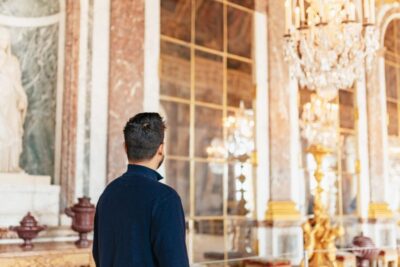 ★ 4.6Versailles Palace and Gardens Full Access TicketTickets from $1741,579 guest reviews
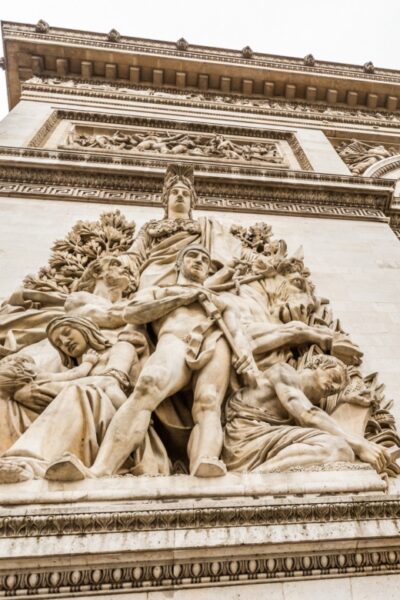 ★ 4.6Arc de Triomphe Rooftop TicketsTickets from $1834,264 guest reviews
 ★ 4.7Orsay Museum Entry TicketTickets from $1525,647 guest reviews
 ★ 4.4Evening River Cruise with MusicTickets from $2722,721 guest reviews
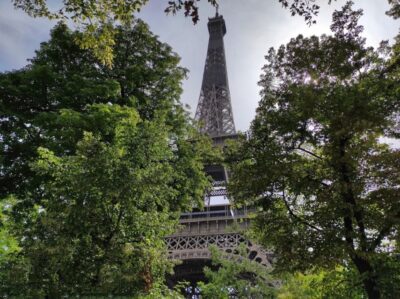 ★ 4.4Eiffel Tower Entry Ticket with Optional Summit AccessTickets from $2920,035 guest reviews
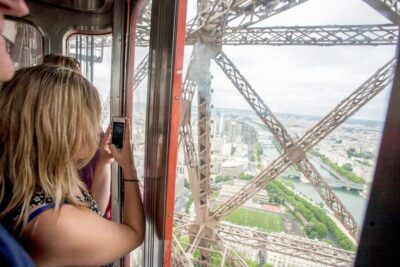 ★ 4.3Eiffel Tower Summit or Second Floor AccessTickets from $5917,248 guest reviews
This tour also belongs to