
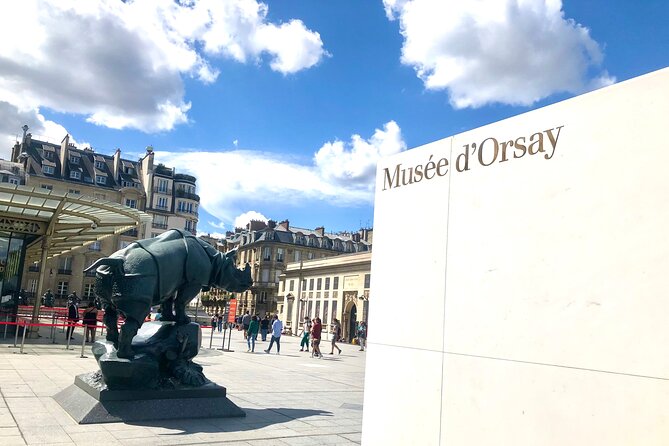
Review · ORSAY MUSEUM TOURS
The Musée d’Orsay in Focus: Impressionists & Beyond (Max 6)
Orsay goes from paintings to stories fast. This small-group, skip-the-line tour leads you through Impressionists and post-Impressionists, tying artists like Monet, Renoir, Degas, and Van Gogh to the 19th-century world that shaped them.
I especially like the expert English guide approach, where the story behind each work makes the gallery feel logical, not random. You also get time afterward to explore on your own at a comfortable pace, but the main tour lasts about 2 hours, so you may need to pick a few favorites to linger on.
Quick hits
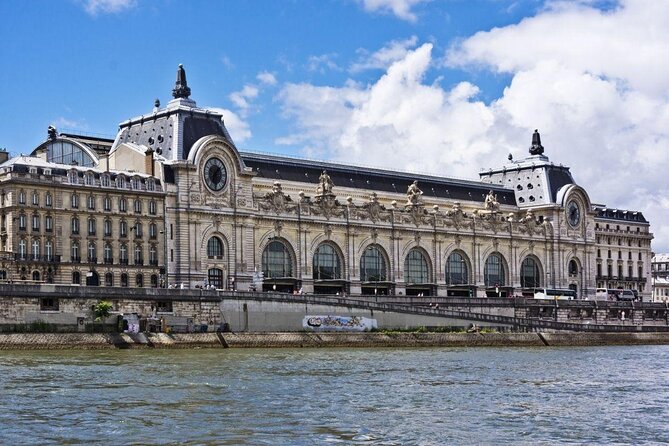
- Max 6 travelers means you are not squeezed into the usual big-bus museum crush.
- Licensed English guide + skip-the-line gets you started faster and keeps the explanations moving.
- Focus on Impressionists and post-Impressionists, with names you already know, plus the reasons they mattered.
- Expect context beyond paint, including the era’s inventions and social shifts that influenced artists.
- You finish the guided portion with free time inside the museum, so you can chase the works that caught you.
Why Musée d’Orsay fits Impressionists better than almost anywhere
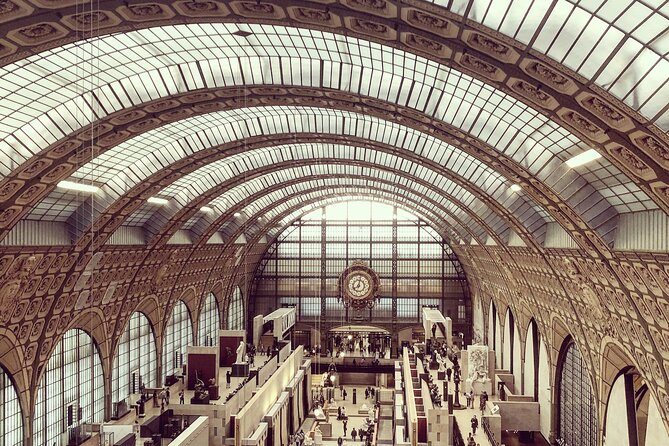
If you care about Impressionism, Musée d’Orsay is a smart choice because the building and the period match the art. You are looking at works from roughly 1848 to 1914, and the museum’s whole vibe helps you feel that this was a real world in motion. Trains, electricity, new ways of seeing, even the practical invention of paint tubes, all helped artists change how they worked and what they thought was worth painting.
What I like about this tour is that it does not treat the art as a list of famous names. It pushes you to connect the paintings to the bigger picture: how artists pushed boundaries, how they reacted to each other, and why the “rebellious” moments in art history happened when they did.
You can also read our reviews of more tours and experiences in Paris.



Skip-the-line and small group size, the practical comfort upgrade
This is offered in English with a licensed guide, and the group is capped at 6 travelers. That matters more than you might think. In big tours, you often spend your time trying to keep up, not really looking. Here, you can actually stand where you need to stand, ask a question, and hear the guide without shouting over a crowd.
The other practical win is skip-the-line access. Orsay can get busy, and waiting outside with museum fatigue is not the way to start. A faster entry gives you more time for the part that really counts: slow looking with smart guidance.
One note from how the experience is typically handled: the tour is designed for a moderate physical fitness level, and you should expect walking and standing in galleries. If you need occasional seats, you will likely appreciate the fact that guides in this program have accommodated that kind of request in the past.
Entering the story of 19th-century Paris with your guide
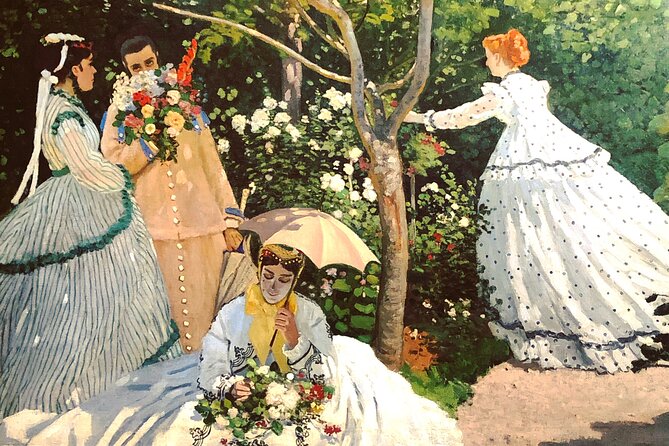
The guide-led portion is where the tour earns its keep. You start at the museum and move through galleries with an expert who can turn what you see into something you understand. The museum collection covers a long stretch of time, and without context, it is easy to miss the threads.
This tour focuses on those threads. You get background on how artists worked, but also on relationships between artists and movements. That is the difference between seeing a painting and getting the full effect of a movement. When you know what painters were arguing about, what techniques mattered, and how tastes shifted, the same masterpiece can feel more personal and more urgent.
Guides you may meet include Adam and Lilijana, and the pattern from their teaching style is consistent: clear explanations, good pacing, and a focus on helping you understand what you are looking at, not just what it is called.
Monet, Renoir, Degas, Van Gogh: what to watch for during the tour
The tour highlights major Impressionists and then flows into post-Impressionist works. That pairing is great because it shows how quickly the art world moved from one breakthrough to the next.
Here is how you can use the guidance to get more out of the classics:
- Monet and Renoir: Pay attention to how light and color create mood, not just a realistic snapshot. If the guide mentions the era’s new painting materials or changing habits of seeing, that is your cue to look for quick, expressive marks rather than careful studio polish.
- Degas: Look for angles, unusual framing, and the sense of a moment caught mid-action. Degas often feels like he is questioning how viewers expect to look, so those “why this angle” moments are worth stopping for.
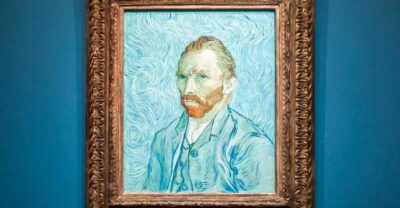
- Van Gogh (post-Impressionist connection): His work can feel intense even before you know the story. When you get background on the rebellious side of the movement, try to spot what he emphasizes, what he distorts, and how color becomes the emotional engine.
The big value here is that you are not just told what to see. You are shown why it matters, and then you can test what you learned by looking again with your own eyes.
The Orsay building’s timeline, and why the museum era context matters
Orsay is not only about painting. It is about the culture that surrounded the painting. The tour leans into that, describing how the era shifted society and technology, and how those changes rippled into art.
That might sound academic, but it actually helps your viewing. When you understand that this period saw major change, your brain stops treating the art like it came from nowhere. You start to notice themes: modern life creeping into subject matter, new ways of representing reality, and the growing push to capture perception instead of polished accuracy.
Also, knowing the collection spans from the mid-1800s into the early 1900s helps you stop making unfair comparisons. A painting from earlier decades is not “late Impressionism,” it is responding to a different moment.





How the guided part ends, and how to use your free time well
After the expert-led portion, you continue exploring at your own pace inside the museum. That is important because no two people linger in the same places. Some visitors want to chase just one artist. Others want to compare styles across rooms.
When you have that freedom, I suggest you set a simple goal before you break off. For example:
- Pick one Impressionist and do a second pass with what you learned.
- Pick one post-Impressionist and look for how the mood is built through color and brushwork.
- Or choose a short list of works you know you want to see, then let your eye decide what else earns your time.
Because the guided portion is about 2 hours, you do not want to spend your extra time “finding things.” You want to use it for real looking, especially after the guide has shown you how to look.
Pacing and timing inside a museum that moves fast
A 2-hour guided experience is a solid length for Orsay. Long enough to get context and focus, short enough that you are not trapped in guided talk all afternoon.
Still, consider this: in Orsay, the temptation is to keep walking because you keep finding more to see. The drawback to any short tour is that you can only absorb so much in one sitting. The smart way to handle that is to decide in advance what success means for you. If your priority is Impressionism and post-Impressionism, you are in the right place. If you want the entire museum, plan a longer independent visit either before or after.
Also, the program is offered in English, so if you prefer very quiet museum time with no group at all, this may feel too interactive. If you like explanations while you look, the pace is built for you.
Price and value: what $190.52 buys in real terms
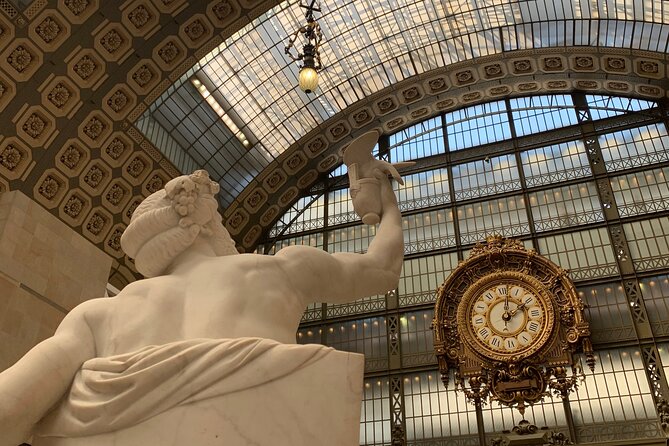
At $190.52 per person, this is not a budget museum ticket, but it does include the entry ticket and a licensed English guide. For me, the value question comes down to two things: time saved and understanding gained.
- Time saved: skip-the-line access can be the difference between starting your visit sharp or starting it tired.
- Understanding gained: the guide helps you connect movements, relationships, and the wider 19th-century context. That kind of framing changes how you experience the famous works once you’re seeing them for real.
The small group size also factors into the value. You are paying for a more personal museum experience, not just access. With a max of 6 people, you are more likely to get the kind of explanation that matches what you are looking at.
Finally, the rating is strong, at 5.0 with 38 reviews, and it is marked as recommended by 100%. That is not a guarantee of your personal experience, but it does suggest consistent service quality and guide performance.
Who should book this Musée d’Orsay in Focus tour
This fits best if you:
- Want a focused Impressionist and post-Impressionist tour rather than trying to cover the whole museum.
- Like expert commentary while you look, especially about movements and artists’ relationships.
- Prefer small groups that allow questions and occasional pacing adjustments.
It may be less ideal if you:
- Want a free-form, self-guided museum day with no scheduled guide time.
- Need a completely seated visit, since this includes standing and moderate walking in galleries.
In other words, if your goal is to come away with a clearer understanding of why these paintings changed art, this tour gives you that payoff.
Should you book Musée d’Orsay in Focus: Impressionists and Beyond (Max 6)?
Yes, if you are prioritizing Impressionism and the step into post-Impressionism. The combination of skip-the-line entry, a licensed English guide, and the chance to spend the second half of your visit looking on your own is a very practical way to get more from Orsay without turning it into a marathon.
If you are the type who loves names like Monet, Renoir, Degas, and Van Gogh but still feels like the museum can be overwhelming, this is a strong way to get your bearings fast and then follow your curiosity.
One more tip: this kind of tour can be popular, and it is often booked about 110 days in advance on average. If your dates matter, book earlier rather than later.
FAQ
How long is the Musée d’Orsay in Focus tour?
It lasts about 2 hours.
What’s included in the price?
The price includes an admission ticket and an expert English-speaking licensed tour guide.
Is the tour offered in English?
Yes, the tour is offered in English.
How big is the group?
The maximum group size is 6 travelers.
Where does the tour start?
The meeting point is Musée d’Orsay Esplanade Valéry Giscard d’Estaing, 75007 Paris, France.
Where does the tour end?
Your tour ends inside the Orsay Museum.
Is cancellation free?
Yes. You can cancel for a full refund up to 24 hours in advance of the experience start time.
More Tour Reviews in Paris
Not for you? Here's more nearby things to do in Paris we have reviewed











Orsay Museum Tours, side by side.
 ★ 4.7Orsay Museum Entry TicketTickets from $1525,647 guest reviews
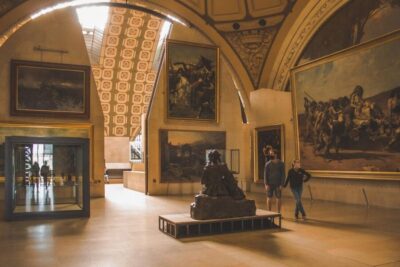 ★ 4.4Orsay Museum Entry Ticket and Digital Audio Guide AppTickets from $313,170 guest reviews
 ★ 5.0Paris in a Day: Louvre or Orsay, Eiffel Tower, City Walk & CruiseTickets from $1571,956 guest reviews
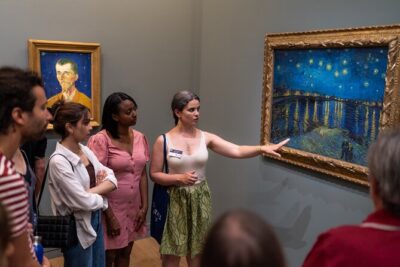 ★ 4.5Musée d’Orsay Skip-the-Line Tour with Expert GuideTickets from $671,145 guest reviews
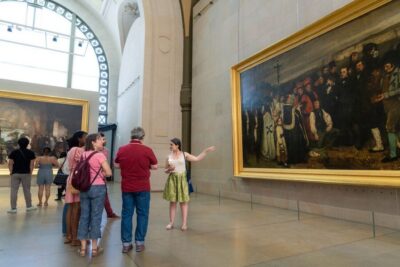 ★ 4.8Musée d’Orsay Skip-the-Line Tour with Expert GuideTickets from $821,088 guest reviews
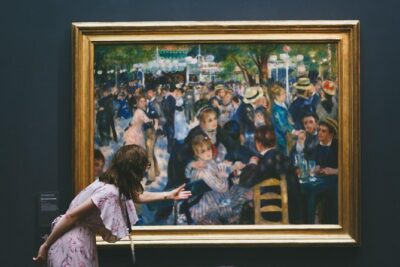 ★ 5.0The Musée d’Orsay Guided Tour Orsay Museum Semi-Private 6ppl MaxTickets from $144904 guest reviews
 ★ 5.0Louvre & Musée d’Orsay Guided Museum Tour Semi-Private 6ppl MaxTickets from $288619 guest reviews
 ★ 4.5Paris Musée d’Orsay Fully Guided TourTickets from $71556 guest reviews
This tour also belongs to