
Review · MONTMARTRE TOURS
Montmartre Walking Tour Cultural Charm and Tasty Treats
Montmartre has a way of sneaking up on you. This 2-hour walking tour strings together the big-name sights and the fun details, with a guide who helps you connect what you see to the artists and scenes that made this area famous. I love the art-focused storytelling and I love the Sacré-Cœur viewpoints that make the whole walk feel like it has a payoff.
One thing to consider is the pace. With about 10 minutes at each stop, you’ll see plenty, but you won’t linger at any single spot for long, so plan to do extra time on your own if something really hooks you.
Key highlights to look for
- Moulin Rouge can-can background: Get the story behind the cabaret and how it shaped Montmartre nightlife.
- Rue Lepic and Café des 2 Moulins: A charming street moment tied to the movie Amélie.
- Le Moulin de la Galette windmill: Paris’ last-standing windmill and why artists cared.
- Le Mur des Je t’aime: An “I love you” wall in over 300 languages.
- Bateau-Lavoir at Place Émile Goudeau: A creative workshop setting linked to Picasso and Modigliani.
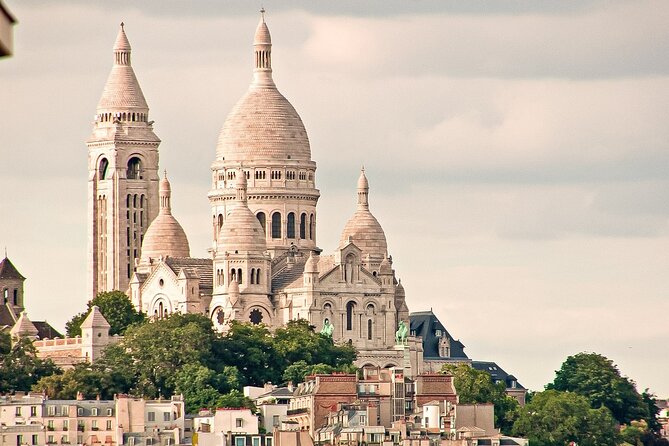
- Sacré-Cœur at the highest point: Finish with big panoramic views, plus optional time inside.
Why this Montmartre walk feels more like a story than a checklist
If you’ve ever walked around Paris and wondered why some streets feel like theatre sets, Montmartre is where the lights make sense. This tour is built around a simple idea: look at the place, then learn why it mattered to artists, dancers, and café life. The result is not just seeing landmarks, it’s understanding the vibe.
I also like that you’re not stuck with one “perfect photo spot” after another. You move through different textures of the neighborhood, from the cabaret history at Moulin Rouge to the artist work zones around Place Émile Goudeau, then up to Sacré-Cœur. That mix helps your brain remember Montmartre as a whole, not as ten disconnected stops.
Finally, it’s a good choice for couples. The romantic tone shows up naturally as you pass cafés, cobbled lanes, and classic Paris streets, then end with those wide views from the basilica steps.
You can also read our reviews of more walking tours in Paris



Price and time: where the $40.48 really goes
This is priced at $40.48 per person, and it runs about 2 hours. For that time, you’re getting a local and professional guide plus a guided visit across Montmartre’s main landmarks and a few stops people often skip.
Here’s how I think about value for tours like this. You’re paying for three things:
- Someone to connect locations to real scenes and artists, instead of you guessing
- A structured route that keeps you moving without wasting time trying to figure out the best order
- A manageable time commitment if you’re only in Paris for a short stay
The biggest “cost” isn’t money, it’s time at each stop. Every listed stop is around 10 minutes, so you’ll appreciate a lot, but you won’t do deep museum-style reading on-site. If you like long hangs in cafés, plan a post-tour break.
Where you meet: Cœur Sacré on Rue Saint-Éleuthère
The tour starts at Cœur Sacré, 5 Rue Saint-Éleuthère, 75018 Paris. After the last stop, the activity ends back at the meeting point.
That matters more than it sounds. Starting near the Sacré-Cœur area means you can roll into the neighborhood’s uphill flow right away. It also helps if you want to keep sightseeing after you finish, because you’ll still be in the Montmartre zone instead of getting dropped somewhere miles away.
You’ll receive confirmation at booking, and you’ll use a mobile ticket. The tour is also near public transportation, which is handy if you want to cleanly connect it to another part of your day.
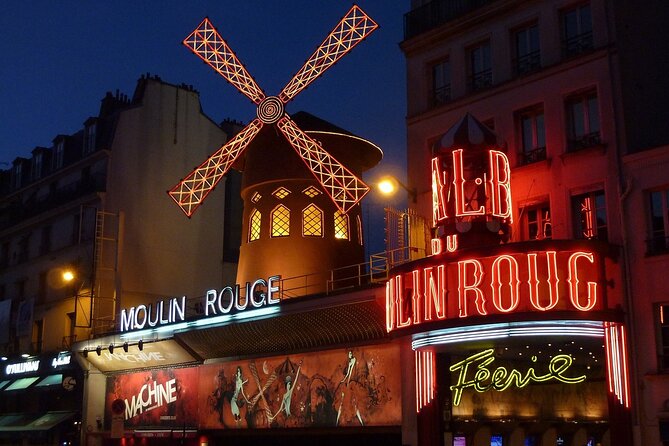
Moulin Rouge: the can-can origin story that sets the tone
The first stop is Moulin Rouge, and the guide begins with the history of this world-famous cabaret, including the birthplace of the can-can dance. Even if you think you already know Moulin Rouge, you usually only know it as a symbol. The tour puts it in context as part of Montmartre’s bohemian nightlife.
What I like here is that the story gives you an angle before you start walking. When you later see cafés and artist hangouts, you can feel the thread back to this first big nightlife landmark.
One practical note: Moulin Rouge is popular, so bring patience. You’re not there to linger and soak in every detail, you’re there to get oriented.
Rue Lepic and Café des 2 Moulins: the Amélie street moment
Next comes Rue Lepic, a charming street lined with cafés and shops. This is where the tour gives you something playful and visual, plus a pop-culture hook: the Café des 2 Moulins, featured in the movie Amélie.
I like this stop because it’s not all “famous art history.” It’s the kind of street you can actually enjoy in real time. You walk, you look at the café fronts, and the guide helps you see the neighborhood as a place people lived their daily lives, not a theme park.
If you want the best photos, aim to pause just long enough to frame a café sign or street corner, then keep moving. The tour is short, so treat stops like quick snapshots, not time-lapse films.






Le Moulin de la Galette: the last-standing windmill and the artist link
Then you hit Le Moulin de la Galette, Paris’ last-standing windmill. This is a great stop for anyone who likes the “before and after” feeling of old Paris. The guide ties the windmill to stories about influence on artists like Renoir and Van Gogh.
This is one of those locations where the guide’s context pays off fast. Without it, you might see a windmill and move on. With the story, the windmill becomes a symbol of creative life in Montmartre, not just an old structure.
Also, windmills and Montmartre go together in your head once you’ve heard the reason. Later, when you’re higher up near Sacré-Cœur, the whole area feels more connected.
Place des Abbesses and the Art Nouveau Metro entrance
At Place des Abbesses, you’ll spend time around the Abbesses Metro Station, known for its Art Nouveau entrance. It’s the kind of detail people often rush past because it’s small compared to the bigger sights.
I love these “in-between” moments because they teach you how Montmartre builds atmosphere at street level. The architecture signals that this neighborhood is not only about paintings. It’s also about design, craft, and daily urban beauty.
It also makes a nice break from pure landmark spotting. You get to slow down for a moment, look at the station entrance, and reset your eyes.
The Wall of Love: Le Mur des Je t’aime in over 300 languages
One of the most memorable stops is Le Mur des Je t’aime, the mural featuring the words I love you in over 300 languages.
This isn’t just a cute photo wall. It’s a neat reminder that Montmartre continues to attract international creativity and romantic energy, even as styles change over time. It fits the tour’s theme of art and culture, but in a way that’s instantly readable for any language level.
If you’re bringing someone with you, this stop is a great “pause point.” You can take photos, trade a few laughs, and then move on with the rest of the group when you’re ready.
Rue des Abbesses and hidden-gem style street wandering
After the mural, you walk along Rue des Abbesses. This is where the tour leans into charm: historic streets, boutiques and cafés, and little moments you’d likely miss if you were moving on your own.
I like that the guide doesn’t only point to big landmarks. Street-level wandering is where Montmartre often wins your heart. It’s also where you can feel the neighborhood’s day-to-day character.
Important expectation setting: since the tour is only about 2 hours and each stop is short, you won’t do endless sidestreets. But you will get enough direction to help you do a longer, self-guided wander afterward.
Place Émile Goudeau and the Bateau-Lavoir creative workspace
Next is Place Émile Goudeau, connected to Bateau-Lavoir, a historic site where artists such as Picasso and Modigliani created masterpieces.
This stop is valuable because it gives you a specific creative location, not vague “art happened here” storytelling. When you hear the names linked to the site, it makes Montmartre feel more concrete. You can picture rooms, studios, and work routines instead of only thinking about finished paintings.
If you love modern art history, this is a standout. If you don’t, it still works because the idea of a working space is easy to grasp. You’re learning how artists made art, not just what art looked like.
Eglise Saint-Pierre de Montmartre: one of the older corners of the hill
You’ll also see Eglise Saint-Pierre de Montmartre, dating back to the 12th century. That age gives you contrast. After cabarets and art stories, it’s a reminder that Montmartre has layers, including older religious and community life.
I find stops like this help you pace mentally. You’ve been looking for art and famous names, and suddenly you’re looking at something that endured. It’s calmer, and it can make the walk feel less like a race.
Place du Tertre: street artists, portraits, and people watching
The tour then lands at Place du Tertre, where you’ll see street artists and portrait painters displaying their work. This is the Montmartre experience many people hope for: drawn-out sidewalk creativity mixed with classic square energy.
Here’s how to enjoy it without getting overwhelmed. Pick one thing you truly want to look at, maybe a style you like or a portrait concept. Watch for a few minutes, then move on. Since you only have limited time on the tour, a tight plan helps you avoid decision fatigue.
Sacré-Cœur: finish with panoramic views and optional time inside
The grand finale is Basilique du Sacré-Cœur de Montmartre. The tour finishes here, at the highest point in the city, with breathtaking panoramic views of Paris. You’ll also get an option to explore the interior or relax on the steps.
This ending is exactly why I like this tour. It turns the climb into something rewarding. You’re not just walking uphill for the sake of it. You’re earning a viewpoint.
If you’re a photo person, arrive at Sacré-Cœur with a simple plan: take your main panorama first, then circle back for closer details if you have time. If the interior is open and you enjoy quiet spaces, it’s worth a look. If you’d rather stay outside, the steps give you a classic Montmartre scene.
Pacing, group size, and comfort for a 2-hour route
The tour has a maximum of 20 travelers, which is a nice sweet spot. Big enough that it feels lively, small enough that you can still hear your guide and see what’s going on at each stop.
The pacing is straightforward: around 10 minutes per stop for about 2 hours. That works best if you like active sightseeing and don’t need long pauses to soak in every wall, café menu, or side street. If you do want extra time, the best move is to treat the tour as your starter course, then return to your favorite area after.
Also, because you’ll finish near Sacré-Cœur, expect some uphill walking. Wear shoes you can stand in and walk in for a short stretch of uneven terrain. Montmartre is charming, but it’s still a real neighborhood on hilly streets.
Who this tour fits best, and who might want something different
This tour makes a lot of sense if you are:
- A first-time visitor who wants the key Montmartre landmarks explained clearly
- An art and culture fan who likes stories tied to specific places
- Coming as a couple and hoping for romantic street scenes plus great views
It might be less ideal if you:
- Want slow, long museum-style time at one site
- Prefer self-paced wandering with lots of unstructured stops
- Need special accommodations beyond what is listed (the tour allows service animals, and the info says most people can participate, but the details are limited)
Practical tips so you get the most from the route
Here are a few things that help this kind of walking tour land well.
- Wear comfortable shoes. You’ll be on foot for the full route and finishing at Sacré-Cœur.
- Bring a light layer. Paris weather changes fast, and open viewpoints can feel cooler.
- Plan a café stop after. You’ll see plenty along the way, but the best time for a long sit-down is once the guided route ends.
- Use the guide as your shortcut. If something sparks your interest, make a note of where it is, then go back on your own later for extra time.
And if you’re the type who loves a photo, remember this: the tour is designed for seeing and learning. Your best pictures will come when you combine a quick guided stop with a longer solo moment afterward.
Should you book this Montmartre Walking Tour?
I’d book it if you want a focused, art-and-culture Montmartre experience in about two hours, with a guide who helps you connect the sights to the stories behind them. At $40.48, the value is less about “paying for entry” and more about getting a smart route plus context you can’t easily reconstruct on your own while walking.
I’d skip it if you’re craving long stops, quiet time at a single monument, or a totally self-paced day. In that case, you might prefer a longer independent wandering plan and pick a few anchors yourself.
If you want Montmartre to feel like more than postcards, this is a solid way to do it, with the kind of ending you’ll remember: Sacré-Cœur views, plus that unmistakable Montmartre atmosphere right where the tour drops you back near the start.
FAQ
How long is the Montmartre Walking Tour?
The tour lasts about 2 hours.
What does it cost per person?
The price is $40.48 per person.
Where do I meet and where does the tour end?
You meet at Cœur Sacré, 5 Rue Saint-Éleuthère, 75018 Paris, France. The tour ends back at the meeting point.
What is included in the tour price?
It includes a local and professional guide and a guided visit of Montmartre.
Are the tour stops ticketed?
The listed stops are marked as Admission Ticket Free.
Is there free cancellation?
Yes, there is free cancellation. You can cancel up to 24 hours in advance of the experience for a full refund.
More Walking Tours in Paris



More Tours in Paris





More Tour Reviews in Paris



Not for you? Here's more nearby things to do in Paris we have reviewed












Montmartre Tours, side by side.
 ★ 5.0Montmartre Hidden Gems and Scenic Highlights Walking TourTickets from $382,684 guest reviews
 ★ 5.0Montmartre Hill French Gourmet Food and Wine Tasting Walking TourTickets from $1452,588 guest reviews
 ★ 4.8Montmartre Cheese, Wine & Pastry Guided Walking TourTickets from $1272,255 guest reviews
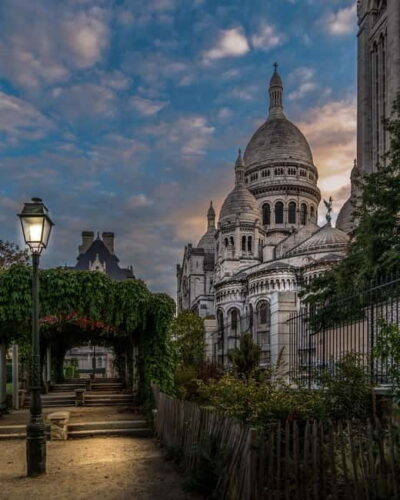 ★ 4.9Montmartre Highlights Walking Tour with a Local GuideTickets from $341,668 guest reviews
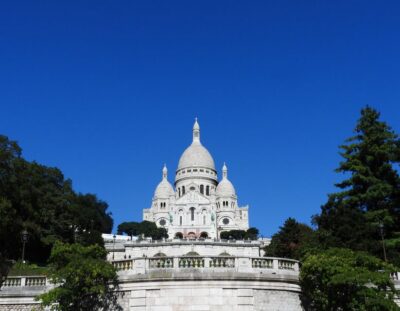 ★ 4.1Sacré-Coeur and Montmartre Tour with Expert GuideTickets from $281,027 guest reviews
 ★ 5.0Private Montmartre Food Tour with Wine, Cheese & PastriesTickets from $3021,027 guest reviews
 ★ 5.0Paris Montmartre Food Tour – A Full French Meal by Do Eat BetterTickets from $95877 guest reviews
 ★ 5.0Hidden Montmartre: Paris’ Secret Streets Walking TourTickets from $44809 guest reviews
This tour also belongs to