
Review · PARIS CITY TOURS
All about meringue: a pastry & culinary arts workshop in Paris
Meringue sounds simple, until you learn the differences that change everything, and this Paris workshop turns it into hands on dessert making plus pastry history. I love the focus on Pavlova and the chance to work with multiple meringue styles, not just copy one recipe. I also love the small group setup (up to 8), which means you get real attention while you practice.
You should consider one thing before booking: this class is built around egg white based desserts and lots of sweetness. If you do not enjoy meringue textures or you need to avoid eggs and sugar, this might not be your best fit.
Key moments you will remember
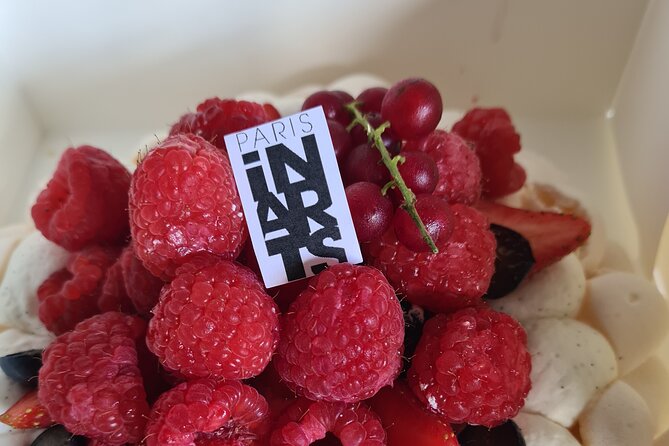
- Three dessert builds: Pavlova, lemon meringue pie, and meringuettes
- French, Swiss, and Italian meringue basics you can feel in the finished results
- Lemon and whipped cream to pair with your meringue creations
- Assembly skills so your desserts look like pâtisserie, not just baking practice
- Culture in between steps, including stories around Pavlova and trends in French pastry
Meringue workshop in Paris, why it is a smart choice
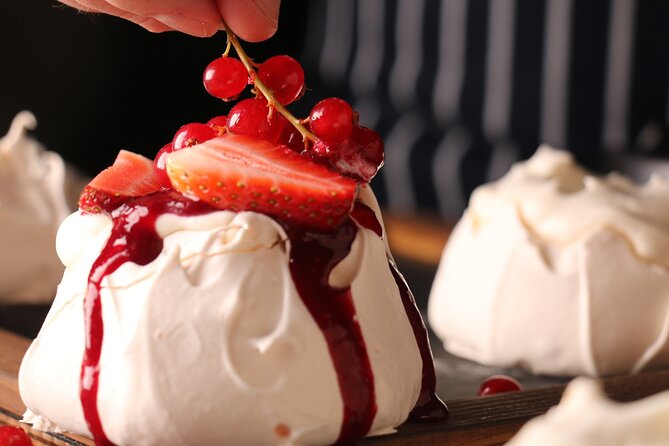
Paris has plenty of famous things to see. This is different. You spend your time doing something you can take home, not just looking at it. And that matters, because pastry skill is one of those rare travel souvenirs that stays useful long after the flight.
The best part is the balance. You get hands on practice making multiple meringue desserts, and you also hear the cultural side. That combination is what keeps the class from feeling like a single recipe lesson. It becomes a theme you can connect to how French pastry evolved and how similar ideas moved across countries.
Also, the format is friendly for a 3 hour block. With a maximum of 8 people, you are not stuck waiting your turn for every step. You can ask questions as you go, and you spend more of the afternoon actually making things.
More Paris tours and experiences for the shortlist


What you make: Pavlova, lemon meringue pie, meringuettes
This workshop gives you a small menu with big payoff. You will make:
- Pavlova
- lemon meringue pie
- meringuettes
That is a great mix because each dessert pushes a different skill. Pavlova tends to reward a careful meringue outcome and a proper topping balance. A lemon meringue pie asks you to think about how flavor and structure work together, since lemon brings sharpness to counter the sweetness. Meringuettes are a more snackable, shape driven kind of meringue, so you can focus on consistency and form.
I like that this menu is not just for show. You learn what happens when you change the meringue approach, then you apply it immediately to a dessert you can taste and talk about afterward. You are not just following instructions. You are building a mental map of how French, Swiss, and Italian meringues create different results.
French, Swiss, and Italian meringue, what you learn (and why it matters)
The workshop is built around three meringue traditions. That sounds technical, but it is practical. The payoff is that you learn how the same core ingredients can behave differently depending on how the process is handled, and how those differences show up in texture.
Here is how to think about it as a traveler. If you ever tried making meringue at home and wondered why it came out flat, sticky, weepy, or too dry, this is the kind of class that gives you the missing link. You get a feel for how the final product should look and behave, and you get coached on what to watch during the process.
French, Swiss, and Italian meringue each represent a different approach, and you will see that in the desserts you make. If you like dessert science but hate reading complicated recipes, this is a good way to learn through action. You will not just memorize steps. You will understand what you are aiming for.
Lemon, whipped cream, and balancing sweetness the Paris way
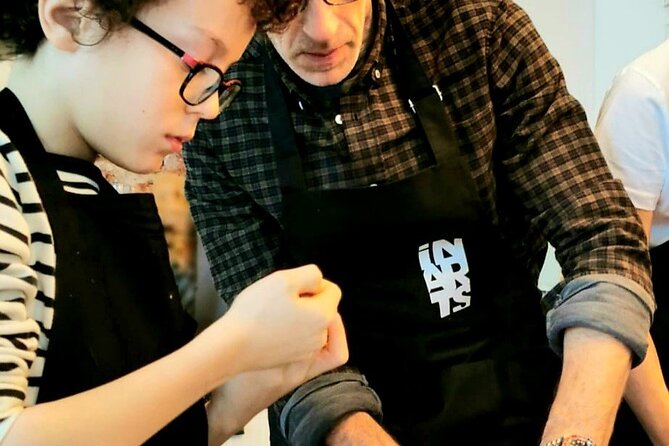
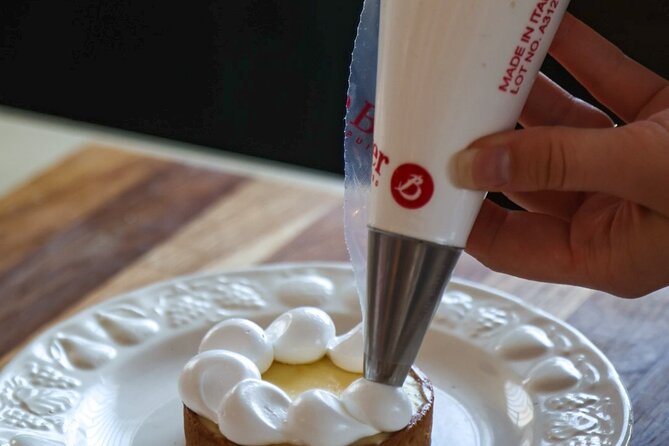
Meringue is sweet, by nature. The smartest Paris pâtisserie play is contrast. In this workshop, you make meringue and then pair it with creams like lemon and whipped cream.
That pairing is not just flavor. It affects how the dessert feels overall. Lemon helps cut through richness, and it also makes the meringue taste lighter. Whipped cream brings softness and roundness, so the meringue does not dominate every bite.
When you are standing at a work station, it can be easy to focus only on the meringue. The class nudges you to think about the whole dessert balance: sweetness level, acidity, and texture. That is the difference between a good tasting batch and a dessert that seems truly finished.
If you are planning to buy pastries later in Paris, this part also helps you read what you are seeing. You start noticing why one version tastes airy and bright and another version tastes heavy. You gain a sharper sense of what you are paying for when you order a slice.
The assembly part that turns baking into pâtisserie
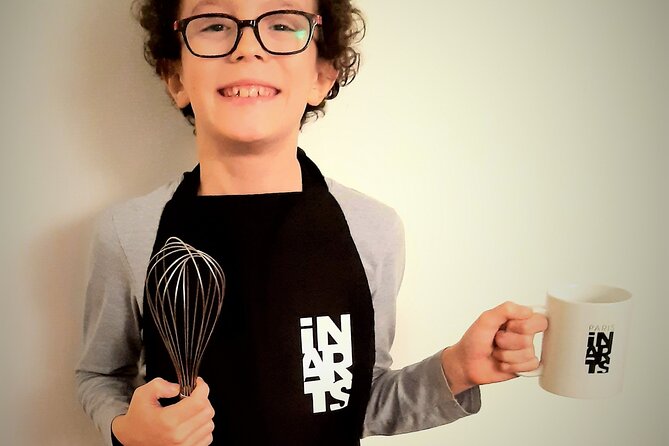
One of the most useful parts of this workshop is that you learn how to make the assemblies, not just the components. That matters because many home bakers can whip egg whites and still struggle at the final step. Desserts fall apart at the assembly stage. The topping goes where it should not. The structure collapses at the wrong time. The result looks messy even if it tastes okay.
Here, the focus is on bringing the components together into a finished presentation. You practice the order of operations and you get feedback so you can improve while the skills are fresh.
You will also hear cultural anecdotes as you work, including the history of Pavlova and other stories around these desserts. That kind of context makes assembly choices feel more intentional. Instead of thinking, because that is what the recipe says, you start thinking, because that is what the dessert is supposed to do.
Practical tip: wear sleeves you do not mind getting a little flour or sugar on, and bring a small container of patience. Assembly takes focus, especially when you are learning.





Pavlova history and French pastry trends, the story behind the dessert
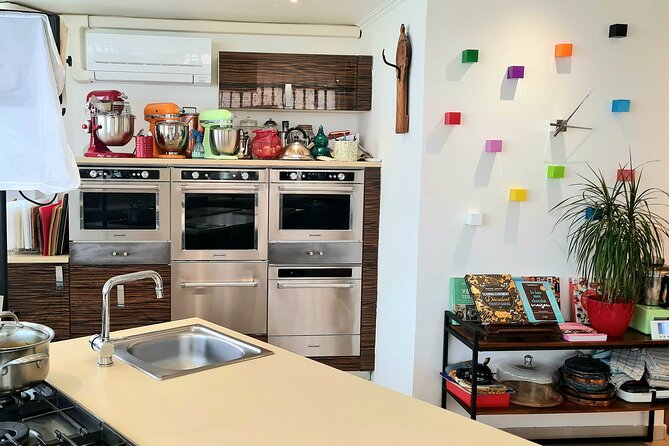
This is not a class where history is an afterthought. You get cultural dimension during the afternoon, including anecdotes around Pavlova and the history of French pastry and major trends that traveled through the ages.
Why this matters for you as a traveler: it keeps you engaged through the whole 3 hours. If you only wanted recipes, you would probably look for a cookbook or a video. But pastry history adds meaning. You start recognizing that meringue is part of a larger story of migration, adaptation, and changing tastes.
And it gives you great conversation fuel. When you go back out into Paris, you can order something sweet with better context. You know what meringue types represent, and you can appreciate why a dessert from one era might differ from another.
Evelyne’s teaching style in a small Paris group
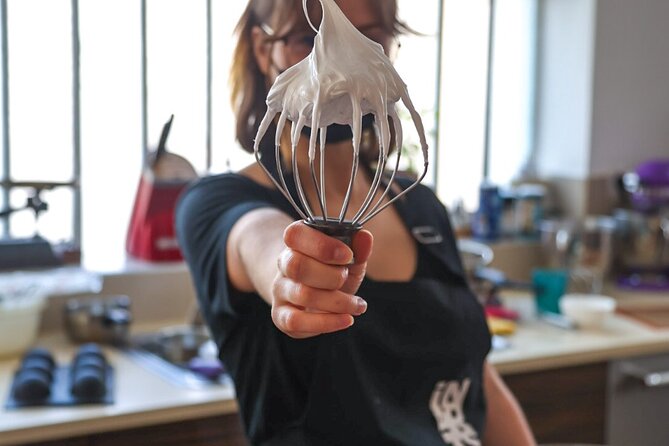
The teaching team matters, and the vibe here is exactly what you want in a workshop. In the feedback shared after the experience, Evelyne is repeatedly mentioned for being charming and passionate, plus clear with advice.
That is a big deal in a class like this, because technique is subtle. You can watch someone whip meringue and still miss the small cues that make it work. A good instructor points out what to look for, how to correct when something goes off track, and how to keep going without panic.
With a maximum of 8 travelers, you are not lost in a crowd. You are more likely to get individualized help and to feel comfortable asking questions. English instruction is offered, so you should not feel like you need to translate baking terms while your meringue is already in motion.
Value for your time: why 3 hours feels productive
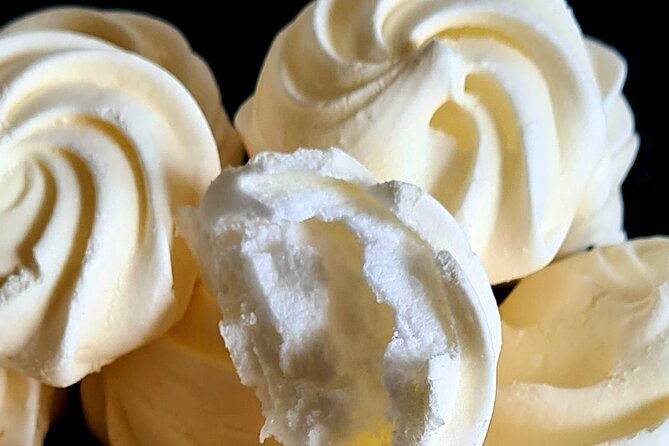
Three hours in Paris can disappear fast if you pick the wrong activity. This workshop respects your time because it is structured around outcomes you can see and taste: three dessert styles, plus learning assemblies, plus cultural stories.
You also get a mobile ticket, and the activity starts at 3:00 pm. That late afternoon timing is convenient for a travel day. You can do a morning museum, a lunch, and then use this as your hands on highlight.
Another practical value point: free cancellation is available if you cancel far enough ahead. That flexibility helps if your Paris schedule shifts due to weather or the kind of long lunch that happens in France.
Getting there for a 3:00 pm start, simple logistics
The workshop is in Paris and is near public transportation. That reduces stress. You do not need a car or complicated transfers, and you can plan around the 3:00 pm start without cutting your sightseeing too short.
Because the experience ends back at the meeting point, you can treat it as a loop, not a one way detour. In plain terms, it should be easy to fold into a normal afternoon plan.
One more helpful detail: confirmation is sent within 48 hours of booking, based on availability. So you get enough lead time to adjust your itinerary.
Who this workshop is best for, and who should skip it
This workshop is a great fit if you want a cooking class that is more than technique. If you love French pastry culture, you will appreciate the stories and the way trends and history get tied to what you are making.
It also suits you if you like learning by doing. You will not just sit and watch. You will make desserts, build assemblies, and practice the meringue theme across multiple styles.
You might skip it if:
- you do not enjoy meringue textures or you dislike desserts built around egg whites
- you want a class that focuses only on one dessert and nothing else
Should you book this meringue workshop in Paris?
If you like sweet baking, French pastry, or food education that actually feels practical, I would book it. The small group size, the hands on menu, and the fact that you learn assembly skills make it more than a one time treat. Add the Pavlova history and pastry trend stories, and you get a balanced afternoon that feels distinctly Paris, not generic.
Book it especially if you are the type who wants to come home with real skills. You will likely remember what you learned about meringue differences because you apply it immediately to Pavlova, lemon meringue pie, and meringuettes.
FAQ
FAQ
What desserts will I make during the workshop?
You will make Pavlova, lemon meringue pie, and meringuettes, plus the creams that accompany them like lemon and whipped cream.
How long is the workshop in Paris?
The experience lasts about 3 hours.
Is the workshop offered in English?
Yes, it is offered in English.
How big is the group?
The workshop has a maximum of 8 travelers.
Where does the workshop start and end?
It starts in Paris, France and ends back at the meeting point.
When does the workshop start?
The start time listed is 3:00 pm.
When will I receive confirmation after booking?
Confirmation is received within 48 hours of booking, subject to availability.
How does cancellation work?
Free cancellation is available. You can cancel up to 24 hours in advance for a full refund. If you cancel less than 24 hours before the start time, you will not be refunded.
More Workshops & Classes in Paris


More Tour Reviews in Paris



Not for you? Here's more nearby things to do in Paris we have reviewed










Paris City Tours, side by side.
 ★ 4.6Louvre Museum Timed-Entrance TicketTickets from $2671,977 guest reviews
 ★ 4.6Disneyland® Paris 1-Day TicketTickets from $6149,412 guest reviews
 ★ 4.6Versailles Palace and Gardens Full Access TicketTickets from $1741,579 guest reviews
 ★ 4.6Arc de Triomphe Rooftop TicketsTickets from $1834,264 guest reviews
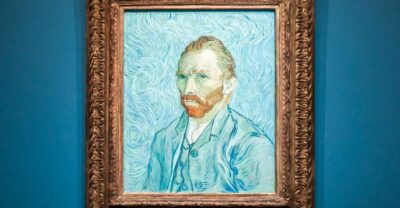 ★ 4.7Orsay Museum Entry TicketTickets from $1525,647 guest reviews
 ★ 4.4Evening River Cruise with MusicTickets from $2722,721 guest reviews
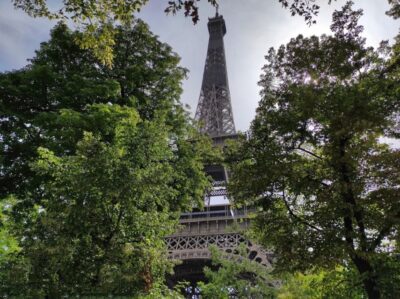 ★ 4.4Eiffel Tower Entry Ticket with Optional Summit AccessTickets from $2920,035 guest reviews
 ★ 4.3Eiffel Tower Summit or Second Floor AccessTickets from $5917,248 guest reviews
This tour also belongs to