
Review · LOUVRE MUSEUM TOURS
Louvre Essential Private tour
The Louvre can overwhelm you fast. This private, 3-hour plan turns the biggest museum in Paris into a clear route with a licensed guide. I love that the entry ticket is included, so you skip the ticket wrangling and focus on the art. I also like the custom feel, since it is just you and your party. The one thing to keep in mind is that 3 hours is not enough to see everything, so you should come with a short list of must-sees.
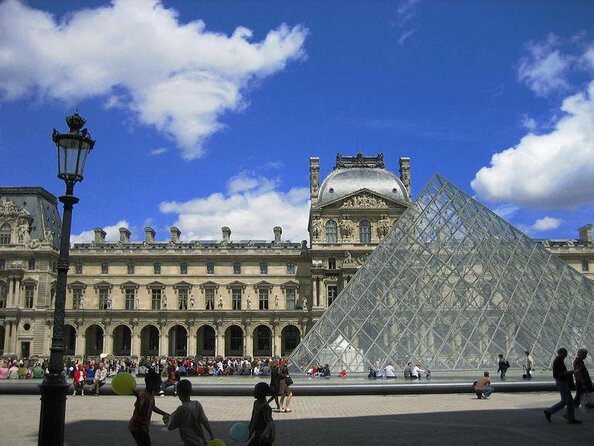
I like that you start at a super central, easy-to-find point near the Arc de Triomphe du Carrousel, and you are back there when the tour ends. That makes the rest of your afternoon simpler. Your guide leads you through museum highlights in a logical order, with stories that connect rooms, time periods, and themes. If you want total freedom to stop anywhere for a long time, this might feel structured, but you gain speed and clarity for the big works.
Guides can be in English, with options in German, Italian, Spanish, and French too. In the past, I have seen praise tied to guides such as Auriel, Olga, Vincent, and Miguel, which tells me the guide piece is a real focus, not an afterthought.
Key highlights at a glance
- Licensed guide starts you in the oldest-feeling Louvre spaces for a medieval vibe that sets context early
- Museum entry tickets included so you avoid extra steps before you even step inside
- Egypt to Greece to Italy to France to Mesopotamia in one efficient route
- Landmark works included, like Venus de Milo, Victory of Samothrace, and Mona Lisa
- Art history stories tied to the rooms, including mythology in the Caryatides area
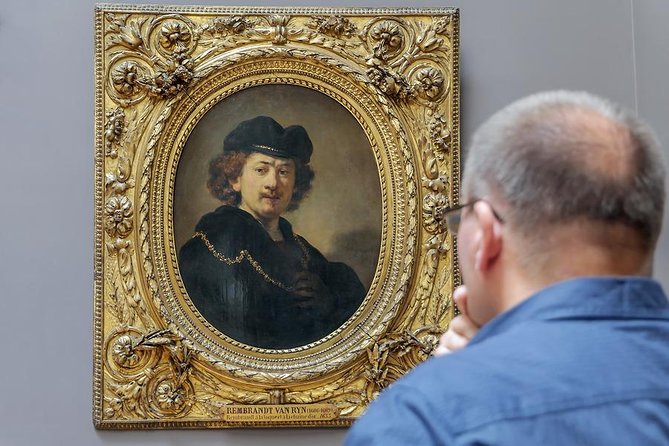
- Dutch painting time can feel calmer, with names like Rubens, Vermeer, and Rembrandt
Private Louvre basics: what you get in 3 hours
This is a private tour. That means the experience is built around your pacing and your interests, not a rigid group schedule. With a guide steering you, you spend less time figuring out where to go next, and more time actually looking at the works.
You are also not paying extra for the big museum ticket here. For a museum as massive as the Louvre, having admission bundled into the tour price matters, because it removes a common “oops, that’s separate” expense. And since you get mobile tickets, you are not stuck juggling printed papers.
The tour is designed around the museum’s signature centers, so you get major icons and the supporting cast. One of the smartest parts is how it links different civilizations through themes. You are not just collecting famous paintings. You are getting a sense of how the Louvre assembled its story.
You can also read our reviews of more private tours in Paris



Meeting at Arc du Carrousel: timing and how to plan your afternoon
The start point is Arc de Triomphe du Carrousel, Pl. du Carrousel, 75001 Paris. Start time is 2:00 pm, and the tour ends back at the same meeting point. That round-trip setup is practical, especially if you have dinner plans later.
Because it is near public transportation, you can flex your day. If you are coming from a morning at another site, you can keep your day smoother without a long cross-town shuffle.
What to do before you go: pick your “real” priorities. With only about three hours, you will get the most out of the guide if you can say something like, I want Greek sculpture, and I want painting, and I do not care as much about everything else. The tour is described as customizable, so your guide can steer attention in the rooms you care about most.
Oldest room first: the fortress-to-museum feeling in the Louvre
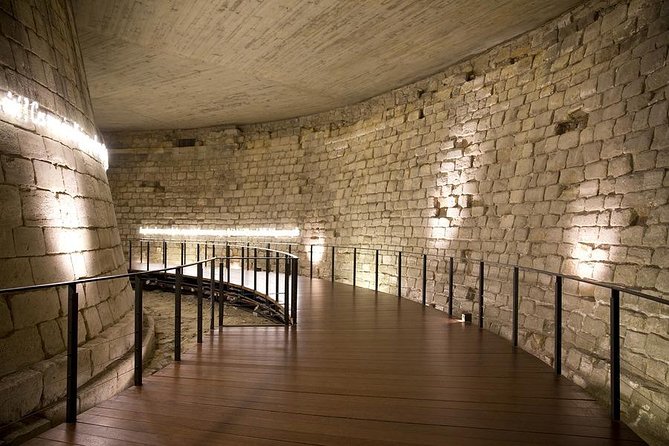
One standout element in this tour is the early focus on context. Your guide takes you to an oldest room in the Louvre that feels almost 800 years old. The point is not just to brag about age. It is to reset your mind, so the Louvre does not look like random galleries.
When you walk into that medieval-feeling space, the museum stops being only a place that displays art. It becomes a place with a past. That matters because later, when you enter grand rooms and iconic halls, you understand you are inside a layered building, not just inside a box for masterpieces.
This is also where I think the guide value shows. A good guide does not treat the museum like a checklist. They frame why a room exists, what it was, and how that shapes the way you look at what is inside now.
Egypt to Paris: the Great Sphinx of Tanis connection

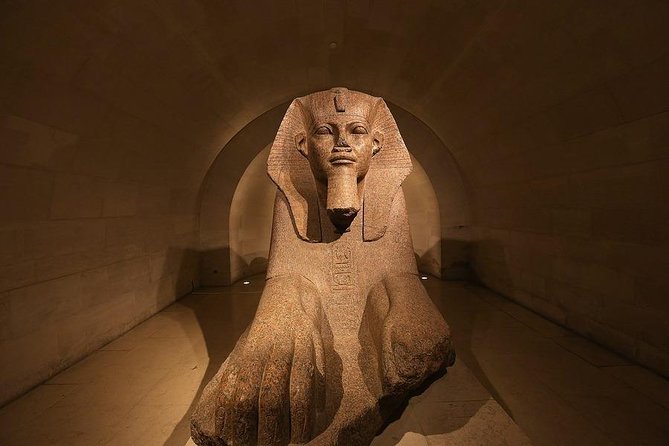
From there, you move into a section that starts with a big, instantly recognizable artifact: the great sphinx of Tanis. This is not just a showpiece stop. Your guide uses it to explain the connection between Egypt and Paris, which is a helpful way to think about why certain objects are housed far from where they were originally created.
A practical benefit here is pacing. The Louvre can be overwhelming because there is so much. A guide can help you avoid the common trap of wandering, seeing a few famous items, and then running out of time with a head full of names and no stories.
If you like art that comes with strong context, this portion is a good early win. It gives you a theme you can carry into Greek antiquities next, instead of starting from zero again.
Greek antiquities: Venus de Milo and Victory of Samothrace with story context
The Greek antiquities department is described as one of the museum’s richest. You will spend time there and you should plan to slow down, even if the tour is moving at a brisk pace.
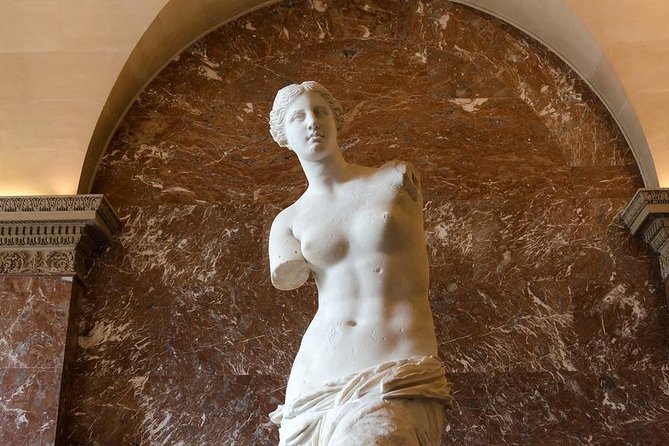
You will see major works including Venus de Milo and the Victory of Samothrace. The point of bringing these together is that both pieces are famous for different reasons. One helps you understand classical beauty and form. The other helps you understand motion, drama, and how sculpture can feel almost alive.
I like this approach because it helps you look. If you only see paintings, you can forget how sculpture can do narrative work. A guide who connects mythology, artistic choices, and what you are seeing in the room makes those statues feel less distant.
There can be a lot of foot traffic around the most famous items in the Louvre. A private guide can manage that by adjusting your walking rhythm so you spend less time squeezed and more time actually viewing.






The Caryatides room: mythology told where it belongs
Another highlight is time in the Caryatides room, described as the old ballroom of the castle. Here, your guide adds stories from mythology. This is a smart pairing: you are not only hearing about myths in generic terms. You are hearing them in a room designed for grandeur.
Why this matters: stories stick better when they match the setting. The Louvre has many rooms where the architecture is as intentional as the art. When your guide ties myth to the room’s purpose, you feel the museum instead of just walking through it.
If you enjoy a guide who speaks with clarity and knows how to connect details without turning it into a lecture, this part is often where you feel the “worth it” effect. The praise for guides like Auriel and Olga points strongly to this kind of storytelling that stays organized and easy to follow.
The Italian gallery stretch: an 800-meter run with big names
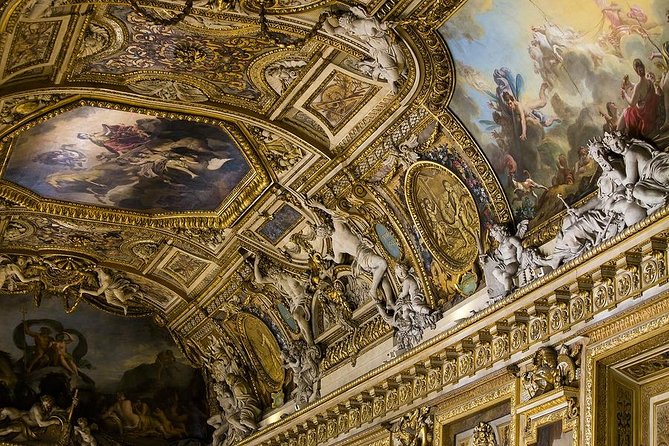
Next comes the Italian galleries, described as an 800 meter long stretch. Expect a lot of painting time, and expect your guide to keep you oriented. In a museum that size, losing your place even for 30 seconds can throw off your whole mental map. A guide’s job here is to keep you grounded.
You will admire work by Italian masters including Mantegna, Raphael, Caravaggio, and Veronese, plus Mona Lisa. The way these artists are grouped matters. Even if you are not a painting expert, you can start noticing differences in style and focus when you see them side by side.
A practical tip for you: do not try to analyze every painting like it is a college seminar. Pick one or two and let the guide’s explanation guide your eyes. The rest become a background education that makes Mona Lisa feel less like a crowded photo stop and more like a masterpiece within an artistic conversation.
French department scale: Napoleon and Sardanapale in the same flow
Then you shift to the French department for large paintings. The works called out include Sacre de Napoleon and La Mort de Sardanapale. The tour notes that these paintings can feel bigger than many apartments in Paris, and that is not just poetic. Monumental scale changes how you experience a painting. You step back automatically, and you notice composition choices differently.
This is a good moment to pause and let your guide talk about why these themes were made, who they were made for, and how they fit into France’s own cultural mood. That historical framing is what turns big art from impressive to meaningful.
One consideration: because these are large works, you may need to accept a shorter viewing window than you would like. The tradeoff is that you get to see multiple departments in one private afternoon, and your guide keeps you from spending the whole time chasing only one room.
Mesopotamia and storytelling power: Khorsabad Bulls and Hammurabi
If you assume the Louvre is mostly Greece and Rome, this tour corrects that quickly. You are taken to impressive Mesopotamian sculptures, including the Khorsabad Bulls and the Hammurabi code.
These objects are powerful because they are not “decorative.” They come with meaning tied to power, law, belief, and authority. A strong guide can show you what you should notice, like patterns in the sculpture and what the inscriptions represent, even if you are not reading every line.
I find this kind of stop particularly valuable for first-timers. It expands your idea of what the Louvre holds, and it makes the museum feel like a world collection rather than a European highlight reel.
Dutch painting in a calmer moment: Rubens, Vermeer, Rembrandt
The Dutch department is described as less crowded and “quite exceptional.” You will see Rubens, Vermeer, and Rembrandt. This segment matters because it gives your eyes a change of pace from the monumental scale you just saw.
Dutch painting is often easier to stay with for longer, because you can zoom in on emotion, light, and detail. A guide can also help you understand how these painters differ from the Italian names you saw earlier. That comparison is one of the real benefits of a structured route: you get contrasts without needing to plan every room yourself.
If you like a museum visit that feels like a guided lesson, this is where it can click. You come out with more than “I saw the famous stuff.” You come out with a sense of how artistic ideas shift across regions and centuries.
Price and value: is $357.42 per person worth it?
At $357.42 per person for about 3 hours, you are paying for three things at once: a private licensed guide, museum entry included, and a route that covers major departments without dead time.
That can be good value if:
- You want the Louvre’s biggest hits but also want context that makes them easier to remember.
- You are traveling with a group where splitting up would be a headache.
- You know you will be stressed without a plan. In the Louvre, stress often turns into lost time.
It might feel pricey if:
- You only want one or two icons and you are happy to wander on your own.
- You prefer to spend longer in fewer galleries, because a short window naturally limits how long you can linger.
A smart strategy for you: use your pre-booking message to tell your guide what matters most. Since the tour is private and customizable, your best ROI comes from aligning the route to your priorities. Guides like Vincent and Miguel are praised for staying organized and adjusting to interests, and that is exactly how you stretch value in a short museum slot.
Who this private Louvre tour fits best
This is a strong match for:
- First-time Louvre visits who want a confident introduction
- People who get overwhelmed by maze museums
- Anyone who likes seeing famous works but also wants the “why” behind them
- Small groups who want their own pace rather than negotiating with a large tour crowd
It is not the best match if you want to roam for hours without structure, or if you already have a deep museum game plan and want to spend the full afternoon on just one wing.
What to look for during the 3 hours
To get the most out of the guide, go in with three modes:
- Look mode: pick one major work and really watch the details the guide points out.
- Story mode: pay attention when the guide links Egypt to Paris, Greek myth to the Caryatides setting, or law to Mesopotamia objects.
- Route mode: let the guide keep the flow, because the Louvre punishes slow starts and endless turns.
And if your guide happens to be someone mentioned for great communication, like Olga, Vincent, Auriel, or Miguel, you will likely feel that the explanations are paced to your group, not rushed through a script.
Should you book this Louvre Essential Private tour?
I think this tour is a smart buy if you want a guided, high-impact introduction to the Louvre in a short window. The mix of major artworks across multiple departments, plus the medieval-feeling opening room and mythology storytelling, makes it more than a famous-works photo march.
Book it if you:
- Want a private experience that is easy to follow
- Care about context, not just captions
- Like the idea of hitting Egypt, Greece, Italian painting, French monumental works, Mesopotamia, and Dutch masters in one afternoon
Skip it and plan solo if you:
- Are set on spending half a day in one or two specific galleries
- Prefer to move entirely at your own pace without a guide steering you
If you are unsure, think like this: the Louvre is huge, so your biggest risk is wandering without a plan. This tour lowers that risk, while still keeping the visit flexible through your own interests.
FAQ
How long is the Louvre Essential Private tour?
It runs for about 3 hours.
Is the Louvre entry ticket included?
Yes. Admission is included with the tour.
Where do we meet, and when does the tour start?
You meet at Arc de Triomphe du Carrousel, Pl. du Carrousel, 75001 Paris. The start time is 2:00 pm. The tour ends back at the meeting point.
Is this a private tour?
Yes. It is private, and only your group participates.
What languages are available?
English is offered, and tours are also available in German, Italian, Spanish, and French.
Can I get a refund if I cancel?
Yes, free cancellation is available up to 24 hours before the experience starts for a full refund. If it is canceled due to not meeting the minimum traveler requirement, you are offered a different date or a full refund.
More Private Tours in Paris



More Tours in Paris





More Tour Reviews in Paris



Not for you? Here's more nearby things to do in Paris we have reviewed












Louvre Museum Tours, side by side.
 ★ 4.6Louvre Museum Timed-Entrance TicketTickets from $2671,977 guest reviews
 ★ 4.3Louvre Guided Tour with Reserved Access & Boat CruiseTickets from $8116,353 guest reviews
 ★ 4.5Louvre Museum Masterpieces Guided Tour with AccessTickets from $8612,023 guest reviews
 ★ 4.6Louvre Museum Entry Ticket With Host and River CruiseTickets from $1009,926 guest reviews
 ★ 4.1Priority Access Louvre with Host -Direct to Mona LisaTickets from $748,387 guest reviews
 ★ 4.6Mona Lisa & Louvre Masterpieces Tour with Reserved AccessTickets from $806,812 guest reviews
 ★ 5.0Louvre Museum – Exclusive Guided Tour (Entry Included)Tickets from $1816,296 guest reviews
 ★ 4.0Louvre Reserved Ticket and River Cruise ComboTickets from $376,054 guest reviews
This tour also belongs to