
Review · PARIS 2CV TOURS
Paris TV Show Tour in a Open Top Vintage French Car Citroen DS
A vintage Citroen makes Paris feel close. I love the open-top Citroen DS comfort and the way Benjamin turns Emily in Paris filming locations into real, street-level Paris stories. The one thing to watch is that this open-top tour needs good weather, and it is more road time than museum time.
This is a private tour, so you get personal attention and quick picture stops without the usual group chaos. You also get centrally located pickup and drop-off options that make a first-day Paris plan much easier.
Key things that make this Citroen DS Paris tour a standout choice
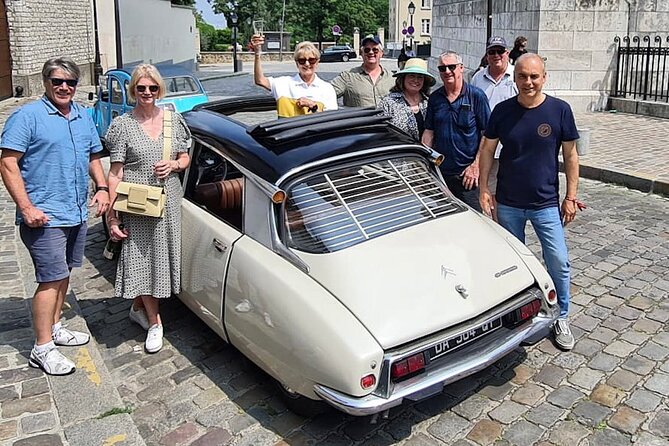
- A heated, roomy open-top Citroen DS: comfort matters when you are spanning lots of neighborhoods
- Benjamin as your guide: detailed city context plus Emily in Paris filming locations
- Private group experience (up to 4): your pace, your photo stops, your interests
- Central pickup and drop-off: designed for first-timers who do not want to navigate transit
- Street-level icons and show spots together: you get Paris sights, not just a TV scavenger hunt
Why this open-top Citroen DS route works when you have a few hours
Paris in one half day is usually a squeeze. This tour fixes the problem by stacking major sights close together and doing it from a comfortable, classic car you can enjoy even while you are moving. You will cover a lot of ground without walking yourself into blisters.
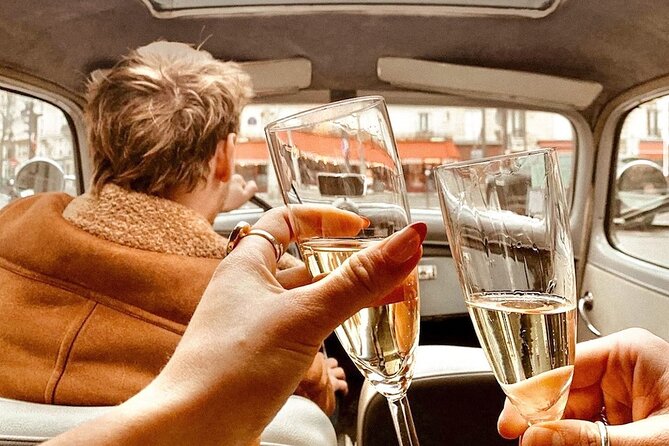
The open-top factor also changes the feeling. When the weather cooperates, the ride turns into a rolling viewpoint, with quick stops that make photo ops easier than stopping on your own. It is one of those “why didn’t I do this first” experiences, because it helps you orient for the rest of your trip.
The big tradeoff is that you are outside and on the go. If you want hours in one museum hall or a slow, deep museum day, this is not that. Think short, strategic stops, then straight back into the city.
More Paris tours and experiences for the shortlist


Pickup and meeting points near Paris landmarks (and the areas they skip)
You can get pickup and drop-off at centrally located hotels, and the tour can end back near your chosen meeting area. There are limits, though: pickup is not available for some areas in specific arrondissements, and they also note places like Le Marais, Bastille, République, and Gare du Nord as excluded for pickup or drop-off.
To keep things simple, you can use one of their listed meeting points if your hotel is not centrally located. The two locations given are the front of Hôtel Crillon at 10 Place de la Concorde (75008) and the front of the Panthéon at Place du Panthéon (75005). If you are unsure, contact the supplier after booking if your hotel is not on the list.
One more planning tip: the best scheduling window is between 10AM and 4PM to avoid traffic jams. If you are flexible, this helps you keep more time for sightseeing and fewer minutes sitting in traffic.
Inside the car: heating, legroom, and why the Citroen DS feels like part of the tour
The Citroen DS is the headline, but the comfort details are what keep it from becoming just a novelty. The car has heating, and the seats are described as comfortable with plenty of legroom. That matters because you are spending time in transit between multiple neighborhoods.
You also get a professional driver with safety-first habits and passenger insurance. In practice, that means you can relax during the turns and transfers, rather than worrying about getting in and out of traffic like an independent driver would.
And yes, the car pulls attention. Several ride moments in the experience are the kind where strangers take photos, and your group may feel a bit like you’re in the middle of a mini movie scene. Even if you only do this once, it becomes a memory on its own.
Benjamin’s guiding style: show filming locations plus street-level Paris context
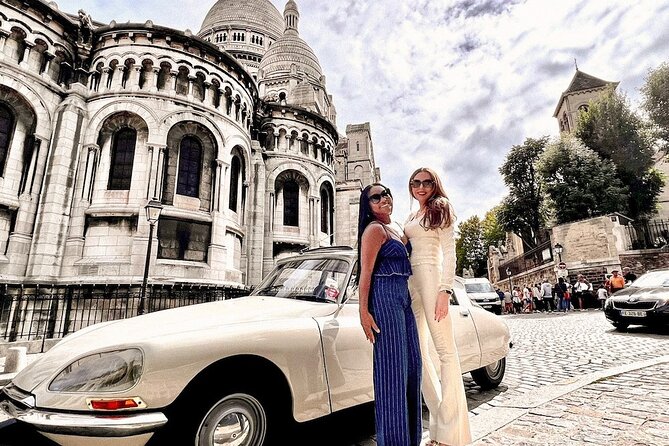
Benjamin is listed as the local guide, and the way this tour is set up is simple: he drives, stops you at photo-friendly spots, and gives you city context while you are there. The experience language is English, and it is built as a private tour so you can ask questions and adjust pacing.
What I like about this format is how the TV element stays attached to real Paris. You are not only chasing Emily in Paris locations as if they are random screenshots. Instead, you get context for why these streets, squares, and landmarks matter, from classic architecture to neighborhood character.
If you are a fan of the show, you will likely appreciate the added thrill of spotting filming locations. If you are not a fan, you still get a strong orientation tour, with famous monuments mixed in with the smaller streets and squares that shape how Paris feels day to day.
One fun thing to be aware of: you might get surprise show moments. In at least one case tied to the show, someone spotted a cast member during a stop and even had a quick chat. That is not something you can count on, but it tells you the tour can lead to memorable, off-script moments.
Latin Quarter to Île de la Cité: the intellectual Paris start
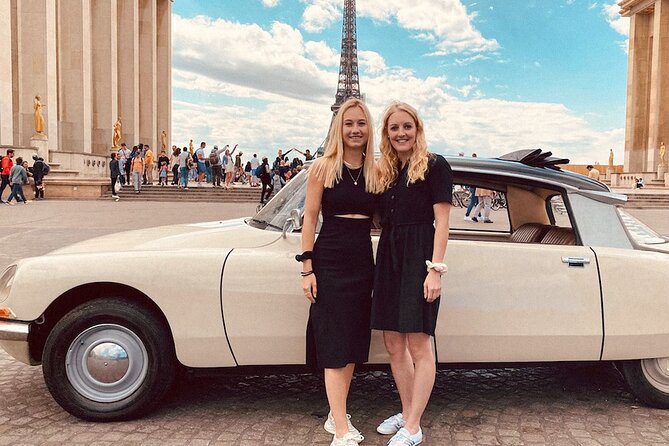
The tour often kicks off in the Latin Quarter area, where you get that classic mix of students, bookstores, cafés, and old stone streets. It sets the tone fast. Instead of starting with the biggest landmark first, you start where Paris feels lived-in and layered.
Next comes the Panthéon in the Latin Quarter, a majestic neoclassical monument tied to French thinkers and heroes. The point here is not just the building. It is the location, because it anchors the surrounding streets and helps you understand how this neighborhood became a symbol of ideas.
From there, you head to Place de l’Estrapade, a smaller square near the Panthéon that feels calmer than the main tourist loops. These short stops are valuable. You get a breather, and you also get a more authentic Paris view, because you are not trapped in the busiest angles.
Then you pass by Café de Flore and Les Deux Magots in Saint-Germain-des-Prés, two legendary cafés strongly tied to artists and intellectuals. Even if you do not step inside, just seeing the setting helps you connect the neighborhood reputation to the real street scene. This is the kind of stop that makes Paris stories click.
You also get a romantic-photo moment listed as an emblematic lovers stop in Paris. The key is to use it for perspective. Paris romance is not just about one postcard bridge, it is about the way the city frames the walkways along the water and the streets between landmarks.
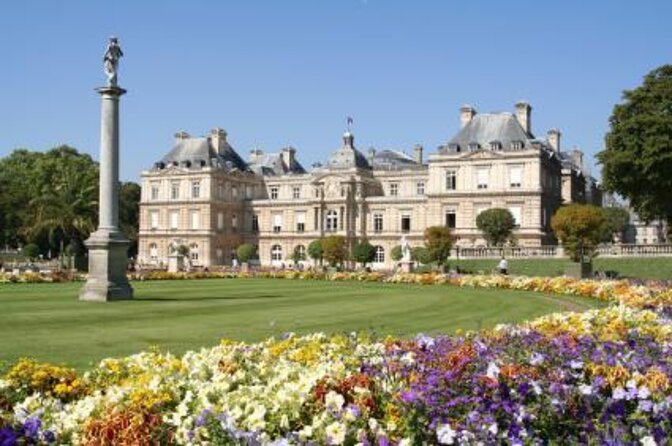
Jardin du Luxembourg is next, an oasis where you slow down. It is a good reset after city streets, and the fountains and garden paths make it easy to take a few photos without rushing.
Le Champo cinema is an institution for film buffs. If you like the culture side of Paris, this stop adds texture beyond architecture. It is also the kind of place that can connect modern entertainment with older Paris rhythms.
There is also a stop near the Banque de Paris, where street bands and singers are noted as regular visitors. This is one of those details that makes the city feel present, not staged, and it breaks the sightseeing pattern.
On Île-Saint-Louis, the tour includes a traditional restaurant stop known for Berthillon ice creams, widely considered among the best in Paris. Even if you do not buy a scoop, it is a fun way to experience local food culture with a built-in stop that fits the tour pacing.
From there, you move into Île de la Cité, the historic heart of Paris. This is where the Seine frames the most iconic landmarks, including Notre-Dame and Sainte-Chapelle nearby. It is the part of Paris that makes your brain go, yes, this is the Paris I expected.



Palais Royal and the central-city bridge moments you should not skip
Jardin du Palais Royal is next, with elegant gardens and classic arcades. This stop is about atmosphere. It is a quieter pocket in the middle of the city, and it gives you a “Paris from another angle” moment before you return to the heavy-hitter sights.
Then you reach Notre-Dame Cathedral. The timing here is short, about 15 minutes, which means you should plan to arrive ready: camera out, quick photos in the right direction, and time to look up at the Gothic details. This is a viewing stop, not a long interior tour.
Pont Neuf follows, one of the oldest bridges in Paris. Bridges are practical landmarks in a driving tour because they tell you where you are in relation to the islands and major boulevards. It also gives you a clean viewpoint for the river and surrounding architecture.
Place de Valois is a calm square nearby, known for its elegant architecture and proximity to cultural spots like the Comédie-Française. Short-square stops like this are underrated on a half-day tour. They let you see Paris beyond the biggest headlines.
You also pass by Galerie Vivienne, with its 19th-century architecture and glass-roof covered walkways. This is perfect for anyone who likes small-scale Paris beauty, because it is not just open street views, it is a covered, photo-friendly arcade feel.
From there, you go to Place Vendôme and then Opéra Garnier. Place Vendôme is luxury and symmetry in one hit, while Opéra Garnier adds drama with its ornate exterior. If you care about how Paris expresses status through buildings, these are strong stops.
Montmartre stairs to Sacré-Cœur: show spots, art streets, and the best views
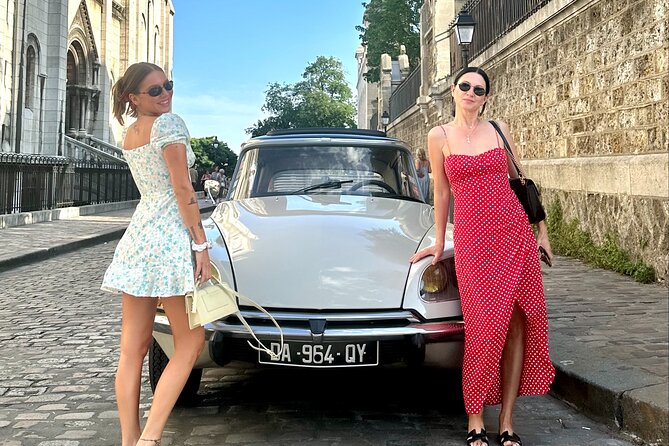
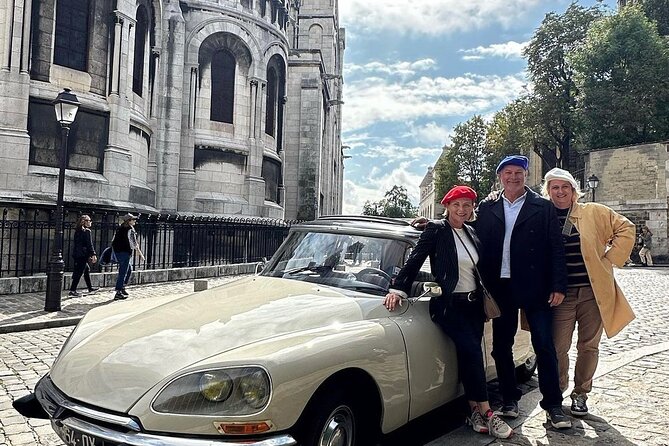
Montmartre is where this tour turns from “sights” into “story.” You start with the Montmartre stairs, which push you through narrow streets and into that hilltop neighborhood vibe. Even if you do not climb far, the surrounding streets change the feel of the city quickly.
Place du Tertre is next, where the art scene is front and center. It is lively and photogenic, and it is a natural place to pause. The trick is to take your pictures, then keep moving, because the energy changes street by street.
Rue de l’Abreuvoir is listed as one of Montmartre’s picturesque streets, lined with old houses. This is a good contrast stop, because it makes you feel the neighborhood as a village scale, not just a sightseeing district.
Then comes Basilique du Sacré-Cœur de Montmartre, about a 15-minute stop. This is one of the best viewpoints on the route. Go for the view first, then circle for photos, because the angles from different sides of the basilica can look totally different.
Rue Lepic is another fun street stop that ties history, art, and cinema together. It is also where you can connect show-style filming spots to the real neighborhood textures, like cobblestones, old storefronts, and the way the hill directs foot traffic.
Moulin Rouge is a must for many visitors. The red windmill façade is recognizable from far away, and it is a good stop for classic Paris night-life imagery, even during daylight.
La Maison Rose follows, a pink bistro in Montmartre associated with artists and now a cozy place for seasonal French-Italian dishes. If you want one place where the show vibe feels like it belongs, this kind of stop does it.
Then you reach Le Mur des Je t’aime, the Wall of Love, with the je t’aime message in many languages. It is listed as a 15-minute stop, free admission, and it is easy to photograph from a few angles.
You also get Parc Monceau and the Courcelles neighborhood nearby. This shift matters because it shows Paris outside the postcard core. You get a calmer side, with landscaped paths and elegant residential street vibes.
Arc de Triomphe to the Eiffel Tower: icons with enough time to feel the scale
Arc de Triomphe is next, again with a timed stop of about 15 minutes and marked free in the schedule. It is the kind of landmark where even a quick stop helps. Standing near it helps you understand how Paris builds grand statements around wide avenues.
Rue de l’Université is close by, set in a street-with-cafés kind of view near the Eiffel Tower area. This is useful because it frames the tower approach more realistically than a single Eiffel postcard angle.
The École Militaire is another historic landmark in this zone. It adds a different flavor, because it is not just about monument glamour, it is about the military heritage footprint in central Paris.
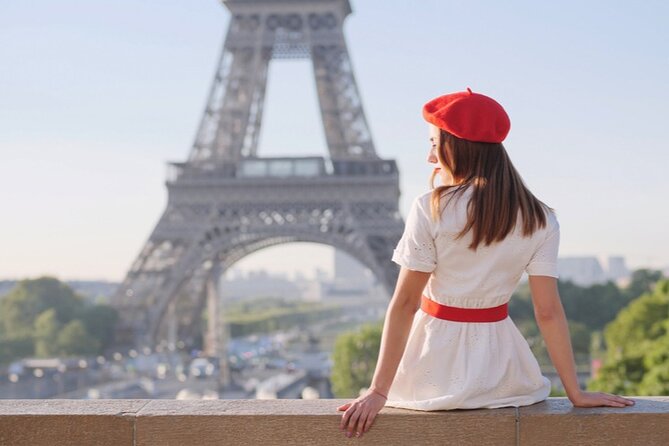
Then you get Eiffel Tower, about a 15-minute stop and marked free for admission. Use this time for exterior photos in more than one direction. From a driving tour, you can also catch angles you might miss if you only go once.
After the Eiffel zone, you pass Élysée Palace, then Les Invalides. These are heavy-hitter sites, and while you may not linger long at each, seeing them from the street level helps you connect their size and significance to the city’s layout.
Pont Alexandre III comes next, one of the most opulent bridges with grand golden sculpture details and sweeping views. This stop is a photo magnet, and it is a great example of how Paris uses bridges as public art.
Then you slide into the Champs-Élysées experience, followed by the Church of La Madeleine. Champs-Élysées is classic grandeur, and La Madeleine is dramatic neoclassical styling. If you like architecture, this stretch is where the driving tour pays off.
Grand Palais is listed after that. It is a key landmark for art and events, and the glass-domed look is hard to ignore.
Seine-side grandeur to the Louvre Pyramid: finishing with classic Paris centerpieces
Pont de la Concorde connects central landmarks across the Seine, and it is a practical checkpoint that helps you track where you are heading next. You also pause at the Luxor Obelisk in Place de la Concorde, a striking ancient monument planted right in the modern city grid.
Petit Palais is included as a calmer architectural stop. It works as a palate cleanser between the big, showy icons. Then you head toward the Seine-side strolling moment, described as drifting along the river or strolling across its bridges for romantic angles.
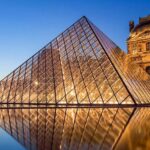
Pyramide du Louvre is next. Even if you do not go inside, the placement is the key. The Louvre Pyramid gives you a perfect central Paris reference point before you continue into the garden zone.
Place de la Concorde appears again in the route flow, followed by the Tuileries Gardens. This is a good ending segment because it is easy to relax for a few minutes while you absorb the central setting.
Finally, Musée d’Orsay is listed, tied to Impressionist and Post-Impressionist masterpieces. The stop here is more about seeing the exterior setting and feeling the cultural importance, since the schedule is framed around a driving tour pace.
Timing, weather, and how to plan your day around the 3 to 4 hours
This tour is timed for about 3 to 4 hours, which is perfect for a first day or a day when you want “orientation plus highlights” instead of a full-on deep itinerary. Because the stops are short, you should decide before you go what you care about most: show locations, big monuments, or neighborhood streets.
Weather matters here. The tour requires good weather, and if it is canceled due to poor weather, you get offered a different date or a full refund. It is also smart to bring a light layer even in warmer months, because open-top rides can feel cooler than you expect between neighborhoods.
If you want to maximize your photo results, plan for a camera setup you can use fast. Most stops are around 15 minutes for key landmarks, so you want to move efficiently once you step out.
Who should book this tour, and who should skip it
Book it if you want an easy way to cover a lot of Paris without long walks, and you like the idea of pairing Emily in Paris locations with the real city around them. It also fits well if you are traveling as a small group, because the private setup means up to 4 people get the same personal attention.
It is also a great pick if you value comfort. The heated, roomy seating in an open-top vintage car is a rare combo, and the route is designed to keep you moving without feeling exhausted.
Skip it if you are traveling with children under 10, because kids under 10 are not allowed due to the lack of seat belts on the back seats. Also skip it if you want a slow, ticket-heavy museum day, since this experience is built around exterior viewing, street scenes, and timed stops.
Should you book this Paris TV show tour in the Citroen DS?
Yes, if you want a fun, photo-friendly way to see a wide swath of Paris in a short window. The comfort details, private attention with guide Benjamin, and the mix of show filming spots plus major monuments make this feel like smart value rather than just a gimmick.
If the weather is questionable, consider it carefully, because it is an open-top experience and they require good weather. Otherwise, this is a strong choice for first-timers, small groups, and Emily in Paris fans who also want the city beneath the show.
FAQ
How long is the Paris TV Show Tour in the Citroen DS?
The tour duration is approximately 3 to 4 hours.
What is the group size limit and price?
The price is $540.95 per group, up to 4 people.
Is the tour private, and is English available?
Yes, it is a private tour for only your group, and it is offered in English.
Is pickup and drop-off available, and where are the limits?
Pickup is offered with drop-off at centrally located hotel areas inside Paris. Pickup and drop-off are not available in the 3rd, 4th, 10th, 11th, 12th, 19th, and 20th arrondissements, and they also do not offer pickup or drop-off at Le Marais, Bastille, République, or Gare du Nord. Drop-off at the end can be at a location of your choice inside the city of Paris that falls within their allowed areas.
Where can I meet the tour if my hotel is not centrally located?
The meeting points listed are the front of Hôtel Crillon at 10 place de la Concorde (75008 Paris) and the front of the Panthéon at Place du Panthéon (75005 Paris).
Is the car heated and comfortable?
Yes. The car has heating and comfortable seats with plenty of legroom.
Are children allowed?
Children under 10 years old are unfortunately not allowed due to no seat belt on the back seats.
Does the tour run in poor weather?
The experience requires good weather. If it is canceled due to poor weather, you will be offered a different date or a full refund.
More Shows & Entertainment in Paris



More Tours in Paris


More Tour Reviews in Paris


Not for you? Here's more nearby things to do in Paris we have reviewed








Paris 2CV Tours, side by side.
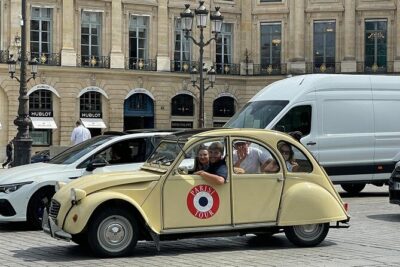 ★ 4.5Vintage 2CV Adventure: 2 -Hour Paris Secrets TourTickets from $344488 guest reviews
 ★ 4.9Discover Paris 2CVTickets from $135472 guest reviews
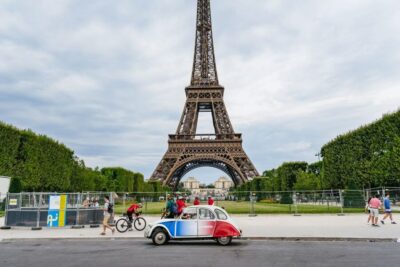 ★ 4.71-Hour Vintage Citroen 2CV TourTickets from $64314 guest reviews
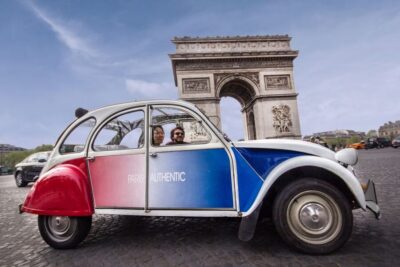 ★ 4.4Vintage 2CV tour + CruiseTickets from $100252 guest reviews
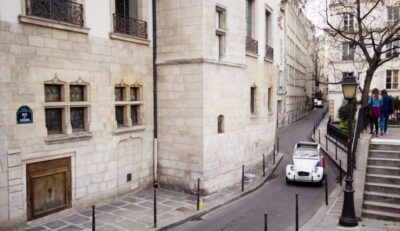 ★ 4.7Off-the-Beaten Track in Paris: 2-Hour Vintage 2CV TourTickets from $129236 guest reviews
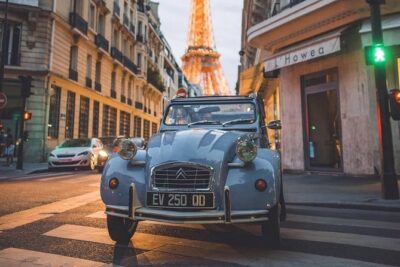 ★ 4.5Vintage 2CV Adventure: 2-Hour Paris Highlights TourTickets from $349214 guest reviews
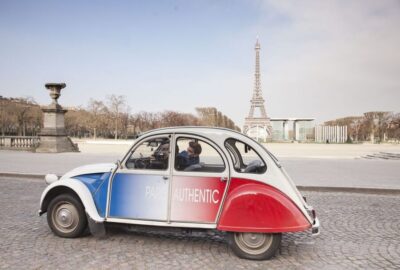 ★ 4.6Romantic Paris Vintage Citroën 2CV TourTickets from $140198 guest reviews
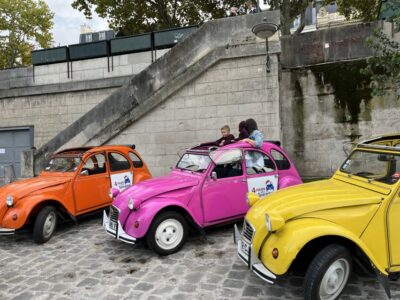 ★ 4.9Private Sightseeing Tour in Citroën 2CVTickets from $246194 guest reviews
This tour also belongs to