
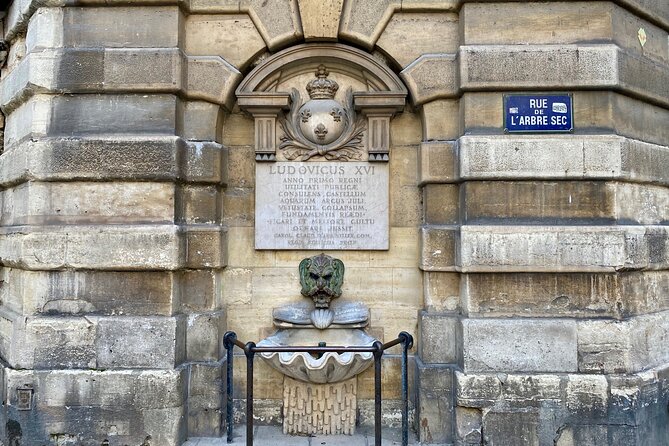
Review · PARIS CITY TOURS
Paris Criminal Past, audioguided walking tour
Paris has a way of hiding its darker layers in plain sight. This audio walking tour uses smart, location-based narration to take you straight to famous crime scenes and execution spots. Expect creepy stories, quick stops, and an app that handles the hard part of staying on track.
Two things I really like: first, the audio triggers automatically as you arrive, so you do not have to constantly read your phone. Second, the route is flexible, you can pause for a drink or a snack and then resume right where you stopped. One consideration, the theme is intentionally disturbing, so if true crime and executions are not your style, you might want to skip this one or keep it light with shorter listening times.
Key things to know before you go
- Self-guided, audio-led route: you follow audio cues and a map, not a live group.
- Automatic storytelling at each stop: narration plays when you’re in the right spot.
- Pause and resume anytime: stop to browse a shop or grab a bite, then continue.
- Geo-localization help: if you drift, the app can point you back on track.
- Four major stops in central Paris: church and civic spaces tied to punishment and violence.
- Low cost, short commitment: priced for casual exploration, with a route that fits a quick outing.
Price and logistics: a cheap, flexible way to walk
At $11.56 per person, this is priced like an add-on experience, not a big-ticket guided day. What makes it feel like good value is how much you get for that price: an audio narrative built around specific places, plus real-time map guidance and geo-localization so you are not stuck figuring it out on your own.
The tour is listed as 1 to 30 minutes (approx.), but the route itself is broken into four short segments at the stops, including 15 minutes, 30 minutes, and two 10-minute blocks. Practically, that means you can keep it very quick, or you can listen fully and spend closer to an hour if you linger a bit. Either way, it works well as a “walking filler” between other sights.
It is also a small operation in spirit, with a maximum of 15 travelers. Since this is self-guided, that limit matters less for the pace and more for the overall setup and experience flow.
You can also read our reviews of more walking tours in Paris



The start and end: where your walk begins and finishes
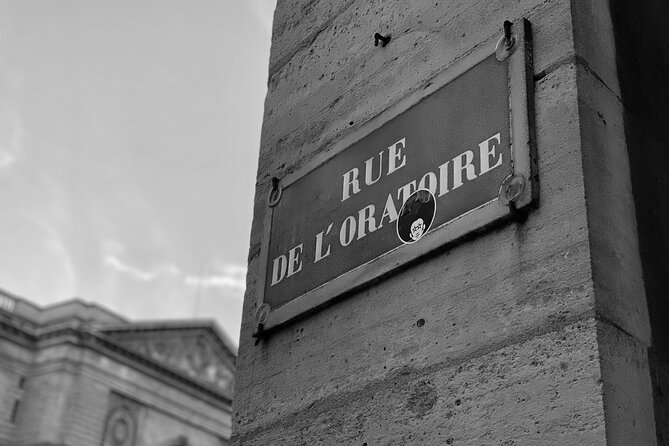
The tour starts at 1 Rue de l’Oratoire, 75001 Paris. It ends at 1 Av. Victoria, 75004 Paris, near Hôtel de Ville in the 4th district, close to le Marais.
That start-to-finish direction is useful because you are not looping back and forth. You can treat it like a one-way stroll, then keep exploring around Hôtel de Ville and the Marais right after.
The time window is 7:00 AM to 6:00 PM, seven days a week (within the stated operating range). And it runs near public transportation, which is ideal if you want to hop in for just one or two stops.
How the app keeps you on track (and lets you stop for life)

The tour is built for “walk and listen,” not “walk and read.” The experience is described as auto-triggering commentary and fun facts as you stroll, right where they happened. The guidance is designed to be clear enough that you can keep moving without constant phone-checking.
Here are the practical advantages:
- You can leave your smartphone in your pocket while you walk, since the narration is meant to play when you reach each location.
- You can pause at a terrace or a shop if you want a break, then resume right where you stopped.
- The integrated geo-localization feature is meant to get you back on track quickly if you take a wrong turn.
One small caution: the whole concept depends on you following the route closely enough for the app to trigger correctly. If you wander far off into side streets for a long detour, you might interrupt the experience flow.
Stop 1, Eglise St-Germain l’Auxerrois: the massacre backdrop
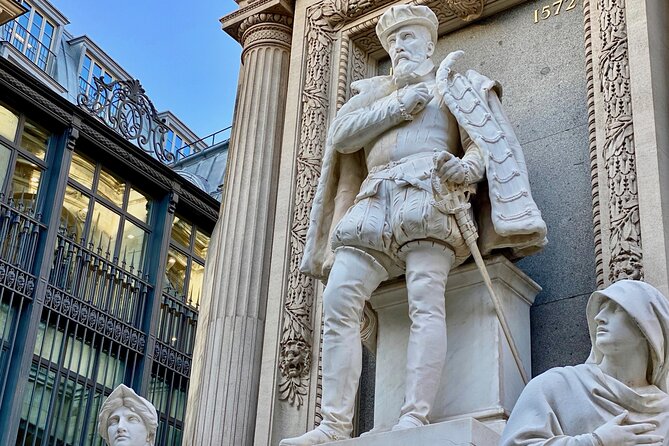
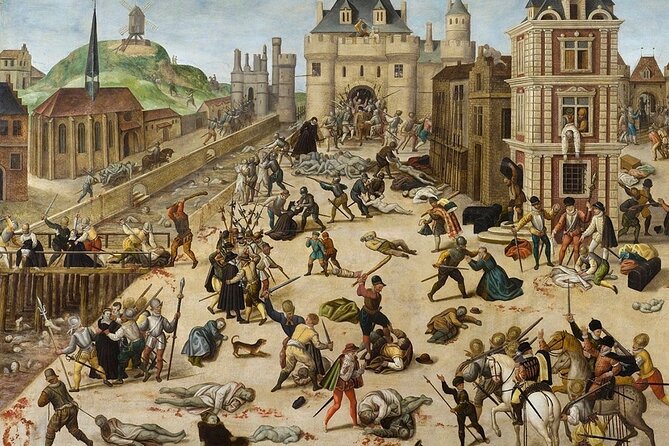
Your first stop is Eglise St-Germain l’Auxerrois, the huge church backdrop tied to one of France’s most terrible massacres. The idea here is simple but effective: you stand in front of an iconic landmark and hear the stories connected to it.
Why this stop works:
- Churches in Paris often look permanent, but the narration focuses on what happened there when society was far less orderly.
- This is a strong opening because it sets the tone quickly, and you get right into the “crime in the real city” mindset.
A practical drawback: since the story content is described as disturbing, this first location can feel heavy even if you want a lighter stroll. If you are sensitive to grim topics, consider shortening your listening time right here.
Stop 2, Halles Quartier: conspiracies, poisoning, and Saint Denis
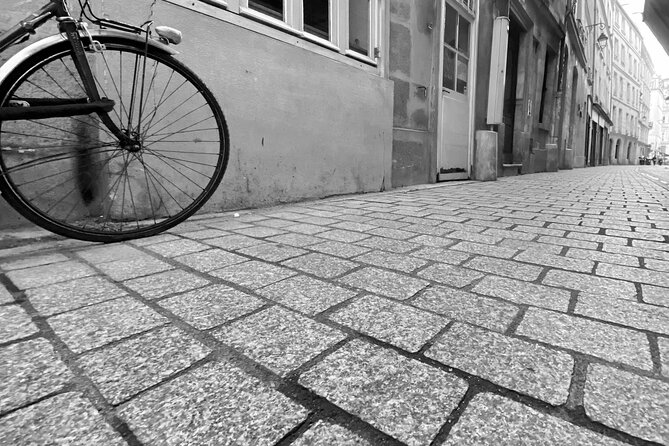
Next is the Halles Quartier area, described as streets that witnessed conspiracies, assassinations, and poisoning during the time of the Kings of France. You also learn about the cruel end of the first bishop of Paris, Saint Denis.
This is the longest stop block at 30 minutes, and that makes sense. It gives the audio time to build a sense of how power, rumor, and violence played out in the streets around the old center.
What you’ll likely appreciate most:
- The tour connects big themes like royal power and plots to specific locations around central Paris.
- The mention of Saint Denis adds a real “place to name” element, which helps keep it from feeling like vague true-crime trivia.
The only real consideration at this point is comfort with the subject matter. The tour does not soften the edge. If you want eerie stories without graphic focus, you may prefer to listen more selectively here.






Stop 3, Place du Chatelet: public executions and the people who ran them
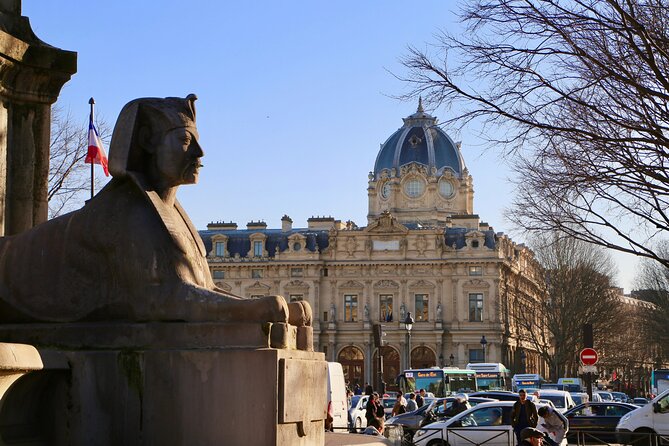
At Place du Chatelet, you move into squares famous for public executions since the Middle Ages. You also learn about the terrible lives of the public executioners.
This stop is where the tour leans into character and system, not just sensational crimes. Even without going into gory detail, the idea of normalizing punishment in public spaces is part of what makes this whole route feel unsettling.
Why I think this stop is worth your attention:
- Execution sites are often part of cities’ daily geography, so the narration can make modern squares feel psychologically different.
- Hearing about executioners gives the story another angle, not just the victims and crimes.
One drawback: the content is inherently bleak. If you are photographing and enjoying Paris’s beauty, you may need a mental gear shift, because the audio is pushing you toward the grim side of history.
Stop 4, Hôtel de Ville: magnificent building, brutal reputation
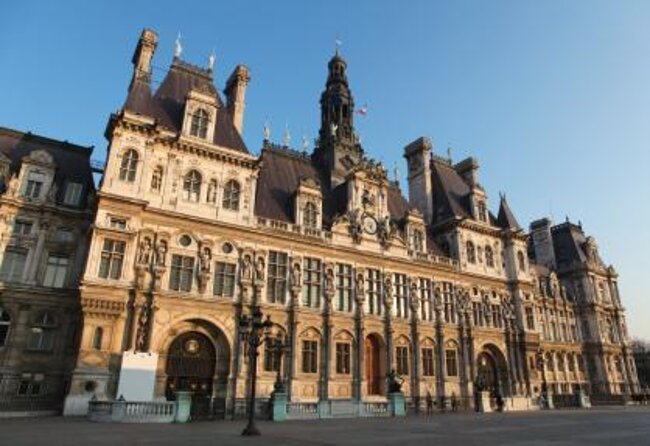
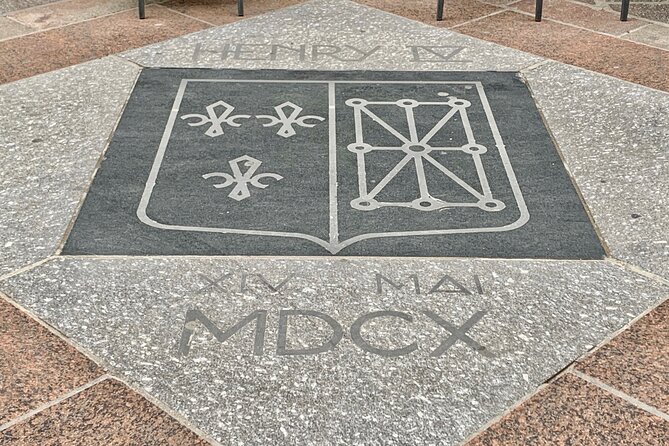
The final stop is Hôtel de Ville, described as magnificent, but back in the day it was also famous for popular public executions. You end near the area where you can naturally roll into more sightseeing around the Marais.
This stop is a strong closer because it creates contrast. Paris looks polished and ceremonial today, but the narration reminds you that civic power and public punishment were once tightly linked.
What this does well:
- Ending with a major civic landmark makes the walk feel complete, like you visited the “stage” as well as the “scene.”
- The route’s structure, starting with a church and ending with civic space, helps you connect different types of authority and violence.
If you like an uplifting ending, you might not get one here. The whole tour is built around crimes, punishments, and disturbed stories, so plan accordingly.
What kind of traveler should book this
This is a great match if you want:
- A self-guided experience, because you can go at your own pace and avoid group-tour timing.
- A fast way to learn Paris through a focused theme, not a random list of attractions.
- An app that helps you stay oriented with map directions and geo-localization.
It is less ideal if:
- You hate true crime themes or public execution stories.
- You want a traditional, upbeat walking tour with commentary that stays light.
- You prefer to read everything manually rather than listen to automated narration.
And if you already know Paris well, I’d still consider it. The route targets specific places tied to violence, and that kind of thematic walk can reveal parts of the city you might overlook in normal sightseeing.
Value check: does $11.56 make sense for this kind of tour?
For many walking tours, you pay more to cover a human guide and group management. Here, you are paying for an audio narrative plus navigation support. At $11.56, the value depends on whether the concept clicks for you.
If you enjoy:
- short listening bursts,
- walking between multiple points,
- and a “pause whenever you want” format,
then the cost feels reasonable. It is also easy to slot into your day, since it starts and ends in central areas you likely want to visit anyway.
If you are looking for deep, academic history with a live historian, this may feel too lightweight, because it is built for self-paced audio. But for an inexpensive themed walk, it offers a lot of storyline per minute.
Quick practical tips so you get the most from it
- Give each stop enough time to let the audio cue you where you are. Rushing can cut the best parts.
- If you want breaks, plan them right when you feel the narration is transitioning. The tour is designed for that.
- Wear comfortable shoes. Even though each stop is short, it is still a walking route across central Paris.
Should you book Paris Criminal Past with audio?
I’d book it if you want a short, low-cost, self-guided walk that turns familiar Paris landmarks into crime-scene waypoints. The combination of auto-playing audio, clear directions, and geo-localization help makes it easy to follow without constant fuss, and the story theme is exactly the sort of thing that turns a stroll into an experience you remember.
I’d skip or shorten your plan if executions and mass violence are not your thing. This tour is not trying to be gentle. But if you can handle unsettling history in small doses, it is a smart way to see Paris from a different angle, in your own time.
FAQ
Where does the tour start and end?
The tour starts at 1 Rue de l’Oratoire, 75001 Paris, France, and it ends at 1 Av. Victoria, 75004 Paris, France near Hôtel de Ville.
How long is the Paris Criminal Past audio walking tour?
The duration is listed as approximately 1 to 30 minutes, and the route is divided into short stop blocks at four locations.
What stops are included on the route?
The tour includes Eglise St-Germain l’Auxerrois, Halles Quartier, Place du Chatelet, and Hôtel de Ville.
Do the stops require paid admission tickets?
No. The stop admission ticket cost is listed as free for each of the four stops.
Is the tour guided by audio or a live person?
It is an audio guided self guided walking tour. The commentary is described as triggering automatically as you stroll.
What happens if I take a wrong turn?
The experience includes geo-localization, which is described as getting you back on track in no time.
Can I pause the tour and continue later?
Yes. The instructions say you can leave a pause for a terrace or shop and then resume when you want, right where you paused.
What time can I do the tour?
The opening hours shown are Monday to Sunday, 7:00 AM to 6:00 PM.
How much does it cost, and can I cancel?
It costs $11.56 per person. Free cancellation is available, and you can cancel up to 24 hours in advance for a full refund.
More Walking Tours in Paris



More Tours in Paris





More Tour Reviews in Paris



Not for you? Here's more nearby things to do in Paris we have reviewed












Paris City Tours, side by side.
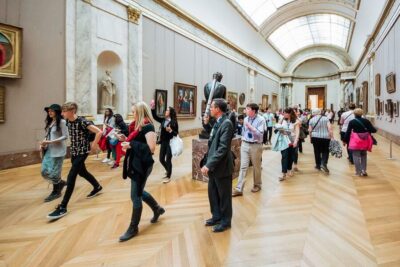 ★ 4.6Louvre Museum Timed-Entrance TicketTickets from $2671,977 guest reviews
 ★ 4.6Disneyland® Paris 1-Day TicketTickets from $6149,412 guest reviews
 ★ 4.6Versailles Palace and Gardens Full Access TicketTickets from $1741,579 guest reviews
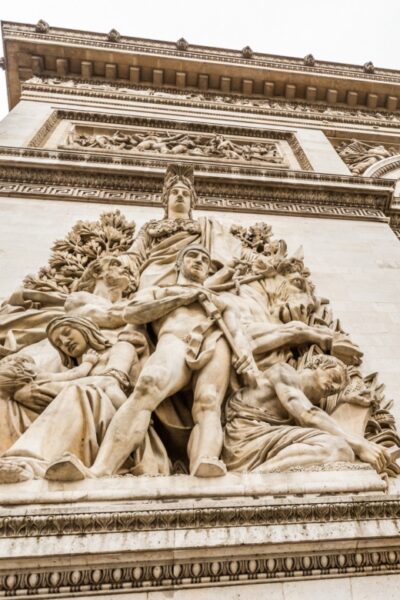 ★ 4.6Arc de Triomphe Rooftop TicketsTickets from $1834,264 guest reviews
 ★ 4.7Orsay Museum Entry TicketTickets from $1525,647 guest reviews
 ★ 4.4Evening River Cruise with MusicTickets from $2722,721 guest reviews
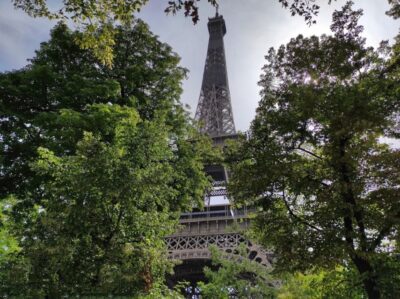 ★ 4.4Eiffel Tower Entry Ticket with Optional Summit AccessTickets from $2920,035 guest reviews
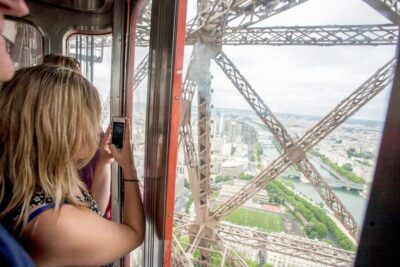 ★ 4.3Eiffel Tower Summit or Second Floor AccessTickets from $5917,248 guest reviews