
Review · PARIS CITY TOURS
Paris: Full-Day Cooking Class with 3-Course Lunch
French cooking feels hands-on, not museum-like. In this Latin Quarter class, you shop first, then cook a full 3-course meal. The best part is learning classic technique while a fluent English host brings French food stories to life.
I especially love the market-to-menu approach, because you cook what is fresh that day instead of following a rigid script. I also like the meal payoff: wine and cheese paired right with what you make, and you sit down together without feeling rushed. One thing to consider, though, is that the class can feel a bit basic if you are already a very seasoned home chef who wants advanced, technical challenges all day.
You meet at Le Foodist in the Latin Quarter, start at 10:30, and plan to be in the kitchen for roughly two hours before lunch. The group is typically small, generally between 3 and 7 people, which keeps it personal and makes it easier to get hands-on help. Just note the provider can cancel if only 2 people or less sign up, with an alternative date or a full refund.
Key things you’ll notice right away
- Latin Quarter setup at Le Foodist (59 rue Cardinal Lemoine, 75005), easy to pair with other neighborhood strolling
- Small group format that keeps the pace friendly and coaching practical
- Market trip first, then you build an appetizer, main, and dessert from what looks best
- Classic French techniques, usually 6 to 8 skills, including things like wine sauce and ice cream
- A real sit-down lunch, with red and white wine and generous cheese
- Humor and culture in the mix, with hosts like Paulo, Luc, and Frédéric mentioned for fun, patient teaching
Market morning in the Latin Quarter, then straight to the stove
This class starts with a simple but smart idea: France eats with the seasons. Around 10:30, you’re welcomed after your hosts return from the local market with produce. Then you head into the kitchen and build your menu based on what is available that day.
That market step matters more than it sounds. You learn how French cooking thinks about balance, ripeness, and flavor. And since the menu is ingredient-driven, the experience usually feels a bit different each time you book.
The location also helps. Le Foodist is in the Latin Quarter, so you’re close to the kind of Paris streets where you can keep wandering after class. Think cafes, shops, and that lived-in neighborhood feel, not a one-building tourist bubble.
You can also read our reviews of more cooking classes in Paris

Le Foodist kitchen time, how the menu comes together
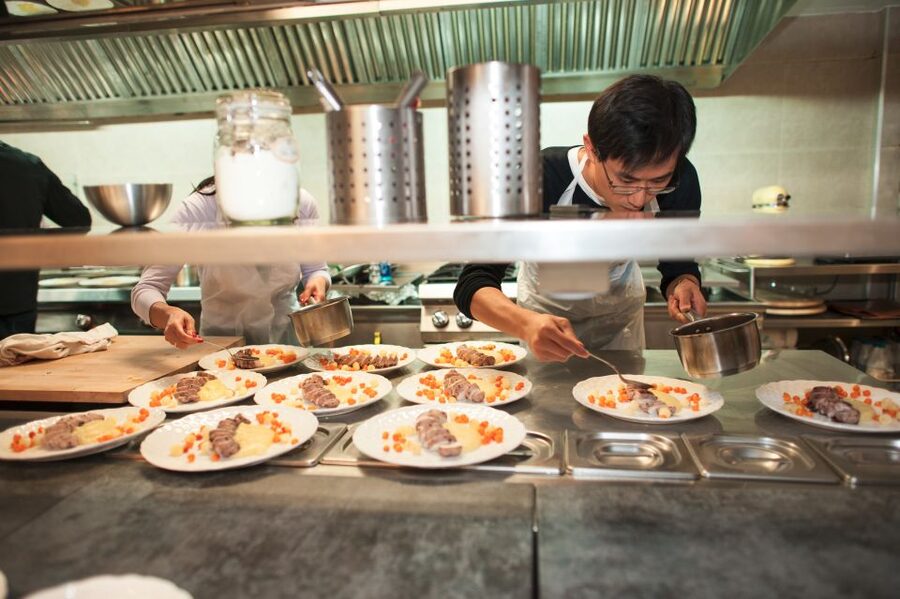
You’re not just following a recipe. You’re building a 3-course lunch and learning why each step exists. The class is typically designed to keep you moving, and the kitchen setup is meant for groups to work comfortably, watch, and ask questions.
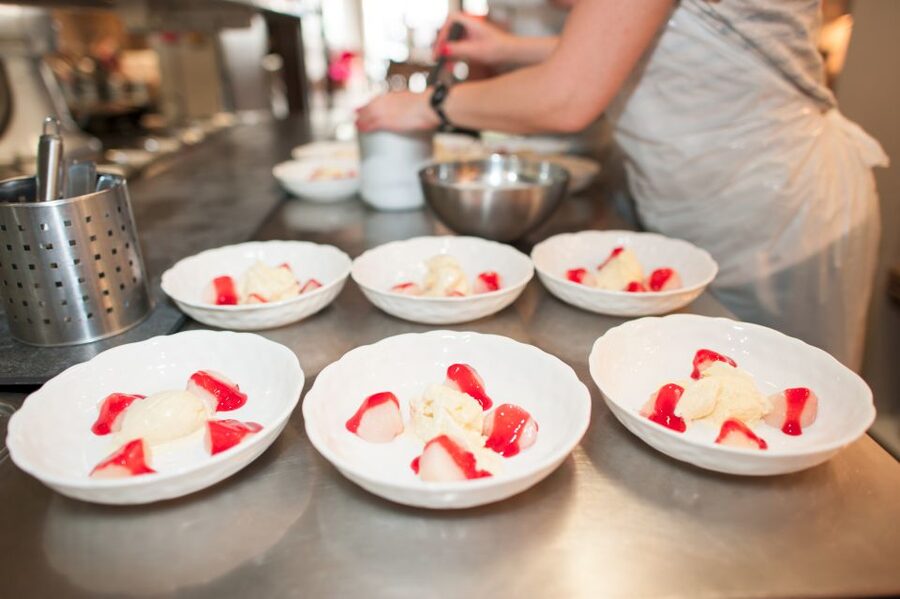
You’ll make an appetizer, a main course, and a dessert using classic French methods. From the class description and the way instructors are praised, you should expect techniques taught in a way that you can repeat later. Many students highlight that the recipes feel doable at home, not only fancy on the day.
A key piece is learning how to plan a meal. You’ll cover what can be prepped in advance so your cooking day stays calmer. That is exactly the sort of practical skill that separates French cooking from the stereotype of it being fussy.
Most classes cover about 6 to 8 different techniques in total. So even if you only end up personally doing some steps at your station, you still come away with a toolkit of methods, not just a plate.
The classic technique lessons, what you’ll actually learn
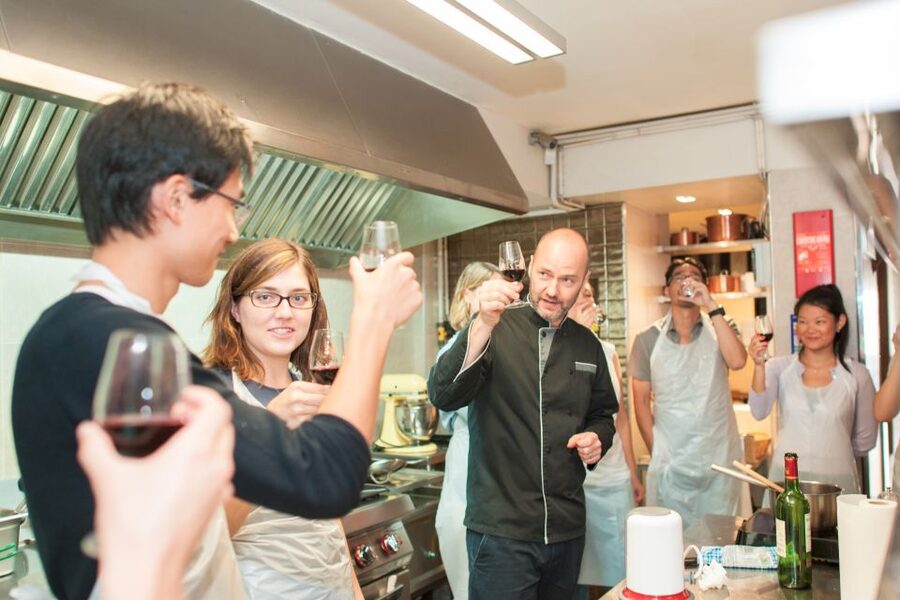
French technique has a way of sounding intimidating until someone breaks it down. This class aims to do that, and the reviews consistently praise instructors like Paulo, Luc, and Frédéric for being fun, patient, and good at explaining.
Here are the technique types you can expect based on the menu style:
- Sauce work, including wine-based sauces (a classic French move that uses reduction and timing)
- Dessert methods, including ice cream as part of the course style
- Core prep skills, like organizing steps so cooking flows instead of piling up
You may not end up repeating every step like a TV cooking show. Some participants mention that working in stations can mean not everyone does every single step. Still, you should feel like you learned something each stage, because the teaching is built around techniques and how to handle them.
If you are curious about knife skills, you might find extra tips sprinkled in. One review explicitly called out hints and tips for knife work, plus general cooking guidance that goes beyond the three specific dishes.
Two hours of cooking, wine in the middle, and why that pacing works
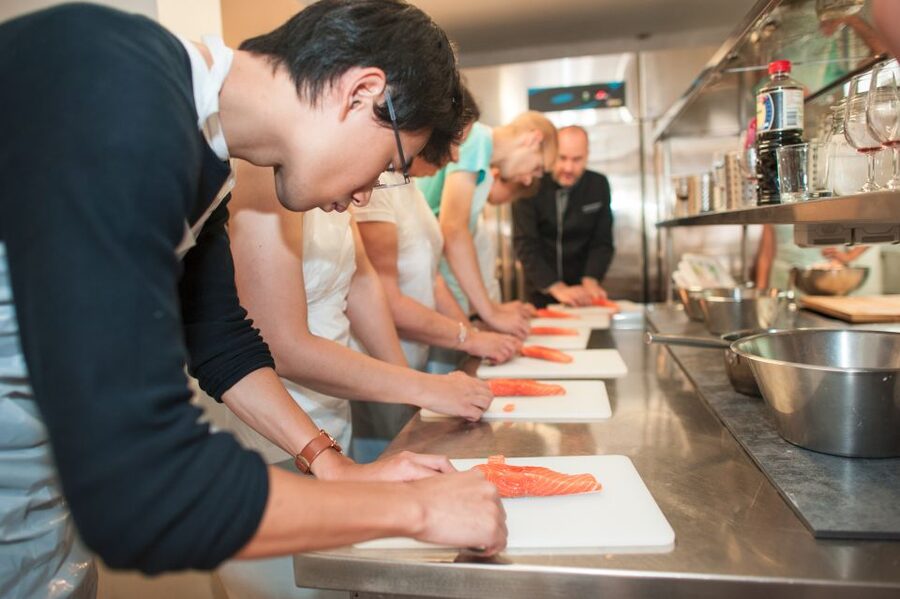
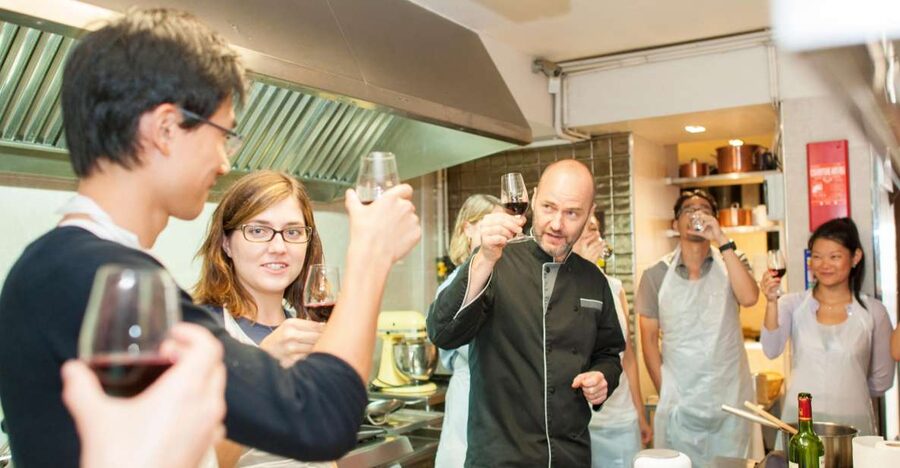
About two hours into the cooking, it’s time to eat. You get fortified with a glass of wine, and sometimes people mention it can be one or even two depending on how the day flows. Then you shift from active cooking into tasting mode.
That timing is a real plus if you are worried about “standing around” for a long time. You cook, you learn, then you sit down while the food is at its best. It also helps your brain absorb what you just did, because you taste the result immediately after the techniques.
It’s also a social rhythm. You’re cooking with a small group, but once lunch starts, you’re all sharing the same table and talking about what you made. Multiple reviews praise the instructors for keeping everyone comfortable, including when the group count got larger than expected.
Lunch at the table: wine, cheese, and your 3-course result
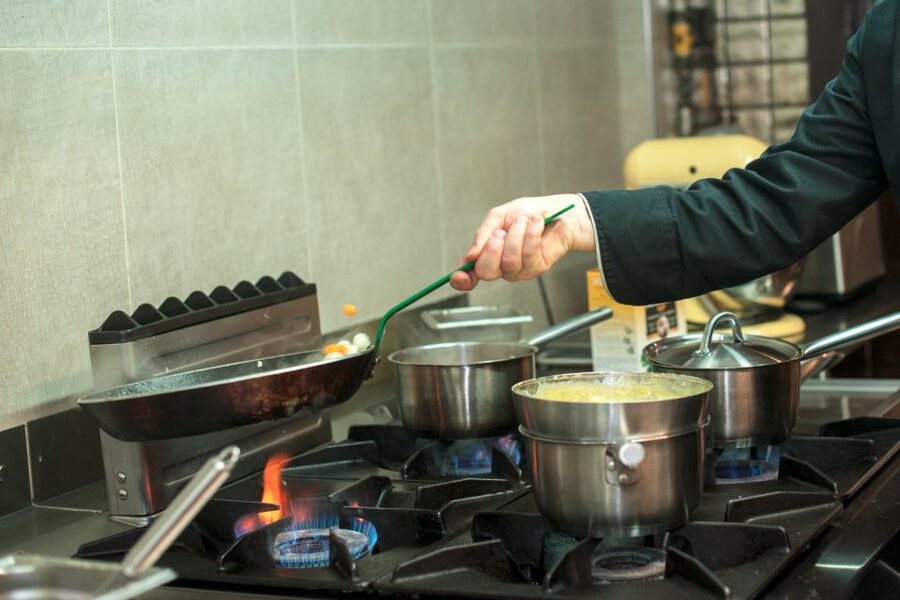
Lunch is not a quick bite. You sit down and enjoy what you cooked, typically finishing around 15:00. The meal comes paired with red and white wines, and there’s cheese served generously alongside.
This is where the experience earns its value. You’re learning technique, then you taste the outcome, paired with wine the day is built around. If you enjoy food you can actually replicate at home, this is the part that makes the class stick in your head.
Cheese also changes the feel of the lunch. In France, cheese is not an afterthought, it’s a central flavor. So even if your appetizer or main is the focus, the cheese course supports the bigger idea: the whole meal is a system, not separate dishes.
More Paris tours and experiences for the shortlist






The cultural stories: 2,500 years of French food told in plain English
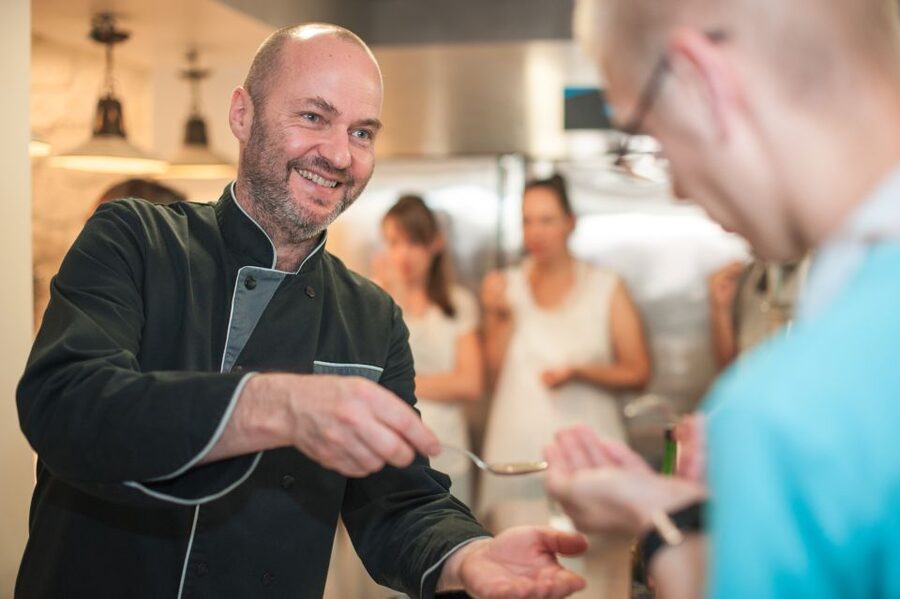
A standout feature here is the way the host blends technique with stories. The class description promises culinary stories spanning 2,500 years, and reviews repeatedly mention cultural anecdotes told in clear English.
Hosts such as Luc and Frédéric are praised for humor and engaging pacing. Some people specifically mention a mischievous sense of humor, which matters more than you’d think when you are learning under real-life kitchen pressure.
I like this storytelling angle because it gives context for technique. Sauce reductions are not just “do this step.” They connect to a style of eating and a food tradition that long predates modern restaurant trends.
How big is the class, and how that affects your learning
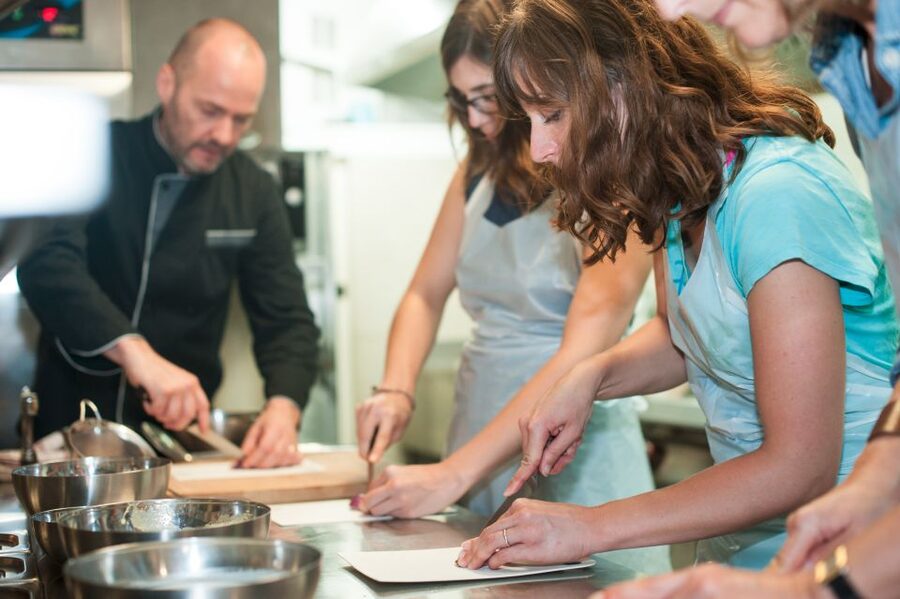
The class is typically limited to between 3 and 7 people to keep it intimate. That size helps you get personal time and makes it easier for the instructor to troubleshoot while you cook.
One review mentions a group size of 10. Even if you do not control the final headcount, the good news is that instructors are described as managing the room well. If you like interaction, that flexibility can actually be a benefit, because the day can become more social.
If you are a solo traveler, a small group is usually ideal. You get conversation without the awkwardness of a giant tour herd. For couples, it’s also a great option because you can talk during cooking and then share lunch without competing for attention.
Dietary needs and skill levels, what to expect
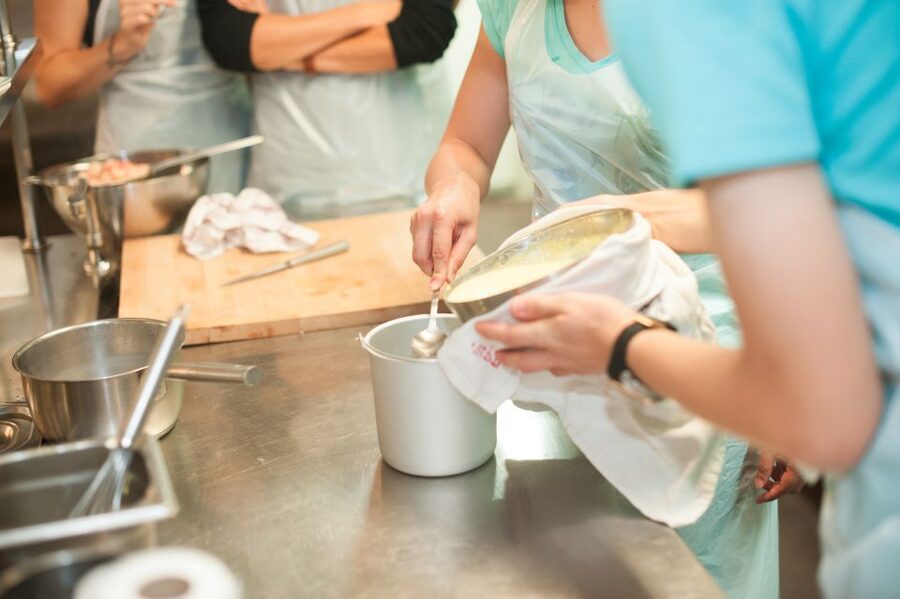
The class is designed to accommodate different participants, and you should be able to learn something even if you are not a confident home cook. Many reviews stress that the recipes are not overly complicated and that the instructor makes people feel comfortable.
Dietary restrictions are handled if you advise at least 24 hours before the class. One review notes a vegetarian menu built around the dietary need, and others mention allergies being accommodated. So if you have constraints, plan ahead and communicate them early.
The one caution is skill level. One review suggested the full-day format might feel a little basic for very seasoned home chefs. If you already cook like a hobbyist with confidence and want advanced molecular or heavy technical instruction, you might find it more relaxed than you want.
If you are the type who wants to come home with classic methods and a repeatable 3-course structure, you’re in the right zone.
Price and value: is $222 for five hours fair?
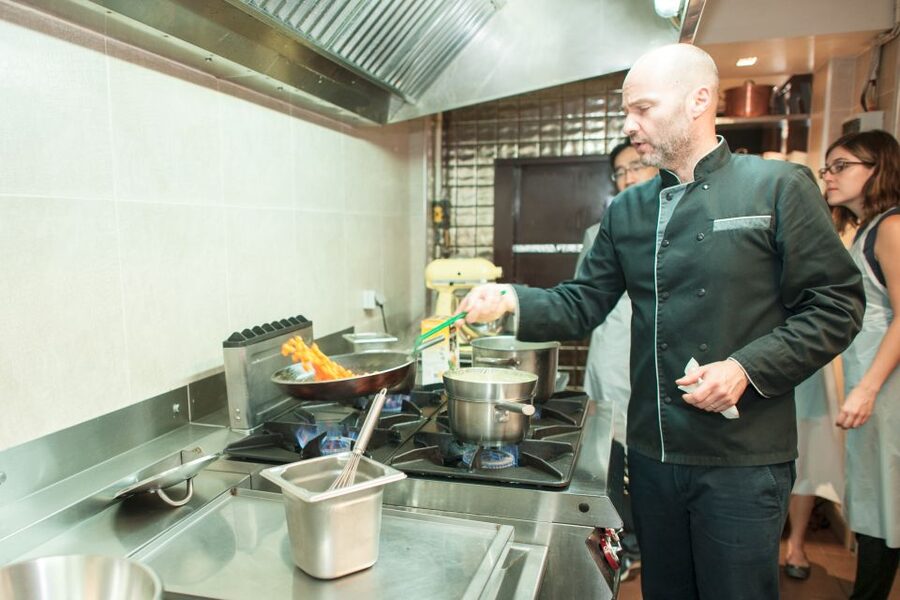
At $222 per person for about 5 hours, it is not the cheapest way to spend a half day in Paris. But the value is tied to what you get, not the time alone.
You’re paying for:
- A small-group, coached cooking experience
- Classic French techniques taught with practical meal planning
- A market-first flow, so your lunch ingredients connect to what’s fresh
- Full lunch with wine and cheese
- Recipes provided in English, both hard copy and electronic
That recipe component matters. Even if you only remember half of what happens in a day, recipes let you recreate it. Many reviews highlight that getting recipes after the class is a big benefit, and that receiving them in English makes it actually usable.
And since wine and cheese are included with the meal, it is not just a cooking workshop. It’s a proper French lunch with what you made at the center.
Tips to get more out of the class
If you want this to feel like a highlight, do a little prep on your side.
First, tell them your dietary restrictions at least 24 hours in advance. It gives the team time to adjust the menu rather than scrambling at the last moment.
Second, come with curiosity, not perfectionism. The best learning comes when you treat mistakes as information, like learning when to reduce a sauce or how to time something so it finishes at the right moment.
Third, ask questions during cooking, not only at the end. Instructors are described as patient and good at giving personal attention. If you spot confusion, say something right then.
Who should book this French cooking class in Paris?
This is a strong fit if you want:
- A hands-on Paris food experience in a real kitchen
- Classic French techniques you can use later, not just sightseeing meals
- A small-group day with a host who mixes humor with clear English teaching
- A structured 3-course format that works even when you are busy back home
It’s also a great choice for people who like to learn through action. You do not just watch. You participate, then you eat what you made.
It may be less ideal if:
- You are looking for advanced culinary science and top-level restaurant training
- You want the class to be child-friendly. Children under 10 are not permitted.
Should you book? My practical take
I’d book this class if your ideal Paris day includes cooking with coaching, then enjoying a proper sit-down lunch with wine and cheese. The small-group format and the emphasis on techniques and planning make it more useful than many “cook and eat” activities.
If you are a seasoned home chef, you may want to temper expectations and treat it as a classic-method refresher rather than a cutting-edge master class. And if you are traveling with kids, double-check the age rule.
For most food lovers, though, this feels like a high-value Paris experience: a market morning in the Latin Quarter, a friendly kitchen day, and a meal you can recreate later with the recipes in your pocket.
FAQ
What time does the class start, and when does lunch usually end?
You are welcomed at 10:30. Lunch typically finishes at around 15:00, and you are not rushed out afterward.
Where is the meeting point in Paris?
Meet at Le Foodist, 59 rue Cardinal Lemoine, 75005 Paris.
How long is the cooking class?
The experience runs for about 5 hours.
How many people are in the group?
The class is typically limited to between 3 and 7 people to keep it intimate, though group size can vary.
What language is the class taught in?
The host or greeter is English, and the class is conducted in English.
What is included in the price?
A 3-course meal (including cheeses), red and white wines, cooking equipment, an apron, and recipe copies in English (hard copy and electronic).
Are dietary restrictions accommodated?
Yes. You should advise of any dietary restrictions at least 24 hours prior to the class.
Are children allowed?
Children under 10 years old are not permitted to take the cooking class.
What if the tour doesn’t meet the minimum number of participants?
The supplier reserves the right to cancel if only 2 people or less have signed up. You’ll be offered an alternative date or a full refund.
What are the cancellation terms?
Free cancellation is available up to 24 hours in advance for a full refund.
More Lunch Experiences in Paris
More Cooking Classes in Paris
More Tour Reviews in Paris





Not for you? Here's more nearby things to do in Paris we have reviewed










Paris City Tours, side by side.
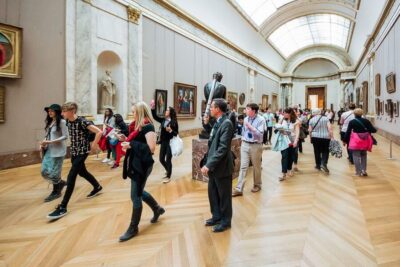 ★ 4.6Louvre Museum Timed-Entrance TicketTickets from $2671,977 guest reviews
 ★ 4.6Disneyland® Paris 1-Day TicketTickets from $6149,412 guest reviews
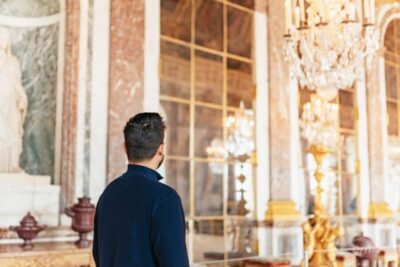 ★ 4.6Versailles Palace and Gardens Full Access TicketTickets from $1741,579 guest reviews
 ★ 4.6Arc de Triomphe Rooftop TicketsTickets from $1834,264 guest reviews
 ★ 4.7Orsay Museum Entry TicketTickets from $1525,647 guest reviews
 ★ 4.4Evening River Cruise with MusicTickets from $2722,721 guest reviews
 ★ 4.4Eiffel Tower Entry Ticket with Optional Summit AccessTickets from $2920,035 guest reviews
 ★ 4.3Eiffel Tower Summit or Second Floor AccessTickets from $5917,248 guest reviews
This tour also belongs to