
Review · PARIS FOOD & WINE TOURS
Paris: Walking Food Tour with Cheese, Wine and Delicacies
Cheese and wine in Le Marais, smartly paced. This tour is a great way to see Le Marais on foot while you sample French cheese and wine alongside hams, pastries, and chocolates. One thing to consider: it’s a long walking stretch, so come ready for whatever weather Paris throws at you.
I also like how it blends food with neighborhood context, from cute side streets to a traditional market feel. You’ll start at Le Repaire de Bacchus, spend about 198 minutes on the route with an English-speaking guide in a small group of up to 10, and end back where you began.
Key highlights you should care about
- 8 to 10 tasting stops built into a single half-day walking loop
- Cheese on crunchy baguette, paired with wine, early and often
- A traditional market stop that takes you off the busiest tourist flow
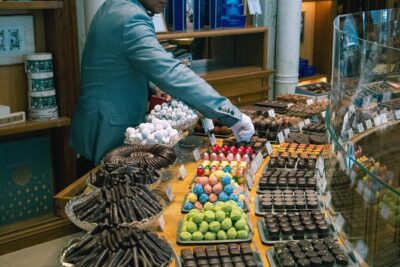
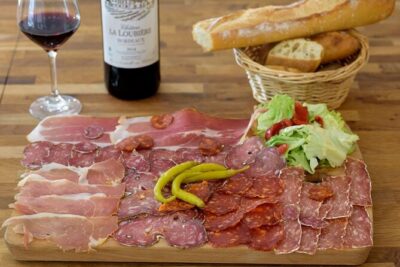
- Charcuterie and cured ham plus sweet stops like pastries and chocolate
- One restaurant stop to break up the strolling with a fuller bite
- Tastings that feel interactive, with some guides using games like cheese or ingredient guessing
Le Marais is the right stage for a food walk
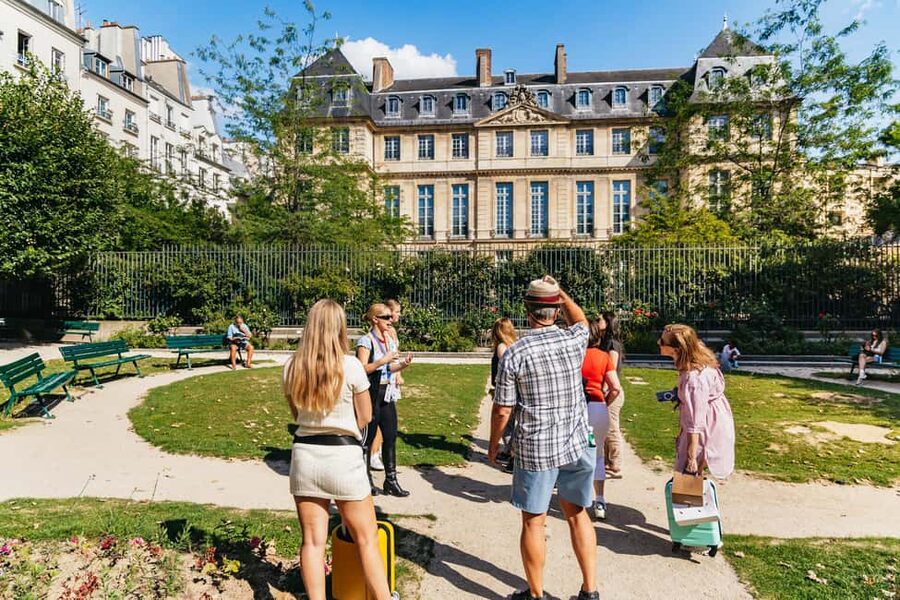
Le Marais is ideal for a walking food tour because the neighborhood is visually fun and food-friendly at the same time. You’re surrounded by café life, art galleries, high-end shops, and old-school Paris street corners, so the tour feels like an actual neighborhood day, not a food-only run.
What makes it work is the pacing. You’re not sprinting from one place to the next. Instead, you get enough food stops to make the tour feel like a meal, while still having moments to look up, read signs, and soak in the vibe of narrow streets and market energy.
You can also read our reviews of more walking tours in Paris


Getting Oriented: Meet at Le Repaire de Bacchus
Your tour starts in front of a green shop called Le Repaire de Bacchus. That matters more than you might think. Starting at a known wine-and-spirits type shop gives the whole experience a grounded theme from the first minute: this is a route built around French culinary tradition, not just random sampling.
From there, you’ll walk through the Marais while your guide sets up what you’re about to taste and why it’s typical for the area. In this kind of format, the best guides help you connect the dots, so your palate starts to understand patterns: what pairs well, why certain cheeses show up, and how sweet and savory balance works in everyday French eating.
Also, you’ll be in a small group, limited to 10. In practice, that tends to mean more conversation time, easier questions, and quicker course corrections if someone has dietary restrictions or needs a slower pace.
Cheese and wine tastings, with baguette-first logic
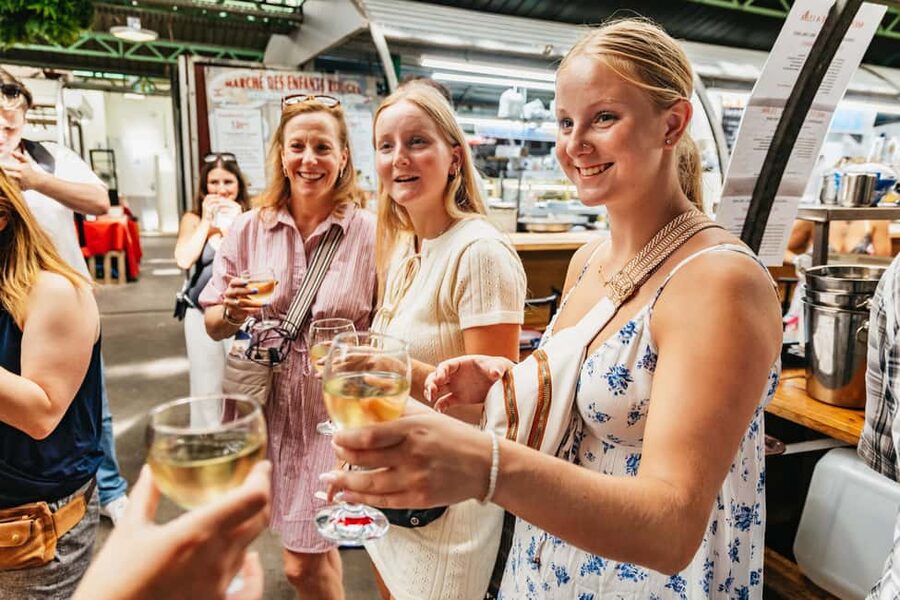
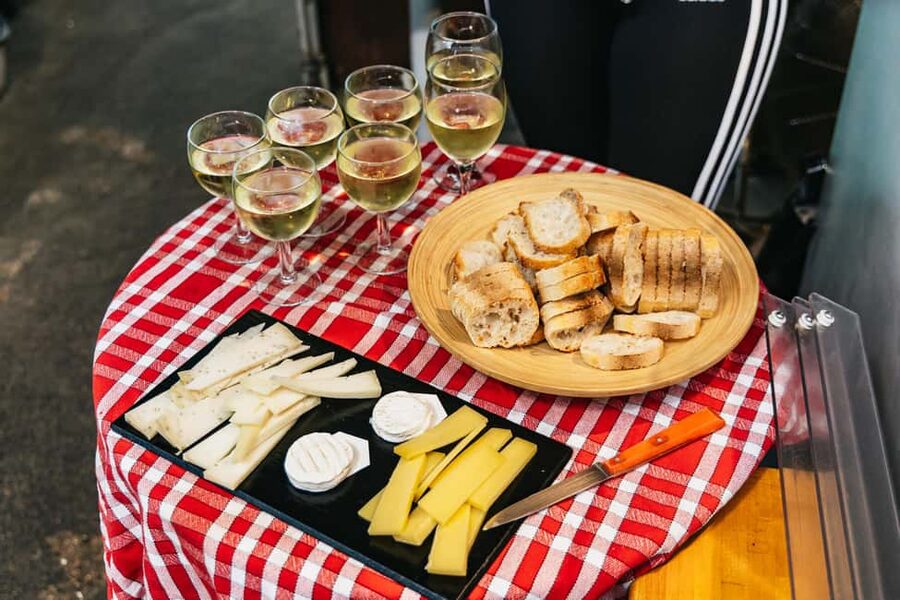
The signature moment is the cheese and wine tasting. You should expect fresh French cheeses served on crunchy baguette, then paired with wine. It’s a classic Paris move, and it’s also a smart one for tourists, because it teaches you how the French actually build a snack: bread as the base, cheese as the star, and wine as the partner.
This is also where guides can make the biggest difference. Many guides who lead this style of tour are praised for weaving history and technique into the tasting without turning it into a lecture. You’ll hear stories about local culinary art, plus small facts that make the flavors feel less random.
A couple guide approaches show up in the names people mention a lot, like Margot, Dorine, Hugo, and Sasha. Some guides even bring a playful element, like cheese or ingredient guessing games. Even if you only catch parts of it, those games are a fun way to pay attention and remember what you liked.
What can feel “average” here?
Wine is included, but the type of wine can vary by the stop. One person noted that the wine felt more like regular brasserie wine rather than a more specialty pour. If you’re very wine-nerdy, don’t expect a deep, cellar-only seminar. Still, you’ll get pairing practice that’s genuinely useful for ordering confidently later.
Charcuterie, cured ham, and pastry breaks that reset your walk
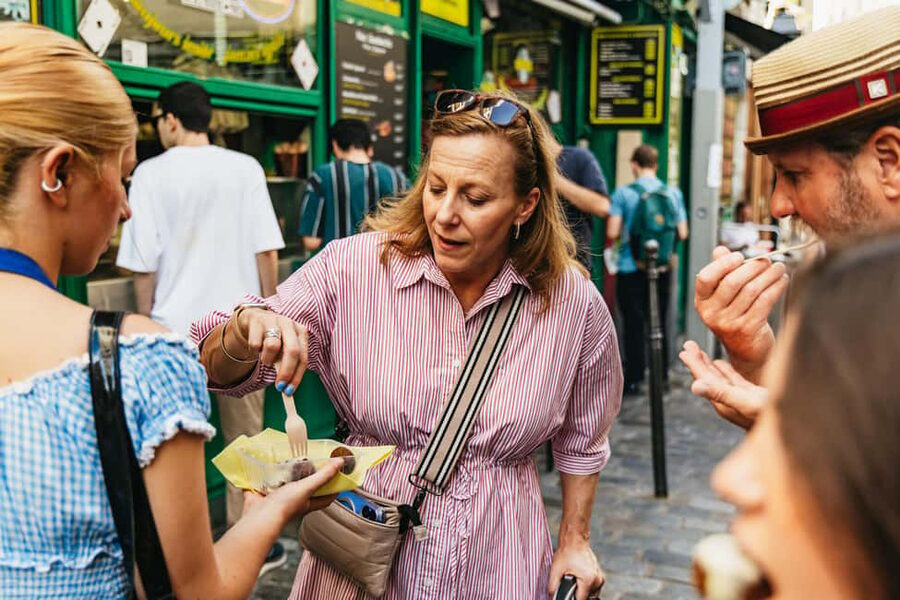
After the cheese-and-wine start, the tour shifts into savory territory. You’ll sample cured hams and charcuterie, then you’ll move through other French specialties depending on the season.
This is a key part of the experience, because France can be confusing if you only focus on stereotypes like croissants and baguettes. The charcuterie and cured ham stops help you understand what people actually put on plates: salty, fatty, and complex flavors balanced with bread and simple pairings.
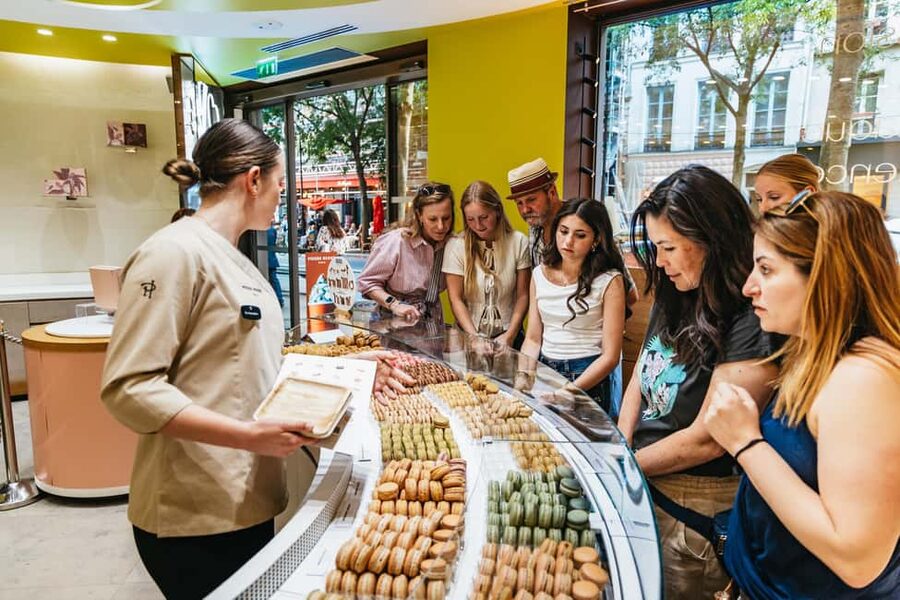
Then comes the pastry wave. You’ll try generously portioned pastries, and these stops often feel like a reward after a few hours of walking and tasting savory bites. If you have a sweet tooth, you’ll appreciate how the tour spaces out the desserts so you’re not stuck with one sugar-heavy block.
And yes, you should bring your hunger expectations down to earth. With 8 to 10 tasting stops total, you’re not just doing nibbles. The food adds up.
You can also read our reviews of more food & drink experiences in Paris



Chocolates and seasonal French specialties, not just desserts
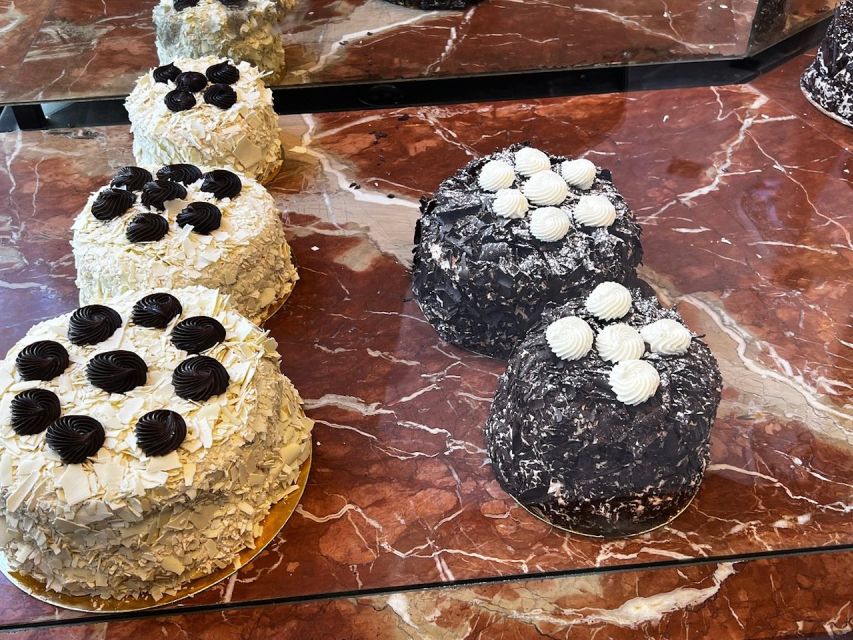
The sweet side of this tour is more than a final sugar stop. You’ll taste chocolates, plus French specialties that change with the season.
Seasonal matters because it signals what locals care about right now, not just what’s available year-round for tourists. In a city like Paris, that difference is real. It’s the difference between tasting something that’s trendy because it’s easy, versus tasting something that reflects what the neighborhood producers are pushing in that moment.
This is also where the most enthusiastic guide moments tend to happen. People often mention guides like Arthur, Pierre, and Louis for being friendly, funny, and genuinely passionate about food and the surrounding streets. The best part is that you’ll usually get a practical takeaway: what to buy later, what to order at a café, and how to avoid tasting the same thing twice.
The traditional market stop: why it’s more than scenery
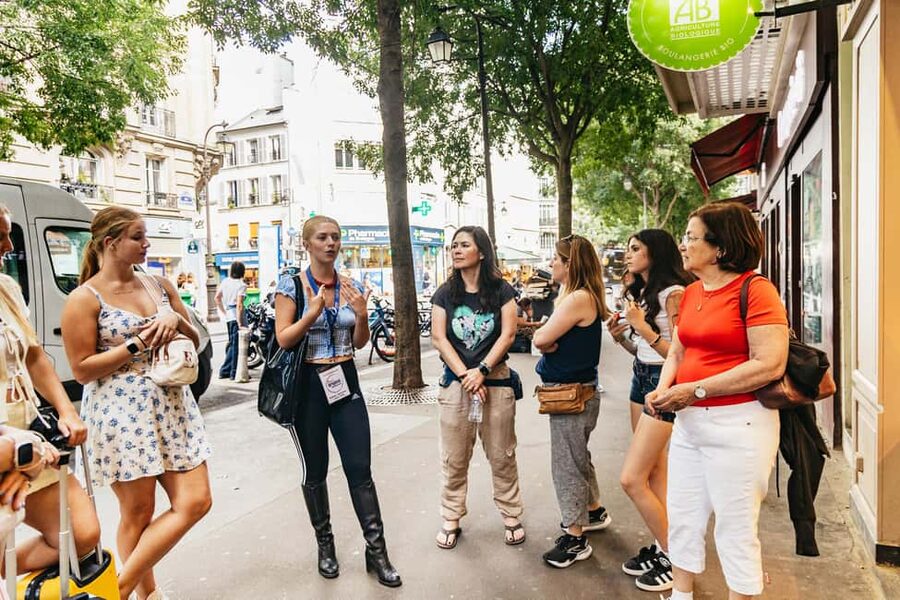
Midway through the walk, the tour takes you off the beaten path to a traditional market with a warm atmosphere. The idea here is simple. A market stop turns your tastings into a story about where food comes from.
You’ll browse fresh products and other culinary gems in narrow, lively streets. That means you’re not only eating, you’re also learning how the neighborhood shops for flavor: by season, by producer, and by what looks best that day.
One market that gets singled out in guide write-ups is Marché des Enfants Rouges, known for its energy and variety in the Marais. If your route includes it, it’s the kind of stop where you can smell what’s happening and spot ingredients you’d never think to buy back home.
How to make the most of the market segment
Keep your eyes up. Watch what stalls look busy and what people buy quickly. Then use your guide as your translator for what matters. Even a small tip, like what pairs well with cheese or which sweets are worth the walk, can save you time later.
The one restaurant stop, where you sit down and refill
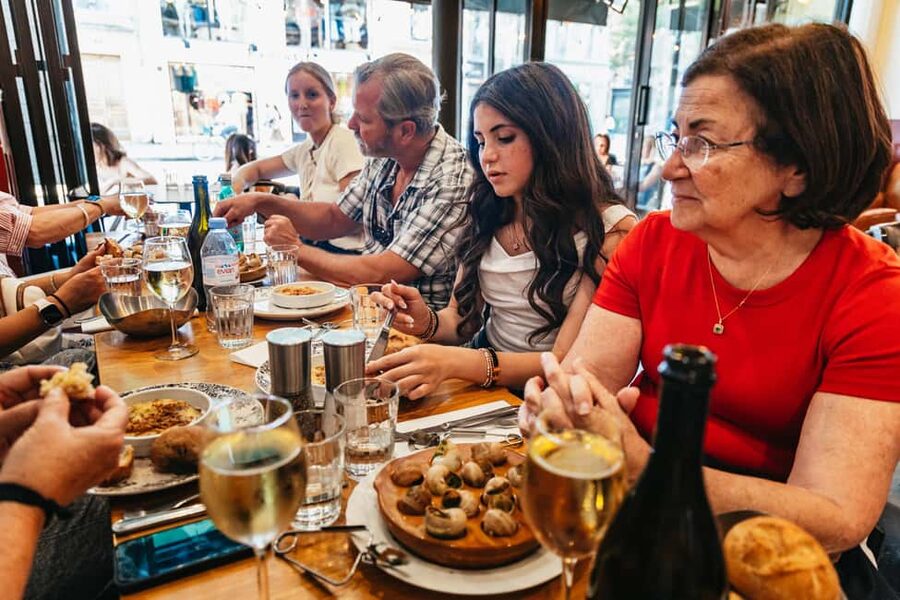
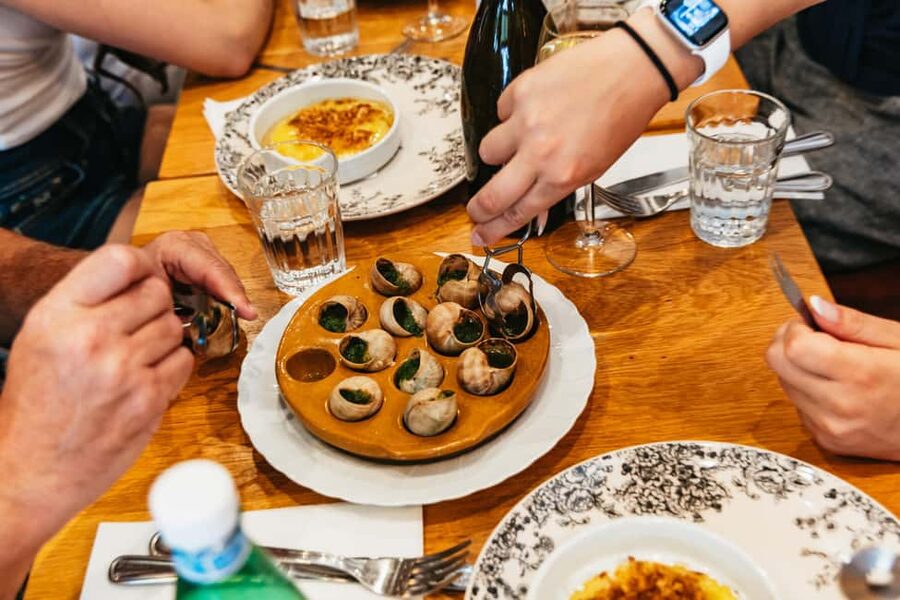
There’s one stop in a restaurant. This helps break up the walking rhythm and turns the day from pure tasting into something closer to a real meal.
Some guides bring a more adventurous plate into the mix. One detailed account specifically mentioned tasting snails and a charcuterie platter during the restaurant stop. If you’re curious about traditional French food beyond cheese boards, this part is your chance.
The restaurant stop is also where guides often connect the dots between what you tasted earlier and what you’re about to taste or buy next. If you like stories with your snacks, don’t rush this portion. It’s where the tour’s narrative comes together.
How long is 198 minutes, and how to plan the rest of your day
The tour runs about 198 minutes, which is just over three hours. That’s a sweet spot. It’s long enough to feel like you truly experienced the neighborhood, but not so long that your whole day disappears.
Because you’ll have 8 to 10 food tasting stops, plus wine and a restaurant stop, you should assume you’ll be satisfied. Many people end the tour feeling full enough that dinner is either smaller or unnecessary. I’d plan for a late lunch or early dinner later, not a big sit-down meal right after.
If you’re sensitive to long standing time, choose a day when you’re not already exhausted. And if you’re doing this on a high-heat afternoon, take the weather seriously.
Small-group energy, guide personality, and the fun factor
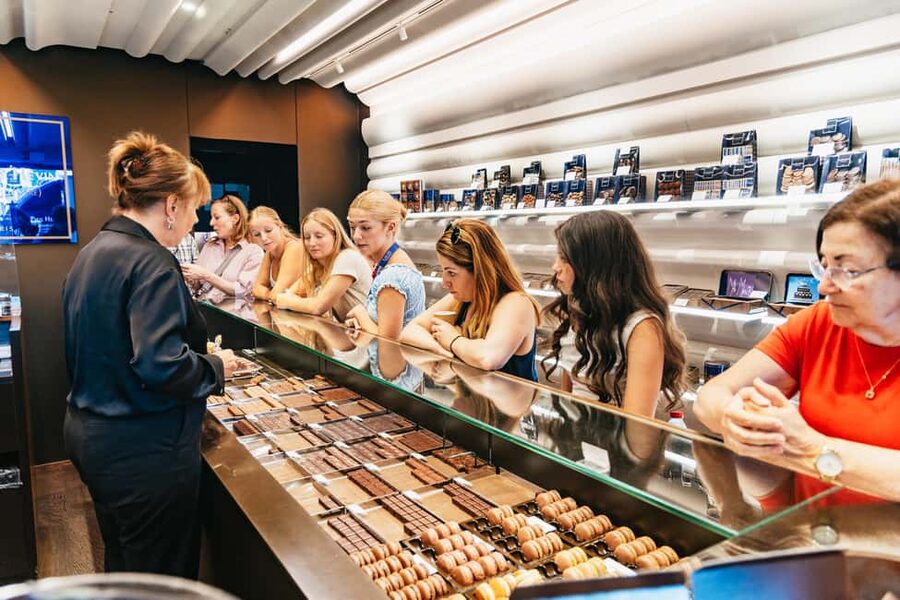
A small group, limited to 10 participants, changes the vibe. You can ask questions without waiting your turn for ten minutes. You also get more personalized context, like what to look for in the streets you’re walking through.
The guide names people mention most often include Bartholomeo, Margot, Dorine, Louis, Sasha, Hugo, Eleanor, Pierre, Garance, and Arthur. Across those names, a few consistent strengths pop up: good humor, clear explanations, and a real love for how food connects to place.
One practical point: if your guide uses short tasting games, play along. It helps you focus and remember flavors, and it also makes the walking breaks feel less like waiting and more like part of the show.
What to bring for comfortable Marais strolling
This tour is best done with the basics done right. Wear comfortable shoes because you’ll be moving through narrow streets for a few hours. Bring warm clothing if it’s cool out, and don’t skip a plan for rain. An umbrella and rain gear are smart, since the route is outdoors-focused.
Also consider a small daypack for any market browsing. You might pick up something to eat later or souvenirs like chocolate or cheese-related goods depending on what you find and what the shops carry.
Price and value: is $148 worth it?
$148 per person sounds like a lot at first glance, until you break down what you actually get. This isn’t a single cheese counter. It’s an English-language small-group food walk with a guided route, cheese and wine tasting, chocolates, fresh pastries, seasonal French specialties, and 8 to 10 food tasting stops. On top of that, there’s a restaurant stop included.
So your payment is buying three things:
- Food volume across multiple stops (sweet and savory).
- Wine and pairing guidance, which makes the tastings more meaningful than random bites.
- Local context in a charming area where you can otherwise waste time guessing where to eat.
If your priority is only the cheapest croissant-and-coffee morning, this won’t be your best deal. But if you want a structured way to eat your way through the Marais, learn what you’re tasting, and not spend the whole day hunting down reservations, the value is strong.
Who should book this Marais cheese and wine walk
This tour fits you best if you like:
- Eating a lot in a few hours without planning every stop yourself
- Learning how French flavors pair, especially cheese and wine
- Seeing Le Marais in daylight, on foot, with a guide who points out what matters
- Trying a mix of savory and sweet, including charcuterie, pastries, and chocolate
- A smaller group where you can actually talk to the guide
It might not be ideal if you hate walking, dislike trying new foods, or want a purely wine-focused, deep specialist route. This is food-first, with wine as a key partner.
Should you book this Paris cheese and wine food tour?
I’d book it if your goal is a high-return day in Le Marais. You get multiple tastings, a market stop, and a restaurant break, all wrapped in a guided neighborhood walk that helps you understand what you’re eating and why it fits this area.
Skip it only if your schedule is too tight for about three and a half hours on foot, or if you already have a very firm plan for specific restaurants and don’t want your day shaped by tastings.
If you do book, show up with comfortable shoes and rain-ready gear. Then go hungry enough to enjoy the later stops, not so hungry that you’re miserable by the first cheese.
FAQ
How long is the Paris walking food tour in Le Marais?
It lasts about 198 minutes.
Where do I meet the guide, and where does the tour end?
You meet in front of a green shop called Le Repaire de Bacchus, and the tour ends back at the same meeting point.
How many tasting stops are included?
The tour includes 8 to 10 food tasting stops, plus 1 stop in a restaurant.
What food and drinks are included?
You get a cheese and wine tasting, plus chocolates, fresh pastries, and French specialties depending on the season.
Do you visit a market during the tour?
Yes. The route includes a traditional market stop where you can browse fresh products and other culinary items.
What group size should I expect?
It is a small group limited to 10 participants.
Is the tour offered in English?
Yes. The live tour guide speaks English.
Is it suitable for children?
It is not suitable for children under 4 years old.
What should I bring for the walk?
Bring comfortable shoes, warm clothing, an umbrella, rain gear, and weather-appropriate clothing.
Can I get a refund if I need to cancel?
Free cancellation is available up to 24 hours in advance for a full refund.
More Walking Tours in Paris

More Tours in Paris






More Tour Reviews in Paris




Not for you? Here's more nearby things to do in Paris we have reviewed








Paris Food & Wine Tours, side by side.
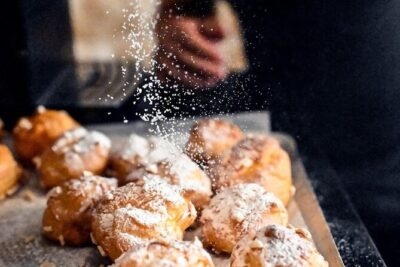 ★ 5.0Authentic Parisian Gourmet Food Tour with 10 Local Dishes & WinesTickets from $1024,754 guest reviews
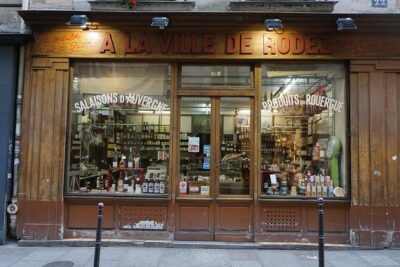 ★ 5.0Devour Paris Ultimate Food TourTickets from $1432,087 guest reviews
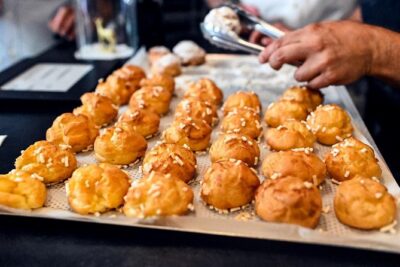 ★ 5.0Private Montmartre Food Tour with Wine, Cheese & PastriesTickets from $3021,027 guest reviews
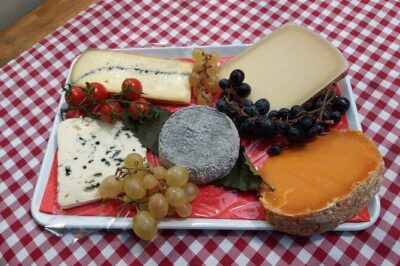 ★ 5.0Paris Le Marais Food Tour With 10+ Tastings, Cheese, Wine & MoreTickets from $102985 guest reviews
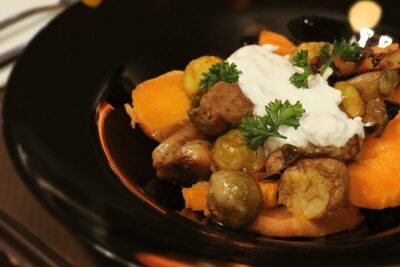 ★ 5.0Paris Montmartre Food Tour – A Full French Meal by Do Eat BetterTickets from $95877 guest reviews
 ★ 4.9Wine and Cheese LunchTickets from $100596 guest reviews
 ★ 5.0A Morning in Paris Food Tour: Croissants, Baguettes & ChocolateTickets from $125556 guest reviews
 ★ 5.0Paris St Germain Food Tour with Cheeses, Foie Gras, Wines & MoreTickets from $170401 guest reviews
This tour also belongs to