
Review · PARIS CITY TOURS
Running Tours in Paris for intermediate to advanced runners
Running Paris sounds like a workout. But this one turns into a smart way to see the city in motion, with a local guide who knows where runners actually like to go. You start at Place de la République, then choose a route that can follow the Seine with big sights like the Louvre and Musée d’Orsay, or switch over to the Canal Saint-Martin area for a different feel. What I like most is the small group size (often 1 to 5) and the guide’s habit of sharing short stories and practical tips while you run. The one drawback is the fitness gate, you need to be comfortable running at least 8 km (5 miles), so it is not for casual walkers or first-time runners.
This is also one of those Paris experiences that fits both vacation mode and business travel. You get exercise, you get landmarks, and you also get real neighborhood context, like how the topography and quarters shape what you see and where you should go next.
Key points to know before you lace up
- Small group running (1 to 5) means you are not stuck in a human traffic jam.
- Routes with real Paris sights can include the Louvre, Tuileries, Musée d’Orsay, Les Halles, Île Saint-Louis, and Île de la Cité.
- Two runner-friendly “sides” of the city are built in, Seine bridges and the Canal Saint-Martin route.
- Juan adjusts to your pace, so the run stays fun instead of turning into a time trial.
- Water, a cereal bar, and music are included, but running shoes and other equipment are on you.
- Sunrise or sunset timing can shape the whole vibe depending on the season.
Place de la République start: quick focus, easy meeting, good runner energy
You meet next to the statue in the center of Place de la République. It is a clear, open starting point, which matters when you are trying to get moving without a long hunt around side streets. From there, the guide leads you into Paris at a runner’s pace, not a bus-tour pace.
I like that this setup works whether you are doing a short 45-minute spin or going longer. You can think of the meet point as your reset button, you arrive, warm up, and then you head out with the city unfolding in front of you instead of waiting for a scheduled ride.
You can also read our reviews of more tours and experiences in Paris.



Seine bridges and the river route: big landmarks without the slow crowds
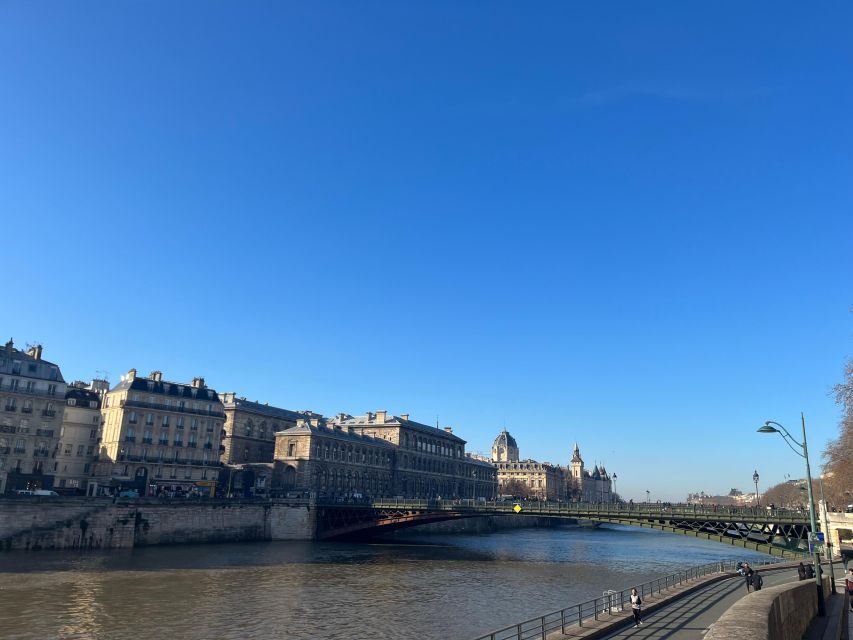
One of the main route styles is built around the Seine river and bridges. This is where you get the classic Paris geometry, water views, stone edges, and a steady flow of viewpoints as you run. The tour path is designed so you can watch major monuments go by during the morning, afternoon, or evening leg you choose.
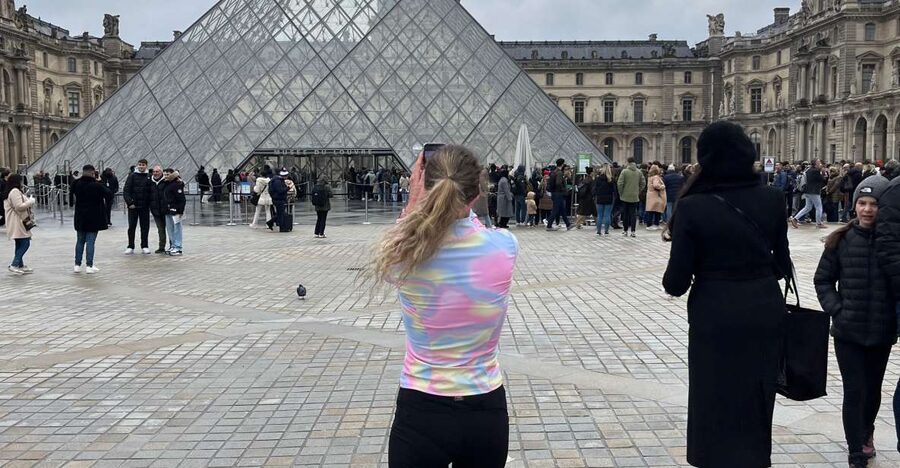
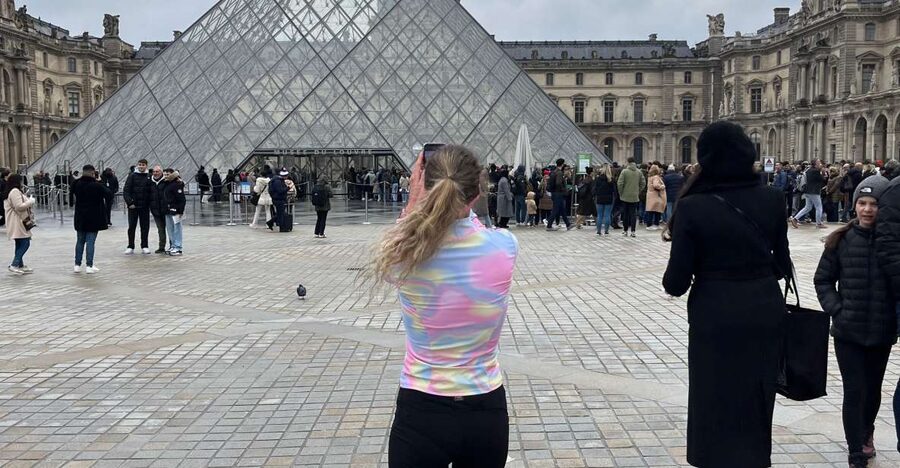
On this corridor, you might pass or run near the Louvre and Tuileries, then keep moving toward Musée d’Orsay. The point is not just seeing them as postcard backdrops. You start to understand how this side of Paris sits relative to the river and why certain streets and bridges feel easier to navigate once you have jogged the area.
A nice bonus is how the run can include Île de la Cité and Île Saint-Louis. These islands are compact, but they feel distinct when you approach them from street level while moving. You also get a better sense of why people spend time here even if they think they already know the map.
What could feel challenging on the Seine
The Seine route is still running time, so it can feel more intense if the session is long. Also, if you pick a time close to rush hours, you may notice more foot traffic around the most famous stretches. The guide helps by controlling the group pace, but you should still expect normal city movement.
Canal Saint-Martin and park runs: a Paris that feels lived-in
The other major option leans toward the Canal Saint-Martin area, with time that can include parks and calmer lanes. This is a great counterbalance if you already plan to visit the big-ticket monuments by metro or on foot later. Running here helps you see the city’s rhythm from a different angle, flatter stretches and more everyday scenes.
Depending on your chosen path and duration, you can also connect through areas near Les Halles. That matters because it is not just a sightseeing stop, it is a place that shows you where people actually eat, work, and shop. When your legs are moving, you notice the city’s flow in a way that a standing viewpoint never quite delivers.
If you like routes that feel like you are cutting through the city instead of circling a highlight loop, this canal option is often the one runners talk about. It is not as monumental as the Seine, but it gives you more texture.
The 45, 60, or 90-minute choice: what changes with time
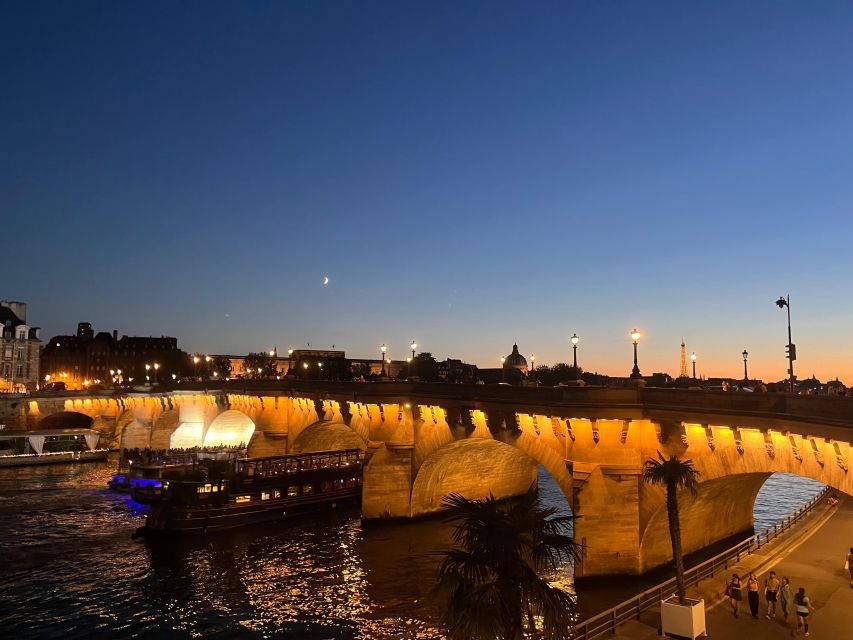
You can choose 45 minutes, 60 minutes, or 90 minutes. Shorter runs are about getting your bearings and hitting enough highlights to plan the rest of your trip. Longer runs can pack in more neighborhoods and more transitions, so the guide can explain Paris topography and quarter differences without rushing you.
What to expect from the time options:
- In the shorter format, you get the core landmarks and the main runner corridor, plus practical advice you can use right away.
- In the longer formats, you have more time for the route to flex, including more bridge crossings or additional stretches through parks and quieter streets.
One review mentioned a longer run clocking around 9.3 miles for about 1.5 hours. That is a reminder that pace and route style both matter, so focus on comfort first. If you are going for 90 minutes, treat it like a training run, not a casual stroll.





Juan Echeverria and the small-group format: pace, stories, and useful tips
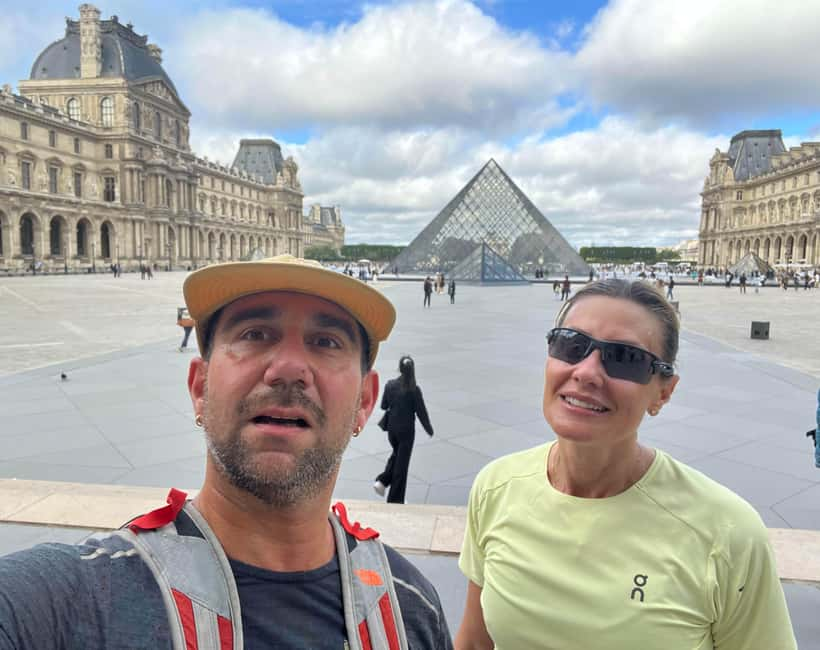
The guide, Juan Echeverria, runs these as small groups, typically from 1 to 5 customers. That size is a big deal in a city like Paris, because it keeps you moving and lets the guide actually talk to you while staying attentive to your effort.
From the experience feedback, the big strength is the way Juan shares short anecdotes while you run. The stories are not random trivia dumps. They tend to connect to what you are passing, and that helps you remember the city instead of collecting disconnected points on a route sheet.
Another standout is pacing. In one account, Juan adapted perfectly to the runner’s pace instead of forcing everyone into one speed. That is exactly what you want in an intermediate to advanced running tour. You want to work, but you should not feel like you are sprinting through the city to keep up.
Included fuel and small perks that matter
You get water, a cereal bar, and music included. That is more helpful than it sounds, because it means you do not have to carry everything just to make it through the run. It also gives the guide a better way to structure effort and recovery during the session.
Monuments you’ll see up close: Louvre, Tuileries, Musée d’Orsay, and more
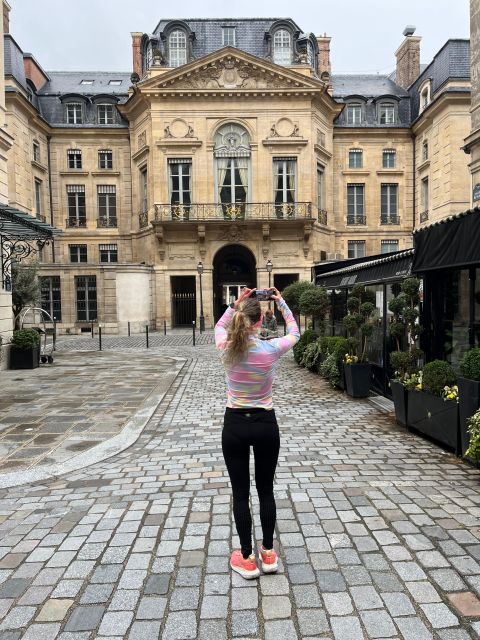
This run is built around major Paris sights, but you are viewing them from the ground, at speed, with the city around you. That changes the feel. You notice the scale of buildings, the flow of streets, and how the famous spots connect to the neighborhoods around them.
You might run near or through areas associated with:
- Louvre and Tuileries
- Musée d’Orsay
- Les Halles
- Île Saint-Louis and Île de la Cité
You also learn about the topography and different quarters. This is valuable because Paris is not flat. If you know where the gentle climbs are, where routes naturally funnel, and how areas connect, your future self-trips become easier.
A practical note on timing and season
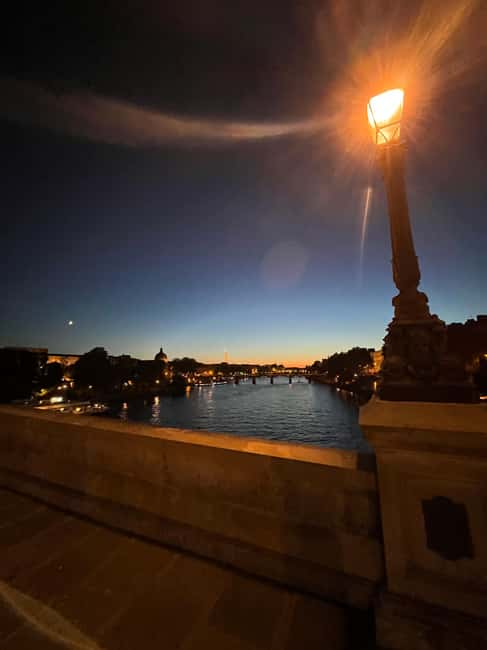
The tour can be timed for sunrise or sunset depending on the season. That does not just affect light, it changes the crowd level and the mood. If you want photos, you will usually have a better shot in golden hour conditions. If you want comfort, a less crowded time can help you keep an even effort.
Training rules and health limits: who this is really for
This is explicitly for runners who are already comfortable. You must be used to running at least 8 km (5 miles) and be feeling well. You are also asked to check the weather and wear suitable running gear.
It is not suitable for people who:
- are children under 16
- are pregnant
- use a wheelchair
- have back problems, heart problems, diabetes, high blood pressure, or low level of fitness
- are dealing with a cold
- are visually impaired
- have no running experience
- weigh over 309 lbs (140 kg)
Also, pets are not allowed, and alcohol and drugs are not allowed. Plain and simple rules, but they keep the run safe and focused.
If you are unsure whether you fit, the best test is this: can you run 8 km at a steady pace without worrying about stopping? If yes, you will likely enjoy this. If you hesitate, choose a different sightseeing style.
Value check: is $53 for a guided Paris run a smart deal?
At about $53 per person for a session that can be 45 minutes, this is not the cheapest thing you can book in Paris. But it is also not trying to be. You are paying for a local guide, small-group attention, route planning, and included extras like water and a cereal bar.
The value spikes for me for three reasons:
- You get guidance on where to run and how Paris sections connect, which can save you time planning later days.
- You get a tailored pacing vibe in a group that is often as small as 1 to 5.
- You combine exercise with sightseeing, so you are not spending separate hours doing workouts and separate hours doing landmarks.
If you plan to be in Paris for only a few days and you want one activity that teaches you how to move through the city, this often makes more sense than doing a basic walking tour you rush through.
Practical runner advice so the run feels good
Because equipment is not provided, bring what you normally need for a run. This includes proper shoes and clothing you can handle in whatever weather you meet. The tour gives water and a bar, but your comfort gear is still on you.
Also, check your effort level. The route is built for intermediate to advanced runners, and the expectation is that you already run 8 km. If you show up undertrained, you will spend the run thinking about recovery instead of enjoying the city.
If you are curious about a sweet finish, one runner noted Juan recommended a choux pastry from a local boulangerie after the run. That is not guaranteed, but it fits the idea of a guide sharing practical neighborhood stops you can actually use.
Should you book this running tour of Paris?
Book it if you want a runner-first way to learn Paris, you are already comfortable with 8 km runs, and you like the idea of choosing between Seine bridges or Canal Saint-Martin vibes. The small-group size and Juan’s pace-adaptation are exactly what make this feel like a real experience instead of a generic loop.
Skip it if you are a beginner, if you have any of the listed health limitations, or if you are looking for a sightseeing tour you can do at walking speed. You will enjoy Paris more on a different format if running is not your thing.
If you fit the fitness level, I think this is a strong choice because it gives you landmarks, neighborhoods, and route confidence in one go. And once you have run the city once, planning the next day feels simpler.
FAQ
How long is the running tour?
You can choose 45 minutes, 60 minutes, or 90 minutes, based on availability and what you want to see.
Where do I meet the guide?
Meet next to the statue in the center of Place de la République.
What language is the guide?
The guide speaks English, French, and Spanish.
How big is the group?
It is a small group, from 1 to 5 customers.
What is included in the tour price?
Included are the running tour with the guide, water, a cereal bar, and music. The route is a guided running visit of Paris, which can vary based on the chosen path.
Do I need to bring running equipment?
Yes. Running equipment is not provided, so you should bring what you need for your run.
More Tours in Paris





More Tour Reviews in Paris
Not for you? Here's more nearby things to do in Paris we have reviewed












Paris City Tours, side by side.
 ★ 4.6Louvre Museum Timed-Entrance TicketTickets from $2671,977 guest reviews
 ★ 4.6Disneyland® Paris 1-Day TicketTickets from $6149,412 guest reviews
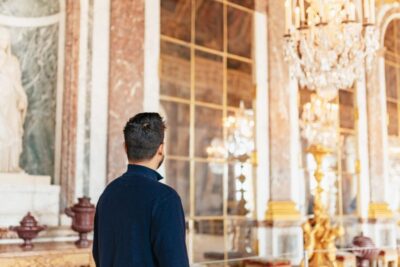 ★ 4.6Versailles Palace and Gardens Full Access TicketTickets from $1741,579 guest reviews
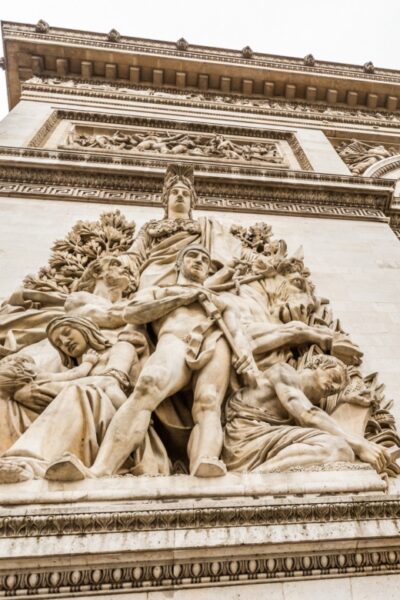 ★ 4.6Arc de Triomphe Rooftop TicketsTickets from $1834,264 guest reviews
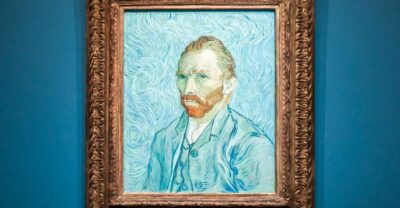 ★ 4.7Orsay Museum Entry TicketTickets from $1525,647 guest reviews
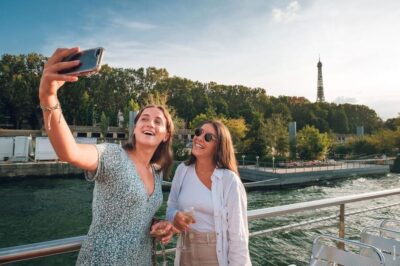 ★ 4.4Evening River Cruise with MusicTickets from $2722,721 guest reviews
 ★ 4.4Eiffel Tower Entry Ticket with Optional Summit AccessTickets from $2920,035 guest reviews
 ★ 4.3Eiffel Tower Summit or Second Floor AccessTickets from $5917,248 guest reviews