
Review · PARIS CITY TOURS
Paris: Ghosts, Legends & Mysteries Evening Walking Tour
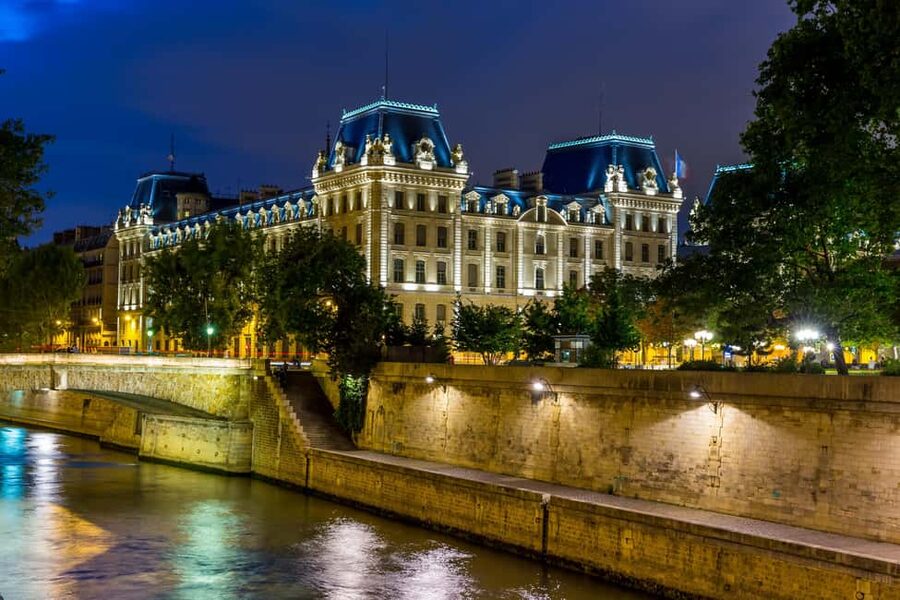
Paris feels different after dark. This 2-hour ghosts, legends and mysteries evening walk threads through the city’s darker history of torture, disease, and executions, using real places you can stand beside. I like that the stories stay grounded in Paris itself, not just in generic spooky talk.
I also love the way the guide turns famous names into street-level stories. You’ll hear about Henry IV and Napoleon Bonaparte, plus Marie Antoinette’s imprisonment at the Conciergerie, with darker legends that range from ritual worship to serial killer tales. If you get guides such as Natalie, Aya, Sophia, Rimi, or Ami, the tone tends to mix humor with careful historical framing.
One drawback to think about upfront: this is a walking tour with real foot time. Strollers and baby carriages are not allowed, and it cannot accommodate wheelchairs, so if mobility is a concern, you’ll want to skip this one.
Key highlights at a glance
- Start on Pont Neuf beside the Henri IV statue so you’re anchored in a major landmark right away
- Square du Vert-Galant brings the story of the last Knights Templar burned at the stake
- Saint-Germain-l’Auxerrois connects you to the St. Bartholomew’s Day Massacre, with an estimate of 30,000 killed
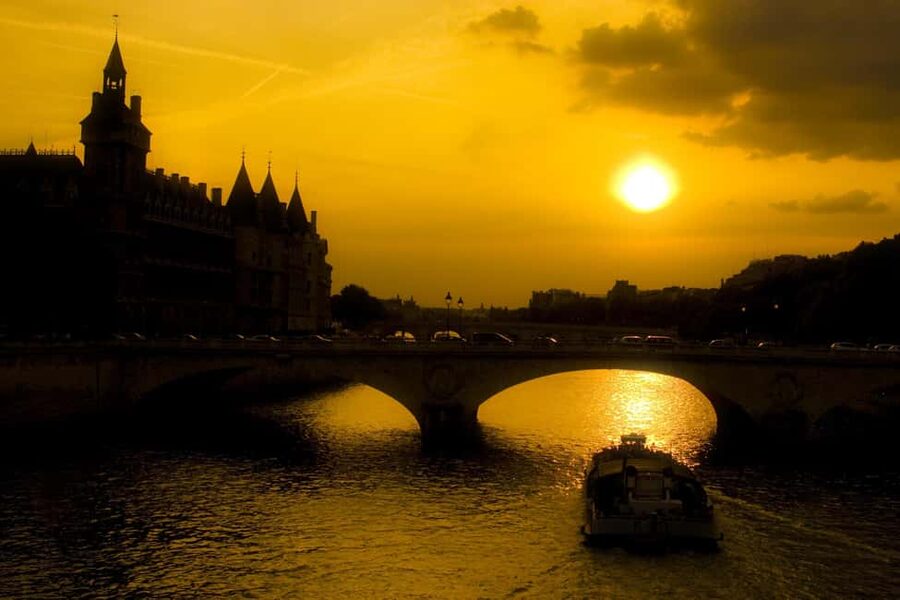
- Conciergerie visit ties the night’s darkest chapter to Marie Antoinette’s imprisonment
- Île de la Cité photo moments and end at Hôtel de Ville help you take in central Paris as the streets wind down
Why Paris gets darker after sundown
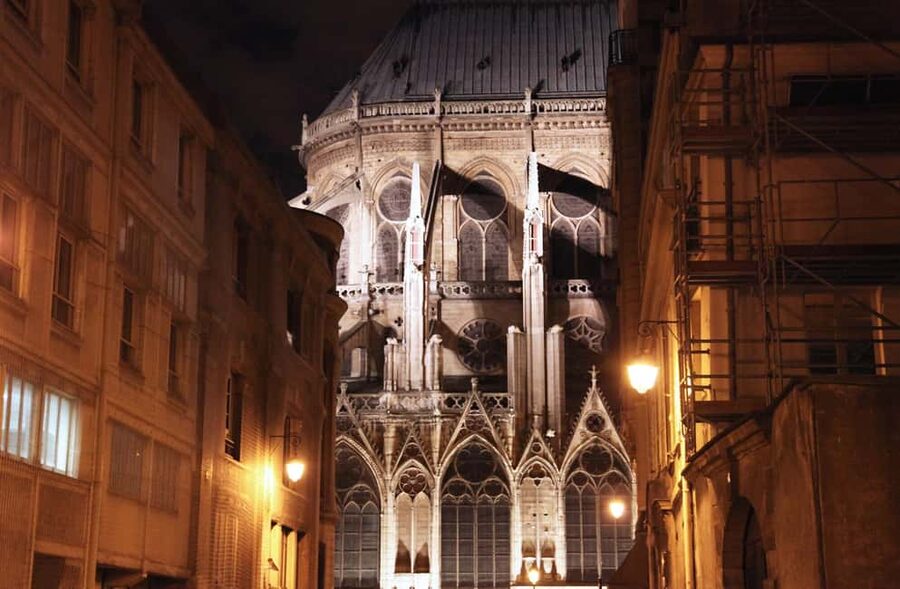
Paris in daylight is pretty much what you expect. Paris at night is where it starts to feel layered, like the city is running two timelines at once: the one you can see, and the one people once lived through.
This tour leans hard into the darker side of history, including executions and the suffering of ordinary people. You’ll also hear about disease spreading among the lower classes and the bitter wars fought against a corrupt monarchy. In other words, it is not just “ghosts” for shock value. It’s about how fear, power, and violence shaped the city you know today.
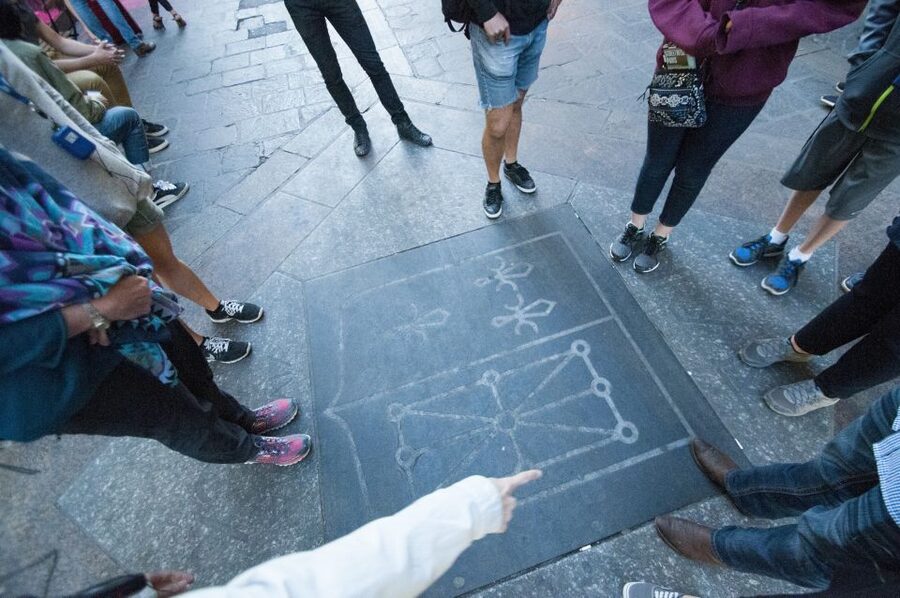
The best part is that the tour doesn’t just tell you to imagine. You walk, you look around, and you get pointed at the exact spots where the stories are rooted.
You can also read our reviews of more walking tours in Paris



Meeting at Pont Neuf: where you’ll start and how the night flows
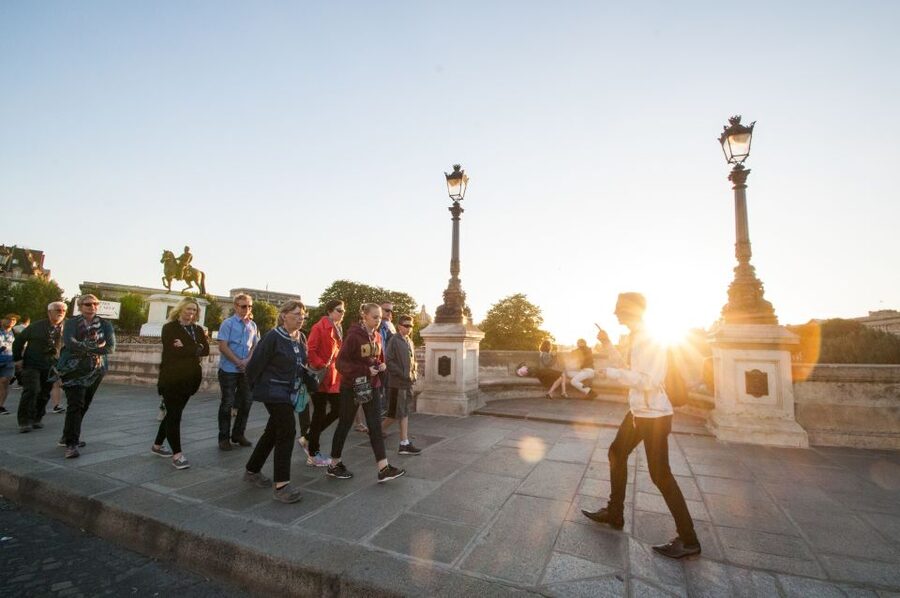
You meet at the equestrian statue of Henri IV in the middle of Pont Neuf, on the western end of Île de la Cité. If you’re using the metro, Pont Neuf (line 7) or Cité (line 4) are the easiest nearby stops.
The overall format is simple: it’s an evening walking tour with guided stops plus a few pass-by segments and photo moments. The duration is about 2 hours, so it’s long enough to feel like you did something special, but short enough that it won’t swallow your entire night.
Practical tip: wear comfortable shoes. Even if you’ve done a lot of walking in Paris already, this is the kind of stroll where your feet do the talking. A couple of stops include guided segments, which means you’ll pause, listen, and then move on through darker, quieter streets.
Also, keep your expectations realistic about noise and crowds. This is a nighttime route through central Paris, so expect typical street movement, occasional late-evening hustle, and groups staying together.
Square du Vert-Galant: the Knights Templar storyline in one dramatic stop
Your route begins by getting your bearings near central Paris, then shifts into the kind of setting that makes legends feel believable. At Square du Vert-Galant, you’ll hear the story tied to the last Knights Templar burned at the stake.
What I like about this stop is how it frames the idea of institutional power turned deadly. Even if you only know the Knights Templar as a modern mystery brand, the guide puts the event into a human context: what it meant to watch a city punish, publicly, and what it says about how fear was used to control people.
You don’t spend forever here, but you get a sharp, memorable anchor that sets the tone for everything that follows.
From the Louvre pass to Saint-Germain-l’Auxerrois and the St. Bartholomew’s Massacre
As you move through the center, you’ll pass the Louvre Museum area. It’s a quick visual reminder of how close “elegant Paris” sits to darker chapters.
Then comes Saint-Germain-l’Auxerrois, where the guide leads a deeper stop. This is where the story history turns brutal. You’ll hear about estimates that some 30,000 people were killed during the St. Bartholomew’s Day Massacre.
This kind of stop works best when you’re open to uncomfortable context. The facts here are not meant to entertain you. They’re meant to show how religious conflict and political power collide, and how quickly an organized society can become a machine for violence.
If you’re the type who likes “why things happened” more than “what happened,” this is one of the most valuable stops on the walk.
The fountains: Croix-du-Trahoir and Fontaine des Innocents as street-history props
Paris has a talent for turning everyday urban design into memory. Two fountain stops highlight that idea.
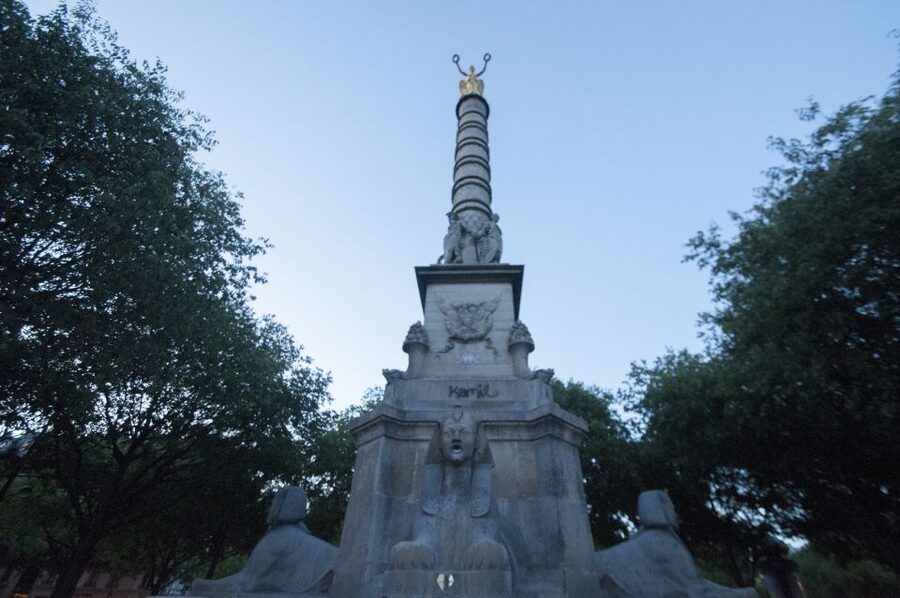
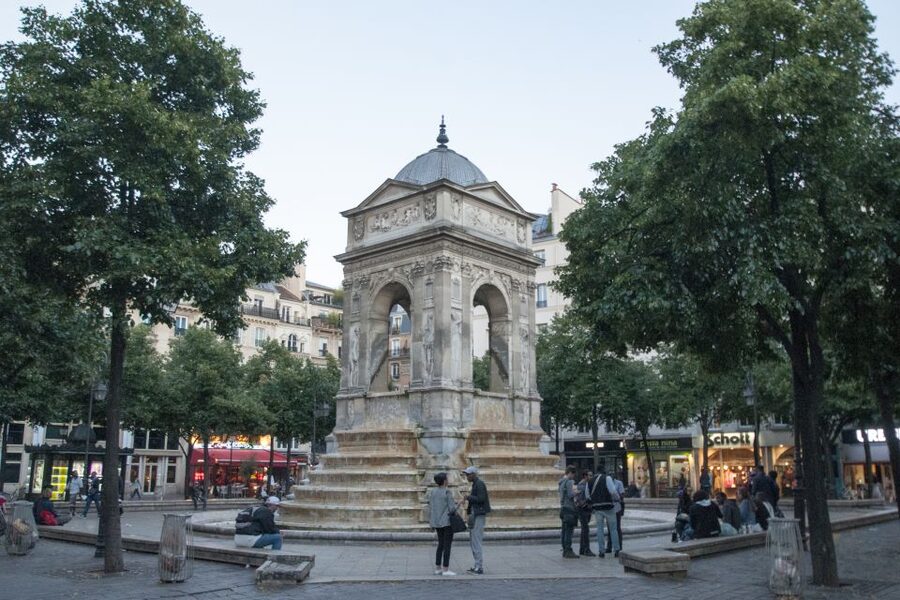
You’ll stop at the Fontaine de la Croix-du-Trahoir for photos and a guided explanation. Then you’ll visit Fontaine des Innocents, one of those famous Paris fountain scenes that can look like pure decor until you learn what it once represented.
Why fountains on a ghosts and mysteries tour? Because they’re public, visible, and hard to ignore. A place people gather around becomes a place the city can “tell” stories through. Even if you’ve seen these sights before in photos, seeing them at night while a guide connects them to disease, death, and fear changes how your eyes read the stone.
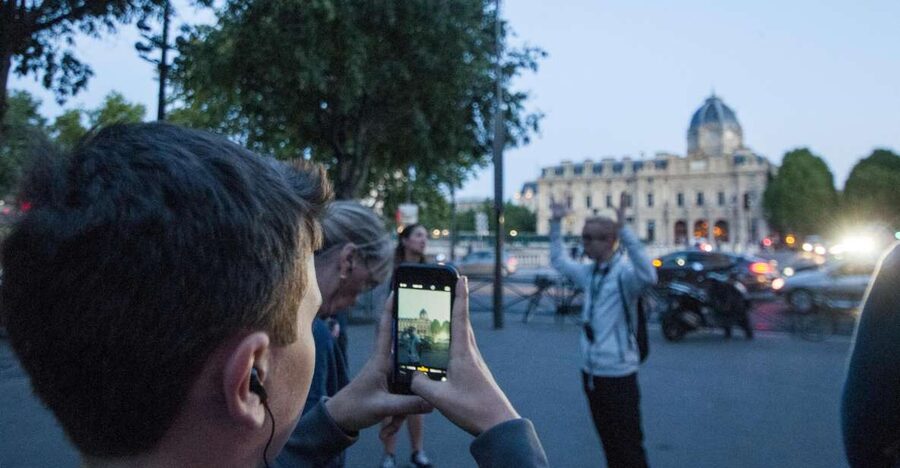
Tip: if you care about photos, this is where you’ll want to be ready. Night lighting can be moody, and Paris streets can keep moving while you’re trying to frame a shot.
You can also read our reviews of more evening experiences in Paris






Saint-Jacques Tower: where the city’s edge meets old fear
Next is the Saint-Jacques Tower. You’ll get a guided moment here, which matters because it is easy to walk past a landmark like this and not notice what makes it feel part of the story.
This is one of those stops where the guide tends to connect architecture to time. The tower gives you a physical reference point while the tour continues with darker themes, from the culture of rituals to the kinds of people who were pursued, punished, or hunted.
In my mind, this is the “slow down and look up” segment of the tour. It helps the walking part feel less like a checklist and more like a route through layers of time.
The Conciergerie: Marie Antoinette’s imprisonment makes the history personal
The tour’s most emotionally heavy stop is the Conciergerie (the old prison area connected to the Palais de Justice complex). You’ll get a guided visit here, and the guide ties it directly to Marie Antoinette’s imprisonment.
This stop is powerful for two reasons. First, it’s not just a rumor or a legend. It’s a physical place tied to a well-known historical figure, and that connection helps you understand how power and punishment worked during a violent era. Second, the tour’s overall theme clicks into focus here. Torture, execution, and political revenge are not abstract concepts anymore. You’re learning them in a setting built for that purpose.
If you want to understand why Paris became a stage for trials, punishments, and public fear, the Conciergerie is the clearest place to feel it.
Île de la Cité and Palais de Justice: a central “ring” of power
After the Conciergerie, you reach Île de la Cité for photo moments and a visit. This section helps you switch from prison-history intensity to a broader city view. The island is where so much “official Paris” sits, which is exactly why it becomes the stage for conflict in the first place.
You’ll also walk and pass by the Palais de Justice, Paris. Even without long stops at every corner, the guide uses the setting to explain why power was concentrated here. You’re essentially circling the machinery of the city: who had authority, who got punished, and how public life and private terror collided.
Then you finish back toward Hôtel de Ville. It’s a satisfying ending, because you end near one of the main symbolic centers of the city rather than in some random alley where you’re not sure what direction you’re headed.
Price and value: is $15 for two hours a good deal?
At about $15 per person for 2 hours, this tour is good value if you want a guided, story-focused night experience with major historical stops. You’re paying for:
- An expert English-speaking guide
- Guided time at key sites, including a visit at the Conciergerie
- A route that combines history, urban design, and “dark Paris” storytelling
What you’re not paying for is the hotel pick-up/drop-off, so you’ll want to plan to get to the meeting point on your own. That said, the meeting spot is at a landmark bridge with straightforward transit access, which makes it easier than tours that start in hard-to-find back streets.
If you like your Paris with a side of grim facts and you’re already planning to be out at night, this is one of the lower-cost ways to get serious guidance on a theme most standard sight tours skip.
Who this tour suits best (and who should skip it)
This tour fits best if you:
- Enjoy history that includes uncomfortable material, not just pretty monuments
- Like storytelling that connects names like Henry IV, Napoleon Bonaparte, and Marie Antoinette to physical locations
- Want an evening activity that feels different from the usual museum route
It may not be a good fit if you:
- Need step-free accessibility or special assistance. Wheelchairs and mobility impairments requiring special help are not accommodated.
- Travel with baby strollers or baby carriages. Those are not allowed.
Also, if you’re sensitive to violent topics, you’ll want to mentally prepare. The tour covers torture and execution, and it touches massacres and serial killer stories. It’s spooky and dark, but it is also an adult-oriented history walk.
Should you book this Paris ghosts and mysteries walk?
Yes, if you want Paris at night with a guided theme that stays anchored to real places, especially the Conciergerie and the prison connection to Marie Antoinette. It’s one of those tours that can make familiar streets feel strange in a useful way, and it’s priced so you can try it without wrecking your budget.
Skip it if walking is hard for you, if you need wheelchair access, or if dark historical violence is not your kind of travel content. If that describes you, Paris has plenty of other excellent night options that are easier on the body and lighter on the topics.
If you’re ready for a guided stroll through Paris’s darker chapters, this one is a strong bet for a memorable first night or a “break from the usual sights” evening.
More Walking Tours in Paris


More Tours in Paris






More Tour Reviews in Paris





Not for you? Here's more nearby things to do in Paris we have reviewed








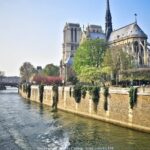


Paris City Tours, side by side.
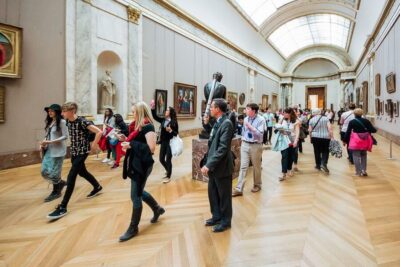 ★ 4.6Louvre Museum Timed-Entrance TicketTickets from $2671,977 guest reviews
 ★ 4.6Disneyland® Paris 1-Day TicketTickets from $6149,412 guest reviews
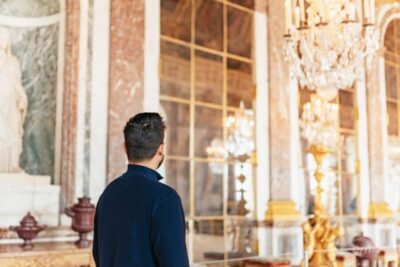 ★ 4.6Versailles Palace and Gardens Full Access TicketTickets from $1741,579 guest reviews
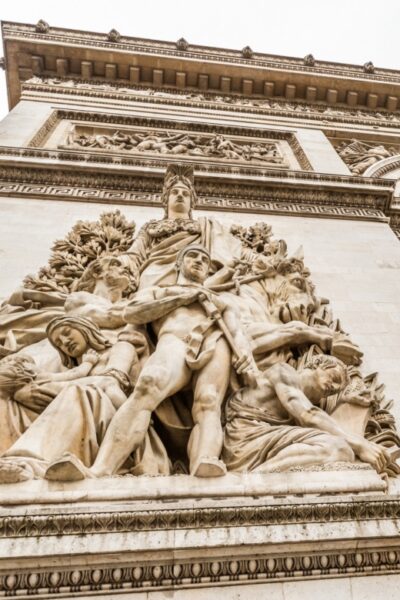 ★ 4.6Arc de Triomphe Rooftop TicketsTickets from $1834,264 guest reviews
 ★ 4.7Orsay Museum Entry TicketTickets from $1525,647 guest reviews
 ★ 4.4Evening River Cruise with MusicTickets from $2722,721 guest reviews
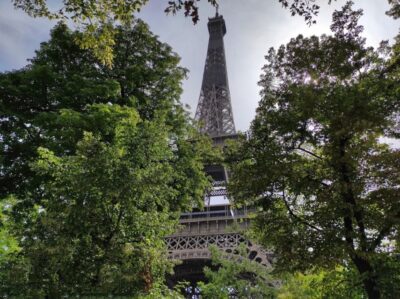 ★ 4.4Eiffel Tower Entry Ticket with Optional Summit AccessTickets from $2920,035 guest reviews
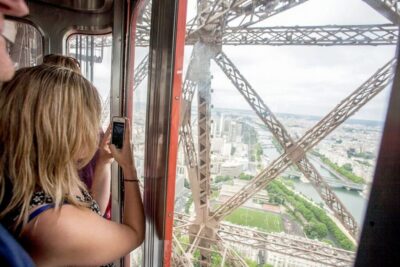 ★ 4.3Eiffel Tower Summit or Second Floor AccessTickets from $5917,248 guest reviews
This tour also belongs to