
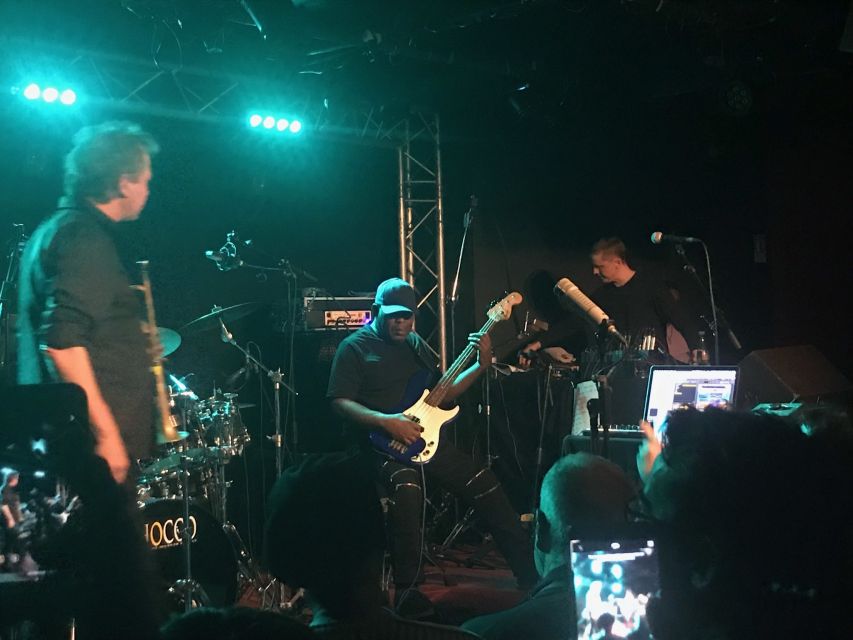
Review · PARIS CITY TOURS
Paris and the Art of Music, 1.30 hour Walking Tour
Paris sounds different when you walk it. You’ll trace music’s trail through famous streets and real neighborhoods, from the haunts of Mozart and Stravinsky to the world of Edith Piaf and Maurice Chevalier. I like the way this is a small-group tour, limited to 8, so the guide can adjust the story to what you care about, not just recite names.
One consideration: it’s a fast, two-hour walk, so plan for steady walking and bring comfortable shoes. Also, you can’t bring luggage or large bags, so keep it light.
Key highlights I’d circle before you go
- Small group up to 8 people, with room for questions and personalization
- Street-level music culture, not just famous composer plaques
- Cour du Commerce Saint-André and an old meeting place for street musicians
- Saint-Sulpice’s massive 7,000-pipe organ and pop-culture cameo
- Luxembourg Gardens and court music connections in a beautiful setting
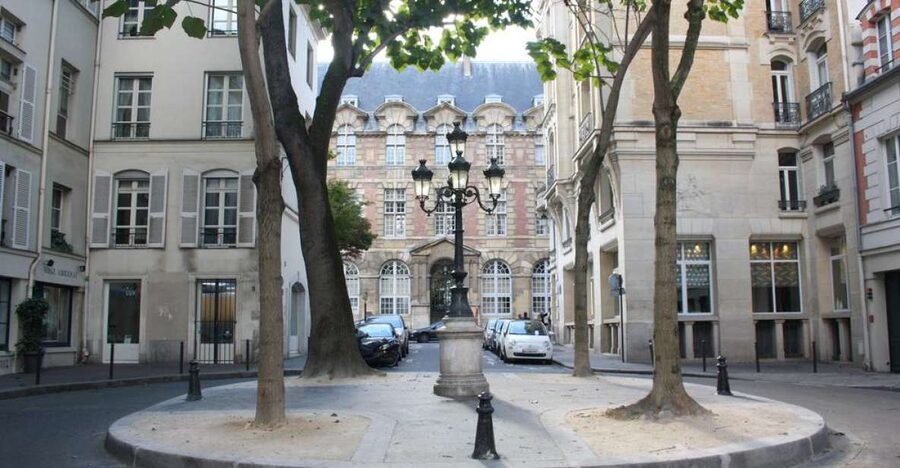
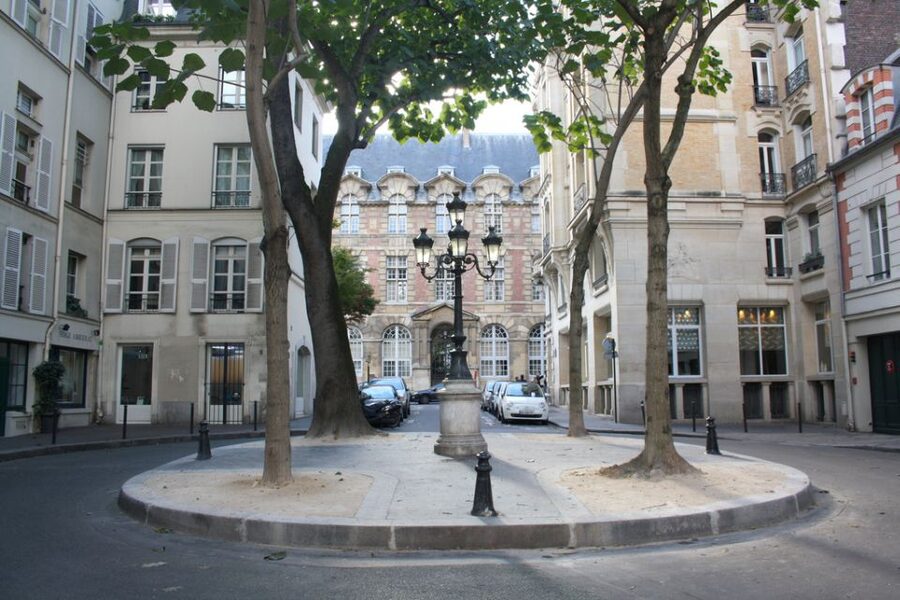
- Furstenberg Square ending spot, linked to Piaf and Chevalier
Entering Paris through music, not museums
This is the kind of tour that helps you see Paris as a living performance space. You’re not stuck inside one building staring at objects. Instead, you’re moving through the city where music happened, where people gathered, argued, danced, and listened.
What I like most is the balance between big names and the social side of music. You’ll hear why a place mattered, even when you’re not at a concert hall. And because the group stays small, you’re more likely to get a guide who answers your questions instead of rushing past them.
The second big plus is the mix of eras. Medieval troubadours, Renaissance court sounds, Revolution-era street musicians, and 20th-century cabarets all show up in the same walk. That sweep makes Paris feel like one continuous soundtrack.
You can also read our reviews of more walking tours in Paris



Meeting at Relais Odeon, then getting your bearings fast
You start at Relais Odeon Café, 132 Boulevard Saint-Germain, in the 6th arrondissement. The nearest Metro is Odeon, line 4, which is handy because it’s central and easy to plug into your day.
The practical value here is simple: Boulevard Saint-Germain is a great launchpad. Once you’re underway, you’re walking through key pieces of Paris that connect naturally, instead of zig-zagging across town.
Tip: keep your start point clean and calm. Arrive a few minutes early, use the café area to settle in, then put on a steady pace. This tour’s structure rewards people who show up ready to walk.
Saint-Germain-des-Prés: the medieval music starting point
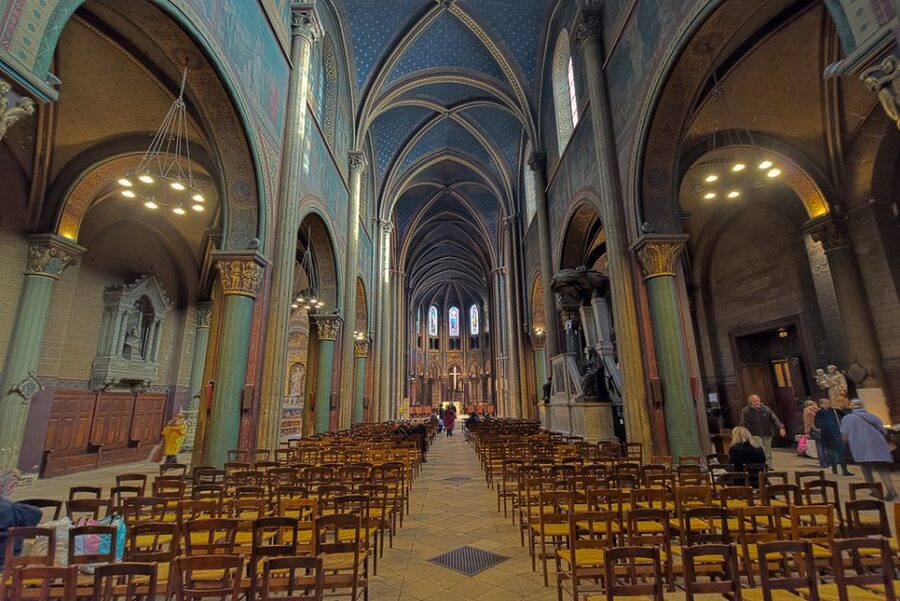
One of the first stops is the 6th-century Benedictine Abbey of Saint-Germain-des-Prés. Even if you only remember the basics of medieval Europe, this area instantly makes the past feel closer. You’re standing in one of Paris’s older spiritual zones, where religious life helped shape musical traditions.
You’ll also connect the site to the Middle Ages, including the idea of troubadours performing in church settings. That matters because it reframes what “music in Paris” means. It wasn’t just salons or stages. It was tied to daily life, ceremony, and community gathering.
Drawback to factor in: churches and abbeys can mean more walking on uneven ground. Wear shoes with good grip and keep an eye on cobbles as you approach.
Luxembourg Gardens and the Renaissance court music vibe
Next up, you’re headed toward Marie de Medici’s Luxembourg Gardens and Palace. This is one of those Paris stops where the scenery helps explain the atmosphere. In Renaissance-era court culture, music wasn’t a random activity. It was part of status, ceremony, and educated leisure.
The tour ties the palace to court music during that Renaissance period. That’s a useful framing if you tend to think of composers as only “writing music.” Here, you get the social reality: music also lived in rooms where power and patronage mattered.
If the weather is decent, this area can feel like a breather on the walk. It gives your legs a short reset, and it’s a nice contrast to the more street-level corners you’ll see later.
Carrefour de Buci: where cabarets took over the crossroads
Then comes Carrefour de Buci, a colorful crossroads known for its cabarets between WWI and WWII. This is where the tour shifts from older sacred and court settings into the pulse of street culture.
Crossroads are important in music stories because they’re meeting points. People pass through, linger, and decide to stay longer. You can almost see how performers would benefit from that flow, and how nightlife clusters around certain corners when word spreads.
What’s valuable here is that you’re not only hearing about famous artists. You’re learning about the environment that helps artists survive. Cabarets needed regular audiences, repeat foot traffic, and a neighborhood feel that made people comfortable stepping out after dark.






Cour du Commerce Saint-André and Paris’s oldest café
One of the most fun stops is Cour du Commerce Saint-André, the 18th-century picture-perfect street arcade. It’s the kind of place where the architecture itself feels like part of the show.
Inside this area you’ll find Paris’s oldest café, a meeting point for street musicians during the French Revolution. That’s a detail I really like because it turns “history” into something human. Street musicians weren’t just background noise. They were part of public life, finding listeners in the gaps between politics and daily routines.
Here’s how I’d use this stop if you love photos: pause, look up, and take in the arcade shape. The space makes you slow down naturally. Also, expect it to be popular for photos, so don’t plan on holding the perfect shot forever.
Saint-Sulpice: 7,000 pipes and a big pop-culture moment
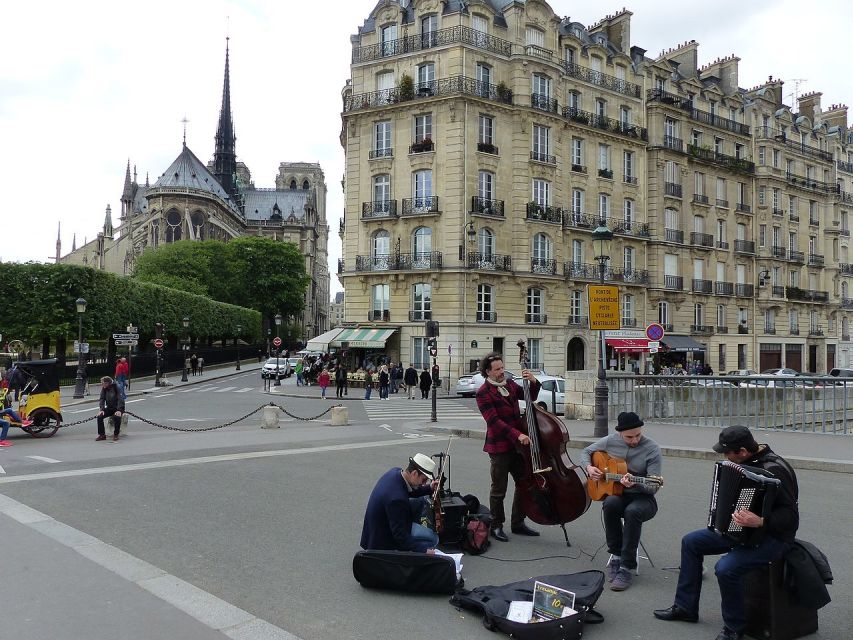
Another major anchor on the walk is Saint-Sulpice Church, a 17th-century Baroque church with a notable organ setup. The tour highlights its 7,000-pipe organ and notes it as one of only three 100-stop organs in the world.
Even if you don’t know much about organ music, that scale is hard to ignore. A 7,000-pipe instrument isn’t just “large.” It suggests the seriousness of French musical tradition in religious spaces. This is where sacred music becomes architecture, engineering, and public sound at once.
You’ll also hear that the church appeared in a supporting role in The Da Vinci Code. That connection is practical in the best way, because it gives you a modern reason to recognize the building as soon as you see it.
Potential consideration: with churches, you might face rules about quiet, movement, or entry areas. The tour will keep you moving and focused, but it helps to be ready for a more respectful pace inside.
Furstenberg Square: the romantic ending tied to Piaf and Chevalier
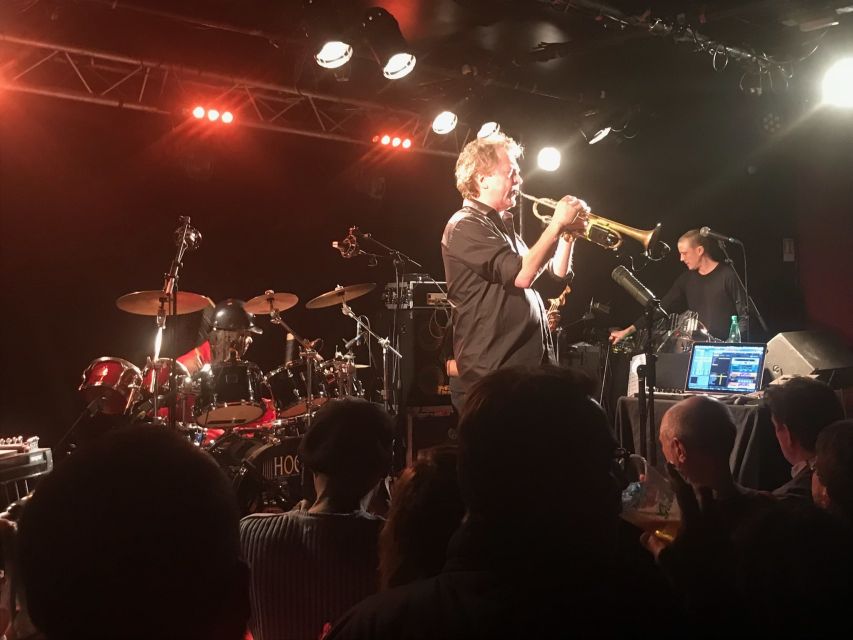
The walk finishes at Furstenberg Square, described as one of the smallest and most romantic squares in Paris. The reason it lands at the end is smart: it’s a calm, close-to-the-heart way to cap a tour that moves through intense eras and busy cultural crossroads.
The tour connects Furstenberg Square to both Edith Piaf and Maurice Chevalier. That’s a strong ending because it shifts from “places where music was performed” to “places where music lived in people’s lives.” Piaf and Chevalier feel like icons, but this shows you that they were also connected to ordinary neighborhood spaces.
If you want a final moment to linger, this is it. Stand quietly for a minute, take a last look, and then decide whether you want to continue exploring on your own in the surrounding streets.
The 2-hour pacing: what you really get in that time
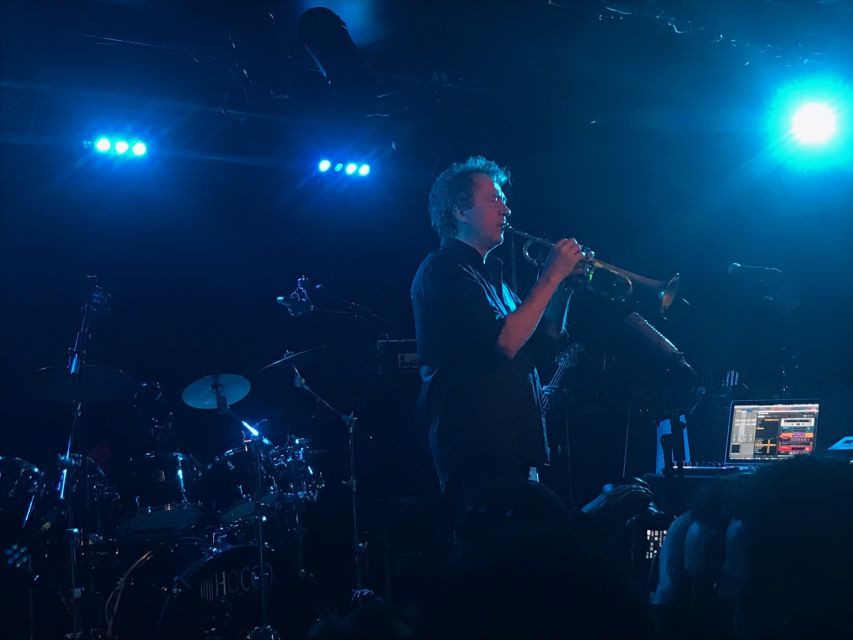
A tour like this lives or dies on pacing, and the good news is it covers a lot without feeling like a sprint. You’re walking through major points tied to distinct musical periods, which gives the time a purpose.
Still, it’s only 2 hours, so you won’t stop for long explanations at every location. Instead, you’ll get the essentials: what happened there, why it mattered, and how it fits the broader music story of Paris.
For me, that’s the sweet spot. If you try to do too much in one day, you end up with scattered impressions. This kind of structured walk helps you leave with a clear mental map.
Small-group attention that makes the story feel personal
The tour is limited to 8 participants, and that small size is not just a comfort perk. It changes the feel of the tour. With fewer people, the guide can spend more time responding to what you actually want to hear.
One of the most praised elements of the experience is how the guide can personalize the information to your interests. If your musical curiosity leans toward classical composers, cabaret culture, or the connections between them, you’re more likely to get answers that fit you.
I also like that small-group format on practical grounds. Paris streets are narrow, so passing people without crowding each other keeps the walk smoother.
Who this tour suits best
This is a great choice if you like Paris but want a different angle than the usual landmarks. If you’ve seen the big sights already, this gives you a fresh way to connect neighborhoods, buildings, and street life.
It also suits you if you enjoy stories with names, but you care about the setting. Instead of only learning about famous artists, you learn where audiences gathered and how music became part of local identity across centuries.
If you prefer slow museum time, this might not scratch the same itch. This is more “walk and listen” than “sit and study.” Think comfortable shoes, not long lectures.
Price and value: what $99 buys in real terms
At $99 per person for a 2-hour guided walk, the cost is mid-range for central Paris experiences. The question is value, not price, and you’re paying for two things.
First, you’re paying for an expert English-speaking local guide leading you through a very specific theme. Music in Paris is everywhere, but a skilled guide helps you connect the dots so it feels coherent instead of random.
Second, you’re paying for the convenience of a tight walking route anchored in meaningful stops. You’re not spending half your time figuring out where to go next. You have a clear path from the older Paris sites to the square-linked finale.
If you’d otherwise spend your time wandering without a plan, you’ll likely feel the value quickly. The tour turns a stroll into something you can remember.
Practical tips so you enjoy the walk more
Here’s how to set yourself up for an easy experience.
- Bring comfortable shoes. You’ll be on foot for the full 2 hours.
- Travel light. No luggage or large bags are allowed.
- Expect a walk that moves. You’ll see many locations, so don’t plan to stop for long breaks unless the guide gives you a moment.
Also, if you want to take photos, build in short breaks at the more open stops like the gardens and squares. The arcade and church areas are great photo spots, but you’ll share them with other people.
Should you book Paris and the Art of Music?
Book it if you want Paris to feel musical, not just famous. The mix of Saint-Germain-des-Prés, Luxembourg Gardens, Carrefour de Buci, the Cour du Commerce Saint-André café stop, Saint-Sulpice, and a Piaf and Chevalier-linked ending gives you a tour that feels like a story you can walk through.
Skip it if you hate walking tours or you want a lot of time inside major sites. This is a focused thematic walk, not a slow deep study with long indoor stays.
If your goal is a memorable 2-hour burst with a guide who can personalize the conversation, this is a strong pick.
FAQ
How long is the Paris and the Art of Music walking tour?
The tour duration is 2 hours.
What is the group size for this tour?
It is a small group limited to 8 participants.
Where do I meet the guide?
You meet at The Relais Odeon Café, 132 Boulevard Saint-Germain, 75006. The closest Metro station is Odeon, line 4.
Is hotel pickup or drop-off included?
No, hotel pickup and drop-off are not included.
What languages is the guide available in?
The tour is available in English and Spanish.
What should I bring?
You should bring comfortable shoes.
Are luggage or large bags allowed?
No. Luggage or large bags are not allowed.
Can I cancel for a full refund?
Yes. Free cancellation is available up to 24 hours in advance for a full refund.
Does the tour offer reserve now and pay later?
Yes. You can reserve now & pay later, meaning you pay nothing today.
More Walking Tours in Paris
More Tours in Paris




More Tour Reviews in Paris



Not for you? Here's more nearby things to do in Paris we have reviewed












Paris City Tours, side by side.
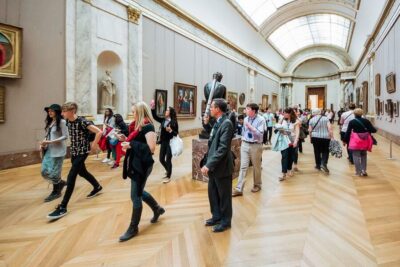 ★ 4.6Louvre Museum Timed-Entrance TicketTickets from $2671,977 guest reviews
 ★ 4.6Disneyland® Paris 1-Day TicketTickets from $6149,412 guest reviews
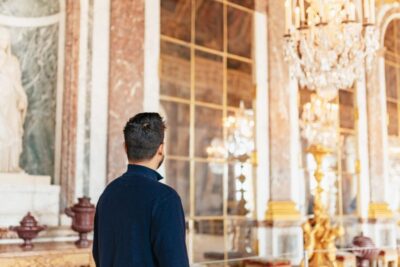 ★ 4.6Versailles Palace and Gardens Full Access TicketTickets from $1741,579 guest reviews
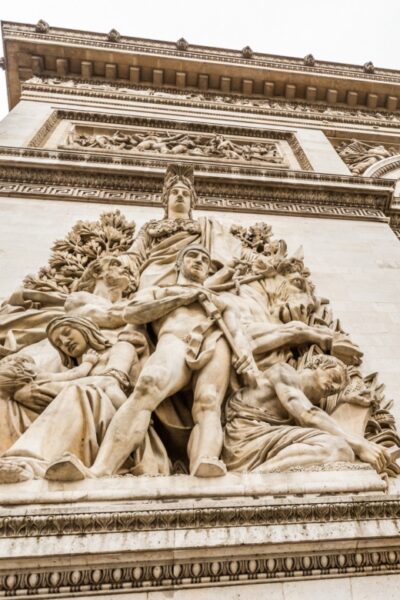 ★ 4.6Arc de Triomphe Rooftop TicketsTickets from $1834,264 guest reviews
 ★ 4.7Orsay Museum Entry TicketTickets from $1525,647 guest reviews
 ★ 4.4Evening River Cruise with MusicTickets from $2722,721 guest reviews
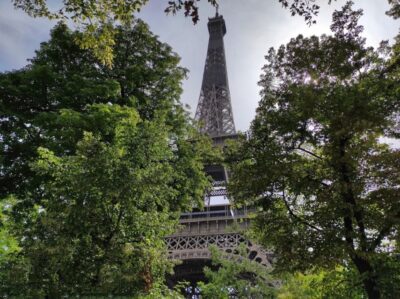 ★ 4.4Eiffel Tower Entry Ticket with Optional Summit AccessTickets from $2920,035 guest reviews
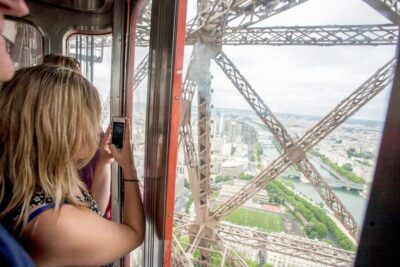 ★ 4.3Eiffel Tower Summit or Second Floor AccessTickets from $5917,248 guest reviews