
Review · PARIS CITY TOURS
Paris: Private 2-Hour Walking Tour with a Parisian guide
Paris starts to make sense on foot. This private walk with a certified, multilingual guide gives you a fast grasp of the city, plus time for your photos and questions, and it can be tailored to what you care about. One caution though: I did see a report of a tour running about 1 hour 20 minutes when 2 hours were booked, so it is worth confirming expectations up front.
What I like most is the way the route blends big-name sights with street-level context, not just photos. I also like that you can shape the pacing, so you are not stuck racing ahead just to tick boxes. The route ends where you start, at Cité metro station, which keeps logistics simple for a short visit.
If you want Paris history and culture explained in plain language, this is a solid fit. Just bring comfortable shoes, a camera, and water, because the experience is designed for walking and stops that are mostly outdoors.
Key things to know before you go
- Private and customized: your guide adjusts the walk to your interests, not a fixed script
- Cité metro station start and end: easy logistics, no complicated transfers
- Three major areas in one outing: Notre-Dame neighborhood, Montmartre, and Place de la Concorde
- Notre-Dame includes guided time plus free time: you get both explanations and a breather
- Multilingual guide: English, French, and Spanish
- Designed for the street view: entrance tickets are not included, so focus is on what you can see without them
Why this 2-hour private walking tour from Cité is a smart Paris starter
A private walking tour in Paris has one big advantage: you learn how to look. Two hours sounds short, but with a guide steering you through the right streets and telling you what matters, you start noticing the city’s patterns right away.
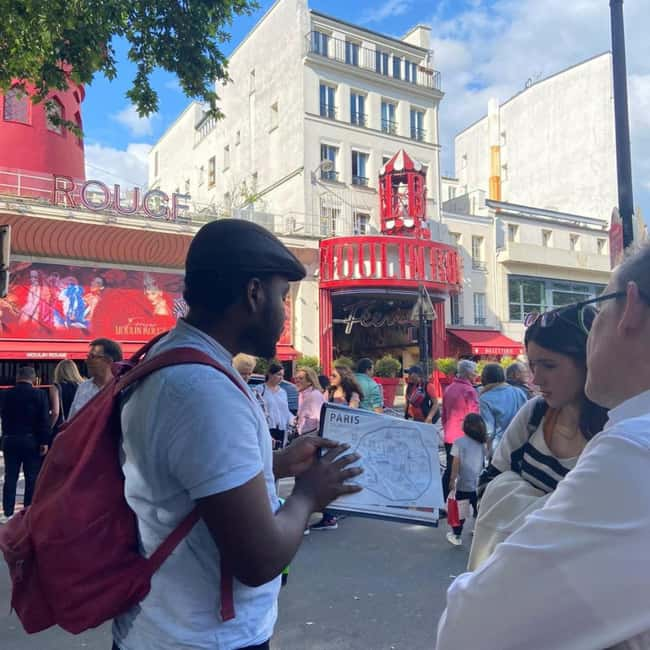
You’ll begin in the Cité area and move through three of Paris’s most recognizable zones: the Notre-Dame neighborhood, Montmartre, and Place de la Concorde. Even if you have never been to Paris, that mix helps you connect medieval-era vibes, the artists and viewpoints of Montmartre, and the wide, ceremonial geometry around Concorde. It is not a history lecture. It is a walk where the story shows up on the street.
And because the tour is private and customized, you can steer away from what you are already tired of. If you care more about architecture, you can ask for building-focused explanations. If you care about culture and daily life, you can ask about how neighborhoods feel, how locals use the space, and what to notice as you walk.
You can also read our reviews of more walking tours in Paris



Getting oriented: start at Cité, then walk the route efficiently
The meeting point is Cité metro station, and the tour ends back at the same meeting point. That matters more than it sounds, especially on a 2-hour tour. You avoid the hassle of figuring out trains or taxis after the walk, and you get to keep the day moving.
This also shapes what the tour can realistically do. With stops spanning Notre-Dame, Montmartre, and Place de la Concorde, you should expect efficient walking and a focus on sights you can experience without long ticket lines. If you are hoping for lots of extended indoor time, you may find the schedule tighter than a full half-day tour.
Plan your day around the walking pace. Bring water and wear shoes that can handle cobblestones and curves. If you want to move slowly, tell your guide early so they can adjust the flow. The tour is described as having a flexible schedule, so your comfort and pace should matter.
Stop 1: Cité area, the launchpad for Paris context
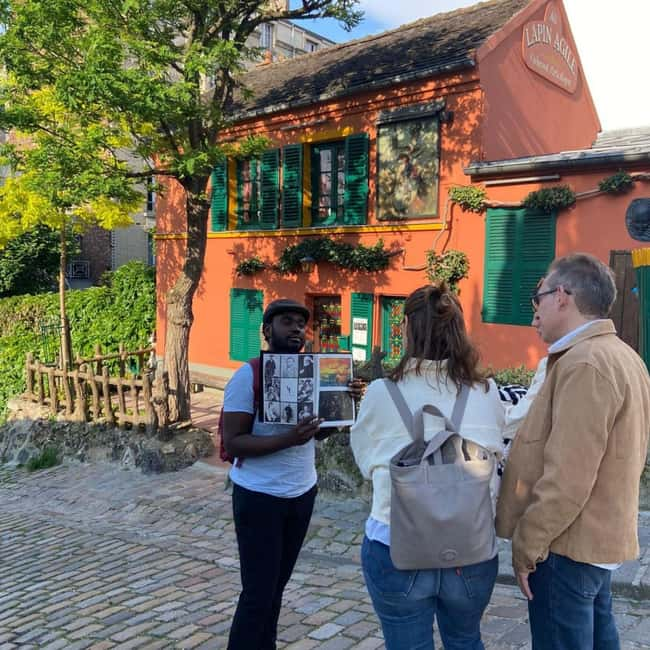
Your tour begins at Cité metro station. Even before you move into the neighborhoods, this start point is strategic. The Cité area gives you a foothold into the parts of Paris that feel older and more symbolic, and it sets the tone for the rest of the walk.
Because the tour is customized, the guide will likely use this first stretch to calibrate what you want. Are you the art and architecture type? Food-focused? History-obsessed? You should get a sense of how the tour will be shaped by your interests right away, and you can confirm your preferences at the start.
Stop 2: Notre-Dame neighborhood, guided stories plus breathing room
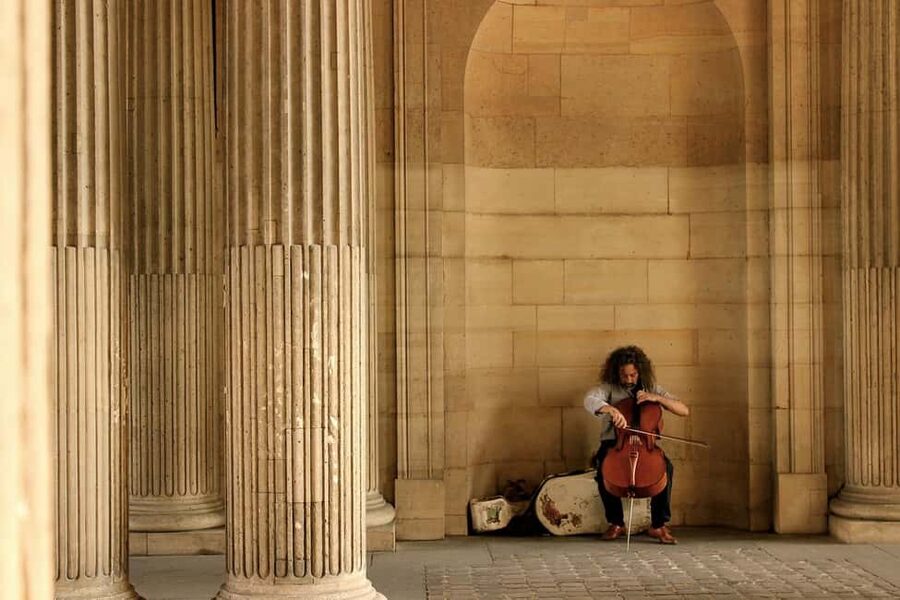
Next up is the Notre-Dame neighborhood, with a guided visit and free time.
This stop works well for most people because you get two modes in one: guidance to help you understand what you are seeing, then personal time to pause. That free time is important on tours like this. Paris rewards slow looking, and it is hard to do that if your whole group is moving every minute.
Here is what you can reasonably expect from this kind of guided neighborhood walk:
- Clear context for landmarks and streets you might otherwise walk past
- Explanations that connect the area’s character to broader Paris history and culture
- Practical suggestions for what to photograph and how to frame it
The main drawback to watch for is time management. If you want lots of time to wander, you should ask the guide how they plan to handle free time versus walking time. The tour runs 2 hours, so you will not have unlimited flexibility at every stop.
Stop 3: Montmartre, where art and viewpoints take over
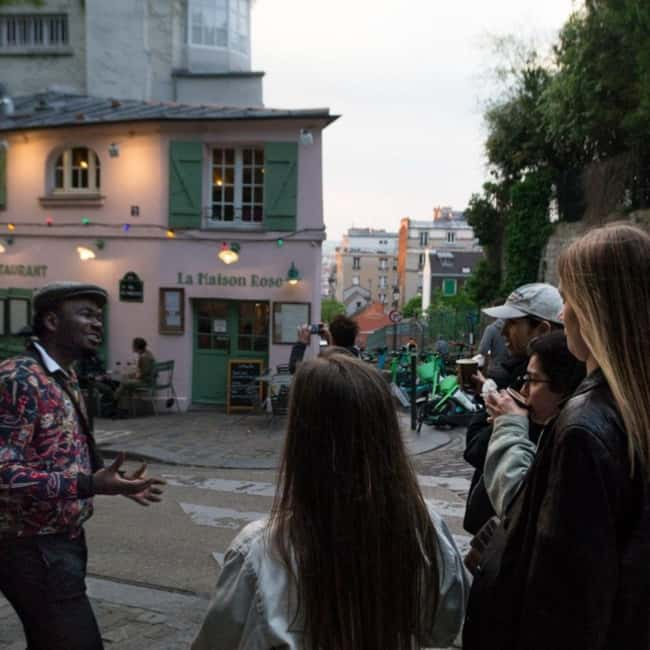
The itinerary continues with Montmartre, again with a guided visit.
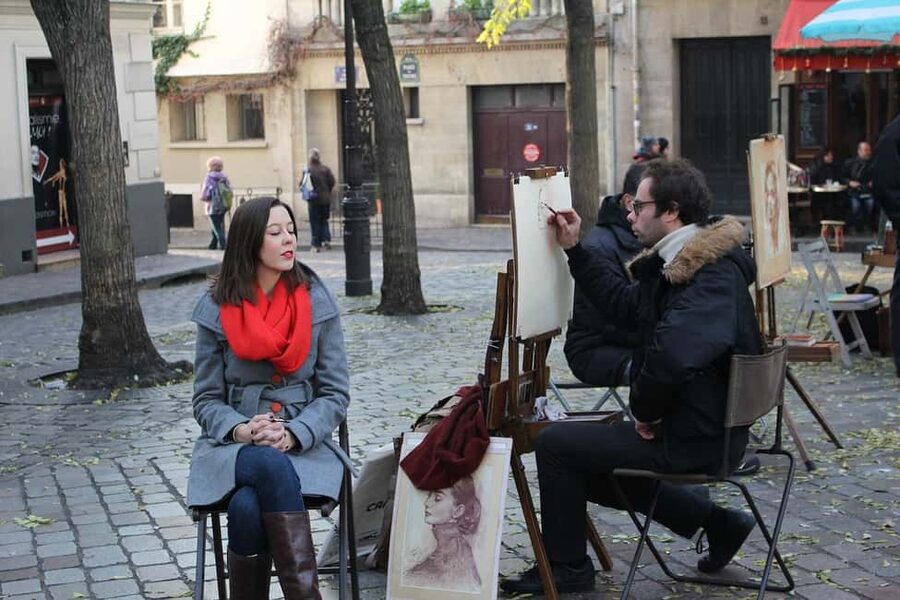
Montmartre is the kind of area where a good guide makes a difference. On your own, it is easy to focus only on what looks famous in the moment. With a guide, you are more likely to notice why the area became associated with artists and how the neighborhood’s layout shapes the mood.
This is also where the tour’s customization can pay off. If you are interested in art, architecture, or the way famous creators influenced how places were seen, this stop is one of your best bets in a short itinerary. The tour description even points toward possibilities like walking in the footsteps of famous painters and sculptors, depending on how your interests are set.
Practical note: Montmartre is famous for viewpoints, but in a 2-hour tour you will probably be spending more time on the walk and the key sight lines than on long stops. If you are aiming for a specific photo viewpoint or a particular church area, tell your guide during the planning conversation so they can factor that in.
You can also read our reviews of more guided tours in Paris






Stop 4: Place de la Concorde, photo stop and ceremonial Paris
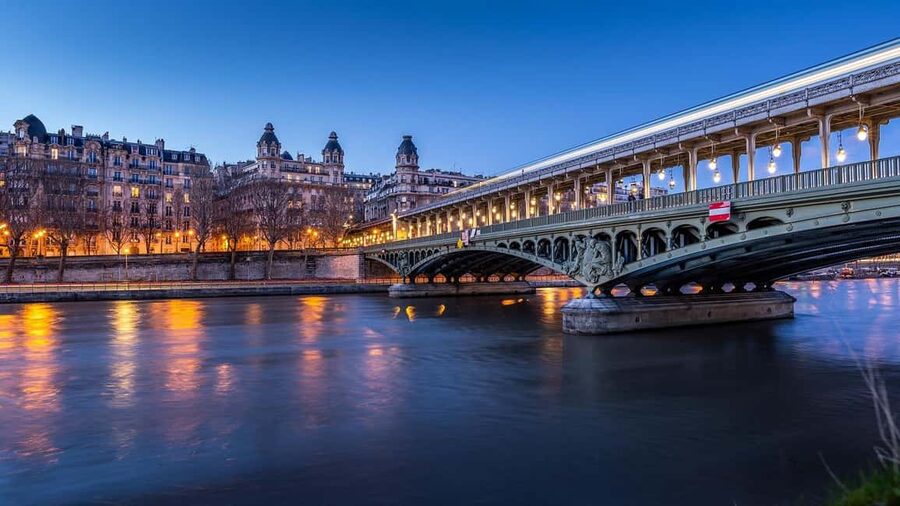
Finally, you reach Place de la Concorde, with a photo stop, plus visit and guided time.
Concorde is the opposite vibe from Montmartre. It feels wide, formal, and designed for long sightlines. That is great for photos and for understanding how Paris can shift from intimate streets to grand, open spaces.
This stop is also where the “Parisian culture and history” part becomes tangible. A guide can help you read what you are seeing in the square, and how it fits into France’s broader story. Even if you already know the square from a map or from movies, the value here is learning how the place works at street level, not just as a name.
One thing I like about ending with Concorde is that it is a good final anchor. You get to finish your tour with a clear sense of Paris’s scale and planning, then head back to Cité without extra logistics.
How customization works in real life, and how to get what you want
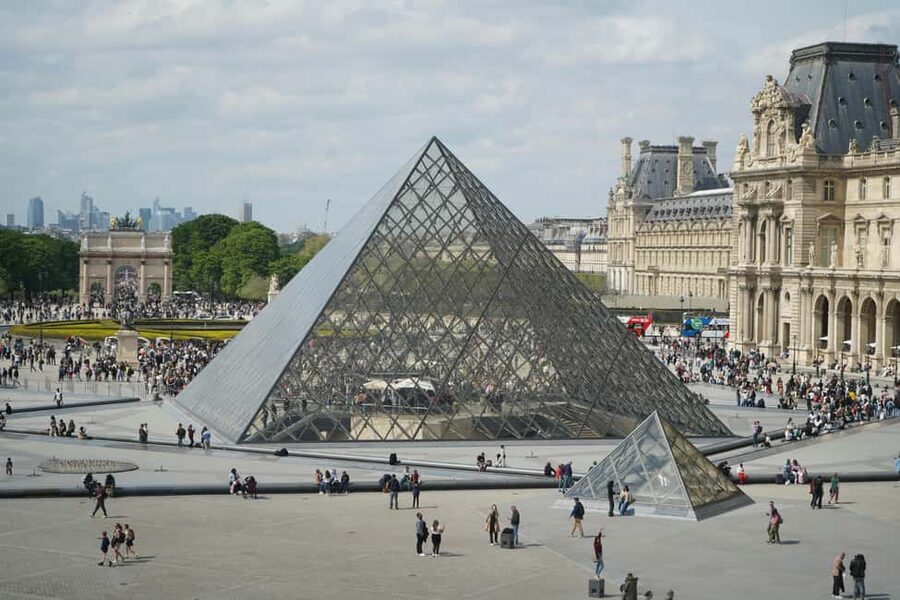
The tour is described as fully customized. That is a big promise, and it is worth approaching it with a simple strategy.
At the start, make your interests concrete. Instead of saying you like history, tell your guide what kind: medieval sites, revolutionary-era context, architecture, or stories about how neighborhoods changed. The tour description specifically references options like medieval and revolutionary sites, art and famous painters or sculptors, and food-focused stops like bakeries and markets.
Then, ask a practical question: Can we prioritize the sights that matter most to me, and what will you cut if we run short on time?
One caution worth taking seriously: I saw one report saying the tour felt less personalized than advertised, and another concern was time running shorter than expected. You cannot control everything, but you can prevent frustration by communicating your priorities early and setting expectations for what the 2-hour window covers.
Also, if you already visited some major sights before your tour, tell your guide what you have already seen. This helps avoid repeating things you already know and makes your time feel more efficient.
Price and value: what $145 per person really buys
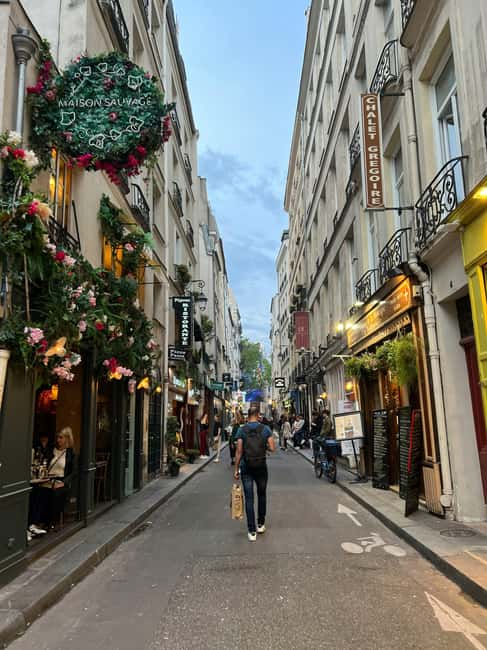
At $145 per person for a private 2-hour walking tour, you are paying for three things:
- A certified local guide who can explain what you are seeing
- A private, customized format that responds to your interests
- A short, structured route that hits multiple iconic areas without you planning every step
The math works best when you value interpretation over self-guided wandering. If you already know you want context, this tour can save you time, because your guide turns streets into meaning. For first-timers, that is often worth it.
If you mostly want to stroll and take photos with no explanations, you might be happier with a self-guided plan. But if you want Paris culture and history translated into something you can actually use while walking, a guided private tour helps a lot.
The one financial risk is time. If the tour runs shorter than the booked duration, the value drops fast. That is why it is smart to confirm the 2-hour commitment and understand how the guide plans to fit each stop.
What to bring and how to prepare for a smooth walk
This tour is walking-focused, so your comfort choices matter. Bring:
- Comfortable shoes
- Camera
- Water
Plan for outdoors time at each stop. Even where the itinerary mentions “free time,” that is still time on the street, not a long indoor break.
If you are prone to getting tired on hills or uneven ground, tell your guide early. The tour includes Montmartre, and that can be a lot for legs over a short period. Adjusting your pace sooner is easier than trying to catch up later.
The guide factor: why the right explanation changes everything
The tour is led by a certified local guide, fluent in English, French, and Spanish. That language flexibility matters because Paris stories land better when you can ask follow-ups without slowing everything down.
In one standout experience I saw, the guide Rene impressed with excellent explanations and the ability to speak several languages clearly, with the whole walk described as well organized. That is exactly the kind of guide you want on a short, private tour. The goal is not just to show you places, but to help you connect them quickly.
If you get a guide who is great at tailoring, you will feel the difference in how the tour flows. You will ask something on the fly, and you will get a relevant answer that helps you look at the next street differently.
Who should book this tour, and who might skip it
This tour is a strong match for:
- First-time visitors who want an overview and clear context across key areas
- Returning visitors who want a new perspective and a tailored walk
- People who like history, architecture, and culture, but do not want a long day commitment
It might be a less perfect fit if:
- You need lots of museum-style time or indoor ticketed visits, because entrance fees are not included
- You are short on walking tolerance, since the route covers major areas and is not suitable for wheelchair users
If you are traveling with someone who loves detailed explanations while you prefer photos and quick questions, private format is also a win. You can balance how much you listen versus how much you just enjoy the streets.
Should you book? My practical recommendation
If you want a fast, guided “Paris becomes clear” experience, I think this tour is worth booking. The combination of Notre-Dame neighborhood, Montmartre, and Place de la Concorde gives you a memorable cross-section of Paris, and the private, multilingual guide format helps you get answers in the way that makes sense to you.
My main “check before you commit” point is time. Because I saw a report of the tour ending closer to 1 hour 20 minutes than 2 hours, I would confirm how the guide plans to handle each stop in the allotted time and make sure you know what to expect at each point.
If you do that, you are set up for a short, meaningful walk with real context, not just a list of landmarks.
FAQ
How long is the Paris private walking tour?
The tour lasts 2 hours.
Where does the tour start?
The tour starts at Cité metro station.
Where does the tour end?
The activity ends back at the meeting point, at Cité metro station.
Which areas are included in the walking route?
The route includes the Notre-Dame neighborhood, Montmartre, and Place de la Concorde.
What languages is the guide available in?
The guide is available in English, French, and Spanish.
Is the tour private?
Yes, it is a private tour with a local guide.
Are entrance fees included for monuments or museums?
No, entrance fees are not included.
Is transportation included during the tour?
Transportation costs to and from the meeting point, and any transportation during the tour, are not included unless otherwise arranged.
Are meals or drinks included?
No, meals, snacks, and beverages are not included.
Is this tour wheelchair accessible?
No, it is not suitable for wheelchair users.
More Walking Tours in Paris



More Tours in Paris




More Tour Reviews in Paris






Not for you? Here's more nearby things to do in Paris we have reviewed












Paris City Tours, side by side.
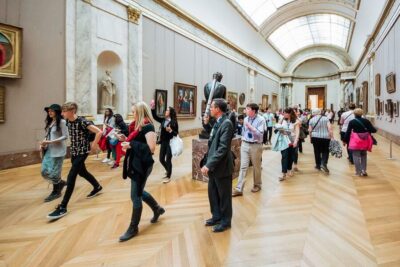 ★ 4.6Louvre Museum Timed-Entrance TicketTickets from $2671,977 guest reviews
 ★ 4.6Disneyland® Paris 1-Day TicketTickets from $6149,412 guest reviews
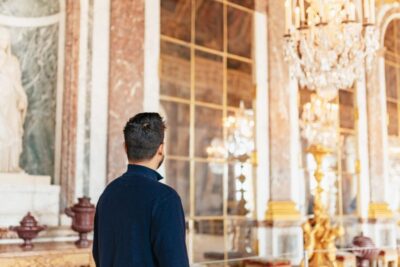 ★ 4.6Versailles Palace and Gardens Full Access TicketTickets from $1741,579 guest reviews
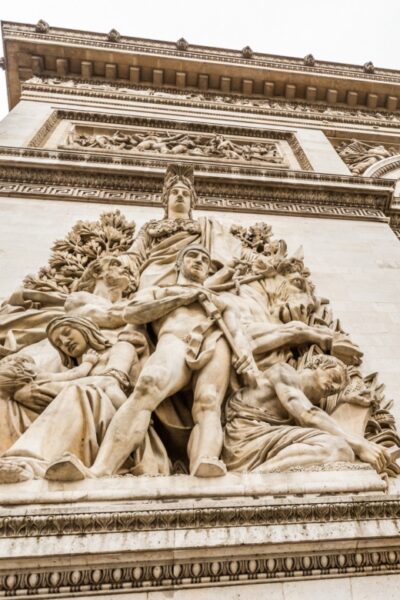 ★ 4.6Arc de Triomphe Rooftop TicketsTickets from $1834,264 guest reviews
 ★ 4.7Orsay Museum Entry TicketTickets from $1525,647 guest reviews
 ★ 4.4Evening River Cruise with MusicTickets from $2722,721 guest reviews
 ★ 4.4Eiffel Tower Entry Ticket with Optional Summit AccessTickets from $2920,035 guest reviews
 ★ 4.3Eiffel Tower Summit or Second Floor AccessTickets from $5917,248 guest reviews
This tour also belongs to