
Review · PARIS CITY TOURS
Paris Picasso Museum 2-Hour Private Small-Group Tour
Picasso makes sense in two guided hours. I love the skip-the-line entry and how a private guide connects key works to Picasso’s changing ideas. One thing to consider is the pace: two hours is enough to hit the big turning points, but you will not slow down for every room.
The tour starts at the Musée Picasso in Le Marais, inside the 17th-century Hôtel Salé. You get a private group, and the guide can work in English, French, Croatian, or Serbian, which makes it easier to ask questions and actually follow the story.
Key things that make this tour worth your time
- Fast-track museum entry through a separate entrance so you spend less time stuck outside.
- Private, guided focus on Picasso’s life and work, not just a walk through galleries.
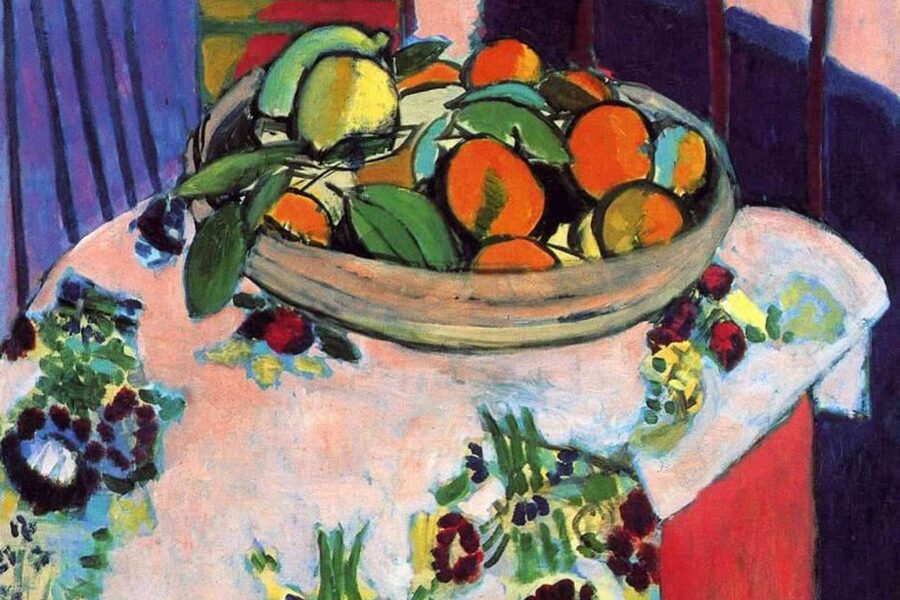
- Must-see masterpieces like Bull’s Head and The Barefoot Girl, plus Still Life with Oranges.
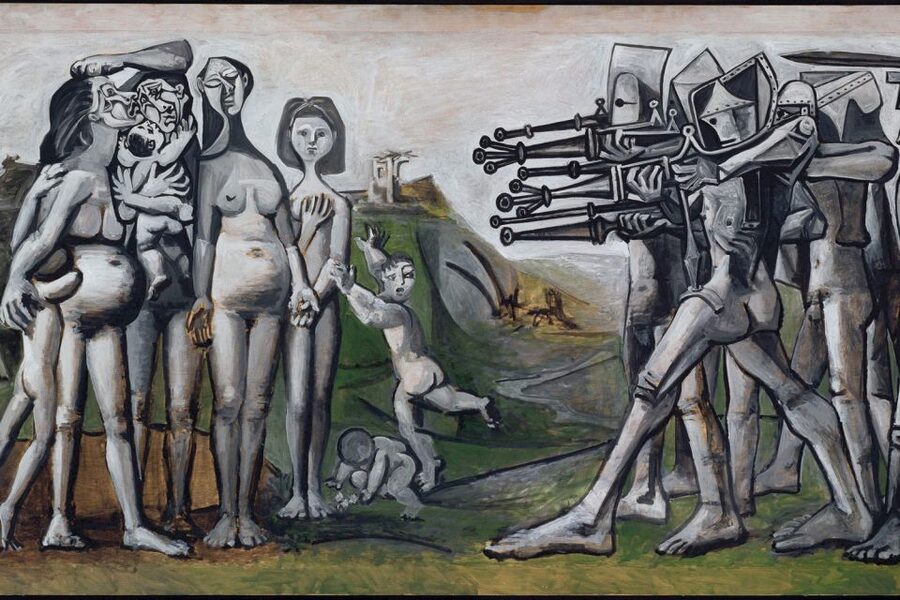
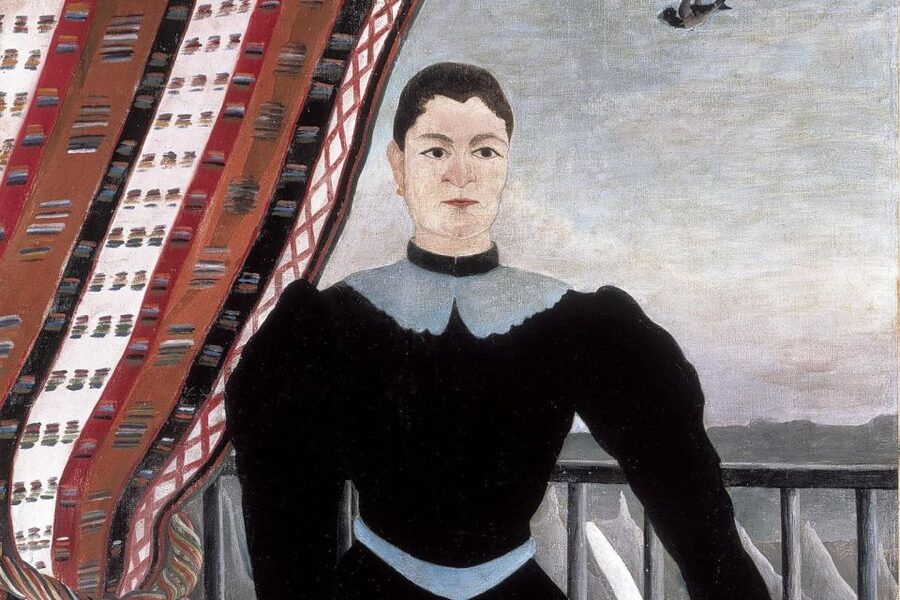
- Clear artist connections to Matisse, Dalí, and Rousseau, with real context for why they mattered.
- Paris in the mix, including a look at the Arc de Triomphe and stories about Picasso’s favorite drinking dens.
Getting in quickly at the Picasso Museum in Le Marais
You meet your guide right in front of the Musée Picasso at 5 Rue de Thorigny, 75003 Paris. Your guide carries a red canvas tote bag, which is a nice touch when you are trying to spot the right person in a crowded street.
The best part for practical travelers is the skip-the-line entry. Picasso’s museum can be busy, and a line can chew up your energy right when you want to start learning. With the fast track setup, you can get moving into the building soon after you arrive, and that matters on a two-hour tour.
You do not have to think about museum logistics beyond showing up on time. Museum admission is included, so there is no extra ticket purchase mid-day. You should just plan for one small comfort item, since refreshments are not included, bring water if you know you get thirsty walking around Paris.
This is a wheelchair-accessible tour, and it is private, so the guide can keep things organized for your group size and needs. The only real limitation is time. You are going to see a lot of Picasso in a short window, so come with at least a little curiosity and be ready to move from one era to the next.
You can also read our reviews of more private tours in Paris



Hôtel Salé frames Picasso’s story in a 17th-century setting
Once you step inside, you are not just walking into another museum box. The Musée Picasso is housed in the elegant 17th-century Hôtel Salé, and that setting helps you understand why the building itself feels important.
Picasso’s art is all about transformation, and the museum’s old Paris bones create a strong contrast. It makes his formal experiments feel sharper, because you are moving from centuries-old architecture into works that look like they are trying to break rules.
In a private guide format, you also get something many self-guided visits miss: direction. Your guide can point out what to notice, why it matters, and what to connect to Picasso’s life. That is the difference between seeing art and following a story.
One subtle benefit is pacing control. If you are the type who likes to read every label, you might want to skim and then go back later. If you are more of a listener, you will likely enjoy the way a guide can keep the timeline moving while you stay engaged.
The 2-hour flow: from Picasso’s career stages to the ideas behind the works
You are in the hands of an expert guide for the full tour length, and the emphasis is clearly on Picasso’s life and work across different stages. Instead of treating the museum like a highlight reel, your guide walks you through how Picasso’s technical skills and artistic disciplines developed over time.
A good guide here matters a lot because Picasso can feel like multiple artists in one body. One room can show you precision, another can show you fragmentation. The whole point of a guided format is to keep those changes from feeling random.
Expect your guide to highlight Picasso’s:
- formal experimentation
- ideological engagement
- relationships with other key artists of the period
The tour also connects Picasso to major names you might already know, like Matisse, Dalí, and Rousseau. Even if you have only a surface-level familiarity, having those relationships explained makes the works easier to understand, because you see them as part of an artistic conversation rather than isolated genius.
You will also see some famous works early and late in Picasso’s career, which helps you spot patterns. For example, your guide will frame why a style change is not just a look, but often a response to ideas, politics, or artistic rivalry.
What you will miss if you want slow museum wandering
Two hours is short for a museum that invites lingering. So if you are the type who wants to sit and stare for 20 minutes, you may wish you had more time. The tour is designed for clarity and momentum, not for deep solitude with every painting.
Bull’s Head and The Barefoot Girl: the works that explain Picasso fast
If you come for iconic pieces, this tour gives you the right ones. Bull’s Head is one of the most memorable stops, and it is not just famous because it is recognizable. Your guide explains it as a lesson in Picasso’s approach, the idea of less meaning more, and how he could create impact without traditional complexity.
Bull’s Head also works as a gateway to Picasso’s mindset. It helps you see how he thought like a maker and a re-thinker, not only a painter. That mental shift is huge, because once you understand it, the rest of the collection reads differently.
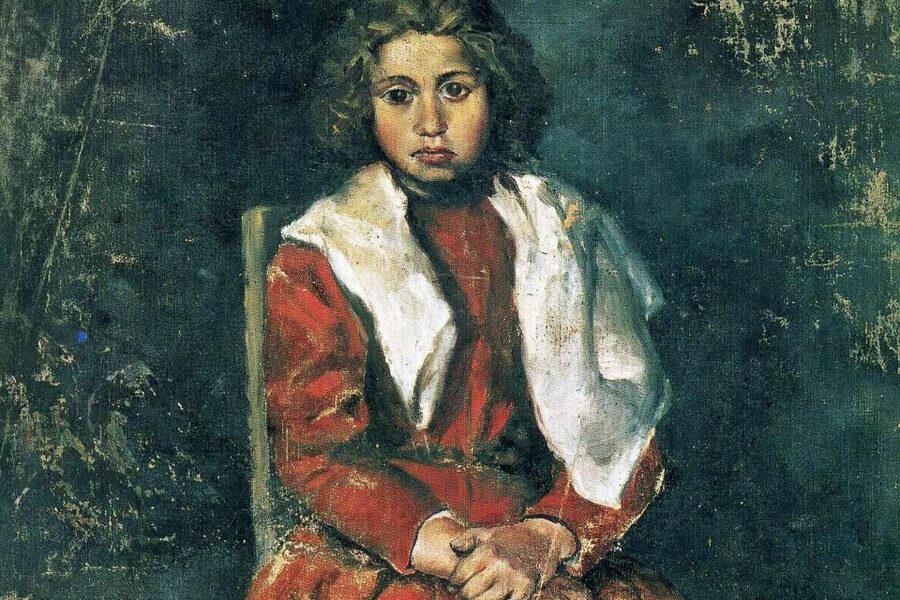
Then you get an early painting, The Barefoot Girl. Seeing it during a guided timeline matters. Without context, early works can feel like practice pieces. With context, you understand what Picasso was building, what he was trying to refine, and why it fits into his later boldness.
This tour also includes Still Life with Oranges. That one is especially useful if you want to understand Picasso’s rival and influence relationship with Matisse. Your guide ties it back to how these artists shaped each other’s choices, even when their styles were not identical.
I like this trio because it covers three different kinds of meaning:
- Picasso the inventor (Bull’s Head)
- Picasso the developing artist (The Barefoot Girl)
- Picasso in dialogue with other artists (Still Life with Oranges)
You can also read our reviews of more museum experiences in Paris


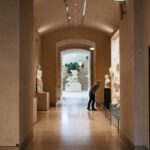



Picasso, Matisse, Dalí, Rousseau: why the connections make the art click
Picasso is famous, but he is also historical, and the guide’s job is to keep that history readable. The tour looks at Picasso’s complex relationship with other notable artists of his time, including Matisse, Dalí, and Rousseau.
Here is why those connections matter for you: you stop treating Picasso as a lone planet. You start seeing him as part of a network where ideas moved quickly and where artists competed, borrowed, argued, and pushed each other forward.
If you already know these names, you might be thinking about style. The guide goes a step further and helps you think about context and intent. That can turn a work you might have dismissed into something you understand and enjoy.
Even the way you are taught to look changes. Instead of asking only what you see, you start asking what Picasso is doing and why at that moment. That shift is often what makes museum time feel worth it.
A highlight from past guide styles
From the guide notes I picked up through earlier experiences with this kind of tour format, the strongest reviews centered on guides who can make Picasso’s meaning feel clear and personal. Names that stood out include Svetlana and Boris. The common thread: they were prompt, easy to understand, and good at keeping younger listeners engaged, including two teenage sons. If that is your situation, you will likely appreciate a guide who explains clearly without talking down.
Arc de Triomphe and Picasso’s drinking dens: tying art to the streets
The museum is the core, but this tour also brings Picasso’s Paris into the conversation. The highlights include a chance to see the Arc de Triomphe and to discover stories about Picasso’s favorite drinking dens.
This kind of add-on is more than sightseeing padding. It helps you place the artist in the city where his ideas became public. When you hear about Picasso’s favorite social spaces, you understand him as someone embedded in daily life, not just a figure trapped in museum frames.
And when you look toward the Arc de Triomphe, you get a big visual counterpoint. Picasso’s world was modern and disruptive, while the monuments around Paris carry heavy historical weight. Pairing them in a short outing gives you a sense of the contrast between eras.
One practical note: because the tour is only two hours, these outside moments are likely brief. You should treat them as orientation and story anchors, not a deep, separate city tour.
Price and value: what $265 buys you in Paris
At $265 per person for a private 2-hour tour, you are paying for three things at once:
- a private guided experience
- museum admission
- skip-the-line entry
The value comes from time and focus. In Paris, time is expensive, and museum lines can steal it. Fast track entry means you keep your schedule and start learning sooner. Private guidance means you get a coherent story rather than random stopping points.
Is it the cheapest way to see the Musée Picasso? No. If you are trying to stretch a tight budget, you could read labels and follow your own route. But if you want the museum to feel understandable and connected, you are paying for interpretation.
In my mind, the price feels more justified when:
- you love art but do not want to guess what you are looking at
- you want a clear Picasso timeline instead of a scavenger hunt
- you are traveling as a small group and prefer flexibility
- you want a guide to explain relationships with artists like Matisse and Rousseau
If your main goal is just to see the famous rooms with minimal talking, you might feel the cost more than the benefit. But if you want Picasso to click, the guided structure helps.
Who this tour suits best
This is a strong fit for first-time visitors who feel overwhelmed by Picasso’s range. It is also a good choice for art lovers who want the highlights connected into a readable arc, rather than isolated facts.
It can work well for families too, especially if you have teens. One of the most encouraging review details was a guide who made the tour engaging for two teenage sons. That suggests the explanation style can handle a mix of attention spans, as long as your family is willing to listen for a short, focused period.
It is also a sensible pick if you care about accessibility and comfort. The tour is wheelchair accessible, and the private format usually helps a guide adapt pacing and movement.
If you dislike museum tours in general, you might not love the structure. This is still a guided experience with emphasis on specific masterpieces and themes.
Should you book this private Picasso Museum tour?
If you want a fast, guided path through Picasso’s life and you care about understanding why key works matter, I think this is an easy yes. The combination of skip-the-line entry and a private guide for two hours makes the time feel efficient, and it gives you a story you can carry into the rest of your Paris day.
Book it if you are excited by Picasso’s big ideas, like his formal experimentation and his artistic relationships with Matisse, Dalí, Rousseau, and Dalí. You will also appreciate the outside story pieces that connect the museum to the city, including the Arc de Triomphe view and the talk about Picasso’s favorite drinking dens.
Skip it if you want a slow, self-paced museum day or you are mainly buying the ticket just to say you went. In that case, you might prefer a longer independent visit.
FAQ
How long is the Paris Picasso Museum private small-group tour?
The tour lasts 2 hours.
Is museum admission and skip-the-line entry included?
Yes. Museum admission is included, and you get skip-the-line entry through a separate entrance.
Where do we meet the guide?
You meet in front of the Picasso museum at 5 Rue de Thorigny, 75003 Paris. The guide is carrying a red canvas tote bag.
What languages are available for the live guide?
The live tour guide is available in English, French, Croatian, and Serbian.
Is the tour wheelchair accessible?
Yes, the tour is wheelchair accessible.
Can I cancel, and can I pay later?
You can cancel up to 24 hours in advance for a full refund. You can also reserve now and pay later, keeping travel plans flexible.
More Private Tours in Paris



More Tours in Paris





More Tour Reviews in Paris




Not for you? Here's more nearby things to do in Paris we have reviewed












Paris City Tours, side by side.
 ★ 4.6Louvre Museum Timed-Entrance TicketTickets from $2671,977 guest reviews
 ★ 4.6Disneyland® Paris 1-Day TicketTickets from $6149,412 guest reviews
 ★ 4.6Versailles Palace and Gardens Full Access TicketTickets from $1741,579 guest reviews
 ★ 4.6Arc de Triomphe Rooftop TicketsTickets from $1834,264 guest reviews
 ★ 4.7Orsay Museum Entry TicketTickets from $1525,647 guest reviews
 ★ 4.4Evening River Cruise with MusicTickets from $2722,721 guest reviews
 ★ 4.4Eiffel Tower Entry Ticket with Optional Summit AccessTickets from $2920,035 guest reviews
 ★ 4.3Eiffel Tower Summit or Second Floor AccessTickets from $5917,248 guest reviews
This tour also belongs to