
Review · PARIS CITY TOURS
Paris: Most Iconic Monuments Guided Tour by Tuk Tuk
Three hours, Paris in plain sight. This guided tuk-tuk loop hits the big monuments fast, with plenty of photo stops and just enough narration to help you connect the dots. I like how the route strings together classic sights from the grand boulevards to the hilltop views of Sacré-Cœur.
Two things I really like are the tight group size, up to 6 people per tuk-tuk, and the practical mix of landmarks you can usually spend days piecing together. One thing to consider: the quality of the commentary can vary, so if you want lots of deep talk, be ready to ask questions, or use your phone for quick context.
Key highlights worth knowing
- Up to 6 per tuk-tuk, a comfortable size for a private group
- Big-name route in 3 hours from Champs Elysées to Notre Dame
- Montmartre and Sacré-Cœur stop for the hilltop vibe without long walking
- Photo-friendly passes near places like Opéra Garnier and the Louvre carousel
- Art and architecture mix, including Musée d’Orsay and the Grand Palais area
- Ends at St Michelle fountain, handy for continuing your day
Where the tour starts by the Dome des Invalides
The meeting point is Place Vauban, 75007 Paris, right in front of the Dome des Invalides. That matters because it places you on the southern side of central Paris, where it is easy to hop onto major streets without crisscrossing the city too much.
This is a private group format, and the tuk-tuk capacity is up to 6. Practically, that means you are not packed in like a bus tour, and you can hear your guide better when the conversation is active.
Timing is short, only 3 hours, so the driver’s job is not just transportation, it is pacing. If you arrive a few minutes early, you reduce the chance of missing the first sights while everyone finds the tuk-tuk.
You can also read our reviews of more guided tours in Paris



The easy win: Champs Elysées to Arc de Triomphe
The tour begins with a straight shot into the Paris you probably imagined: Champs Elysées. This is where the city feels like a movie set, all wide views and grand facades, and you get motion instead of waiting in crowds on foot.
From there, you head to the Arc de Triomphe area. This stop is valuable because it anchors the story of modern Paris around the idea of victory, nation-building, and the scale of what France decided to celebrate in stone.
A nice aspect of this part is that you get to see the Arc from the street approach, not just as a distant landmark. If you like taking skyline photos, this is the moment to aim for angles from the moving route and the quick stops.
Moulin Rouge energy, then Montmartre and Sacré-Cœur
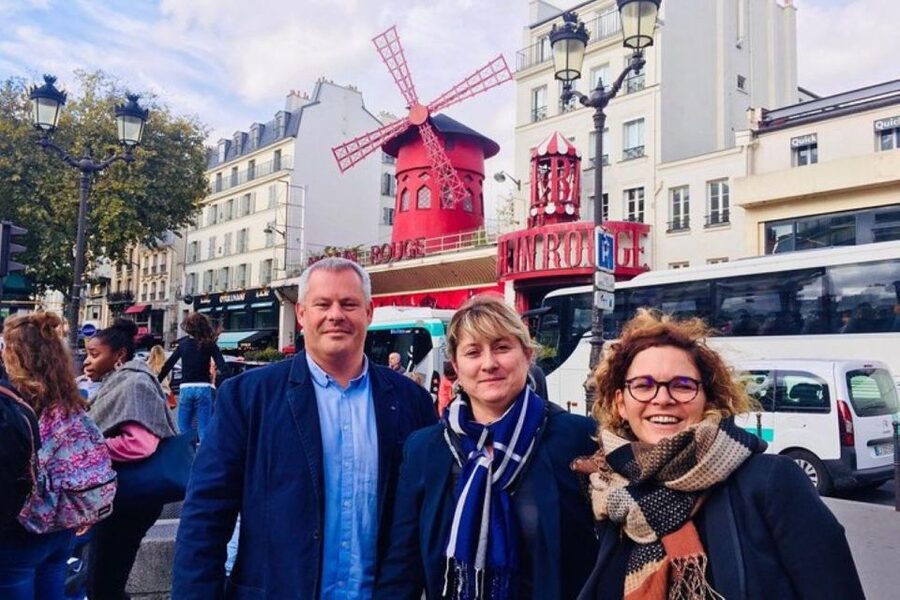
Next comes Moulin Rouge, which is a quick hit of Paris nightlife imagery. You do not need to know every detail of the cabaret story to enjoy seeing the area from the road and placing it on your mental map.
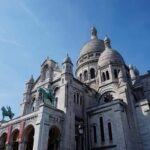
Then the route turns toward Montmartre and the spiritual, hilltop mood of Sacré-Cœur. This is one of the most useful stops on a short tour because the views and the architecture are a strong reminder that Paris is not flat, and neighborhoods shift character as you climb.
If you have mobility limits or you simply do not want to commit to lots of stairs, this format is a smart compromise. You get the Montmartre moment without turning your day into a long workout.
One practical tip: if you care about getting a “wow” Sacré-Cœur photo, give the driver and guide a quick heads-up before the stop so they can position the tuk-tuk for easier picture-taking.
Opéra Garnier, Place Vendôme, and the Louvre carousel
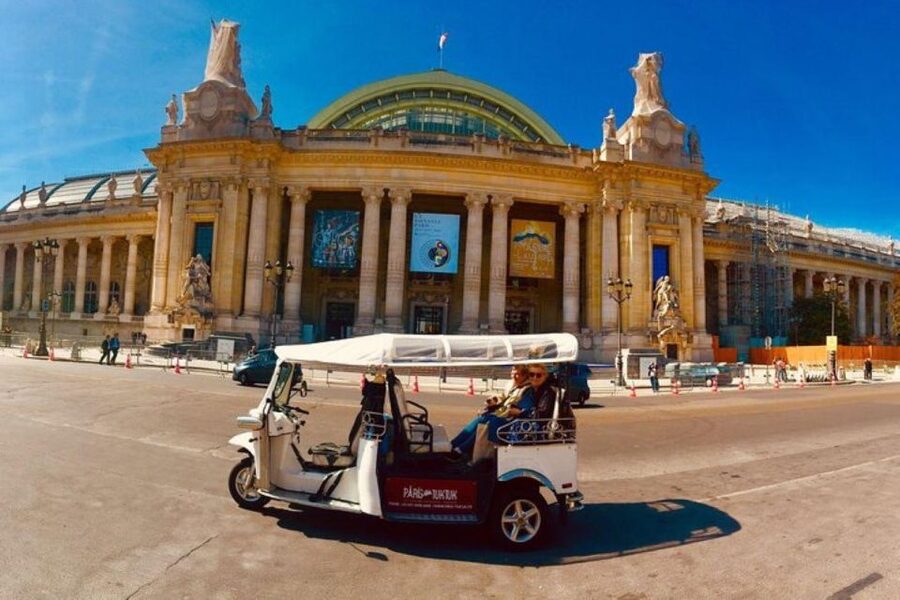
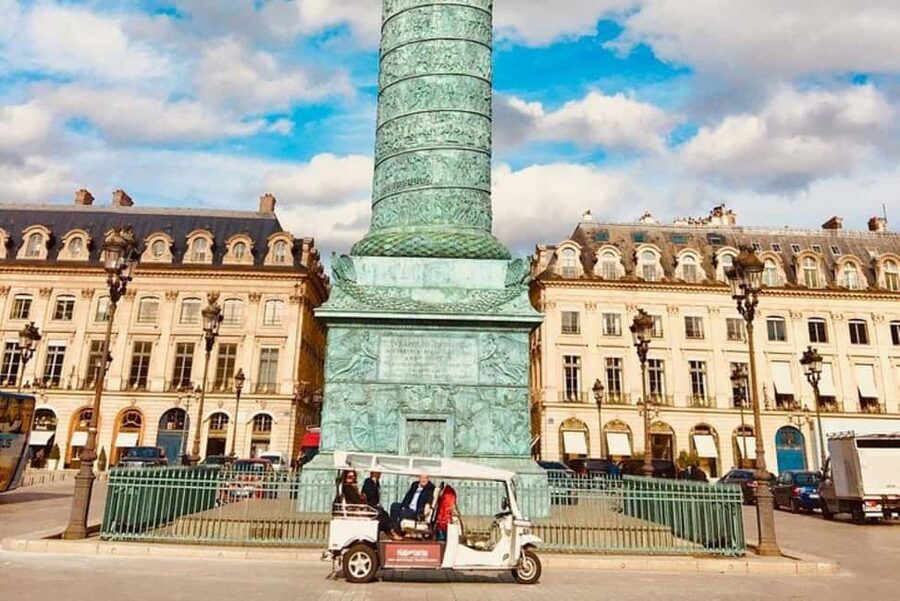
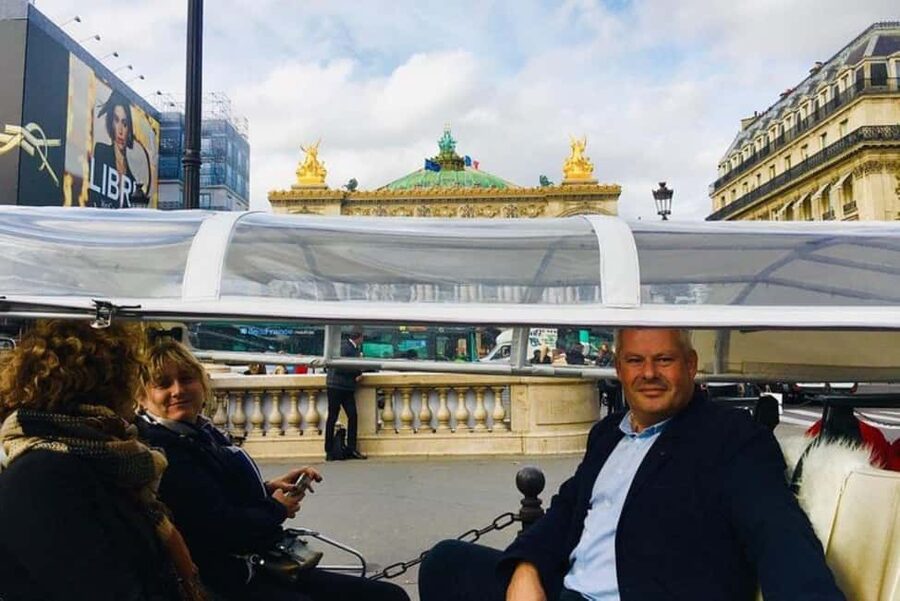
After Montmartre, the tour pivots into more formal Paris: Opéra Garnier and Place Vendôme. These stops matter because they show you the contrast between the art crowds and the polished, symmetrical grandeur of the center.
Then you get to the Louvre carousel. That sounds like a small detail, but it is exactly the kind of thing that helps your trip feel real. The Louvre is often discussed as an institution, yet in the streets around it you feel how Paris life keeps moving, shopping, and playing alongside the museum reputation.
The benefit here is that you are seeing how Paris stitches its landmarks into daily streets. You are not only collecting famous names, you are learning how they sit together geographically.
If you want the best photos, bring your patience for timing. In central Paris, roads and crossings can slow things down, and the tour stays on schedule by being efficient at each stop.
Musée d’Orsay plus Petit Palais and Grand Palais areas
This tour also includes Musée d’Orsay as part of the route. Even without going inside, a quick viewing stop helps you orient yourself for a future visit. Orsay sits in a part of town where the river and bridges make the city feel connected.
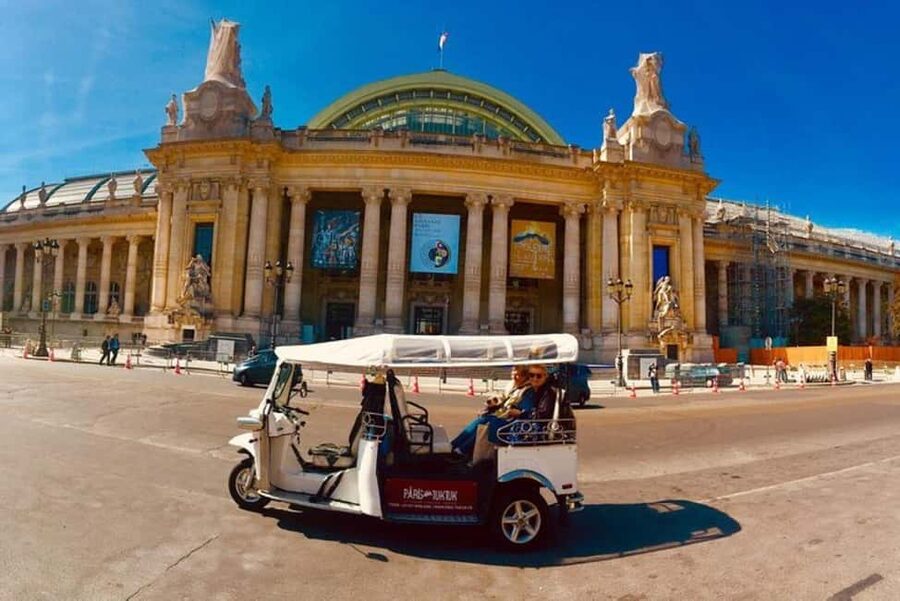
You will also pass by or visit areas associated with Petit Palais and Grand Palais. This is a great reminder that Paris is not just about museums and churches. It also celebrates architecture as an attraction, and these buildings are designed for you to notice them from street level.
What I like about this stretch is the balance: you get art museums, then you get the theatrical scale of the palace-style buildings nearby. It gives your eyes a break from only chasing one big sight at a time.
If you are an art fan, treat this as your planning tool. You can later choose which museum day you truly want, based on how the area feels when you are there in real time.


Crossing Alexandre III Bridge toward Invalides and Pantheon
One of the most satisfying transitions on this loop is crossing Alexandre III bridge. Bridges are where Paris often “clicks,” because you see viewpoints that connect two sides of the city and give you a sense of scale.
Then the route heads toward Invalides. Since the tour starts near the Dome des Invalides, this is like a second look from a new angle. It helps you confirm where you are in relation to the river and the main boulevards.
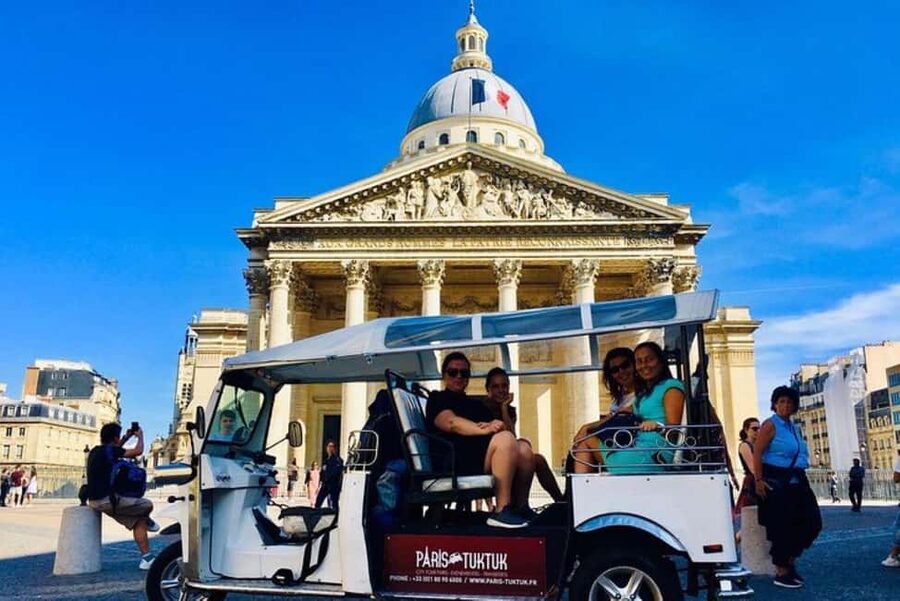
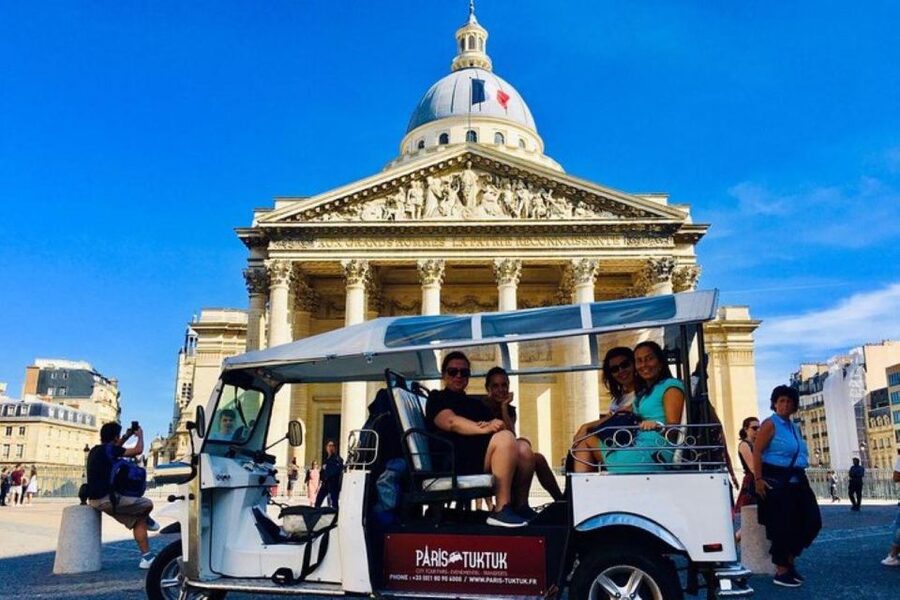
Next comes Pantheon. Even if you are not a hardcore history person, the Pantheon area gives you a strong sense of how monumental Paris became tied to ideas about the nation and remembrance.
This part of the tour works well for travelers who want a compact “greatest hits” session without committing to a full day of walking. The tuk-tuk keeps you moving, and the stop rhythm helps you keep your energy.
Notre Dame and the St Michelle fountain finish
Finally, you reach Notre Dame and then end at the St Michelle fountain. Ending near the center of things is a smart move, because you are not left stranded at a far edge of town.
Notre Dame is one of those landmarks that people expect to see, but the meaning changes depending on the approach. Watching it appear through city streets helps you place it into the rhythm of the Seine area and understand how it ties into the broader monument belt.
The St Michelle fountain finish is especially helpful if you want to keep exploring immediately. You can use the ending point to pivot into a walk, a café stop, or a museum visit on your own.
Price and value for a private group up to 6
The price is $423 per group, for up to 6 people, and the tour lasts 3 hours. That can feel high if you are solo, but it becomes very reasonable once you split it among a small group.
As a quick value check, you are effectively buying convenience: transportation across a lot of central stops, a live guide, and a tight route that reduces decision stress. You are paying to compress time, especially useful when you have a short stay.
Also, this private setup is ideal when your group wants the same thing. If everyone agrees on seeing the classics, the tuk-tuk format is efficient and keeps energy up. If your group has mixed interests, you might find it helpful to ask your guide one or two targeted questions early to steer the commentary.
The guide factor: what you should expect in English, French, or Spanish
The tour includes a live guide with French, English, and Spanish. That alone is a big plus, because it helps you read what you are seeing and not just stare at buildings.
In one praised experience, a guide named Sebastian stood out for combining strong driving with history and anecdotes. If you get someone with that style, you will likely feel like the tour explains why these places matter.
At the same time, not every ride will match that expectation. One experience described the guide as sharing very little information, leaving the group to look up details on their phones. My practical advice is simple: if you care about learning, do not wait passively. Ask about what you see at each stop, especially during the short pauses.
If you prefer less talk and more riding, you can still enjoy the route. The core value here is the monument sequence, not a museum lecture.
Who this tour suits best (and who should choose differently)
This works best for you if you want an iconic monuments overview quickly, with less walking than a typical walking tour. It is also a good choice if you have mobility concerns or you just do not want to spend a full day crossing Paris on foot.
It is also a fit if you are traveling with up to 6 people who agree on seeing major landmarks. The tuk-tuk size makes it feel like a shared outing rather than a cattle-call experience.
This may not be ideal if you want long, stop-by-stop explanations and lots of time at any one site. The schedule is tight by design, so you will get highlights, not deep museum-level coverage.
Practical tips so your 3 hours go smoothly
First, plan for pictures at the moment your guide indicates. For stops like Sacré-Cœur, Opéra Garnier, and Notre Dame, positioning and timing can make or break the photo.
Second, wear shoes you can move in, even though the tour reduces walking. Some sightseeing spots still involve short transitions, curb hopping, or getting to the best viewing angle.
Third, if you are a first-time visitor, take notes during the ride. You will likely spot a few places you want to revisit, like Musée d’Orsay or the palace areas tied to Petit Palais and Grand Palais.
Finally, bring a plan for after the tour. The end near St Michelle fountain is a strong start point, but you should decide whether you will stroll, eat, or hop into another activity so you do not lose momentum.
Should you book the Paris Grands Monuments tuk-tuk tour?
Book it if you want a fast, guided sweep of the most famous Paris sights with minimal walking, and you have a group size that makes the $423 per group pricing feel fair. It is especially compelling for first-timers who want order and orientation, not just a random set of stops.
Consider another option if you are the kind of traveler who expects very detailed, stop-by-stop storytelling and more time at fewer places. This is a route and rhythm tour, and the guide experience can vary.
FAQ
How long is the Paris tuk-tuk monuments tour?
It lasts 3 hours.
How many people can ride per tuk-tuk?
The tour is designed for 1 to 6 people per tuk-tuk.
Where do we meet for the tour?
The meeting point is Place Vauban, 75007 Paris, in front of the Dome des Invalides.
What is included in the price?
The activity includes a guided tour.
What languages are available for the live guide?
The guide is available in French, English, and Spanish.
Are food and drinks included?
No, food and drinks are not included.
More Guided Tours in Paris



More Tours in Paris

More Tour Reviews in Paris


Not for you? Here's more nearby things to do in Paris we have reviewed







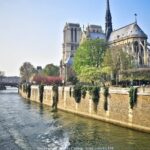


Paris City Tours, side by side.
 ★ 4.6Louvre Museum Timed-Entrance TicketTickets from $2671,977 guest reviews
 ★ 4.6Disneyland® Paris 1-Day TicketTickets from $6149,412 guest reviews
 ★ 4.6Versailles Palace and Gardens Full Access TicketTickets from $1741,579 guest reviews
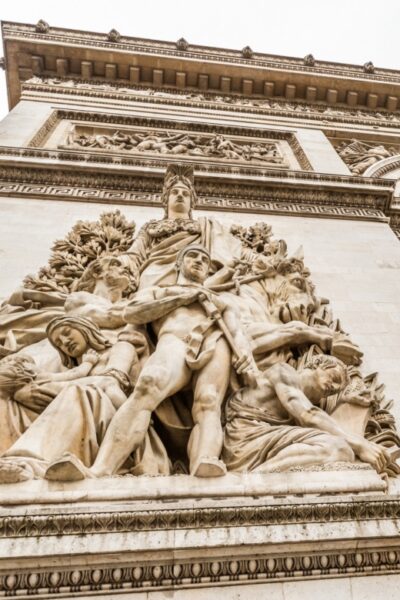 ★ 4.6Arc de Triomphe Rooftop TicketsTickets from $1834,264 guest reviews
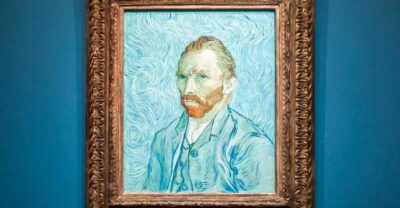 ★ 4.7Orsay Museum Entry TicketTickets from $1525,647 guest reviews
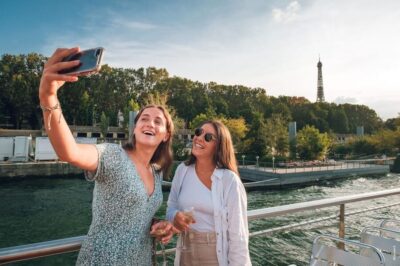 ★ 4.4Evening River Cruise with MusicTickets from $2722,721 guest reviews
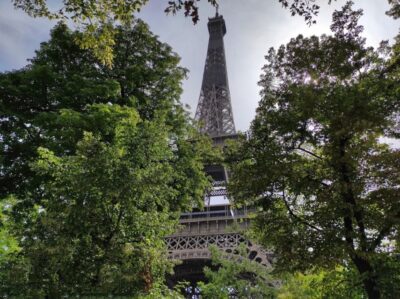 ★ 4.4Eiffel Tower Entry Ticket with Optional Summit AccessTickets from $2920,035 guest reviews
 ★ 4.3Eiffel Tower Summit or Second Floor AccessTickets from $5917,248 guest reviews
This tour also belongs to