
Review · MONTMARTRE TOURS
Paris: Montmartre Walking Tour with Sacré-Cœur Basilica
Montmartre feels like Paris with the volume turned up, and this route hits the big-name spots plus the side streets in smart order. I like that it starts right at Blanche Metro near Moulin Rouge, then keeps feeding you art-world landmarks like Van Gogh’s house and La Bateau-Lavoir. One thing to keep in mind: the neighborhood involves some uphill walking, so comfortable shoes really matter.
You also get a very practical finale. The guide brings you to the Sacré-Cœur area, then you explore the church on your own, which is perfect if you want time to wander at your own pace and still catch the views.
Key highlights worth your time
- Moulin Rouge first, then the calm of Montmartre for a strong start without rushing
- Van Gogh’s house and I Love You Wall as quick, high-impact stops
- La Bateau-Lavoir for a behind-the-scenes feel of the artists’ gathering spot
- Clos Montmartre vineyard and Lapin Agile Cabaret for Montmartre flavor beyond postcard sights
- Photo stop at Place Dalida for a meaningful, specific tribute point
- Sacré-Cœur finish with self-guided church time so you can move when you want
The Montmartre route: why it works in 2 hours
This tour is built for people who want Montmartre without spending half a day getting lost in it. At only 2 hours, the itinerary stays tight: you pass by major landmarks, you get a handful of stops where you can actually look around, and you end at the place most people come for, Sacré-Cœur.
What I like is the sequencing. It starts at the Moulin Rouge end of Montmartre, where the neighborhood energy is unmistakable, then moves you through artist streets and smaller corners. You get both the famous images you already recognize and the “wait, that’s still here?” details, like the still-producing Clos Montmartre vineyard.
The only real catch is physical. Montmartre is not flat, so expect hills. If you have limited stamina, you’ll want to go slow and take advantage of any moment you’re offered to pause.
You can also read our reviews of more walking tours in Paris



Meeting at Blanche: quick orientation, right by Moulin Rouge
You meet at in front of Blanche Metro Station, Line 2, at street level, with the guide holding a flag with The Perfect Vacation logo. That matters more than it sounds. When a tour starts near a big landmark, you avoid the stress of figuring out where to stand.
From there, the tour gives you a short pass by Moulin Rouge. You do not need a long visit to get the idea of why this area is famous. Even a quick look helps you set the context for what comes next: Montmartre’s mix of entertainment, glamour, and art.
This is also a good point for planning your expectations. You’ll be walking. You’ll see some things from the street, and you’ll have a few moments to stop and look. If you go in ready for that rhythm, the whole tour feels smooth.
Moulin Rouge to the Wall of Love: instant mood shift
After the quick Moulin Rouge moment, you head toward one of Montmartre’s most stop-and-smile landmarks: Le Mur des Je t’aime, the I Love You Wall. The tour keeps this as a pass by stop, about 10 minutes, which is plenty. The wall is visually strong, so you can get photos without needing hours.
Why it works: you get a sudden change from cabaret spectacle to something sincere and playful. It’s also a rare sight where people of different ages tend to react the same way. Even if you don’t plan to read everything, the idea lands fast. I like that.
Tip for photos: aim for a couple of angles rather than one. The wall is designed to be read up close, but you’ll get better city context when you step back briefly. And since you’re outdoors, keep your phone secure when the crowd thickens around photo moments.
Van Gogh’s house and the artist streets you can actually walk
Next comes one of the tour’s practical wins: it visits Van Gogh’s house. Seeing it on foot is the difference between knowing a name and understanding the scale of the streets that shaped the artist’s world.
The itinerary also passes key movie-familiar territory, including Café des Deux Moulins, associated with Amélie, and then continues along lively streets like Rue Lepic. You may not need the film connection to enjoy it, but it gives you an easy mental hook. Montmartre is full of recognizable frames, and these streets help you place them in real distance.
A possible drawback is timing. Because the tour is only 2 hours, you might not linger as long as you’d like at every single storefront or corner. If you’re the type who wants a slow, deep look at every detail, you might supplement with a self-guided walk afterward.
La Bateau-Lavoir: where creativity met in plain sight
Then you reach La Bateau-Lavoir, an historic artists’ studio where creatives like Picasso once gathered. This is the kind of stop that feels especially meaningful when it’s not rushed. Even if you spend a short time there, it gives you the reason Montmartre kept attracting artists year after year.
What you get from a location like this, beyond the headline name, is a sense of how artistic communities actually formed. Studios were often close together. People shared energy, gossip, and ideas, and those clusters are what make a neighborhood matter.
If you want to maximize this stop, don’t just scan for famous names. Look at the context around the studio. Even from outside, you can see how walkable the area is and why it became a magnet for artists.






Dalida at Place Dalida: a specific tribute point, not just a name
The tour includes a visit to the house of French icon Dalida plus a photo stop at Place Dalida, a picturesque square named in her honor. I like this kind of inclusion because it adds local personality. Montmartre is famous for artists, but it also belongs to performers and cultural figures who became part of the neighborhood’s identity.
This stop also helps you pace the walk. After earlier artist-focused sites, Dalida gives you a different kind of connection: pop culture and French music history, tied to one recognizable location.
Practical note: since it’s a photo stop, you’ll want to have your timing ready. Keep your camera handy and your spot in mind, because these squares can get crowded when the tour groups overlap.
Moulin de la Galette and La Maison Rose: the postcard vibe with context
Next you pass by Moulin de la Galette, a windmill that once served as a popular dance hall. It’s a landmark everyone recognizes. The value here is that the tour places it in Montmartre’s social life, not just its skyline looks.
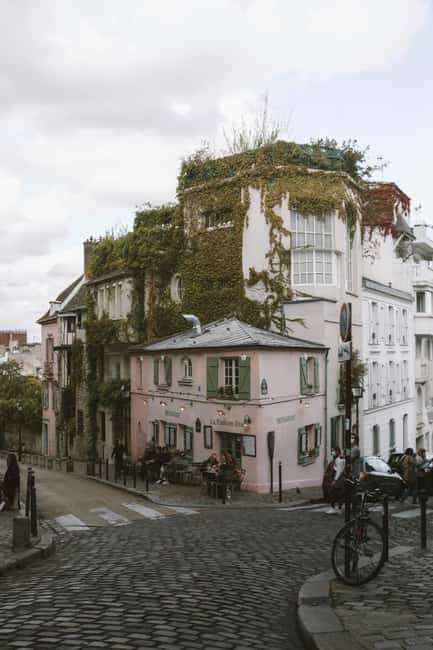
Then you stroll by La Maison Rose, a pastel-pink café often associated with local artists and artistic painting. This is the kind of stop where you can enjoy the color and the atmosphere even if you do not plan to eat.
A small consideration: you are not getting a meal included. Meals and drinks are not part of the tour. That’s fine, but it means you’ll want a plan for food afterward, especially because Montmartre can stretch out your appetite and your walking.
If you’re taking photos, try to shoot around the café entrance area rather than straight-on. The street angle often gives you both the sign and the Montmartre curve in one frame.
Clos Montmartre vineyard and Lapin Agile: Montmartre that still feels old
Now you get one of the most distinctly Montmartre touches: Clos Montmartre, the secret vineyard of the area, still producing wine in the heart of Paris. Even if you’re not a wine person, it’s a great reminder that this neighborhood isn’t only about art galleries and cafés. It’s also agriculture tucked into the city.
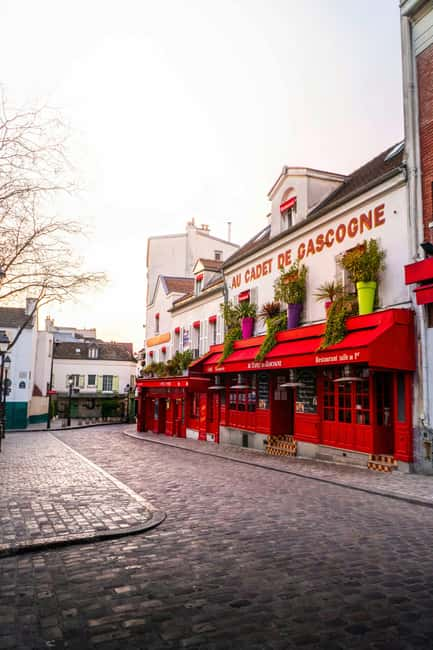
After that, you visit Lapin Agile Cabaret, one of the last traditional Montmartre nightlife spots. This is where the tour earns its place as more than just a checklist. Cabaret is part of the Montmartre story, and Lapin Agile is tied to that long-running vibe.
If you’re hoping for a long sit-down experience inside, manage expectations. The tour is structured around short visits and pass-bys to fit everything into the time window. Use Lapin Agile for what it is: atmosphere and place, not a full evening.
Also note the tour rules: alcohol and drugs are not allowed, and audio recording is not allowed. If you like recording walking tours for later, you’ll need to skip audio and rely on photos or notes instead.
Place du Tertre and the Sacré-Cœur finish: two very different endings
The tour ends at Place du Tertre, where artists still gather to sell their work. This area can feel busy, and it’s a fun final stop because it’s creative commerce in real time. Even if you’re not buying anything, you’ll get the feel of Montmartre as a living art marketplace, not a museum.
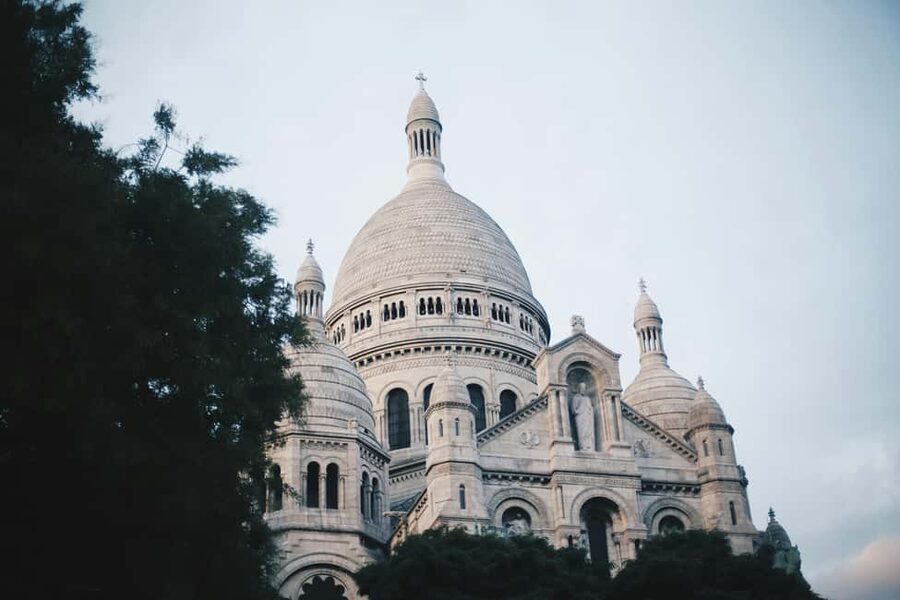
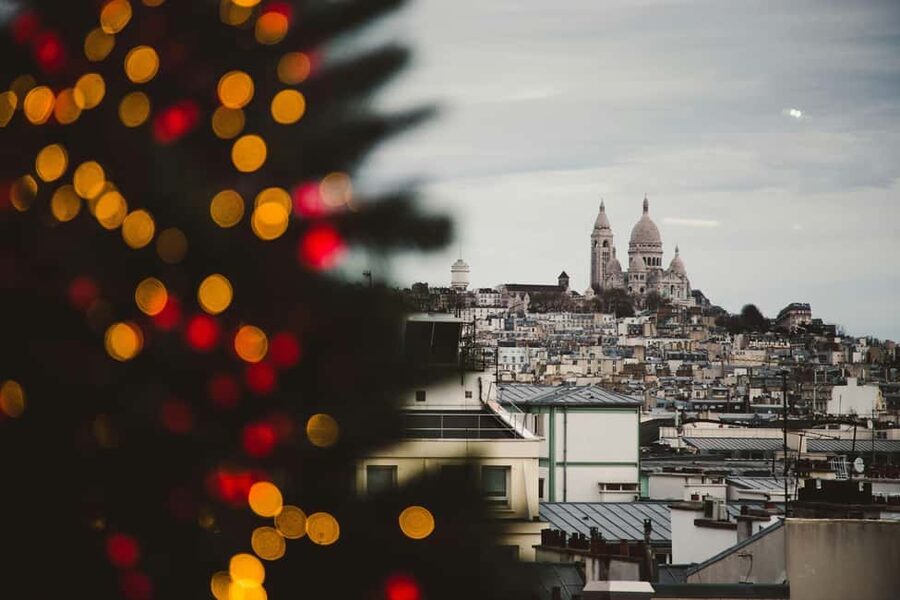
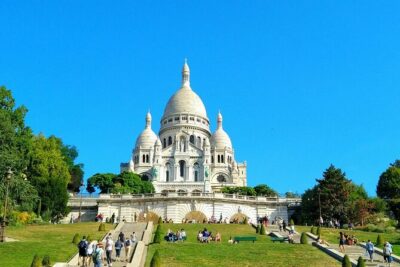
Then you reach Sacré-Cœur Basilica. Here’s the key detail: the guide will drop you at Sacré-Cœur and will not accompany you inside. That’s actually a smart design. It gives you time to explore the church and move at your own pace while still enjoying the views from the surrounding area.
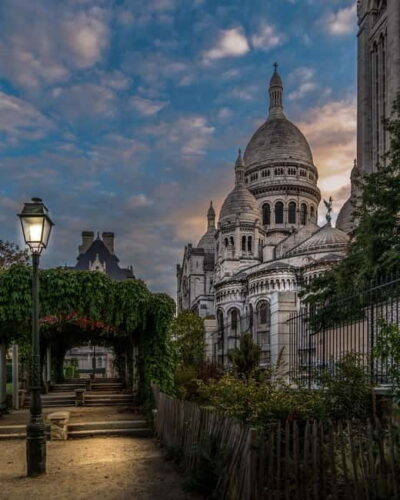
Plan your timing for the light. The views from Sacré-Cœur are the reason many people come here. If clouds roll in, you might get dramatic city layers. If it’s sunny, you’ll want to spend a little extra time looking for long sightlines across Paris.
And yes, it can be crowded, so if you want calm moments, look for side paths and less obvious angles once you’re inside the broader area.
Price and time: is $46 for a Montmartre walk worth it?
At $46 per person for about 2 hours, the value depends on how you like to travel.
If you want structure, this is a good deal. You get a guided route that connects major icons with specific cultural stops: Van Gogh’s house, I Love You Wall, La Bateau-Lavoir, Dalida’s connection, and Clos Montmartre. That’s a lot for a short time, especially in a neighborhood where self-guided wandering can turn into guesswork.
If you already know Montmartre well and mainly want a long, slow hangout, you might feel the time pressure. Because the tour uses pass-by segments, you do not get equal time everywhere. But for most first-timers, the tradeoff works: you see enough to understand the neighborhood fast, then you can return later with a clearer plan.
Also keep in mind what’s not included. Meals and drinks are not included, so budget for a snack or a late lunch after you finish.
Guide quality: what to expect from Perkin and Pierre
The tour’s guide makes a real difference in Montmartre, because the streets look similar until someone gives you context. In the experiences associated with this tour, guides like Perkin and Pierre get mentioned for strong general knowledge and keeping the visit interesting.
That aligns with what you’ll want here. You’re seeing specific places, but the real value comes from understanding why they matter. If your guide helps connect Van Gogh, the artists’ studio scene, and Montmartre nightlife into one story, the entire route clicks.
Who this tour suits best (and who should skip it)
This tour is a strong fit if you want:
- A 2-hour Montmartre introduction with guided stops
- A walk that hits famous names like Moulin Rouge and Sacré-Cœur without taking over your whole day
- A mix of art, pop culture, and neighborhood character, including Clos Montmartre and Lapin Agile
It may not be your best match if:
- You dislike uphill walking or you need lots of long breaks
- You want extended time inside major sights, since the guide drops you at Sacré-Cœur and does not accompany you inside
- You need audio recording, since audio recording is not allowed
- You have limitations related to the provided age guidance. This experience is noted as not suitable for people over 95 years.
Should you book this Montmartre tour?
I’d book it if you’re short on time and you want a coherent Montmartre route that mixes the famous and the specific. The big wins are the Van Gogh’s house visit, the I Love You Wall stop, the artist-focused La Bateau-Lavoir, the cultural inclusion of Dalida, and the genuinely Montmartre details like Clos Montmartre and Lapin Agile.
I wouldn’t book it if you want a slow, totally unstructured wandering day, or if you’re uncomfortable with hills. In that case, you might enjoy a self-guided walk after doing some basic planning.
Overall, this is a practical way to get Montmartre context fast, then use the rest of your time in Paris with less guesswork.
FAQ
Where do I meet for the tour?
You meet in front of Blanche Metro Station, Line 2. The guide will have a flag with The Perfect Vacation logo.
How long is the tour, and what’s the overall flow?
The tour lasts 2 hours. It starts near Moulin Rouge, then you move through Montmartre stops, and the tour finishes at Sacré-Cœur Basilica.
Does the guide go inside Sacré-Cœur with you?
No. The guide will drop you at Sacré-Cœur, and will not accompany you inside. You’ll have time to explore on your own.
Is the tour guided in English?
Yes, the live tour guide speaks English.
What sights are included besides Sacré-Cœur?
The tour includes stops and visits such as Van Gogh’s house, the I Love You Wall, La Bateau-Lavoir, Place Dalida (photo stop), Moulin de la Galette, La Maison Rose, Clos Montmartre, Lapin Agile Cabaret, and Place du Tertre.
What’s not included in the price?
Meals and drinks are not included.
Are there any restrictions during the tour?
Yes. Alcohol and drugs are not allowed, and audio recording is not allowed.
More Walking Tours in Paris



More Tours in Paris





More Tour Reviews in Paris



Not for you? Here's more nearby things to do in Paris we have reviewed












Montmartre Tours, side by side.
 ★ 5.0Montmartre Hidden Gems and Scenic Highlights Walking TourTickets from $382,684 guest reviews
 ★ 5.0Montmartre Hill French Gourmet Food and Wine Tasting Walking TourTickets from $1452,588 guest reviews
 ★ 4.8Montmartre Cheese, Wine & Pastry Guided Walking TourTickets from $1272,255 guest reviews
 ★ 4.9Montmartre Highlights Walking Tour with a Local GuideTickets from $341,668 guest reviews
 ★ 4.1Sacré-Coeur and Montmartre Tour with Expert GuideTickets from $281,027 guest reviews
 ★ 5.0Private Montmartre Food Tour with Wine, Cheese & PastriesTickets from $3021,027 guest reviews
 ★ 5.0Paris Montmartre Food Tour – A Full French Meal by Do Eat BetterTickets from $95877 guest reviews
 ★ 5.0Hidden Montmartre: Paris’ Secret Streets Walking TourTickets from $44809 guest reviews
This tour also belongs to