
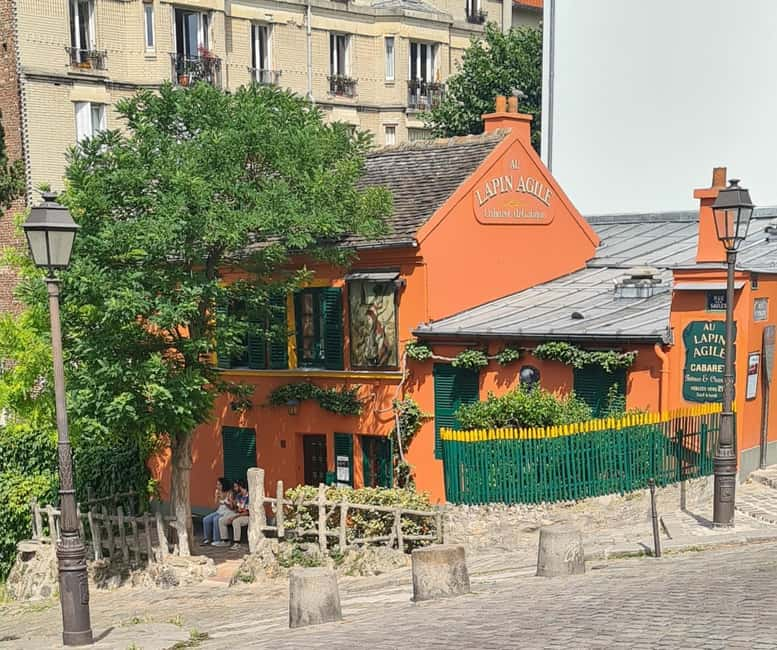
Review · MONTMARTRE TOURS
Paris: Montmartre Drawing tour with a local artist
Montmartre looks different with a pencil in hand. What I like most is the small-group drawing workshop pace, and that you leave with a take-home sketchbook full of your own work. The one possible drawback is that the instruction can feel a bit focused on technique, so if you want pure, no-structure doodling, you may feel nudged more than you expect.
You meet at Place des Abbesses, grab your sketchbook and materials, then walk the hill with a trainer who adapts to your level. That mix of street wandering plus hands-on exercises is exactly what makes it more fun than a standard sightseeing loop.
One other thing to weigh: the tour is not suitable for wheelchair users. If you can handle uneven sidewalks and some hilly walking, the rest is very doable.
Key things you will love about this Montmartre sketching tour
- Sketchbook plus materials included, with pencils, markers, and watercolor to try new styles
- Foldable stool on tap, which makes sketching stops more comfortable and longer-lasting
- A small group (up to 10), so you get individualized guidance instead of one-size-fits-all corrections
- Montmartre landmarks and quieter corners, from vineyards to Sacré-Coeur and art spots like Bateau Lavoir
- Weather-proof plan, with indoor drawing in a cozy cafe when conditions turn cold or rainy
- Guidance in English and French, with smooth switching when the group uses both languages
How a Montmartre drawing tour changes what you notice
Most Montmartre tours show you the view. This one gets you to use the view. The difference is subtle, but it’s powerful. Instead of only taking photos, you spend time observing shapes, edges, angles, and light long enough to understand why artists loved this neighborhood.
The workshop format matters too. You’re not just handed a route and told to sketch at will. You get drawing exercises and creative prompts built into the walk. That keeps momentum high even if you do not consider yourself artistic.
And because the group stays small, you’re not stuck waiting for help. The format is designed so you can get advice when you want it, then put it into practice immediately on the next stop.
You can also read our reviews of more tours and experiences in Paris.


Where you start at Place des Abbesses (and why that location helps)
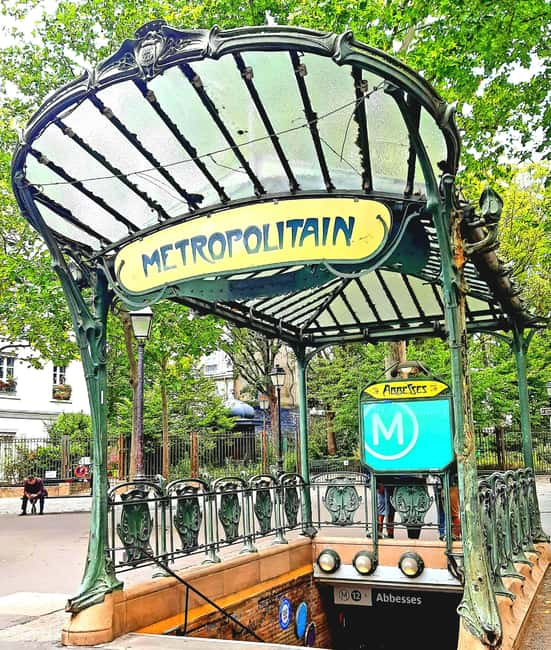
Your meeting point is just in front of the entrance of metro line 12, at the Place des Abbesses area. That’s a practical win: it’s easy to reach, and it drops you right into the Montmartre rhythm without a complicated transfer.
You’ll be welcomed personally, and a sketchbook is offered as part of the start. That matters more than it sounds. Having the book from minute one helps you settle quickly and stop spending time thinking about supplies. Once you begin drawing early, the whole day feels more fluid.
Also, the tour duration is 3 hours. That is long enough to learn something and produce a couple of real pages, but short enough to keep energy up on a hill walk.
What you get for the workshop: sketchbook, stool, and a real art kit
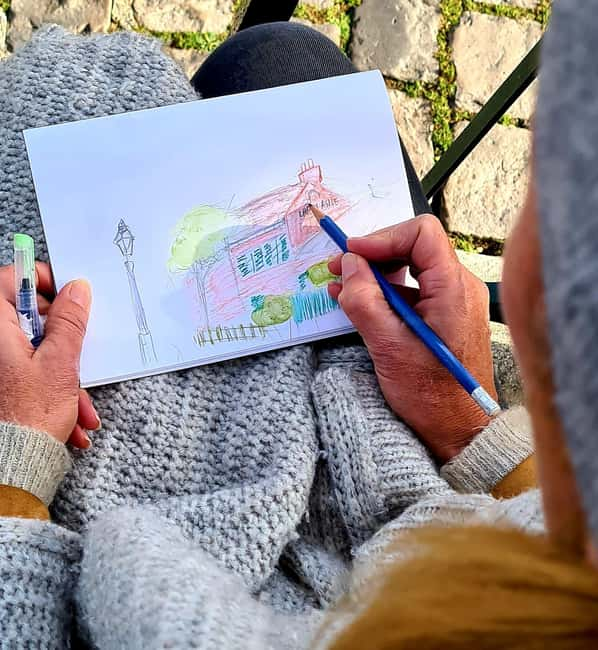
Included in the price are:
- sketchbook for each participant
- drawing materials loaned during the workshop
- foldable stool for each participant
You do not need to pack anything fancy. You’ll have pencils, markers, and watercolor, which is a smart mix for a first sketching day. Pencils help you build structure. Markers make confident line work easier, and watercolor lets you experiment with color and atmosphere without needing complicated technique.
The foldable stool is a quiet hero. Montmartre has spots where you might want to sit, frame a scene, and take your time. Having a stool makes those stops feel intentional instead of like you’re rushing to finish before your legs complain.
If you like learning by doing, this setup is the right kind of structured. You try the materials as you go, not in a separate classroom. That keeps it grounded in real streets and real sightlines.
The Montmartre walk: what the stops are really for
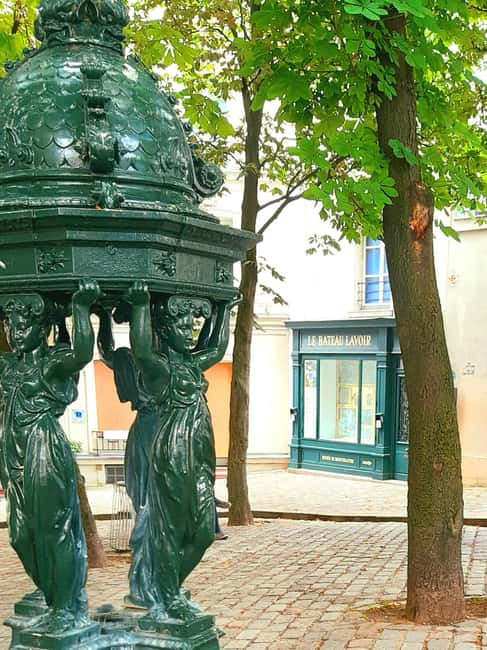
This tour is built around a series of art-focused checkpoints, not just postcard stops. Each location gives you something different to practice, and the route helps you cover classic Montmartre without feeling like you’re only stuck in the busiest lanes.
Beginning with “figure it out” time near the start
After meeting at Place des Abbesses, you begin with a warm-up that sets the tone. Even if you are a beginner, the goal is not to produce a masterpiece. The goal is to learn how to see: where your lines start, how to place major shapes, and how to simplify what you see into something drawable.
This is also when you’ll receive advice tailored to your level. That individualized approach is a major part of why the experience gets strong ratings. Some guides focus on the idea of drawing as creativity, not judgment.



Vineyards of Montmartre: learning depth without over-detailing
The route passes by the vineyards of Montmartre. This is a great practice zone because it gives you layers of texture and distance. Vineyards also teach you a useful drawing habit: capturing direction and rhythm before obsessing over every plant.
If you want a scene that looks impressive even when your drawing is simple, vineyards are a good bet. You can suggest rows and slopes with fewer marks and still communicate the place.
A drawback to watch for: if you hate being asked to follow exercises, the vineyard segment may feel like “work.” But it’s also one of the best parts for learning how to draw outdoors efficiently.
Sacré-Cœur: practicing big shapes and light
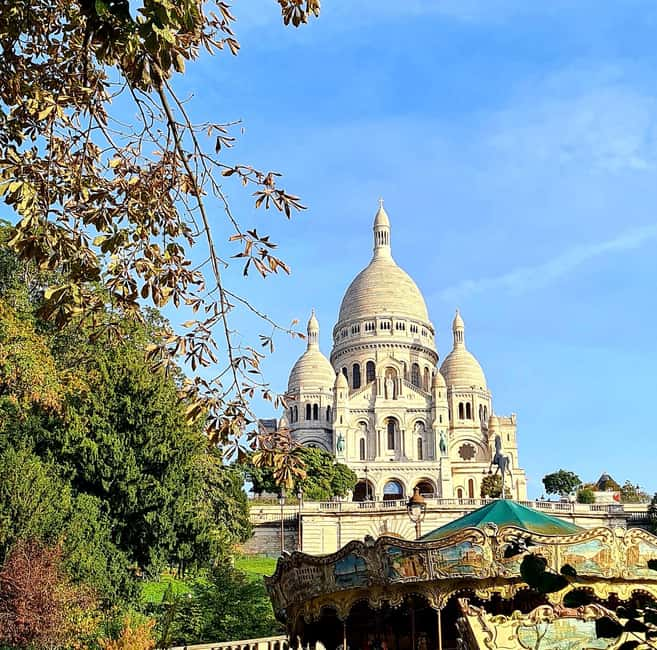
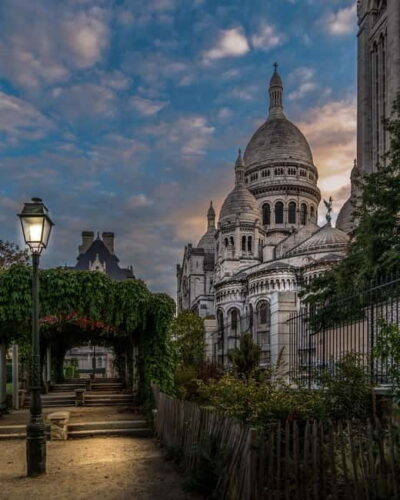
You’ll also pass by Sacré-Cœur. This stop is naturally dramatic, so it’s ideal for learning the difference between drawing outlines and drawing form.
Sacré-Cœur also gives you light to deal with. Depending on the day, the brightness can be intense, which challenges you to simplify highlights and mid-tones. With pencil and watercolor available, you can practice either a line-first approach or a color-first approach.
This is where technique can come up. One piece of feedback noted that the instruction can be more about correcting technique than letting people freely draw whatever they want. If you are the type who prefers open-ended sketching, you can still keep control by choosing your own level of detail and what you prioritize (overall shape, perspective, or color washes).
Bateau Lavoir: art history without the museum vibe
The walk includes the Bateau Lavoir artist studio area. That’s a strong choice because it ties drawing to the neighborhood’s real creative legacy. You’re not just looking at buildings, you’re drawing with context in mind.
You’ll hear anecdotes about the artists associated with Montmartre as you go. That storytelling helps your sketching feel less random. Suddenly, a corner or façade becomes more than scenery, it becomes part of a longer artistic story.
Moulin de la Galette: a fun, practical sketching challenge
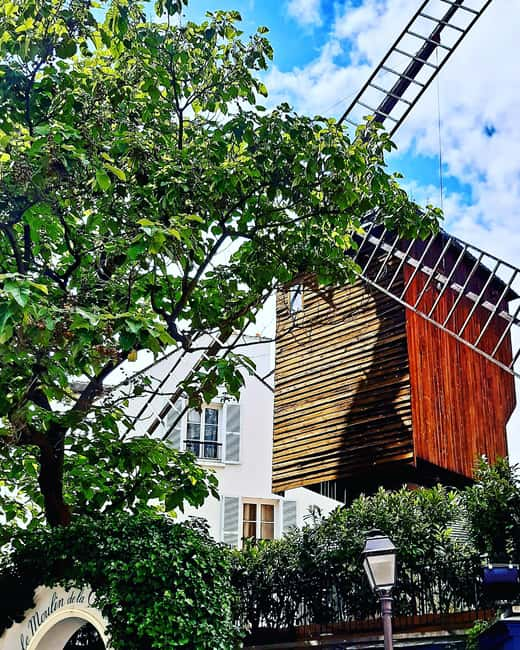
You’ll pass by the Moulin de la Galette area too. This kind of spot is ideal for learning how to draw a landmark while still keeping your sketch readable.
Windmills and crowds are not easy. That makes them great practice. You learn to pick what to include: maybe the main structure and a few cue lines for the rest, instead of trying to copy everything you see.
The best value here is that you leave with a page that feels like it belongs in your trip. Even if your drawing is imperfect, it will be uniquely yours because you made the decisions on what to keep.
How the guide handles different drawing levels (and why it matters)
One of the most praised parts of this experience is the guide style: supportive, kind, and non-judgmental. People also appreciated that the guidance can include feedback when asked, without taking over your page.
That matters because drawing tours can go two ways:
1) The guide teaches, but you still control your drawing
2) The guide fixes your drawing constantly, which can kill the fun
The best moments in this kind of tour are usually the first type. And the feedback for this one strongly points toward a gentle teaching approach. Still, it is worth recognizing that one person felt the guide leaned too hard into technique. So if you’re sensitive to correction, expect that you’ll get instruction, but you can steer how much of it you apply.
A practical tip for you: choose your goal before the tour starts. If your goal is fun and memory, tell yourself you only need to capture the big idea. If your goal is improvement, accept the coaching and apply it for one specific skill that day, like proportions or watercolor washes.
Weather plans that save the day, literally
Montmartre outdoors can be unpredictable, especially in colder months. This tour runs in any weather. If rain or cold hits, drawing activities shift into a cozy cafe along the route.
That’s not just a “backup plan.” It protects the experience value. A sketching day loses its magic if it gets canceled or shortened because of weather. Here, the structure stays intact, and you still get to work with your materials.
Also, the weather plan helps your confidence. You are less likely to freeze up worrying about whether you can actually finish a page. You can focus on drawing.
Small group pacing, English and French guidance, and the real vibe
The group is limited to 10 participants. That size is big enough for a lively atmosphere and small enough for real attention.
The instructor speaks English and French. In mixed-language groups, you may notice the guide switching between languages. The practical benefit is that you’ll still understand the drawing prompts even if your group includes French speakers too.
The vibe tends to be relaxed but purposeful. You’re walking, hearing stories, then stopping to draw. That rhythm keeps the day from becoming monotonous, and it also helps you avoid that sightseeing fatigue where everything blurs together.
Materials and technique: what you can try in 3 hours
You’ll have access to:
- pencils
- markers
- watercolor
- foldable stool
In a 3-hour window, that variety lets you experiment without feeling committed to one method all day. Many people start with pencil sketches for structure, then move to markers for emphasis, then finish with watercolor for mood.
If you want a simple strategy, try this:
- do one quick pencil outline per stop
- add a marker accent for one key feature
- use watercolor lightly, only on the most important areas
This approach keeps your sketch looking like a finished travel memory, not an unfinished science project.
What you take home: more than photos
The big included souvenir is your sketchbook. That’s meaningful because it becomes a personal record of the day’s angles, street textures, and landmarks.
Photos capture the view. Drawings capture the act of looking. Even if your page is messy, it will still feel like proof that you were there and that you engaged with the neighborhood directly.
And because the materials are loaned, you do not need to invest in a full kit before you go. You just show up with comfortable shoes and weather-appropriate clothing.
Who should book this Montmartre drawing tour
This experience is a strong fit if you want:
- a walking tour that includes real hands-on creativity
- a gentle, supportive guide who helps without being harsh
- a Montmartre route that includes both famous sights and less obvious corners like vineyards
- a take-home sketchbook souvenir rather than only photos
It is especially good for couples and friends who want to do something interactive together. It can also work well for solo travelers because the group size makes it easier to connect and ask questions.
If you want strictly “freestyle, no instruction,” you might feel constrained by exercises. And if you use a wheelchair, it is not suitable. Also, if you expect a purely art-lesson deep dive, the tour is still first a walk through Montmartre, with sketching activities built into the pace.
Quick practical tips before you go
- Wear comfortable shoes. Montmartre involves walking on uneven streets and some slopes.
- Dress for the weather. The tour runs in bad weather, and you’ll be in a cafe if it’s rainy or cold.
- Bring patience for imperfect sketches. The point is progress and play, not perfection.
- If you prefer minimal correction, focus on your own goals and choose one technique to practice instead of everything at once.
Price and value: is $93 for 3 hours fair?
At about $93 per person for a 3-hour small-group experience, the value depends on what you normally do on travel days. If your usual plan is a standard guided walk with no activities, this costs more. But you are also paying for materials, a sketchbook, stool support, and instruction in both creativity and technique.
What makes it feel fair is the inclusion list. You are not buying the art kit separately, and you’re getting guided help that turns a walk into something you can take home. For many people, that sketchbook becomes the real souvenir, which helps justify the price more than you might expect.
Also, small group size matters. You’re not in a crowd. You get the chance to ask questions and get feedback on your page without waiting forever.
Should you book this Montmartre drawing tour?
I think you should book it if you want an engaging Montmartre day that mixes landmarks, local art storytelling, and practical sketching exercises. The biggest strengths are the supportive guide approach, the included materials and sketchbook, and the smart weather plan.
Skip it if you want a hands-off, purely self-directed wandering session, or if you know you get frustrated by technique correction. This tour is built to teach you how to draw, even if you are a beginner.
If you’re on the fence, treat it like this: you’ll spend 3 hours practicing seeing differently in one of Paris’s most artistic neighborhoods. Even when your lines are imperfect, you should leave with pages that feel like real travel memories.
FAQ
How long is the Montmartre drawing tour?
The tour lasts 3 hours.
Where do I meet the guide?
Meet your guide in front of the entrance of metro station line 12.
What is included in the price?
You get a sketchbook, drawing materials loaned during the workshop, and a foldable stool for each participant.
What drawing supplies will I be able to use?
You can use pencils, markers, and watercolor. Materials are provided during the workshop.
Are there small groups?
Yes. The group is limited to 10 participants.
What languages does the instructor speak?
The instructor speaks English and French.
Does the tour run in bad weather?
Yes, the tour is maintained. If it is rainy or cold, drawing activities are done in a cozy cafe along the route.
Is the tour suitable for wheelchair users?
No, it is not suitable for wheelchair users.
What should I bring?
Wear comfortable shoes and dress appropriately for the weather.
Is transportation included to and from the activity?
No. Transportation to and from the start and end point is not included.
More Tours in Paris



More Tour Reviews in Paris
Not for you? Here's more nearby things to do in Paris we have reviewed










Montmartre Tours, side by side.
 ★ 5.0Montmartre Hidden Gems and Scenic Highlights Walking TourTickets from $382,684 guest reviews
 ★ 5.0Montmartre Hill French Gourmet Food and Wine Tasting Walking TourTickets from $1452,588 guest reviews
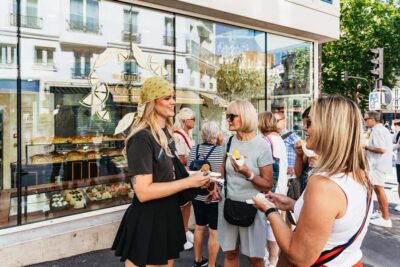 ★ 4.8Montmartre Cheese, Wine & Pastry Guided Walking TourTickets from $1272,255 guest reviews
 ★ 4.9Montmartre Highlights Walking Tour with a Local GuideTickets from $341,668 guest reviews
 ★ 5.0Private Montmartre Food Tour with Wine, Cheese & PastriesTickets from $3021,027 guest reviews
 ★ 4.1Sacré-Coeur and Montmartre Tour with Expert GuideTickets from $281,027 guest reviews
 ★ 5.0Paris Montmartre Food Tour – A Full French Meal by Do Eat BetterTickets from $95877 guest reviews
 ★ 5.0Hidden Montmartre: Paris’ Secret Streets Walking TourTickets from $44809 guest reviews
This tour also belongs to