
Review · PARIS CITY TOURS
Paris gin making workshop in English
Gin, but make it personal.
This Paris gin making workshop in English turns you into a one-day distiller in a micro-distillery tucked in the city. I love the small group feel, and I also like that you control your own botanical mix instead of following a generic script. The one thing to think about is the intensity, it is not a long sit-down tasting, you are actively making decisions and distilling, so it helps to be ready to pay attention for the full session.
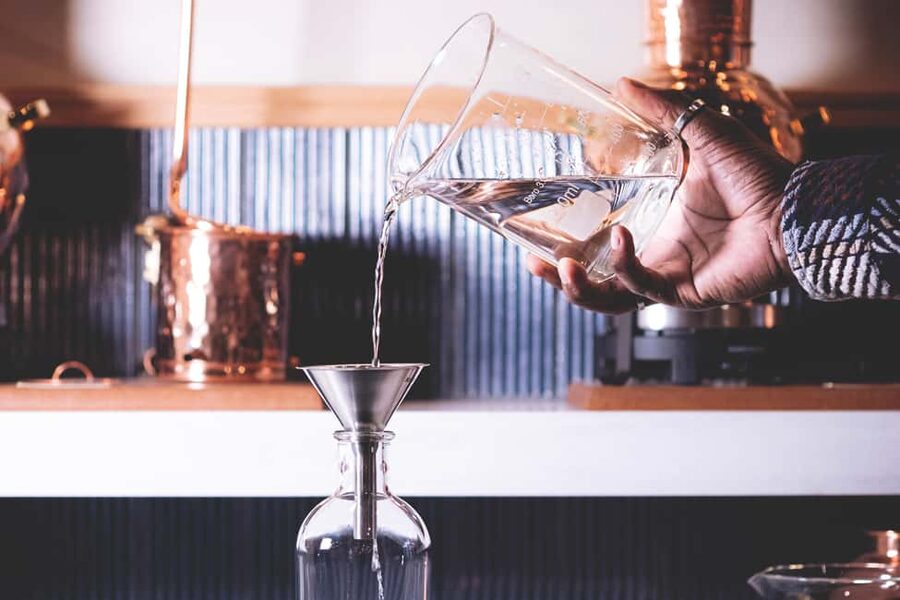
You will start with a guided look at gin history and how distillation works, then you taste different gins and learn how styles differ on the glass. After that, you pick plants, herbs, and spices for your recipe, distill them on a tiny copper pot still, and finish by bottling your own gin with a custom label.
There is real value here. For $129 per person, you get pro guidance, cocktail tastings, and you leave with a full 70cl bottle you designed yourself. Just note there is a snack, but no meals are provided, and it is not suitable for children under 18 or pregnant women.
Key highlights you’ll care about
- English-led instruction that keeps the chemistry and process clear
- Tiny copper pot still distilling, so you see how a single-pot approach behaves
- You choose the botanicals, then create a balanced recipe with guidance
- Tasting multiple gin styles, plus homemade cocktails during the workshop
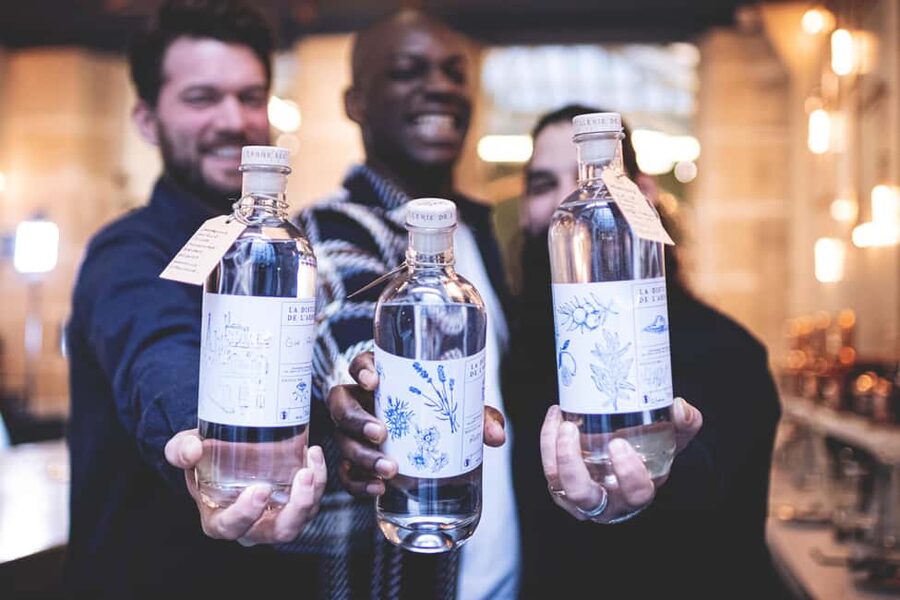
- 70cl bottle take-home with a label you customize yourself
- Limited to 8 participants, which makes it social without feeling crowded
Entering a micro-distillery scene, right inside Paris
If you like Paris, but you also like doing something that feels slightly off the tourist track, this is for you. The meeting point is at 52, and the giveaway is a huge blue door. Once you go through, walk straight to the end of the courtyard, that is where the workshop space is located.
The location matters more than you might think. Being in a micro-distillery means you are not touring a huge production plant with a distant viewing window. Instead, the size of the experience pushes you into the process. You are close enough to understand what is happening, from the botanicals to the distillation steps to the flavor outcomes.
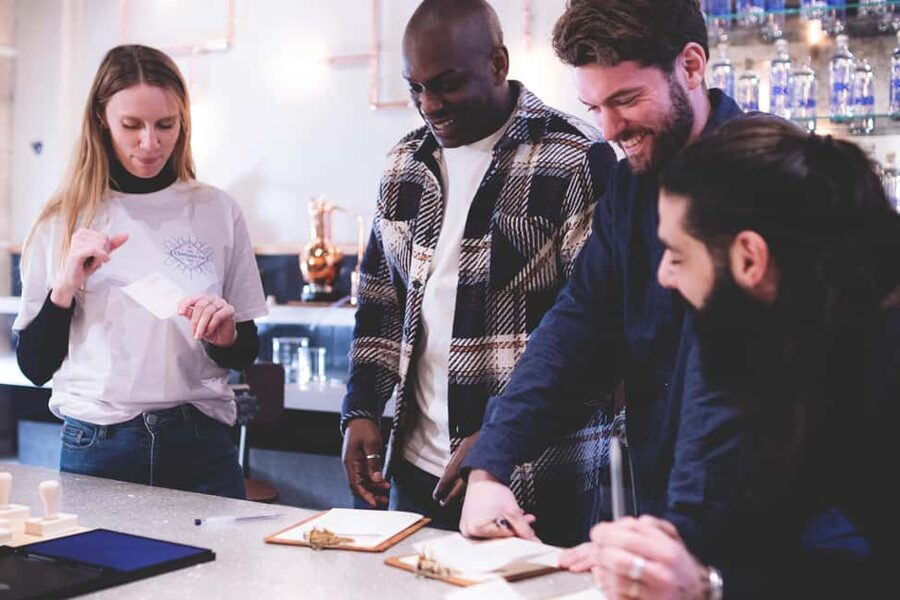
Also, the group size sets the tone. With a max of 8 participants, it is much easier to ask questions, compare ideas about botanicals, and actually talk with the person next to you while things are in progress. I find that matters for workshops, because the best part is not just watching, it is applying.
More Paris tours and experiences for the shortlist

Meet the host and learn gin styles through tasting, not lectures
The workshop is led by an English instructor, and the vibe is friendly and hands-on. One name you should watch for is Charlotte, who comes up in feedback as an excellent host who walks people through the process step by step.
You will spend time learning about gin history and the “secrets” of distillation from a pro. That matters because gin is not just a flavor, it is a system. The same base spirit can taste wildly different depending on botanical choices, the way distillation is run, and how the final product is blended or balanced.
Before you start building your bottle, you taste different gins and learn about gin styles. This tasting piece is practical, because it trains your palate before you start choosing botanicals. If you are the type who loves a certain kind of gin at a bar, this is your chance to figure out what makes it taste that way, then recreate the feeling in your own recipe.
You will also get homemade cocktail tasting as part of the experience. The point is not just to drink, it is to hear how gin changes once it is mixed. That helps when you later think about your botanicals as flavor building blocks, not just ingredients floating around a menu.
A small snack is provided, and while that helps, keep your expectations realistic. This is not a full meal event, so plan something light beforehand if you usually get hungry.
Choosing botanicals like a distiller (and how to make it fun)
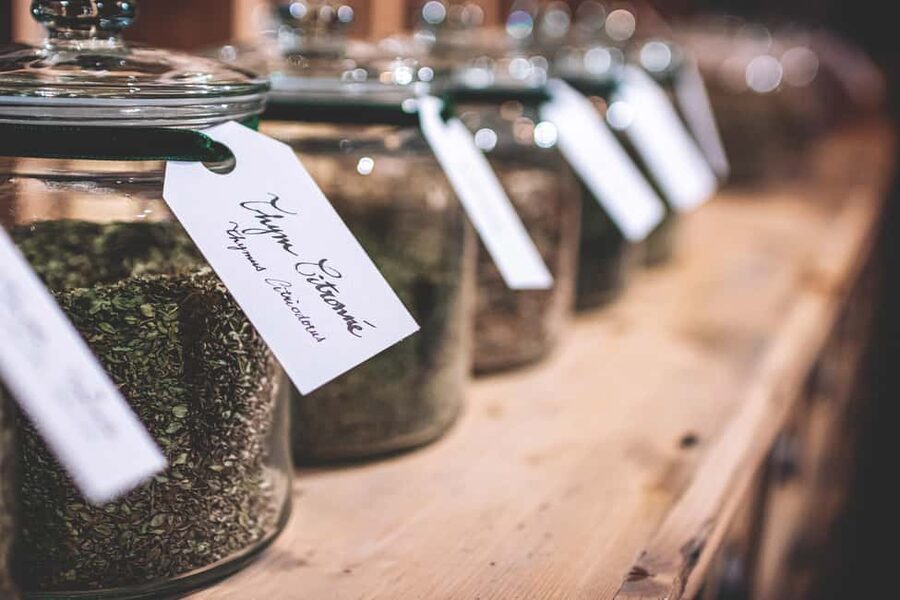
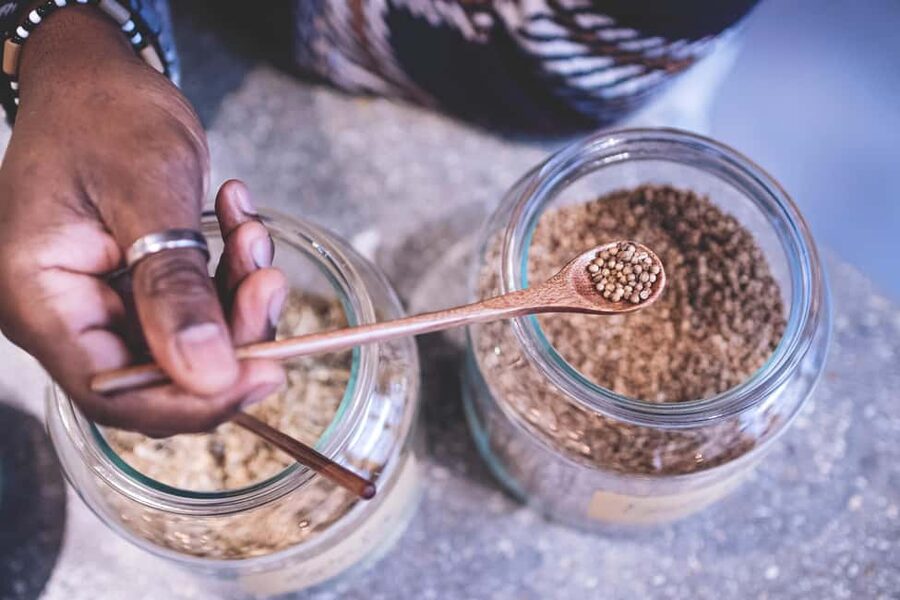
This is where you stop being a spectator. You will select plants, herbs, and spices yourself and fashion a unique recipe. Think of botanicals as your flavor palette. Some bring bright aroma, some bring spice heat, some bring sweetness, and some bring dryness that holds everything together.
If you do not know gin botanicals well, you are not stuck. The workshop is designed so you can learn what each choice might do, then use that information to guide your own mix. The tasting portion earlier helps you connect names to smells and flavors.
Here’s how I’d approach your decisions in a way that tends to make the final bottle taste more like what you expect:
- Pick at least one botanical for aroma that you love smelling
- Add one botanical that brings structure, often something that reads as spicy or herbal on the palate
- Keep balance in mind. If you go too heavy on one character, the rest can get swallowed
The feedback from people who did the workshop also points to a big botanical experience, with lots of plant options to smell and evaluate. That smell test is key, because gin is as much about aroma as it is about flavor. If you are sensitive to strong scents, take your time and breathe between samples.
Distilling on a tiny copper pot still: what it teaches you
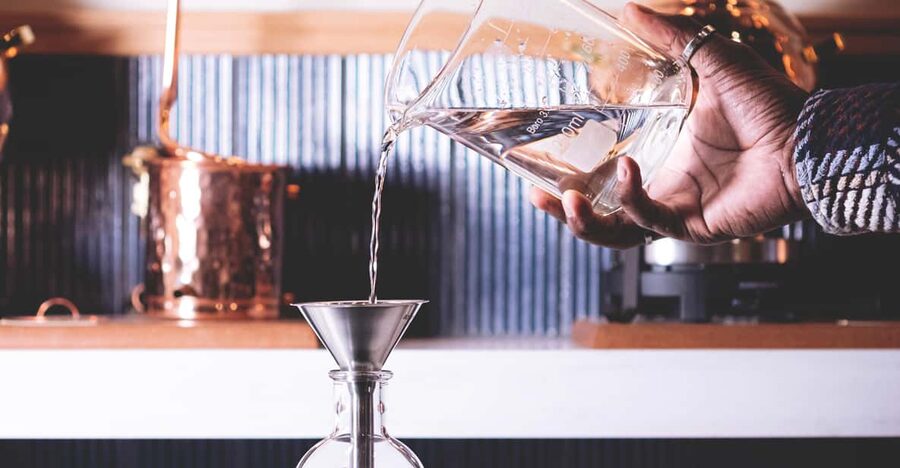
Then comes the part that feels most like a craft. You will distill your selected botanicals on a tiny copper pot still. Copper matters in distillation because it is part of how the process behaves, and you will likely get an explanation from the pro on why the equipment and method matter to the final spirit.
This is also where the workshop earns its keep. Instead of just picking ingredients and leaving, you stay for the transformation step. Distilling is not magic, but it can feel like it. The process turns a mixture into a concentrated spirit with a distinct aromatic fingerprint, and watching it happen helps you understand why “gin” is not one flavor.
Because it is single pot distilling, you get a clearer link between your botanical selection and the result. Your recipe choices should show up in the aroma and taste, even if they land a little differently than you expected. That is normal. What makes the workshop valuable is that guidance is built in, so you are not left guessing.
You will distill your own selection, and you will also be tasting along the way. That feedback loop is what turns this from a one-time souvenir into a skill you can reuse. Even if you never buy a copper still later, you walk away with a better sense of what botanicals do and how to think in proportions.
Building your balanced gin recipe, with real guidance
After tasting and after selecting botanicals, you create your own recipe. The workshop is not framed as totally DIY without support. You get input to help balance the blend, so the final result is drinkable and not just experimental.
This balance step is important. Many first-time distillers think more botanicals means better gin. In practice, gin gets complicated fast. Too many competing notes can muddy the flavor, or one loud botanical can dominate and make the spirit feel harsh or one-dimensional.
The best version of the workshop helps you avoid that. With a pro guiding you, you can aim for a profile that tastes coherent, and you can still keep your personal twist. That is the sweet spot here: personal choice with professional guardrails.
Once the distillation is done, you get more tasting of gin samples and cocktails. In one experience, people mention a small cheese plate during the distillation period. Even if you do not expect food beyond the snack, the idea is clear: the workshop is designed for sipping and sampling while you wait, not just a dry timeline.
So the sequence is not random. It is teach, taste, choose, distill, and then refine through taste again. That is how you end up with a bottle that represents your decisions.






Designing your label, then taking home a 70cl bottle
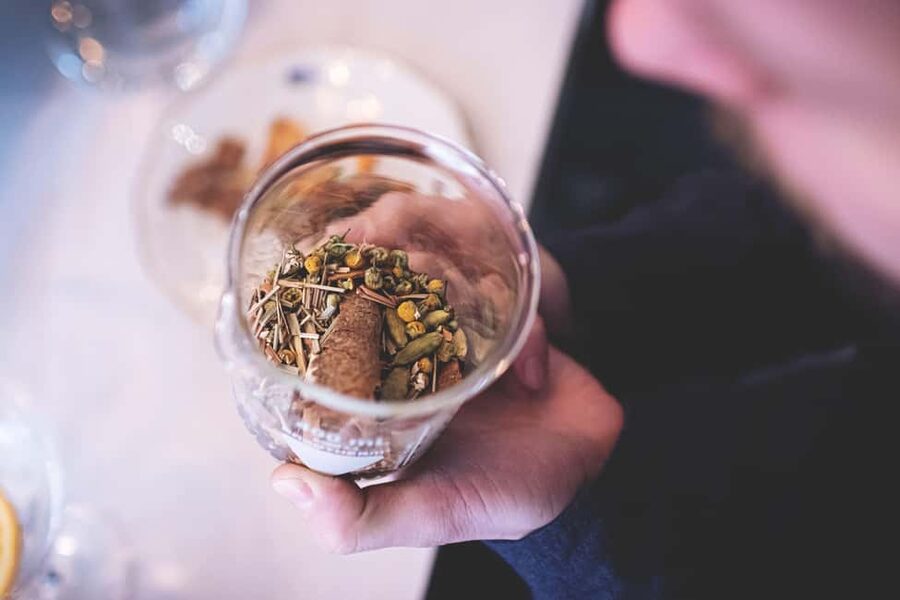
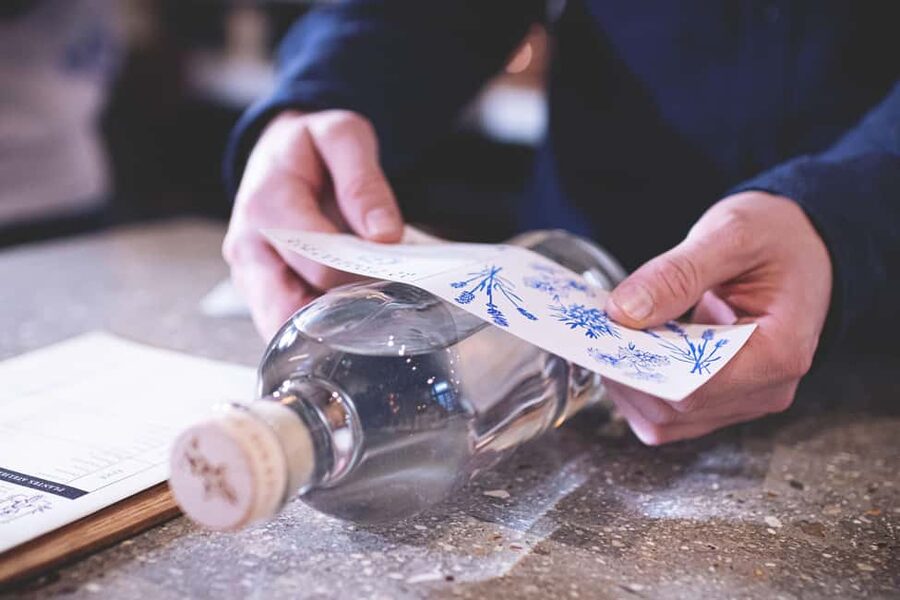
The finish line is practical and satisfying. You customize your own label, then leave with your very own 70cl bottle of gin. That is a big deal for value, because most workshops sell the experience, not the product.
Customizing the label is also a subtle part of the fun. It turns your gin from an activity into something you can store and show. It is also a great gift format if you know someone who likes spirits, and it is a more personal souvenir than a postcard.
You also get the confidence of knowing what went into your bottle. Even if you later forget exact botanical ratios, you will remember the choices you loved, and you will remember the tasting notes you compared while learning gin styles. That memory makes your bottle feel like something you created, not something that just got poured into a container.
One more practical note: you are leaving with a full 70cl bottle, so think about how you will carry it after the workshop. If you are walking around Paris afterward, plan storage so the bottle is easy to transport.
Price and value: is $129 fair for a 2 hour workshop?
At $129 per person, this is not a budget activity. But for what you get, it often feels fair, especially if you like spirits more than you like sightseeing tours.
Here is what you are paying for:
- 2 to 2.5 hours of instruction and tastings in a working micro-distillery setting
- A small group format capped at 8, which means more time with the host and fewer people competing for attention
- Guidance from professional distillers, including distillation on a tiny copper pot still
- Cocktail and gin tastings while learning gin styles
- The best part, a 70cl bottle take-home plus a custom label
The bottle and label alone are a major part of the value. If you buy gin in Paris, you can easily spend that amount on a couple of bottles. Here, you are also buying the experience of creating and learning what drives flavor.
The main drawback is time and focus. You are there for a short window, and the workshop is not meant to be a casual hangout where you can drift in and out. It is designed for participation.
Who gets the most out of it? If you are a gin lover, a curious drinker who wants to understand what you like, or you enjoy interactive food and drink experiences, you will probably have a great time. If you are looking for a passive tasting with no hands-on role, you might want a different kind of tour.
Who should book this gin workshop, and who should skip it
This fits best for:
- People who enjoy gin specifically, or who are willing to learn how gin styles differ
- Couples and small groups who like hands-on classes that also feel social
- Travelers who want an experience tied to taste and craft, not just a checklist of sights
It may not fit as well if:
- You prefer long, sit-down tours where you can observe quietly
- You need a full meal included, because you only get a snack
- You are traveling with kids, because it is not suitable for children under 18
- You are pregnant, because the workshop is not suitable for pregnant women
- You travel with pets, because pets are not allowed
If you are checking if this is right for your trip schedule, remember it is about 2 hours. That makes it a good fit for days when you want one focused activity without sacrificing your whole afternoon.
Should you book the Paris gin making workshop?
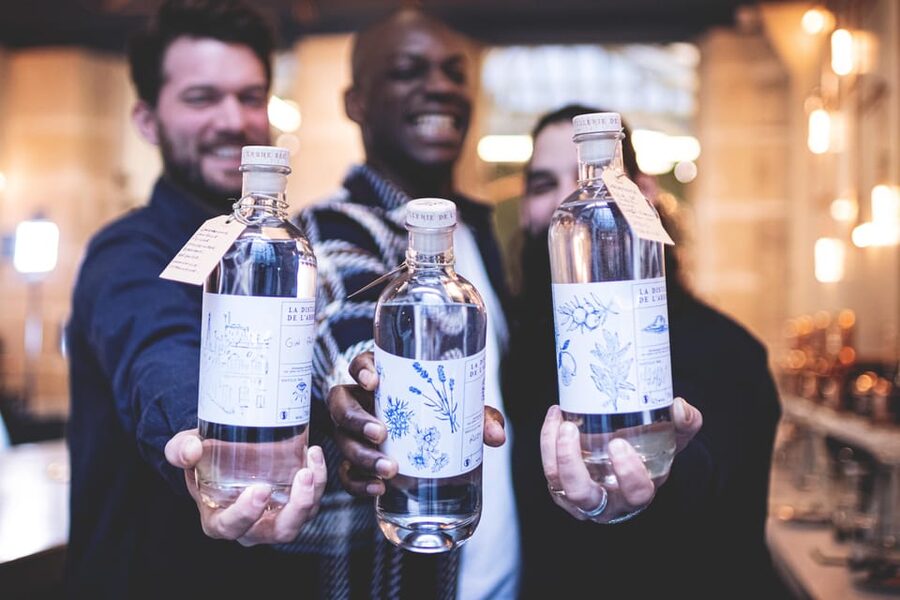
Yes, if you want a personal, craft-based gin experience in English, this is a strong choice. The biggest wins are the small group size, the chance to choose botanicals yourself, and the fact that you leave with a 70cl bottle plus a label you designed.
Book it sooner rather than later if you know you love gin or you want a memorable gift idea. The people who enjoy this workshop tend to like the hands-on mix of tasting, distilling, and real guidance. If that sounds like your style, you will likely have a great time.
Skip it if you are trying to maximize relaxation or you need an included meal. This is a focused class that asks you to participate, then rewards you with something you can pour at home.
FAQ
How long is the Paris gin making workshop?
The workshop is listed as 2 hours, and the included package also describes it as a 2.5-hour gin-making workshop. Plan around about 2 to 2.5 hours.
Is the workshop offered in English?
Yes. The instructor is English.
How many people are in the group?
It is a small group limited to 8 participants.
What do I take home at the end?
You take home a 70cl bottle of your own gin and you will customize your own label.
Is food included?
You are provided a little snack during the workshop, but the workshop does not include meals.
Is it suitable for children or pregnant women?
No. It is not suitable for children under 18 and not suitable for pregnant women.
Where do I meet for the workshop?
Meet at 52. Look for the huge blue door, go straight through it, and you will find the distillery at the end of the courtyard.
More Workshops & Classes in Paris
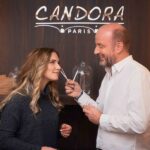

More Tour Reviews in Paris



Not for you? Here's more nearby things to do in Paris we have reviewed












Paris City Tours, side by side.
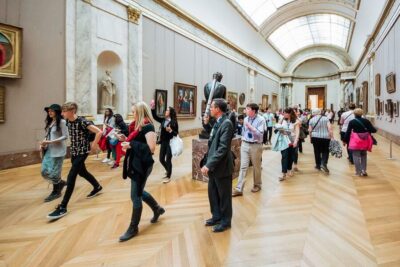 ★ 4.6Louvre Museum Timed-Entrance TicketTickets from $2671,977 guest reviews
 ★ 4.6Disneyland® Paris 1-Day TicketTickets from $6149,412 guest reviews
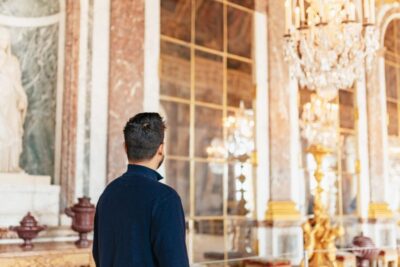 ★ 4.6Versailles Palace and Gardens Full Access TicketTickets from $1741,579 guest reviews
 ★ 4.6Arc de Triomphe Rooftop TicketsTickets from $1834,264 guest reviews
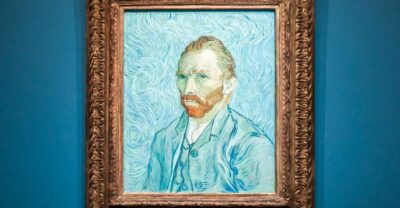 ★ 4.7Orsay Museum Entry TicketTickets from $1525,647 guest reviews
 ★ 4.4Evening River Cruise with MusicTickets from $2722,721 guest reviews
 ★ 4.4Eiffel Tower Entry Ticket with Optional Summit AccessTickets from $2920,035 guest reviews
 ★ 4.3Eiffel Tower Summit or Second Floor AccessTickets from $5917,248 guest reviews
This tour also belongs to