
Review · PARIS CITY TOURS
Paris: French Revolution Walking Tour
Paris gets scary when you walk it. This French Revolution walking tour turns Place du Châtelet into a story walk, with the theme of revolutionary shoes and a treasure-hunt feel as you hunt down the streets tied to conspiracy, intrigue, and mass murder. I love how it keeps the focus on the city itself, plus how it brings the Louis XVI and Marie Antoinette era into sharp, street-level context without drowning you in textbook dates.
One thing to know first: the route isn’t strictly chronological, so it’s best if you’re okay with a thematic story that builds toward the big moments rather than a step-by-step timeline.
Key Highlights You’ll Actually Notice
- Treasure-hunt style storytelling that makes locations feel like clues, not lecture points
- Two-hour pacing that keeps moving, with a comfortable rhythm and a chance to catch your breath
- English narration that stays clear even with noisy Paris street sound
- The guillotine era gets explained in a way that connects personalities, politics, and public fear
- A build-up to the storming of the Bastille so the Revolution has momentum, not just dates
- Guides with strong presence, including past guides named Louis and François, plus supporting guides in training
Where You Start: Fontaine au Sphinx on Place du Châtelet
The whole tour begins where Paris traffic and history overlap: in front of the Fontaine au Sphinx on Place du Châtelet. That matters more than you might think. If you show up a little late, you can lose time trying to match faces to groups, and one review pointed out a day where it was harder to spot the guide at the meeting point. So arrive early, hang back, and take 30 seconds to orient yourself.
Place du Châtelet is also a good launchpad because it puts you near the emotional center of Paris. You’re close to major city corridors, which helps the tour keep energy up. And if you want that feeling of stepping into the same streets people once argued, marched, and fled through, this meeting spot sets the mood fast.
You can also read our reviews of more walking tours in Paris



What Makes This Tour Different From a History Lecture
This is not the sleepy school-version of French Revolution history. The format is built like a treasure hunt through the heart of Paris, where the guide uses street settings to explain how events chained together. The theme of “revolutionary shoes” is a playful way to say you’re walking in the shoes of people who believed the world was about to flip.
I like the way the tour treats the Revolution as a web of decisions. You get conspiracy, intrigue, mystery, and the horrifying reality of mass murder, but it’s told as cause and effect: fear leads to rumors, rumors lead to violence, and violence reshapes power.
The other big difference is how well the story stays within two hours. Reviews consistently praised guides for condensing a complicated Revolution into an engaging walk. That’s practical for you. Two hours is just long enough to see new streets and understand the backbone of 1789, without turning your day into a sit-and-listen session.
How the Guide Keeps the Story Moving in Just 2 Hours
Expect a brisk, comfortable flow. People described the tour as nicely paced, with stops that varied enough to keep attention, and even a mid-tour comfort break. That matters because Paris sidewalks can be uneven, and your legs need a reset partway through.
You’ll also notice how the guide responds to questions. Several comments highlighted that the guide could take the story in different directions without losing the plot. That’s a real quality. It tells you you’re not trapped inside a script read word-for-word. You get room for the curiosities you actually have, like why certain people gained power, how public anger spread, and what the Revolution changed for ordinary city life.
One small consideration, already noted above: it’s not strictly chronological. Instead, it’s organized like a story with a strong arc. That’s great for understanding how the Revolution felt on the street, but it won’t satisfy readers who want a strict calendar order.
1789 in the Streets: The Moment Paris Changes
The tour is built around the question: how did the 1789 Revolution transform Paris? It doesn’t treat Paris as a passive backdrop. The city is a character. Buildings, plazas, and church-related landmarks matter because they shaped how people gathered, how rumors traveled, and how authority was seen and challenged.
You’ll get a condensed view of the lead-up years of the Revolution: where tensions came from, how conspiracy and intrigue worked behind the scenes, and how quickly the atmosphere hardened. The guide’s job here is tough, and the good ones manage it by skipping the noise and focusing on what changed behavior in the streets.
If you’re coming from a museum morning, this tour can work like a “connect the dots” session. You see how the Revolution lived in public spaces, not just in framed documents. And if you’re not sure where to start with French Revolution history, this walk gives you a backbone you can build on later.
The Guillotine Era Stories You’ll Remember
The tour explicitly highlights the terrifying end point for Louis XVI and Marie Antoinette, including their paths to the guillotine. That’s heavy subject matter, and it’s also central. The Revolution didn’t just replace rulers. It changed what justice meant, how quickly fear could become punishment, and how spectacle shaped politics.
Here’s why that part of the tour is valuable to you: it ties the big names to the atmosphere of Paris at the time. You’re not just hearing dates. You’re learning how revolutionary ideology, public anger, and political survival blended into a system that could move toward death with frightening speed.
Also pay attention to how the guide handles nuance. Reviews praised guides for presenting newer theories while still acknowledging older ideas, and for explaining with context instead of shouting one-size-fits-all conclusions. That helps you leave with a clearer sense of what was known, what was rumored, and what historians still debate.






Following the Lead-Up to the Bastille
A strong emotional payoff is built into the tour: the walk culminates as a dramatic build-up to the storming of the Bastille. One review described a day-by-day account leading up to that turning point, and another called the finale excellent as the story tightened.
This is where the tour’s story structure shines. Even if the route isn’t strictly chronological, it still gives you momentum. You learn how pressure built, how crowds formed, and how the Revolution tipped from tension into direct action.
You’ll likely notice the guide using first-person storytelling at times, which several people specifically mentioned. That technique can feel a little dramatic, but when it’s done well, it helps you picture choices and consequences from the viewpoint of ordinary people standing in public space.
The Stops Beyond the Big Names: Churches and City Impact
Not every stop is about a famous palace or one iconic statue. Some of the stops focus on the impact Revolution-era changes had on the city’s institutions, including references to churches. One comment specifically liked how the guide looked at churches and how they were affected.
That’s smart, because it teaches you something many “greatest hits” approaches miss. The Revolution wasn’t only about replacing officials. It also reshaped how authority was organized in everyday life, and churches and religious spaces were deeply tied to that.
If you care about how politics altered daily routines, not just who won, these city-shape stops help. They connect the Revolution to the built environment you can still see today.
Expectation Check: What You Might Miss by Going Short
Because the tour is only two hours, it has to make choices. One review noted that it would have been great to discuss additional specific locations like the Palace de Concorde and Champs de Mars, but fitting those in would require more time.
So here’s the realistic tradeoff: you’ll leave with a strong understanding of the core narrative and the key emotional landmarks, but you might not get every single famous sight linked to every single chapter. If you want a wide-ranging, full “Paris Revolution map” day, you may want a longer or multi-tour approach later.
Price and Value at $46 for a 2-Hour Walk
At $46 per person for a 2-hour guided walk, you’re paying for three things: a live English guide, purposeful storytelling, and time saved figuring out how to connect places to events. The value is strongest if you like learning through the street-level experience instead of reading alone.
This tour is priced like a focused activity, not like a half-day museum ticket. You’re not just paying for someone to show up. You’re paying for the guide’s ability to condense a complex period into a route you can actually absorb in the time you have.
And because the tour uses a narrative arc and varied stops, you’re more likely to remember what you learned. A themed walk like this tends to stick, especially if you’re new to the French Revolution or your knowledge is mostly from a basic history outline.
Practical Tips Before You Go
Bring water. Two hours sounds short, but Paris walking adds up quickly.
Wear comfortable shoes. The tour theme is about revolutionary shoes, but you’ll benefit from actual cushioning and grip, especially if you’re visiting when sidewalks are slick.
Come with a tiny bit of context. Because the walk isn’t strictly chronological, a quick mental anchor helps. Even knowing the Revolution’s rough arc from 1789 toward the climactic street actions makes the connections easier to follow.
If you get nervous about finding the guide, show up early and stand in the meeting zone near the Fontaine au Sphinx. It’s the most reliable way to avoid losing time.
Who This Tour Fits Best
This is a great choice if you:
- Want a story-driven way to understand the French Revolution through Paris streets
- Have limited time and want the core arc in 2 hours
- Like guides who answer questions and adapt to what you ask
- Prefer clear English explanations that still feel human and dramatic (in a good way)
It may not be the best match if you:
- Need strict chronological history with a rigid timeline
- Want to avoid darker material like mass murder and executions
- Are expecting a long list of every Revolution landmark in Paris
Should You Book This Paris French Revolution Walking Tour?
Book it if you want the Revolution to feel like it happened in a real city, not like it happened in a chapter of a book. The strongest reason is the way the tour builds an arc, from the atmosphere of 1789 into the emotionally charged lead-up to the storming of the Bastille, with major references to Louis XVI and Marie Antoinette.
Skip it or pair it with something else if you’re the type who needs strict chronology or you want a wider “every famous site” sightseeing spree. With this tour, you’re choosing depth of story over a complete checklist.
If your goal is to come away with a clearer sense of how the Revolution reshaped Paris and why it turned so fast, this is a solid pick.
FAQ
How much does the Paris French Revolution Walking Tour cost?
It costs $46 per person.
How long is the tour?
The tour lasts 2 hours.
Where is the meeting point?
Please meet your guide in front of the Fontaine au Sphinx on Place du Châtelet before the start of your tour.
Is hotel pickup and drop-off included?
No. Hotel pickup and drop-off is not included.
What language is the tour guide?
The live tour guide speaks English.
What is included in the price?
The walking tour and the guide are included.
Is the tour wheelchair accessible?
Yes, the tour is wheelchair accessible.
Is free cancellation available?
Yes. You can cancel up to 24 hours in advance for a full refund.
Can I reserve now and pay later?
Yes. The option to reserve now and pay later is available.
Is the tour strictly chronological?
It is not presented as a strictly chronological walk. It is designed as a story route that builds toward the storming of the Bastille.
More Walking Tours in Paris



More Tours in Paris





More Tour Reviews in Paris



Not for you? Here's more nearby things to do in Paris we have reviewed












Paris City Tours, side by side.
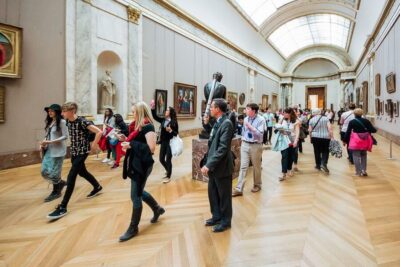 ★ 4.6Louvre Museum Timed-Entrance TicketTickets from $2671,977 guest reviews
 ★ 4.6Disneyland® Paris 1-Day TicketTickets from $6149,412 guest reviews
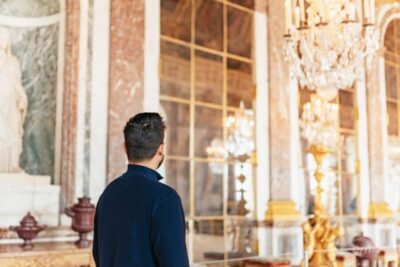 ★ 4.6Versailles Palace and Gardens Full Access TicketTickets from $1741,579 guest reviews
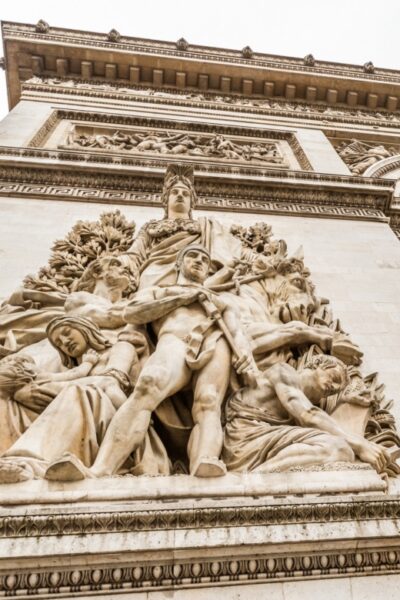 ★ 4.6Arc de Triomphe Rooftop TicketsTickets from $1834,264 guest reviews
 ★ 4.7Orsay Museum Entry TicketTickets from $1525,647 guest reviews
 ★ 4.4Evening River Cruise with MusicTickets from $2722,721 guest reviews
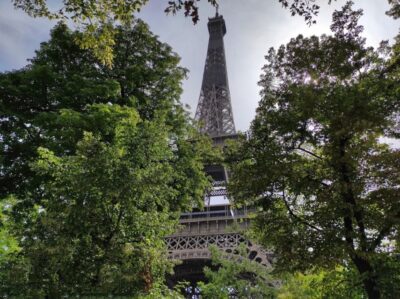 ★ 4.4Eiffel Tower Entry Ticket with Optional Summit AccessTickets from $2920,035 guest reviews
 ★ 4.3Eiffel Tower Summit or Second Floor AccessTickets from $5917,248 guest reviews