Review · PARIS
The Treasure of Saint-Louis : Île de la Cité & Saint-Louis
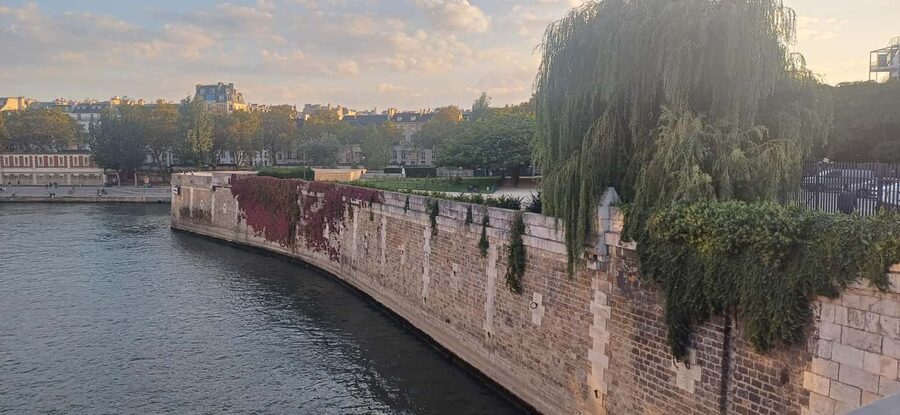
Paris feels different when you have to solve it. This interactive Saint-Louis treasure hunt turns two famous river islands into a puzzle you can actually play, starting with direction-testing clues and ending with big-picture views of Île de la Cité.
I especially love how the map and notebook make the experience feel hands-on instead of lecture-style, and how the guide keeps the pace friendly for mixed ages. One drawback to plan for: the route is clue-driven, so the exact stopping feel is more like a wandering walk than a traditional stop-by-stop sightseeing tour.
Key points I think you’ll care about
- Two islands, one trail: Île Saint-Louis plus Île de la Cité in about 90 minutes
- Puzzle first, photos second: sense-of-direction testing and logical thinking are part of the fun
- You get tools to play: a map and a notebook, guided with both French and English
- Family-friendly, not just for kids: it’s designed to work across ages
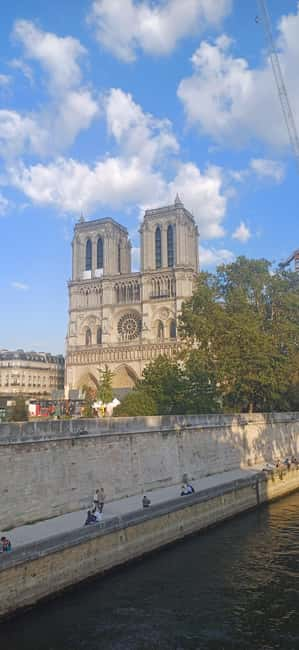
- Notre-Dame appears in the mix: you’ll see the cathedral area during your walk
- Wheelchair accessible: routes are workable for mobility needs with the guide’s help
A Treasure Hunt on Two Paris Islands
This tour is built on a simple idea: Paris is easiest to understand when you move through it with a purpose. You’re not just looking around, you’re following a trail connected to Saint-Louis, the king whose name is tied to the stories of this part of the city. And because you’re given a map and a notebook, you end up doing more than passively absorbing facts.
What makes it feel different from the usual walking tour is that the experience nudges you to think. You’ll be tested on your sense of direction, and you’ll use observation and logic along the way. That means you spend more time noticing details you might otherwise skip, like street layouts, landmark relationships, and how the islands connect across the Seine.
And yes, it’s still sightseeing. You’ll see Notre-Dame de Paris and other spots, some more obvious, some less famous. But the main point is the walk itself, the small challenges, and the satisfaction of piecing together the “treasure” story as you go.
You can also read our reviews of more tours and experiences in Paris.



Starting at Square Barye, and Why Orientation Matters
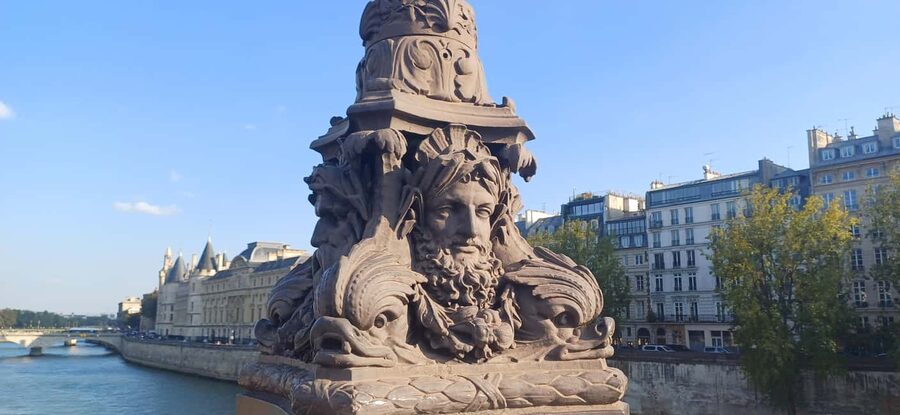
The tour begins at Square Barye, on the eastern end of Île Saint-Louis. You’ll meet inside the square, in front of the statue. That meeting setup is helpful because it tells you exactly where to aim, even if you’re new to this part of Paris.
One thing I like about choosing a start point like this: it sets you up to learn the islands in the correct order. Île Saint-Louis and Île de la Cité can feel similar at first because they’re both river islands with classic stone buildings and iconic viewpoints. Starting on Île Saint-Louis helps you build a mental map before you cross into the cathedral island.
Also, since you’re being tested on direction, you’ll want to start with an alert mind. Don’t treat the first minutes as “warm-up.” The route is part of the game, and getting oriented early makes the rest of the clues click faster.
Île Saint-Louis Walk: Classic Streets, Clues in Motion
You spend about 45 minutes on Île Saint-Louis with a guided walk and time to follow the trail. This island is the calmer-feeling sibling in the pair, with charming streets and a more residential rhythm. On a normal day, you might wander here without noticing much beyond scenery. On this tour, you’re encouraged to pay attention because you have to answer, decide, and keep moving.
Expect the guide to steer the experience with a mix of storytelling and practical instructions. You’re holding the map and notebook, so you can actively track where you are and what the next clue is asking. That changes the mental workload from “Where am I?” to “What is the clue pointing to?” It sounds small, but it’s a big difference in how you experience a place.
How the island part helps you:
Île Saint-Louis is a great training ground for the tour style. You get a chance to understand how the puzzles work before you hit the bigger landmarks on Île de la Cité. If you’re traveling with kids, this timing is smart, because you’re not throwing complex landmarks at them right away.
Possible drawback:
If you’re the type who wants long, uninterrupted explanations at each viewpoint, the clue-based format may feel lighter on narration than a pure guided tour. The best fit is someone who enjoys participation.
Île de la Cité and Notre-Dame Area: The Big Landmarks, but Still a Game
After Île Saint-Louis, you move to Île de la Cité for another 45-minute guided walk and treasure-hunt leg. This is where the tour leans into the “beating heart of Paris” feeling. You’ll be near the cathedral of Notre-Dame de Paris, and you’ll pass by several other places too.
Here’s the key value of doing Île de la Cité through a puzzle format: it forces you to slow down in the busiest, most iconic zone. Around major landmarks, it’s easy to become a spectator. With clues in play, you’re more likely to notice relationships between buildings, street alignments, and the way the Seine views frame the area.
What you’ll likely enjoy most here:
- Seeing Notre-Dame as part of a route, not just a postcard stop
- Using your map and notebook while the cathedral area surrounds you
- Getting guide support in real time, so you don’t get stuck for long
Also, the difficulty level is described as 2/5, and the tour is meant to be family-friendly. That usually translates to puzzles that don’t require advanced knowledge, just attention and teamwork. If you’re visiting with grandparents, teens, or mixed ages, this format tends to keep everyone involved.
The Map, Notebook, and Direction Test (How You Play Without Getting Lost)
This tour gives you the tools to succeed: a map and a notebook, plus a guide. You’re not handed a random scavenger list and left to figure it out alone. The guide is there to keep the game moving and to steer you back on course if you drift.
The “sense of direction” testing piece is a subtle but important feature. It’s not about being good at navigation gadgets. It’s about using what you can observe in front of you, then applying logic to match the clue to the place. In practice, that might mean comparing what you see on the ground to what’s on the map, spotting a landmark, and then choosing the next move based on that evidence.
The best way to enjoy this part is to treat it like a friendly challenge, not an exam. If you’re traveling with family or friends, assign roles. One person can focus on reading clues, another on map checking, and everyone else can help spot details. The tour structure supports that kind of teamwork, which is why it works so well across ages.
If you’re a logic lover: you’ll probably have fun with the reasoning aspect more than the sightseeing itself.
If you’re a “just tell me where to look” person: you may want a bit more guidance than the puzzles require. The good news is the guide is present, so you can ask and get help if needed.






Time on Foot: 90 Minutes That Still Feels Like Real Sightseeing
The total duration is 90 minutes, with two main walk segments of about 45 minutes each. That is a sweet spot for a “morning brain” or an early afternoon slot when you don’t want a half-day commitment.
You can also plan your day around it more easily than you would with a full-day itinerary. You’ll see the islands and their key wonders without turning your schedule into a marathon.
One practical point: because the trail is clue-driven, your pace can vary a bit depending on how quickly your group solves clues. That’s normal. The guide’s job is to keep you on track, and the route is designed to be completed within the set time. Still, go in with a small buffer in your schedule if you have a tight connection afterward.
Price and Value: What $35 Buys You in Paris
At $35 per person for a 90-minute interactive tour, you’re paying for three things that are harder to replicate on your own:
- A guide who keeps the experience moving
- A structured trail through Île Saint-Louis and Île de la Cité
- The map and notebook that make you play, not just look
If you usually think tours are only worth it when they include museum entry or a long guided talk, this one might surprise you. The value here is not in ticketing. It’s in transformation. You use your attention differently. The islands become a puzzle you can solve, which tends to make the area stick in your memory longer than a standard route.
It’s also a fair setup for families. You’re not paying more for separate activities for kids and adults. The same game works for everyone, and the guide’s role helps adjust how you participate.
Language, Pace, and Who This Tour Fits Best
The tour runs with a live guide in French and English, and it’s described as adaptable to all ages. That’s what you want for a mixed group, and it’s also what makes it a solid choice if your travel style leans toward interaction rather than pure history lectures.
Who it suits best:
- Families who want to keep kids engaged while still seeing real landmarks
- Couples who like light challenges during sightseeing
- Solo travelers who enjoy meeting the city through tasks and questions, not just audio guides
- Anyone who enjoys direction-finding and logical thinking more than standing still for photos
Who might find it less satisfying:
- If you want lots of uninterrupted explanations and deep storytelling at every stop, the puzzle format may feel like it has less time for long, detailed commentary.
Either way, it’s a walk, so comfortable shoes matter. You’ll be moving between the islands, and you’ll be stopping enough times to read clues and check your map.
What to Expect at Each Stage (So You Can Go in With the Right Mindset)
Here’s how I’d set your expectations before you arrive:
Before you start: You’ll meet at Square Barye, in front of the statue. You’ll get the map and notebook and be ready to follow a Saint-Louis themed trail.
Île Saint-Louis stage (about 45 minutes): A guided walk with puzzle moments. Think of it as the “how to play” section. You’ll get your bearings and learn the rhythm.
Île de la Cité stage (about 45 minutes): The stakes feel higher because you’re in the area where the cathedral dominates the scene. You’ll still solve clues, but you’ll also be soaking in the most recognizable sights, including Notre-Dame.
Overall feel: It’s sightseeing plus a game. The point is not just learning where things are, it’s practicing how to look.
If you’re traveling with people who get impatient during games, tell them upfront that it’s a short, structured 90-minute walk. Then agree on a quick team approach: one map reader, one clue reader, and everyone looking for matching details.
A Simple Booking Check: Should You Book This Saint-Louis Treasure Hunt?
Book it if you want Paris that feels like an activity, not just a viewing. This is especially good value when you like puzzles, logic, and a guided route that keeps you paying attention. It’s also a smart choice for families because the format is designed to be adaptable and family-friendly while still hitting major landmarks like Notre-Dame de Paris.
Skip it or switch to a different style of tour if your top priority is deep, stop-by-stop explanation with minimal participation. This is more about solving and noticing, with the guide helping you along the way.
If you can, plan for a relaxed morning or afternoon around the 90-minute window, and wear comfortable walking shoes. And if you have mobility needs, it’s listed as wheelchair accessible, so you can feel confident bringing the right support for the walk.
FAQ
How long is The Treasure of Saint-Louis tour?
It lasts about 90 minutes.
Where does the tour start?
The meeting point is Square Barye, at the eastern end of Île Saint-Louis. You meet inside the square in front of the statue.
Which areas of Paris do we visit?
You visit both Île Saint-Louis and Île de la Cité, including seeing Notre-Dame de Paris.
What is included in the tour price?
You get the guided tour of both islands, plus a map, a notebook, and a guide.
What languages are available?
The live guide offers French and English.
Is the tour wheelchair accessible?
Yes, it is listed as wheelchair accessible.
Is transportation included?
No, transportation is not included.