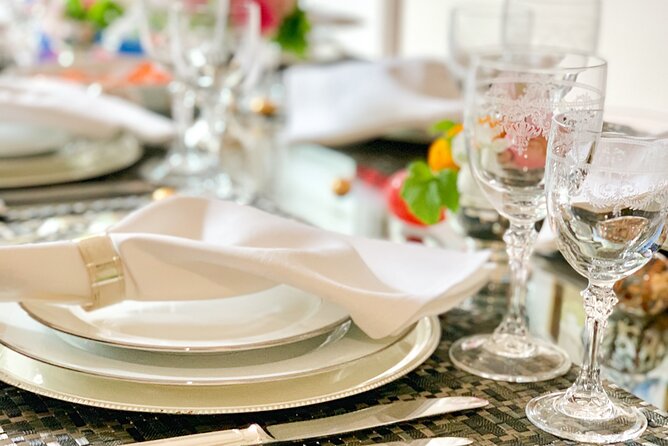
Review · PARIS
Table Manners a la française
French dinner etiquette sounds intimidating, until it isn’t. This 90-minute class makes it practical, starting with why table manners exist and how they changed over time, then turning that into confidence you can use right away. I like the small group setup, and I really like how the lesson covers both big hosting ideas and tiny, real-life details like utensils, glasses, and napkin placement. A possible drawback: if you already know basic place settings, you may move faster than the class pace, so come ready with a few specific questions.
You’ll be taught by Tatiana, and the vibe stays relaxed even though the information is thorough. The class is in English, it stays beginner-friendly for most people, and it’s the kind of session that can also help you avoid expensive table-setting mistakes if you plan to shop after. One thing to consider: this is focused on dinner-party etiquette and hosting, so it is not a walking tour of famous sights.
Key things to know before you go

- French manners explained with context, so you understand the why, not just the rules
- Small group size (max 4), which makes questions feel easy
- Hands-on table setup details, including utensils, glasses, and napkin placement
- Hosting confidence from beginning to end, not just what to do during the meal
- English instruction with a calm, patient teaching style from Tatiana
French Table Manners, Not Just Forks and Napkins
If you’ve ever stared at a French place setting and thought, That cannot be real life, you’re in the right place. This class is built for people who want to feel comfortable at the table without turning dinner into a performance. You’ll learn how manners function as a social tool, which matters more than memorizing a single rigid rule.
I especially like the balance here: it’s both cultural and practical. You get a clear explanation of how etiquette developed over time, and then you translate it into actions you can actually do at your next meal. That combo is what makes the class feel worth it, even if you only have a short window in Paris.
Tatiana brings lived, teaching-focused experience to the room, and that changes the feel. Instead of dry “do this, not that,” you get a calm walkthrough with room for questions. For a first-timer, that’s huge, because most etiquette confusion comes from uncertainty, not lack of effort.
You can also read our reviews of more tours and experiences in Paris.



Why Etiquette Exists, and Why It Keeps Changing
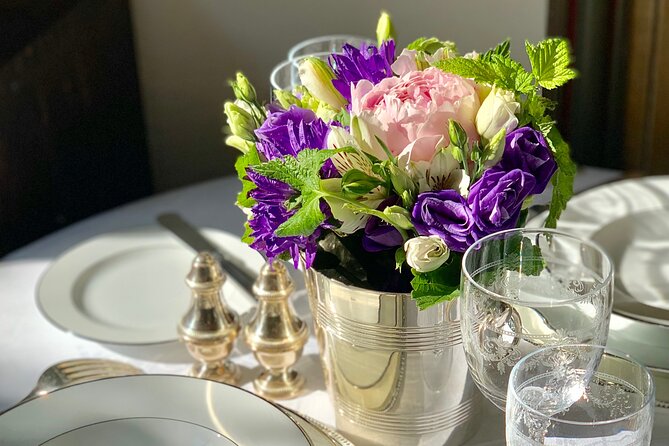
This class starts with the bigger picture: why table manners exist in the first place. That’s not just academic. When you understand the purpose, you stop panicking about every fork and napkin and start choosing sensible behavior.
You’ll learn how manners developed and how they evolved as society changed. That matters because you’re not stepping into a museum display of one single moment in time. You’re learning a set of norms that people use to stay considerate, keep things orderly, and communicate respect.
For you, this is practical because Paris dining can be a mix: formal meals, casual bistros, and dinner invitations that fall somewhere in between. Knowing the underlying logic helps you adapt. Instead of copying what you see perfectly, you learn what matters most and how to read the situation.
It’s also a confidence-builder for home hosting. If you ever plan a dinner, you’ll come away with a clearer idea of how to set the table so it looks right and feels comfortable for your guests.
A 90-Minute Paris Class That Respects Your Schedule
This is a compact experience, about 1 hour 30 minutes. If your trip is packed, that’s a real advantage. You’re not trading an entire afternoon for etiquette homework.
The class is also a small-group setting with a maximum of 4 travelers. That is a big deal. It means the instructor can respond to your questions without the usual “move on quickly” feeling. It also helps you actually practice in your head while you learn, because you’re not just watching from the back row.
Start time is 7:00 pm, and the class ends back where it starts. That makes it easier to build into your evening plans. You won’t need to figure out a complicated end point in a busy part of the city.
Your Table-Setting Practice: Utensils, Glasses, Napkin Placement
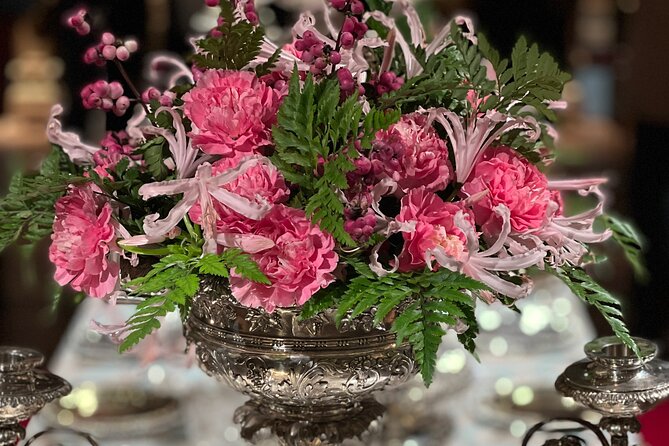
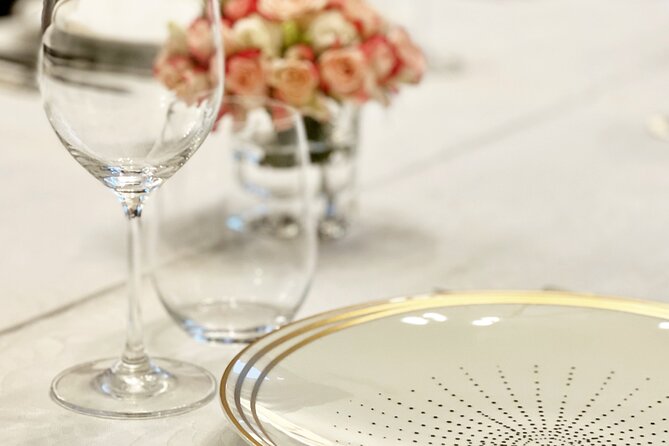
Here’s where the class becomes truly useful. You learn French place settings from the ground up, including the arrangement of utensils and glasses. You also focus on napkin placement, which is one of those “small details” that can make you look overly formal or overly casual if you guess.
You should expect clear explanations of how each item fits into the flow of a meal. For example, you’re not just told what’s where, you get guidance on how to use what you see. That turns confusion into muscle memory.
One of the strongest takeaways from the session is that it covers both larger refined details and smaller practical ones. So you don’t only learn the “official version” of table behavior. You also learn what helps you stay relaxed during an actual dinner, including the moments where people often freeze.
And yes, this can even affect your shopping in Paris. If you plan to buy tableware or linens, the class can help you identify what you truly need for a proper setup. That can save you from ending up with the wrong pieces, or worse, with items that look impressive but don’t match the way French-style place settings are built.
How to Use This at Real Paris Dinners (and at Home)
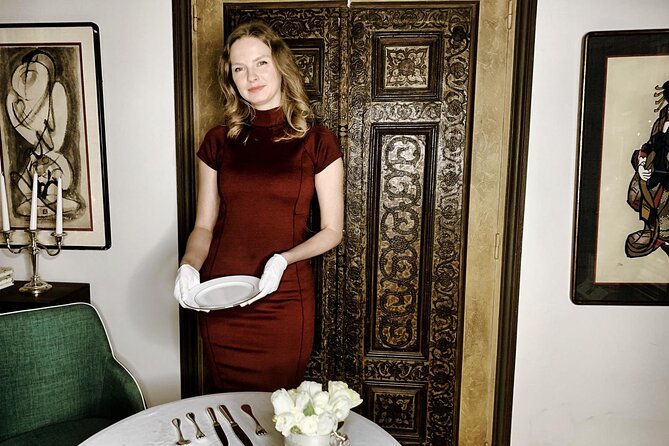
The goal isn’t to make you stiff. It’s to help you read the table and act confidently from the first moment to the end of the meal.
Begin with confidence: when you understand the logic of a French setup, you stop second-guessing yourself every time a course changes. You know what the items generally represent and how they are typically used. That means you can focus on conversation, food, and timing instead of your hands.
The class also covers hosting traditions, so you’ll learn the mindset behind a comfortable dinner invitation. In practice, that helps you understand what hosts are trying to do, whether it’s managing the flow of the table or making sure people feel at ease.
If you’re the kind of traveler who likes to bring something back home, this is a great one. You can use what you learn to host a French-themed dinner that feels respectful, not cosplay. You’ll also have a better idea of how to set a table that looks correct without turning your kitchen into a puzzle.
One more reason I like this approach: it bridges culture and everyday life. Etiquette can feel like a wall until someone shows you how it works in real rooms, with real people, at real dinners. Here, you get that translation.






Tatiana’s Teaching Style, and Why It Matters for First-Timers
Teaching style may sound like a soft factor, but it changes everything in etiquette classes. This one stays relaxed and small-group, which makes it much easier to ask questions without feeling exposed.
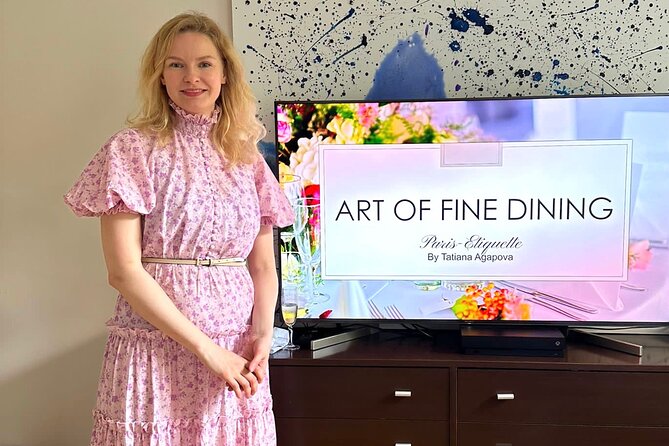
Tatiana is presented as both a friendly teacher and a hostess who shares lived experience. That combination matters because you get not only rules, but also examples of how those rules play out in actual hosting situations.
You’ll also benefit from patience. Learning manners often involves trying, failing a little, and asking again. A patient instructor helps you build understanding instead of memorization.
If you’re traveling solo, that can be especially calming. You’re not thrown into a large group where you have to wait your turn. With a maximum of four participants, the class feels more like a guided conversation around one shared topic.
Finding 26 Rue Spontini at 7:00 pm, Without Stress
The meeting point is 26 Rue Spontini, 75016 Paris. Start time is 7:00 pm, and the activity ends back at the meeting point.
The location is described as near public transportation, which is practical for a Paris evening. Still, for a smooth start, I suggest planning to arrive a little early. Etiquette classes are easier when you are not sprinting through last-minute steps.
One more practical note: you’ll receive a mobile ticket. That reduces friction right when you need it most, because you can pull it up quickly on your phone instead of digging through paper confirmations.
After class, since you end where you started, you can keep your evening simple. You can head to dinner nearby or continue sightseeing with less “how do I get there next” stress.
Price and Value: Why $82.80 Can Make Sense
At $82.80 per person for about 1 hour 30 minutes, this is not the cheapest thing you can do in Paris. But it can be good value if you care about social confidence and cultural understanding.
Here’s how I think about the value:
- You’re paying for both structure and clarity. Table manners are hard to self-learn because it’s easy to miss small but important details.
- You’re paying for interaction in a tiny group of up to 4 people. That helps you get answers, not just information.
- You’re paying for a mix of history plus execution. Understanding why manners exist keeps you from memorizing blind rules.
- You may also save money indirectly if you plan to shop for tableware later. Getting your table setting right before you buy can prevent costly mismatches.
If you’re the type of traveler who enjoys practical cultural skills, this class fits. If you only want to collect photos of famous sights, you might feel the time would be better spent elsewhere. But if you want to walk into French dinners feeling calm and prepared, this is exactly the kind of experience that pays off long after the class ends.
Who Should Book This French Table Manners Class?
This is a smart fit for:
- First-time visitors to Paris who want an insider-style cultural skill, not just a lecture
- Anyone who has felt nervous about French dining etiquette
- Solo travelers who appreciate a small group and the ability to ask questions
- People planning a dinner at home and want a more authentic, structured approach
It’s also a good match if you plan to shop for tableware or linens, because the class can help you understand what a proper place setting involves.
You might hesitate if you already feel fully confident with place settings and hosting flow. In that case, you may still enjoy the historical context, but you should arrive with specific questions so you get maximum value from the time.
Should You Book Table Manners a la Française in Paris?
I think you should book it if you want real-world confidence for French dining. The small group size and the focus on both practical details and the history behind etiquette make the class feel like more than a “how to use a fork” session. You get knowledge you can apply immediately, and you also learn how to host with a more French sense of order and ease.
If you’re short on time but want something cultural that doesn’t require a full-day commitment, this fits. If you’re excited by the idea of understanding how manners shape social life, you’ll likely enjoy the class approach.
If you want, you can think of it as a dinner insurance policy. Spend ninety minutes learning the logic and the layout, and your future meals feel less like guesswork.
FAQ
Is the French table manners class offered in English?
Yes. The class is offered in English.
How long is the experience?
It lasts about 1 hour 30 minutes.
Where does the class start?
The meeting point is 26 Rue Spontini, 75016 Paris, France.
What time does it start?
The start time is 7:00 pm.
Is the group kept small?
Yes. It has a maximum of 4 travelers.
How do I get the ticket?
You’ll receive a mobile ticket.
What is the class like, beginning to end?
You’ll learn what table manners are, why they exist, and how they developed and changed over history. You’ll also learn the knowledge you need to feel confident from the start to the end of a dinner party.
Can I bring a service animal?
Yes. Service animals are allowed.
Is confirmation provided at booking?
Yes. Confirmation will be received at the time of booking.
Can I cancel for a full refund?
Yes, free cancellation is available. You can cancel up to 24 hours in advance for a full refund, and cut-off times are based on the local time where the experience takes place.