
Review · PARIS CITY TOURS
Paris Wine with Cheese Pairing & Tasting Small Group Class
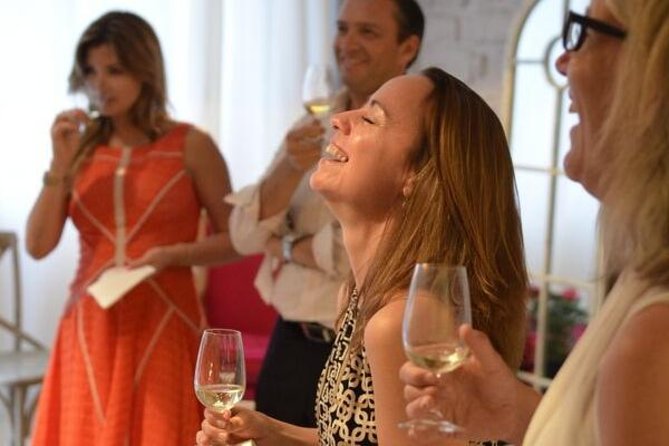
Cheese and Champagne, taught like a craft. This small-group class at Le Foodist turns tasting into a real skill, led by sommelier Stéphane. You sample multiple wines and cheeses, then get practical pairing guidance you can use the rest of your trip.
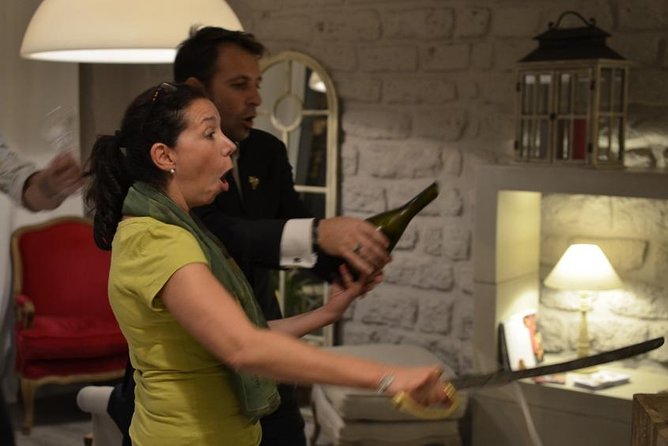
I especially like the small-group feel, capped at 16, which makes it easy to ask questions and actually taste with purpose. I also love the playful, hands-on moment where you learn Champagne sabering and then pour your own properly with a Drop-Stop.
One thing to consider before you go: this is an alcohol-included tasting class. If you avoid wine or Champagne, it may not be your best fit, even though you do get food pairings.
Key takeaways before you go
- Central, easy-to-find meeting point in the 5th arrondissement at Le Foodist (59 Rue du Cardinal Lemoine)
- Four French wines plus one Champagne so you can compare regions and styles
- A sommelier-led tasting method, not just samples
- Cheese lessons built around the five major French cheese families
- Terroir explained in terms you can taste, with wine and cheese links
- Hands-on Champagne sabering, plus a Drop-Stop included for better pours
Le Foodist and the 12:00 pm small-group format that keeps it personal
This experience begins at Le Foodist, right in central Paris on Rue du Cardinal Lemoine (75005). The start time is 12:00 pm, and it runs about 2 hours, ending back at the meeting point. If you like having your food education done early, this timing works well before a long afternoon of exploring.
The setup is designed to feel small and interactive. With a maximum group size of 16 travelers, you are not shouting over a crowd to ask what you really want to know. That matters, because wine-and-cheese pairing is full of tiny details, like why one cheese suddenly makes the wine taste brighter or flatter.
You will be led by an expert sommelier, specifically Stéphane in past classes, and the tone is upbeat. From what I’d want as a first-timer, the class balances instruction with laughs, so you do not feel intimidated by French wine labels or cheese names.
One practical point: because this is a tasting class with multiple wine samples and Champagne, you may want to plan your next meal thoughtfully. Think of it as an early “food and drink lesson” plus snacks, not a full sit-down dinner.
You can also read our reviews of more food & drink experiences in Paris

Four French wines plus Champagne, and how the tasting lesson is paced
You taste four wines from different regions across France, plus one Champagne. That lineup is the core reason this class works so well for beginners. Instead of tasting one safe crowd-pleaser repeatedly, you compare how origin and style shape what hits your palate first.
The pacing is also important. You are not just sipping and moving on. The sommelier explains the geographical and historical origins of what you’re tasting, and you hear about the key idea of terroir as it relates to flavor. Then you go back to your glass and notice what you can now name.
As you sample each wine, you get to practice the basics of tasting: how to approach aroma, how to notice structure (like acidity and richness), and how those traits affect pairing. That is the big shift from random tasting. You start learning how to build a pairing logic instead of guessing.
And yes, Champagne gets its own moment. You taste it as part of the lesson, then you also participate in the fun, dramatic part of learning how to open it by sabering. That creates a memory hook, and the taste tends to stick in your head after.
If you are the kind of traveler who likes to understand what you’re drinking, this format is a solid value. You pay once for the selection, the explanations, and the practice, rather than trying to learn pairing by trial and error while ordering a la carte.
Five cheese families, from tasting notes to pairing instincts
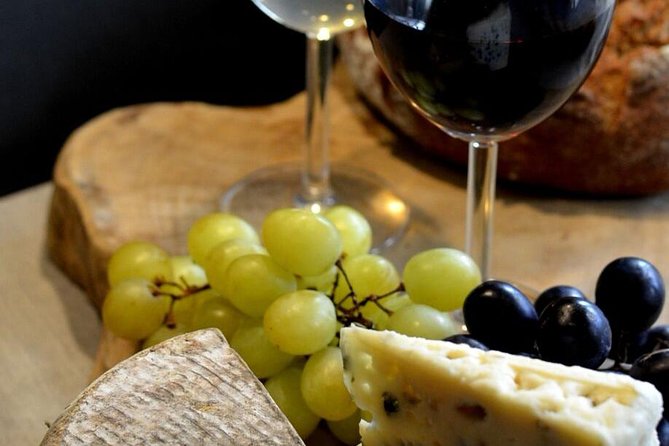
Cheese is where most people either get hooked fast or feel overwhelmed. This class helps you avoid both by organizing the experience around the five major French cheese families. Instead of a random assortment, you learn the subtleties that make each family behave differently in a pairing.
During the lesson, you’ll hear explanations about the families, then taste cheeses so you can spot the differences yourself. That is where I think you get the most value: tasting is paired with guidance, so you start to connect what you taste with why it works.
The cheeses are served alongside classic supporting bites: bread, olives, and ham. Those pairings are not filler. They let you reset your palate between wines and help you experience how salt, fat, and texture can change the way wine reads.
Here is a useful way to think about it as you go: try to notice whether a cheese makes the wine feel sharper, softer, or more complex. If you can answer that, you are already practicing professional pairing instincts.
By the end, you should feel more confident ordering in France, even if the menu is intimidating. You will know what questions to ask yourself: Is this pairing improving the wine? Is it making the cheese taste more layered? Are you matching intensity, not just flavor?
Terroir and origins, translated into what you can actually taste
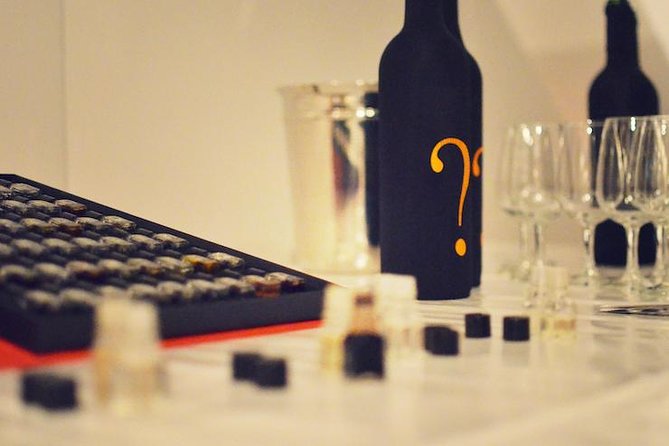
One of the lesson themes is terroir, the French idea that place shapes flavor. In many tastings, terroir stays stuck in abstract language. In this class, it is tied directly to what you’re tasting, and that is what makes it useful.
You will hear geographical and historical origins for the wines and the cheeses you sample. Then, instead of treating terroir as trivia, you get to apply it: you taste a wine, learn what to look for, then compare it against a different region and style.
That comparison is where terroir becomes tangible. You start noticing patterns, like how acidity changes with certain wine styles, or how richness in cheese can affect how a wine’s flavors land on your tongue.
The other advantage is how it shapes your travel choices. Once terroir clicks, you stop buying by brand and start buying by logic. You can walk into a cheese shop or wine shop and have a better sense of what to look for, even if you do not speak perfectly fluent French.
If you are doing this early in your Paris trip, this lesson can set you up for the rest of your eating. Even if you only remember a few pairing rules, those rules will guide your choices in supermarkets, fromageries, and wine bars.
From bread, ham and olives to Champagne sabering and Drop-Stop
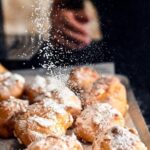
Food in France is not only about flavor, it is about rhythm. This class builds that rhythm with small bites throughout the tasting. You get sliced ham, bread, and olives alongside the cheese and wine, so you are not forced to rely on wine alone to carry the experience.
That matters because cheese can be intense, and wine can taste one way straight from the bottle and another way when paired. The extra nibbles give you a palate reset and help you experience the way flavors combine, not just what each item tastes like on its own.
Then comes the highlight many people talk about: the Champagne sabering moment. You learn the technique and then share a glass with your classmates. It is a fun break from traditional tasting, but it is also educational because it turns Champagne into something active, not passive.
And you leave with something practical: Drop-Stop, provided to help you pour the perfect measure every time. That is a small detail, but it changes how you can recreate the experience back home. You are not just remembering flavors, you are taking a tool that supports better pouring.
One final note: the minimum drinking age is 18. If everyone in your group is of age and you’re excited to taste a few different wines and a Champagne sample, you’ll probably enjoy this a lot.
You can also read our reviews of more wine tours in Paris



Price and value: who this 2-hour class fits best
At $113.49 per person, you are paying for more than wine and cheese. You are paying for:
- An expert sommelier-led tasting
- Five+ guided samples in total, including 4 French wines and 1 Champagne
- Food pairings like cheese, bread, olives, and ham
- The hands-on Champagne sabering moment
- A take-home tool, Drop-Stop
For solo travelers, couples, or small groups, this is often a fair trade compared to paying individually for wine tastings, cheese flights, and a guiding explanation at multiple places. The big value is that the instruction is bundled and focused, and you get to practice pairing instead of just consuming.
This class is best for you if:
- You love food and want to learn the logic behind French pairings
- You are a first-timer who does not want to fake confidence in shops
- You enjoy interactive experiences, not just sitting and sipping
- You want a central Paris activity that is easy to fit into your day
If you dislike alcohol tastings, want a quiet museum-style experience, or are looking for a full multi-course meal, this might feel too focused on tasting rather than dining.
Should you book this Paris wine and cheese pairing class?
If you want to eat and drink in Paris with intention, I’d book it. The combination of small-group attention, sommelier Stéphane’s teaching style, and the pairing practice with four French wines plus Champagne makes it more than a snack-and-sip stop. You learn the concepts, then you taste your way through them.
The biggest reason to choose it: you leave with a repeatable approach, not just a nice afternoon. Pairing gets easier when you understand what to look for, and terroir and the cheese-family framework give you a mental map.
Only skip it if wine and Champagne tastings are a hard no for you. Otherwise, it’s a strong, central, memorable way to spend 2 hours in Paris.
FAQ
Where does the class start?
The class meets at Le Foodist, 59 Rue du Cardinal Lemoine, 75005 Paris, France.
What time does it start?
The start time is 12:00 pm.
How long is the experience?
It runs for about 2 hours.
How many people are in the group?
The class has a maximum of 16 travelers, so it stays small.
What do I get to taste?
You’ll sample four wine samples, one Champagne sample, plus cheese, bread, olives, and ham.
Will I learn about terroir and pairing?
Yes. You learn the concept of terroir and how to pair wine and cheese, including explanations about the five major French cheese families.
Do I have to open the Champagne myself?
You will take part in learning the Champagne sabering technique and then share a glass with the group.
Is there a take-home item included?
Yes. You receive Drop-Stop for a better pour every time.
What is the minimum age?
The minimum drinking age is 18.
Can I cancel for a refund?
You can cancel up to 6 days in advance for a full refund, and there are partial refunds if you cancel closer in time. If the minimum number of travelers is not met, you may be offered a different date or a full refund.
More Wine Tours in Paris
More Food & Drink Experiences in Paris
More Tour Reviews in Paris

Not for you? Here's more nearby things to do in Paris we have reviewed




Paris City Tours, side by side.
 ★ 4.6Louvre Museum Timed-Entrance TicketTickets from $2671,977 guest reviews
 ★ 4.6Disneyland® Paris 1-Day TicketTickets from $6149,412 guest reviews
 ★ 4.6Versailles Palace and Gardens Full Access TicketTickets from $1741,579 guest reviews
 ★ 4.6Arc de Triomphe Rooftop TicketsTickets from $1834,264 guest reviews
 ★ 4.7Orsay Museum Entry TicketTickets from $1525,647 guest reviews
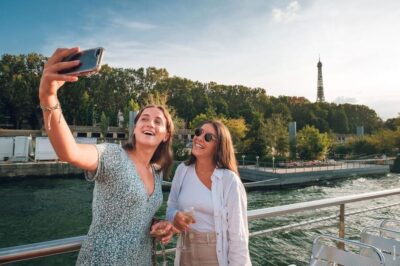 ★ 4.4Evening River Cruise with MusicTickets from $2722,721 guest reviews
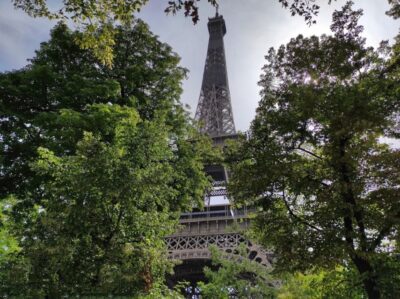 ★ 4.4Eiffel Tower Entry Ticket with Optional Summit AccessTickets from $2920,035 guest reviews
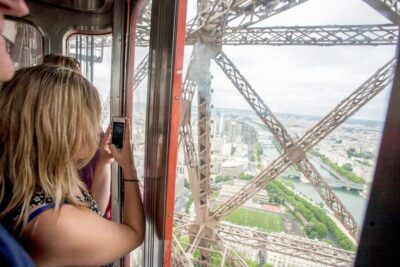 ★ 4.3Eiffel Tower Summit or Second Floor AccessTickets from $5917,248 guest reviews
This tour also belongs to