
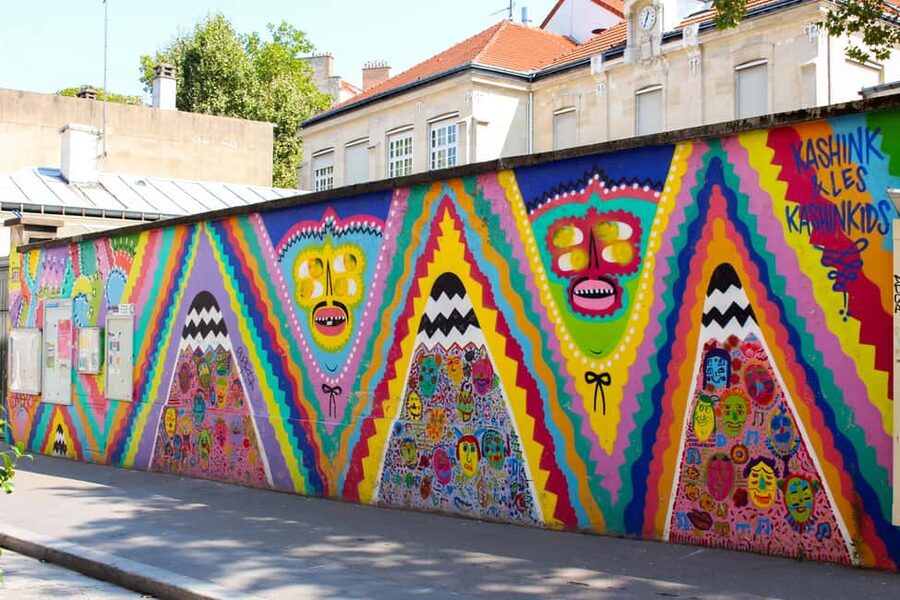
Review · PARIS CITY TOURS
Paris Street Art at La Butte-aux-Cailles
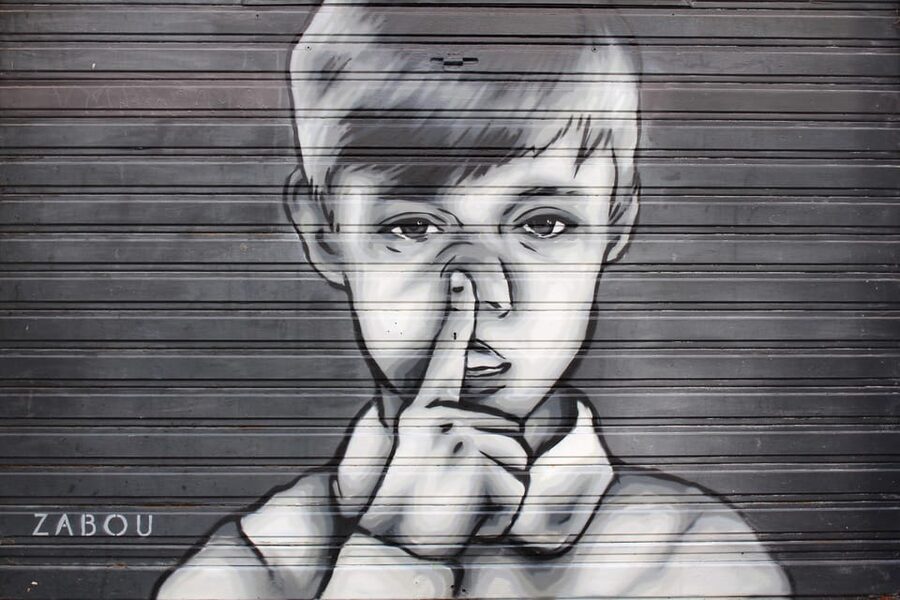
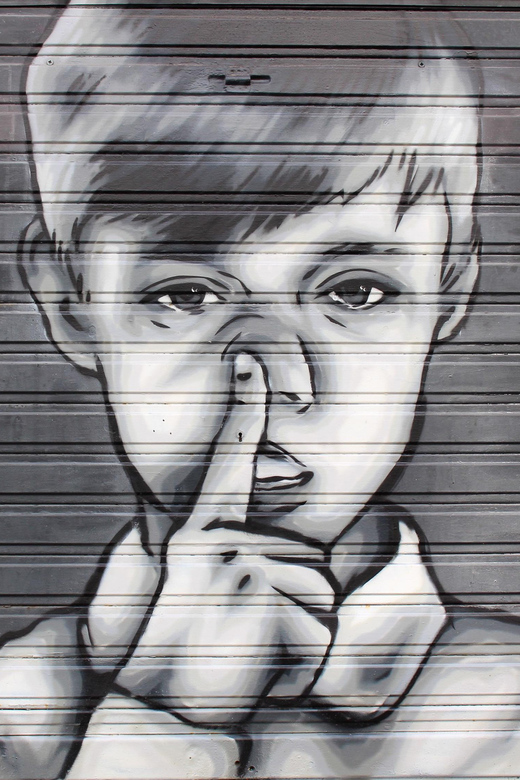
Paris street art looks different when you leave the big-tourist grids. Here, at La Butte-aux-Cailles, you get a neighborhood feel, plus real stories behind the walls. What I like most is the mix of ephemeral and permanent works, so you learn how street art lives in the moment, then lasts in its own way. The walk also makes the district make sense, because you start seeing the hill, the streets, and the urban art as one connected whole.
I also love the guide-led format. You are not just taking photos, you are learning to recognize artists and “read” what they are doing, with names like Invader, Jace, Jef Aerosol, and Seth tied to the places where their work shows up. The only drawback to plan for is the language: the tour is French only, so if you want an English explanation, this might not be the right fit.
Key points to know before you go
- La Butte-aux-Cailles is a counter-culture neighborhood, with a rural past that still shows in its vibe.
- You focus on street-art recognition, not random wall photos.
- Ephemeral works and permanent pieces are both part of what you’ll see and discuss.
- You learn the urban art movement’s logic, and why it keeps evolving.
- The walk is 90 minutes, so it’s a focused hit of street art without eating your whole day.
La Butte-aux-Cailles: the Paris hill that turns walls into stories
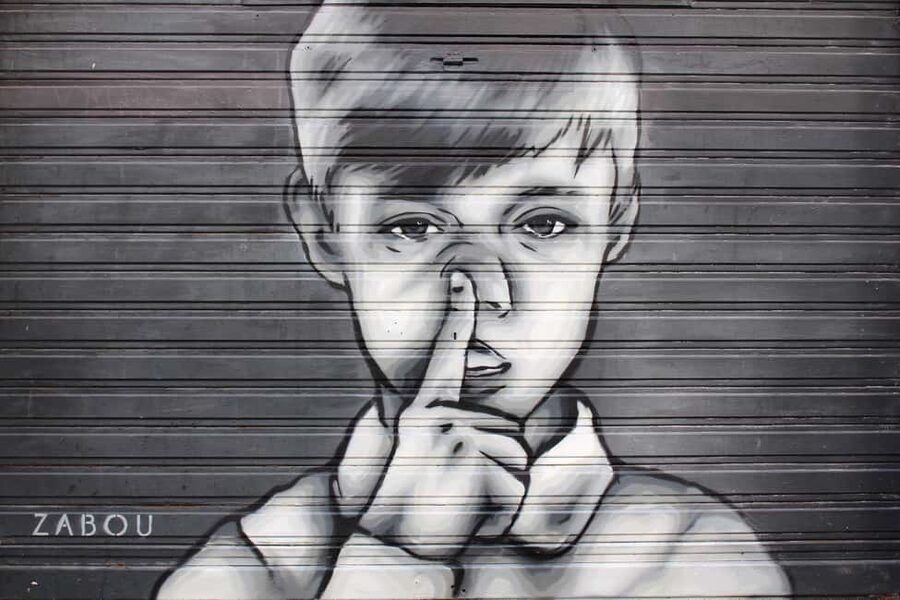
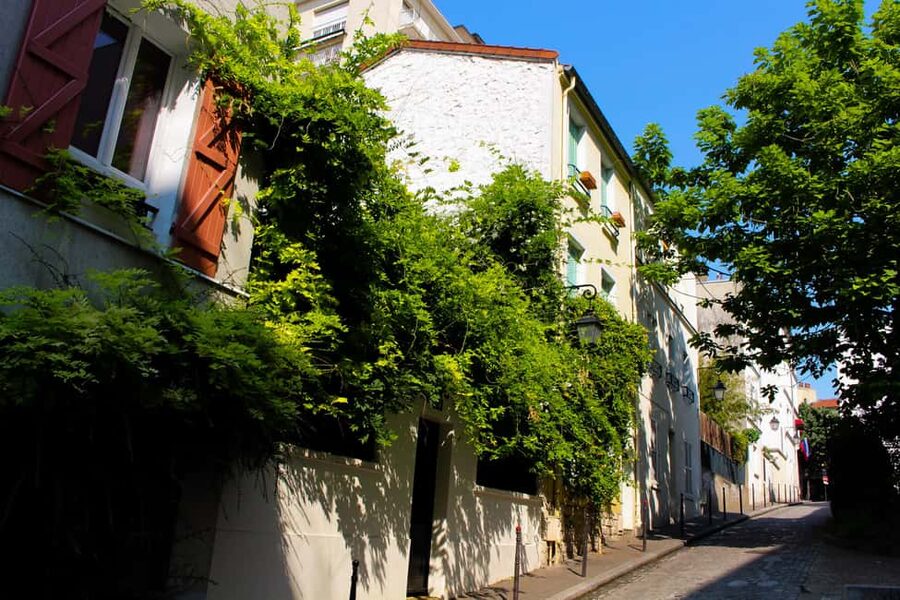
If you think street art is only a Montmartre thing, this tour gives you a useful correction. La Butte-aux-Cailles sits on a hill, about 63 metres above the busy city. That elevation matters because it changes how the district feels on foot. It has the look of a small village, not a straight shot through Paris landmarks.
You also get a setting that explains why artists would choose this area. Long ago, the Butte aux Cailles area was linked to fields, woods, and windmills. Over time, it grew around the Bièvre river, with craft and industrial activity shaping everyday life. Today, that mix of “not quite like the rest of Paris” and “made for walking” is what street artists take advantage of.
For you, the payoff is simple: you stop treating street art like isolated art on random buildings. Instead, you see it as part of a living neighborhood. That is one of the best ways to get value from a short tour, because the context makes what you see feel intentional, not accidental.
More Paris tours and experiences for the shortlist

How the 90-minute walk helps you understand urban art, not just spot it
This tour is designed to teach you a skill you can use right after. In 90 minutes, the goal is not to cover every wall in Paris. It’s to give you a mental toolkit for understanding what you’re seeing, and why it exists in the first place.
Your guide’s job is to connect three things:
- the artists and their styles
- the specific works you encounter on the walls
- the bigger urban art movement, which keeps changing as culture and techniques evolve
What that means during the walk is that you’ll spend time at the moments that matter. You are not rushing past artworks. You are learning to recognize them and to understand the stories behind them. And because the district is known for street art, the walk feels like it has a “theme” even though the art is varied.
The pace is also practical. Ninety minutes is long enough to notice patterns, but short enough to fit into a day that already includes museums and classic sights. If you like targeted experiences, not all-day marathons, this one matches that mindset.
Artists you actually hear about: Invader, Jace, Jef Aerosol, and Seth
Street art tours often fall into two traps. Either you get a list of names with no context, or you get a photo scavenger hunt with no meaning. This one tries to give you the middle ground, where names matter because the guide ties them to what you’re looking at.
The tour explicitly calls out artists including Invader, Jace, Jef Aerosol, and Seth. That matters because it turns your experience from generic into specific. You start hearing what makes each artist recognizable, then you connect that back to the work on the wall in front of you.
And it’s not just recognition for recognition’s sake. The point is to understand why each artist chose the kind of visual language they use, and why that language lands in a district like Butte-aux-Cailles. The guide also helps you “read” the work, so you’re not only asking What is this? but also What is it saying, and why here?
If you are into street art as a scene, you’ll appreciate the names. If you’re a first-timer, you’ll appreciate that the guide acts like a translator for the whole visual conversation.
Ephemeral vs. permanent street art: why that difference changes everything
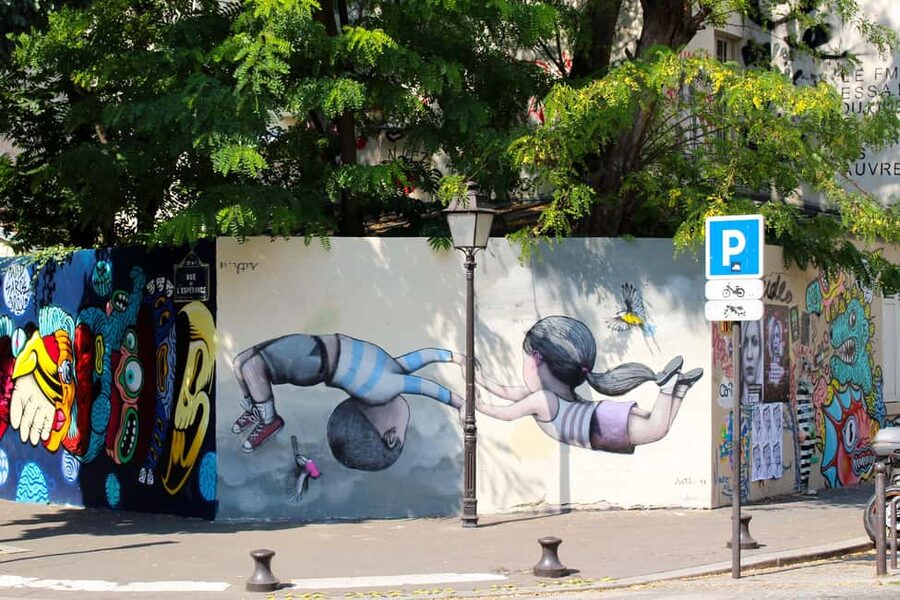
One of the strongest promised highlights is the idea of ephemeral and permanent works. That isn’t a marketing detail. It changes how you experience the district.
Ephemeral street art, by definition, can appear, fade, or disappear. Seeing it as part of this neighborhood helps you understand street art as a form of conversation that updates with time. Permanent works, on the other hand, teach you how street art can also become part of the district’s visual memory.
On this walk, you get both sides. When you can compare them back-to-back, you start to notice how artists choose different ways to communicate depending on the impact they want. The guide’s explanations help you place each work into its context, instead of treating everything as equally permanent or equally temporary.
For you, that’s the real value. You leave with better instincts for street art in general. Next time you see a new piece, you know to ask: Is this meant to last? Is it meant to be noticed now? Is it responding to something happening around it?
The district history behind the walls: Bièvre, crafts, and why the vibe fits
Street art does not live in a vacuum. Even if you never study art theory, you can feel when a neighborhood supports the work. Butte-aux-Cailles has that support built in.
The area grew around the Bièvre, and it developed through craft and industrial activities. That kind of history tends to create neighborhoods with practical surfaces, working rhythms, and communities that have always mixed everyday life with expression. Over time, the rural atmosphere gave the district its “village” feel, and that matters because street artists often seek places that don’t feel like a polished open-air museum.
As you walk, the guide connects the district’s past to the present street art scene. You start to understand why counter-cultures might choose an area like this in the heart of Paris. The point is not to romanticize history. It’s to recognize that urban art is linked to where people live, work, and gather.
This also makes the tour more satisfying. You’re not just looking at images. You’re understanding the logic that connects place to message.





Meeting point at Metro Corvisart: easy start, 13th arrondissement feel
You meet at Boulevard Auguste Blanqui, 75013 Paris, at Metro station Corvisart (exit n°2). This is helpful because it gives you a clean target. Plan to arrive a few minutes early so you’re not rushing at the start.
Because this is a walking tour, your pre-planning matters. In practical terms, I’d show up dressed for time on foot and bring what you need for photos if that’s your thing. You’ll want to focus with your eyes, and you’ll likely be stopping often enough that comfortable shoes help.
Also, keep in mind that the whole experience is built around moving through the district. So if you prefer tours where you sit in one place for long periods, this may feel more active than you expect. If you enjoy walking and noticing details, it fits nicely.
Price and value: $19 for a focused street-art lesson in Paris
At $19 per person for a 90-minute guided walk, the price is positioned as a value play. You are paying for a guide, time, and local context around street art. You are also paying for interpretation, which is where many street art experiences either shine or flop.
Here, the guide’s role is central: you learn to recognize artists, understand why the Butte aux Cailles became a preferred location for counter-cultures, and get keys to understanding the urban art movement. For me, that is where $19 feels fair. If you were trying to self-guide this district without any background, you might enjoy the visuals but miss the “why” behind what you’re seeing.
It’s also good that the tour stays short. In Paris, time is expensive. A compact walk like this can slot into your day without turning into a half-day commitment.
If you’re doing a mixed itinerary, this kind of guided street-art hour is a smart add-on. It adds a different angle to the city, one you can’t easily get from standard monuments alone.
French-only guidance: what it means for you
The tour is guided in French only. That is the biggest condition to check before you book.
If you speak French, you’ll get full value from the guide’s explanations as you encounter different works and artists. If your French is basic, you can still enjoy the visuals, but the deeper understanding is tied to what the guide is saying. Since this experience is about learning and interpreting, language affects the payoff.
A practical way to think about it: if you want the experience to be mainly about seeing and photographing, you may still enjoy it. If you want to fully understand stories, motivations, and the urban art movement, you’ll want enough French to follow along.
Who should book this La Butte-aux-Cailles street art tour
This tour is a strong match if you like street art as a subject and you want more than surface-level spotting. It also fits you if you enjoy neighborhoods with personality, because Butte-aux-Cailles is presented as atypical for Paris, with a village feel and a hilltop character.
You’ll likely be happiest if you:
- want to learn names and recognition skills for street artists
- enjoy walking through real local streets, not just big landmark areas
- like short, guided experiences that add context fast
You might skip it if:
- you need English-only explanations
- you prefer a purely self-guided street art photo walk
- you want lots of specific named monuments or major museum-style stops
Should you book it?
I’d book this Paris street art at La Butte-aux-Cailles tour if you want a compact, guided lesson in how to interpret street art in its real neighborhood setting. The value comes from the structure: you see works, you connect them to artists like Invader and Jef Aerosol, and you learn how the urban art movement evolves right alongside the district.
If French-only guidance is a dealbreaker, pass. If you’re comfortable enough to follow the guide, this is an efficient way to experience a quieter side of Paris street art and walk away with real understanding, not just photos.
FAQ
How long is the Paris Street Art at La Butte-aux-Cailles tour?
The tour lasts 90 minutes.
What is the price per person?
The price is $19 per person.
Where is the meeting point?
You meet on Boulevard Auguste Blanqui, 75013 Paris at Metro station Corvisart (exit n°2).
What language is the guided tour offered in?
The tour guide speaks French only.
What’s included in the tour?
It includes a walking tour with a guide.
Are transfers included?
No, transfers are not included.
Is there free cancellation?
Yes, you can cancel up to 24 hours in advance for a full refund.
More Street Art in Paris



More Tour Reviews in Paris


Not for you? Here's more nearby things to do in Paris we have reviewed










Paris City Tours, side by side.
 ★ 4.6Louvre Museum Timed-Entrance TicketTickets from $2671,977 guest reviews
 ★ 4.6Disneyland® Paris 1-Day TicketTickets from $6149,412 guest reviews
 ★ 4.6Versailles Palace and Gardens Full Access TicketTickets from $1741,579 guest reviews
 ★ 4.6Arc de Triomphe Rooftop TicketsTickets from $1834,264 guest reviews
 ★ 4.7Orsay Museum Entry TicketTickets from $1525,647 guest reviews
 ★ 4.4Evening River Cruise with MusicTickets from $2722,721 guest reviews
 ★ 4.4Eiffel Tower Entry Ticket with Optional Summit AccessTickets from $2920,035 guest reviews
 ★ 4.3Eiffel Tower Summit or Second Floor AccessTickets from $5917,248 guest reviews
This tour also belongs to