
Review · PARIS CITY TOURS
Paris: Rodin Museum Ticket & Optional Digital AudioGuide App
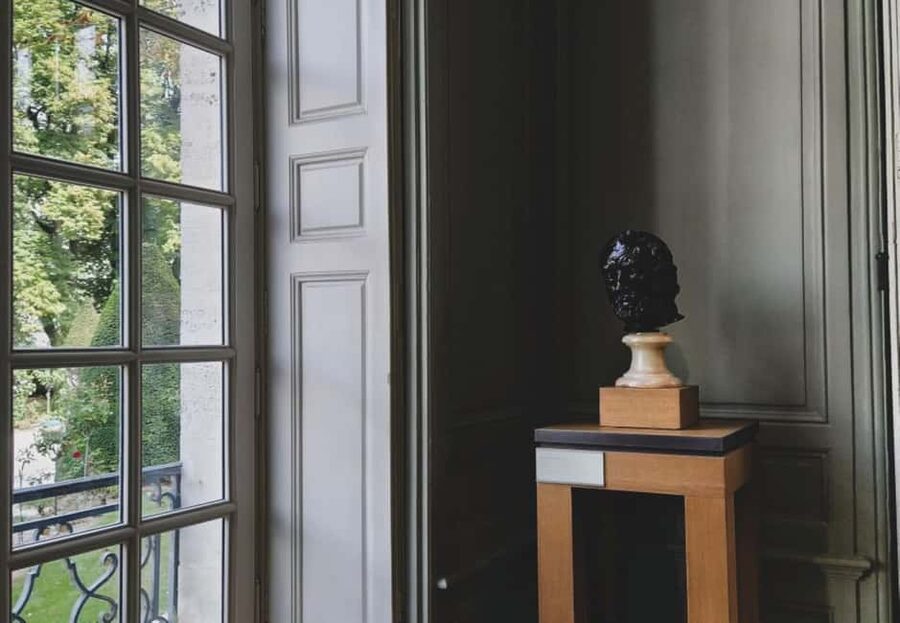
Auguste Rodin in Paris, it hits different. You get entry to his former mansion Hôtel Biron, plus a multilingual digital audio guide that helps you connect the sculptures to the man. You’ll see headline works like The Thinker up close, with time to wander the rooms and garden at your own rhythm.
Two things I really like: first, the setting. The museum is in an 18th century home-and-studio space, so Rodin’s work feels tied to where it was made. Second, the scale and variety, with over 6,000 sculptures on display, including early plasters that show how his ideas started. One thing to plan for, the audio guide may not cover every outdoor area or temporary presentation in the way you expect.
If you like art that rewards slow looking, this is a strong pick. The ticket gives you digital audio guide access and museum entry, so you’re not stuck reading a wall of text. Just bring headphones, a charged phone, and be ready to manage the experience yourself since museum staff can’t help with the app.
Key highlights worth planning around

- Hôtel Biron setting: a true 18th century home-and-studio layout that makes the art feel grounded
- Rodin’s icons in detail: see The Thinker and The Gates of Hell with time to really look
- Over 6,000 sculptures: a huge collection that moves from early experiments to later works
- Early plasters: a look at the beginnings of sculptures before they fully become finished forms
- Camille Claudel pieces: you’ll see work connected to Rodin’s muse and protégé
- Photo-friendly visit: you can take your own pictures in museum and garden areas
Entering Musée Rodin at Hôtel Biron, a museum with real studio energy
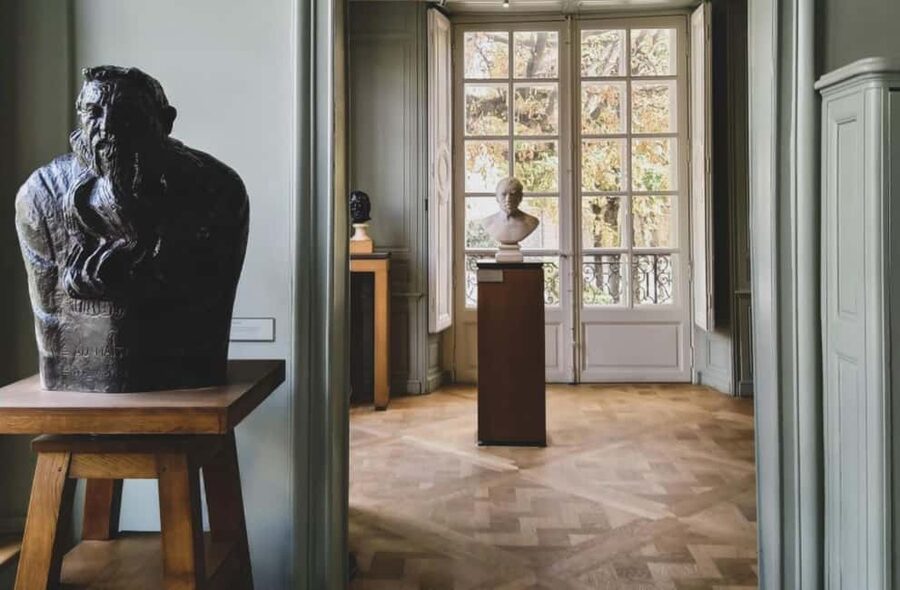
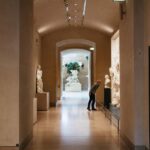
Museums in Paris can feel like they were built to hold art. Musée Rodin feels more like art was built into a place. The ticket gets you into the Hôtel Biron, the 18th century mansion that was once Rodin’s home and studio. Walking through these rooms changes your way of looking. You’re not just viewing finished objects behind glass, you’re seeing them placed in spaces that make sense for someone who worked with their hands.
What I love is how naturally the museum supports slow wandering. There is no need to follow a group schedule once you’re inside. You can pause, step back, and study. That matters with Rodin, because the drama is often in the surface, the tension in a pose, and the way forms suggest motion.
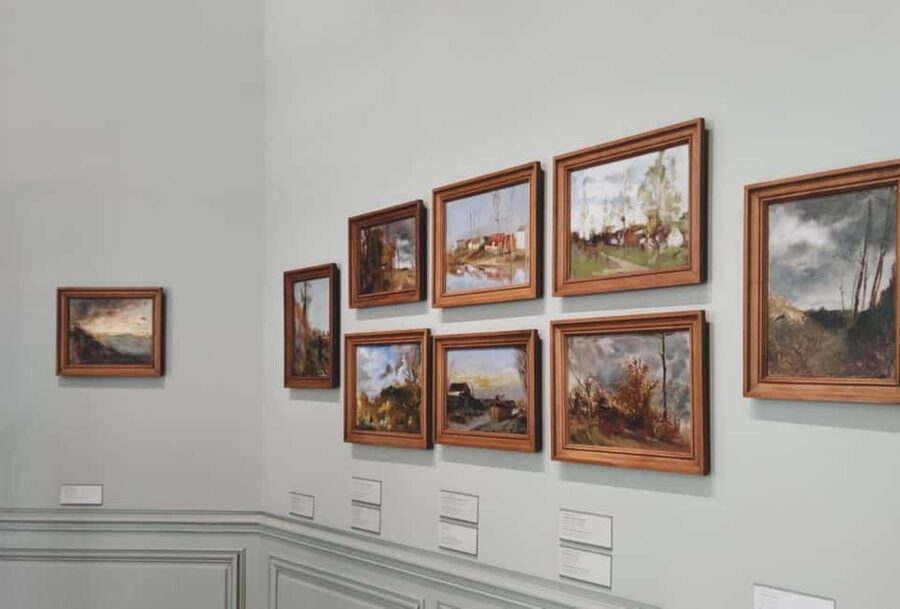
Also pay attention to the museum layout. You’ll be moving through elegant rooms filled with sculpture, then shifting to outdoor spaces in the garden area. That change of light can make the same piece feel different. If you’re the kind of visitor who takes photos, this is one of those places where your pictures actually help you remember the angles you studied, not just the “front view.”
More Paris tours and experiences for the shortlist



What you’ll see: The Thinker, The Gates of Hell, and 6,000-plus reasons to keep looking
Rodin is famous for a handful of works, but the real payoff here is seeing how those famous sculptures connect to the bigger body of work. The museum displays over 6,000 sculptures, so you get a sense of experimentation and evolution, not just a greatest-hits tour.
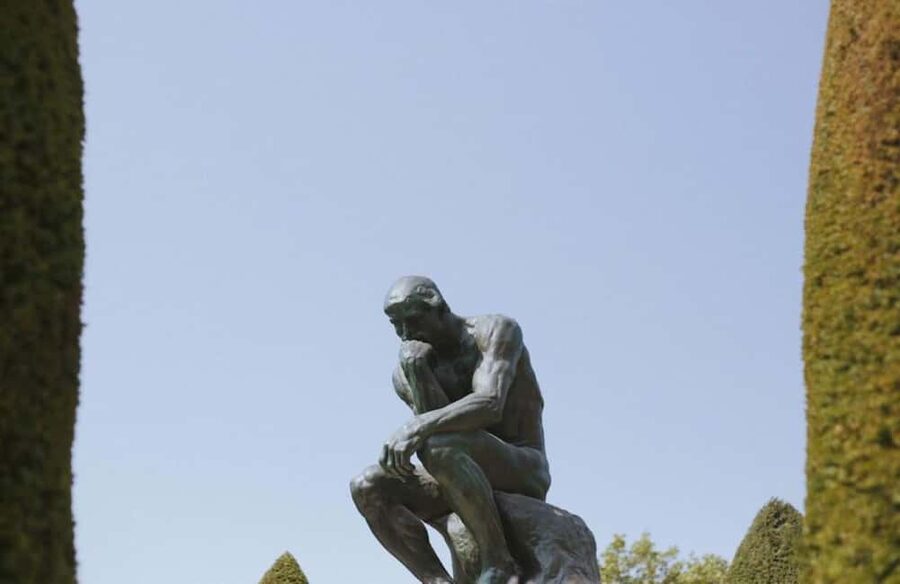
Headline moments include The Thinker and The Gates of Hell. If you’ve only ever seen them in books, you’ll notice how their surfaces and proportions work in real space. Rodin’s forms can look simple at first glance, then get more complex as you circle them mentally. Standing in front of them long enough is the difference between recognition and understanding.
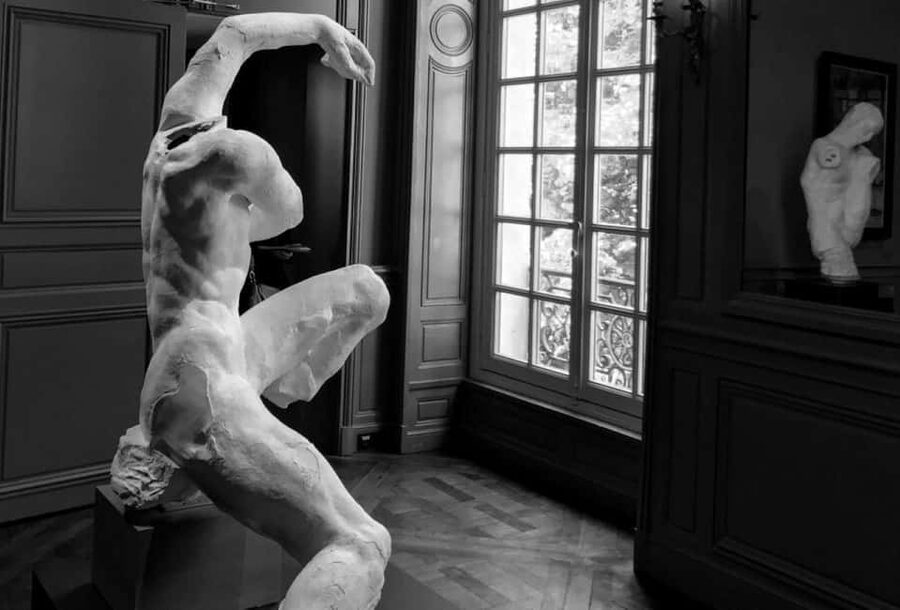
You also get a look at Rodin’s early side through plasters. These early works reveal his artistic start, showing stages before pieces become the finished versions most people remember. For me, those early models are where you understand the “how.” You can see decisions taking shape.
And you’re not looking at Rodin in isolation. Pieces by Camille Claudel, described in the museum materials as Rodin’s muse and protégé, add an important counterpoint. Even without going deep into any single biography, it helps you see the artistic world around Rodin, not just the headline name.
How the digital audio guide app works, and how to use it well
The ticket includes a digital audio guide app accessed through a link. It’s offered in a wide set of languages, including English, French, German, Italian, Japanese, Spanish, Chinese, Korean, Dutch, Portuguese, Hindi, Arabic. That’s a big help if you’re visiting with friends who don’t speak the same language as you.
You’ll need your own gear. The museum ticket does not include earphones. Bring headphones that you already know work with your phone. You also need a charged smartphone, because you’re relying on the app link during your visit.
Here’s the practical part that keeps visits smooth: the link is sent a day before your visit and also appears on your GetYourGuide voucher. Museum staff cannot assist if you have trouble with the app. So I strongly recommend you test the link before you leave for the museum, even if it’s just opening it and making sure it loads.
One more limitation to understand up front: the audio guide is an independent service, not an official museum audio guide. Also, the audio guide does not include information about temporary exhibitions. That doesn’t mean the app is useless. It just means if you’re focused on special temporary shows, plan for some parts of the museum to be supported by whatever text panels are available onsite.
A small planning note from experience with this kind of digital setup: outdoor areas can be hit or miss depending on what the audio guide chooses to cover. If you want to spend serious time in the garden, build in some time for looking without audio. The sculptures themselves will still be worth it.
A realistic visit plan for your 1 day at Musée Rodin
This is a self-guided visit, so your success depends on timing and pacing. The museum is open Tuesday through Sunday from 10:00 AM to 6:30 PM, with last entry at 5:45 PM. Rooms close at 6:15 PM. It’s closed Mondays, plus May 1, January 1, and December 25.
If you want a calm experience, start earlier in the day. You’ll have better light for outdoor viewing and you’ll move through rooms without feeling rushed. Because last entry is 5:45 PM, aim to enter with enough buffer that you’re not sprinting toward closing time.
A solid approach is to do it in layers:
First layer: focus on the best-known pieces and the big “stories.” Use the audio guide for context so you’re not just looking at shapes. When you reach The Thinker and The Gates of Hell, give yourself a real pause and resist the urge to keep walking immediately. Rodin’s drama is in what his forms suggest. Let your eyes settle.
Second layer: switch to the early plasters and process pieces. This is where you start understanding why Rodin ended up as a key figure in modern sculpture. You’ll see beginnings and variations, not just final masterpieces.
Third layer: spend time reconnecting the dots with the museum setting and the people around him. Look for connections to Camille Claudel pieces, then circle back if something clicks. When you revisit a room after understanding the early work, you’ll see the “later” works differently.
Finally, add the garden time. Even if the audio guide coverage is inconsistent outdoors, the garden space gives your brain a break. It’s also where you can slow down, take photos, and just enjoy the fact that the museum is not trapped in a windowless box.
Photo time: Taking your own pictures in museum and garden areas
You can take your own photos freely in the museum and garden areas. That’s a big deal, because Rodin is all about form in space. If you don’t photograph, you still get value from looking, but you lose an easy way to remember details later.
My practical tip: don’t try to photograph everything. Pick a few pieces you want to remember and take your time with angles. Stand at a distance first, then move closer, then step to the side. When you review your photos later, you’ll notice how different viewpoints reveal different emphasis in the sculpture.
Also plan for lighting changes. Outdoor areas and indoor rooms can shift the feel of a sculpture surface. You might find a piece looks almost dramatic in shade, and calmer in direct light. That matters with Rodin.
You can also read our reviews of more museum experiences in Paris



Price and value: Is $23 per person a good deal?
At about $23 per person, you’re paying for museum entrance plus the digital audio guide app. In Paris, that bundle is what makes the price feel fair. You’re not just buying entry. You’re also buying structured storytelling you can use while you walk.
The main value question is simple: will you actually use the audio guide on the day of your visit? If yes, the ticket is strong because the app can help you understand what you’re seeing without adding another pass or paying for a separate live guide. If you’re the type who always reads only museum labels, you may not feel the full value, though the app can still help you prioritize what to linger on.
One extra “cost” to budget for is your own headphones. Earphones are not included, so if you forget, you’ll either miss audio content or have to improvise.
Who this experience fits best
This works especially well for you if:
- You want a classic Paris art stop with time to look slowly
- You prefer self-guided pacing over fixed group tours
- You want context for famous sculptures like The Thinker and The Gates of Hell
- You enjoy process-focused art, especially early plasters and working stages
- You like taking photos in a museum setting
It may be less ideal if:
- You strongly want guidance for every outdoor or temporary-exhibition part of the museum, since the audio guide may not cover all those areas
- You don’t want to manage a phone-based app during your visit, because museum staff cannot troubleshoot it for you
- You expect staff to help with the audio guide setup, since they cannot
Quick logistics you should know before you go
There’s no meeting point. You enter the museum on your own at 77 Rue de Varenne, 75007 Paris, France.
Your ticket is valid for 1 day, and you’ll need to check available starting times. Once you enter, you can stay as long as you like, but you cannot leave and re-enter with the same ticket. Plan your day so you’re not tempted to pop out for a coffee break and then return later.
You’ll also need to follow the rules: unaccompanied minors are not allowed. Children must be accompanied by an adult. If you fall into the free-entry categories, visitors under 18 and EU residents under 26 can enter for free with valid ID.
Should you book the Musée Rodin ticket with the digital audio guide?
I’d book it if you want a high-quality Paris museum visit that fits your pace, and you’re okay managing your own phone-based audio guide. The combination of Hôtel Biron setting, iconic sculptures like The Thinker, early plasters that show Rodin’s artistic start, and the chance to photograph in museum and garden areas makes this ticket feel like a practical way to get more out of the collection.
Skip it only if you know you will not use an audio guide or if you need museum staff help with digital setup. This experience is self-guided by design, and the app is independent from the museum’s own support.
If you can bring charged headphones-friendly phone and you’re ready to wander with intention, this is one of those Paris art stops that rewards your attention more than your speed.
More Museum Experiences in Paris


More Tickets in Paris


More Tour Reviews in Paris

Not for you? Here's more nearby things to do in Paris we have reviewed












Paris City Tours, side by side.
 ★ 4.6Louvre Museum Timed-Entrance TicketTickets from $2671,977 guest reviews
 ★ 4.6Disneyland® Paris 1-Day TicketTickets from $6149,412 guest reviews
 ★ 4.6Versailles Palace and Gardens Full Access TicketTickets from $1741,579 guest reviews
 ★ 4.6Arc de Triomphe Rooftop TicketsTickets from $1834,264 guest reviews
 ★ 4.7Orsay Museum Entry TicketTickets from $1525,647 guest reviews
 ★ 4.4Evening River Cruise with MusicTickets from $2722,721 guest reviews
 ★ 4.4Eiffel Tower Entry Ticket with Optional Summit AccessTickets from $2920,035 guest reviews
 ★ 4.3Eiffel Tower Summit or Second Floor AccessTickets from $5917,248 guest reviews
This tour also belongs to