
Review · PARIS CITY TOURS
Paris Photography Masterclass – Private Photography Lesson
Paris photos get better fast.
This private photography masterclass sends you on foot through some of the city’s most camera-friendly sights, with a professional photographer guide giving real-time feedback on framing, composition, and exposure. Pick a departure from morning to early evening, and the session style can shift from bright-day shooting to more low-light practice depending on timing. You may even end up with a teacher like Clara, William, Alexander, Federica, or Michiru, based on the guide assigned that day.
Two things I like a lot: you get personalized instruction (not just a route), and you practice with iconic backdrops right in front of you, from Notre-Dame to the Eiffel Tower. The pace also stays practical, about 30 minutes per big stop, so you get a good mix of subjects without feeling stuck on one location. And the teaching focuses on how to see the photo, not just where to stand.
One consideration: the session expects you to bring your own DSLR camera, and photography gear like a tripod is only available if you request it. Plan to arrive ready to shoot, because the tour does not provide a camera.
Key moments that matter
- Private, max 4 people so your guide can actually correct your technique on the spot
- Free access for the landmark stops so you’re spending time on shooting, not ticket lines
- Composition and lighting coaching that helps beginners and more advanced shooters
- Route on foot from Pont Marie to near Place de la Concorde, easy to follow, fast to reposition
- Tripod available on request, great for longer exposures if you want that look
Why This Paris Photography Masterclass Works (It’s Teaching, Not Just Sightseeing)
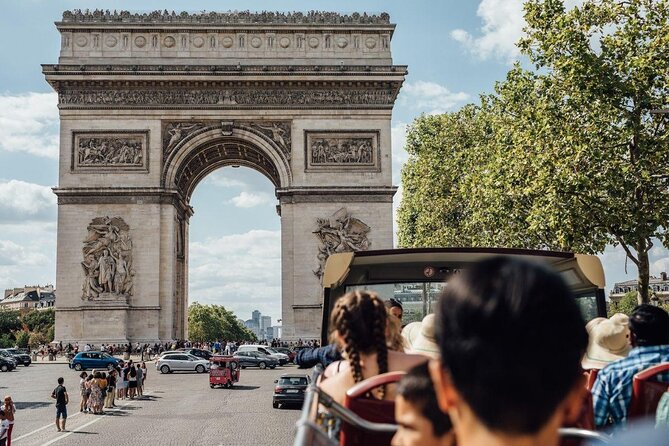
Paris is full of “photo ops,” but most tours stop at, stand here and smile. This one is different because it treats photography like a skill you can build in real time. You walk the city between famous landmarks, then your guide helps you tighten up your images with quick, practical corrections.
What makes it especially appealing is the private format. With a maximum group size of four, you’re not competing with a dozen people for attention. Guides such as Clara and William show up in the feedback as patient instructors who help you make decisions about what to include in the frame, what to adjust, and how to get a clean exposure instead of hoping auto mode will save you.
The route is also well chosen. You’re not just repeating the same streets. You get a mix of Gothic architecture, museum geometry, a major monument across water, and a wide open square. That variety forces you to use different photographic approaches, which is exactly how you get better.
You can also read our reviews of more private tours in Paris

The Walk from Pont Marie to Concorde: Simple Route, Real Shooting Time
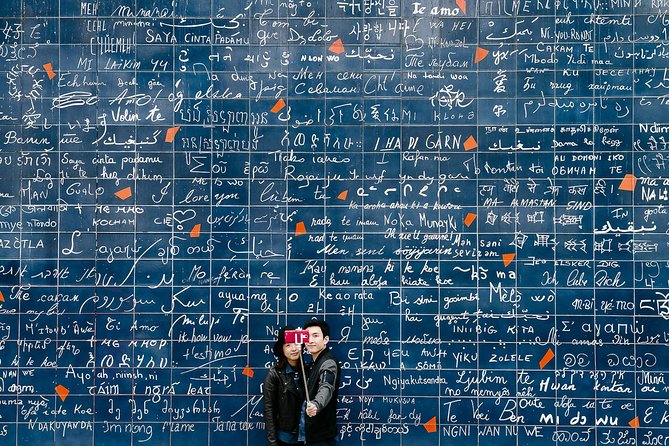
The meeting point is 3 Pont Marie (75004) and the tour ends near Place de la Concorde, typically close to Concorde – Quai des Tuileries (75008). You’ll be moving through central Paris on foot, so you can adjust quickly when the light changes or you spot a better angle.
This matters because photography is timing plus position. The walking element helps you find better viewpoints without relying on one single setup. It also keeps things flexible in bad weather, since the tour runs in all conditions. You just dress for it and keep moving.
Also note the session length: about 3 hours. With roughly 30 minutes at each major stop, you’re not touring a museum like a scholar. You’re using the time to practice, test settings, and re-shoot once your guide points out what you can improve.
If you hate rushing, you’ll still be okay, as long as you treat each location as a mini assignment. Use the guidance, take a few frames, then move on. That rhythm is what turns it from sightseeing into a learning session.
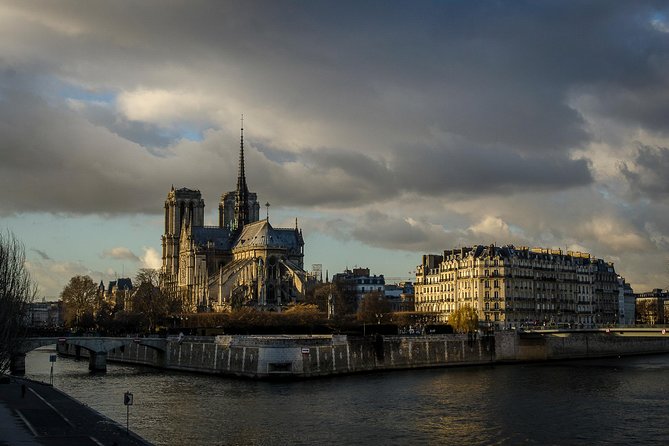
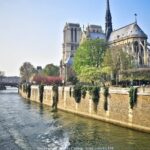
Notre-Dame de Paris Stop: How to Photograph a Big Subject Without Losing the Photo
Notre-Dame is a classic for a reason. It’s tall, detailed, and photogenic from multiple directions. In a short stop, the goal is usually not “get one perfect photo.” It’s learn how to approach a huge subject so the picture looks intentional.
Your guide helps you work the frame, which is more useful than it sounds. When you photograph a landmark, it’s easy to end up with a picture that feels flat or empty. Instead, you’ll get coaching on how to build the composition so the cathedral feels anchored in the scene. One of the most helpful points from the coaching style you’ll see in feedback is the attention to foreground elements. Even just adding a nearby detail or a leading edge can help a massive building feel more dimensional and less like a postcard pasted onto a screen.
A practical tip: bring patience for angles. Notre-Dame rewards changing your height, shifting your position, and watching the light on stone. You’ll want to think in layers: foreground, main subject, and background. That is where composition coaching pays off fast.
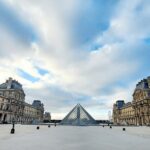
Louvre Courtyards and the Pyramid: Shooting Geometry, Not Just a Museum Sign
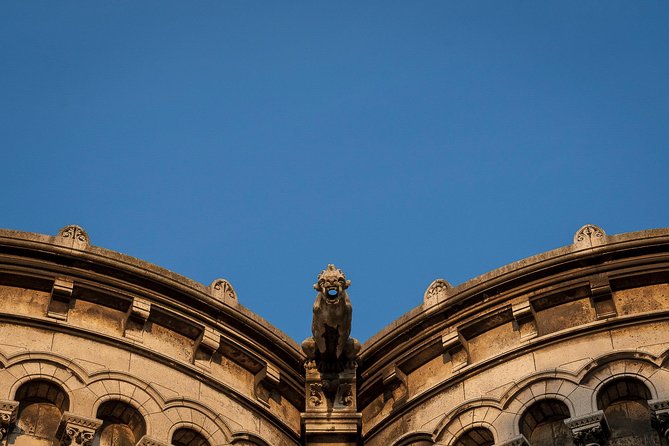
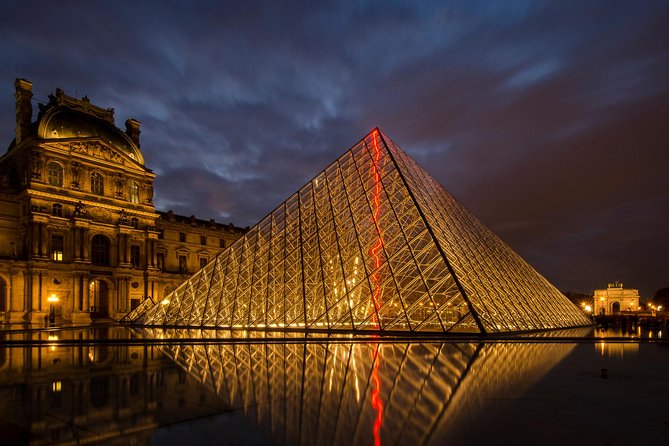
The Louvre stop is built around courtyards and the pyramid. This is where your photography skills get stress-tested in a good way. Museum architecture is full of straight lines, repetition, and clean shapes, so it’s easy to mess up perspective if you default to the first spot you see.
You’ll likely get guided feedback on alignment and how to keep the geometry clean. A pyramid can look amazing, but it’s also unforgiving. Tilt the camera too far and it starts to feel warped. Move left or right and suddenly the symmetry sings. That’s the kind of “small change, big result” learning that makes a private session worth it.
This stop also gives you a chance to practice exposure choices. Courtyard light can shift quickly depending on cloud cover and building shadows. If you’ve been relying on automatic settings, this is where you’ll learn to make more confident adjustments. The goal is not to memorize camera terms. The goal is to understand how the light and exposure work together so you can reproduce results.
And because the landmark access here is free during the session, you’re not burning time on entry. You’re using that time to shoot, review, and fix.
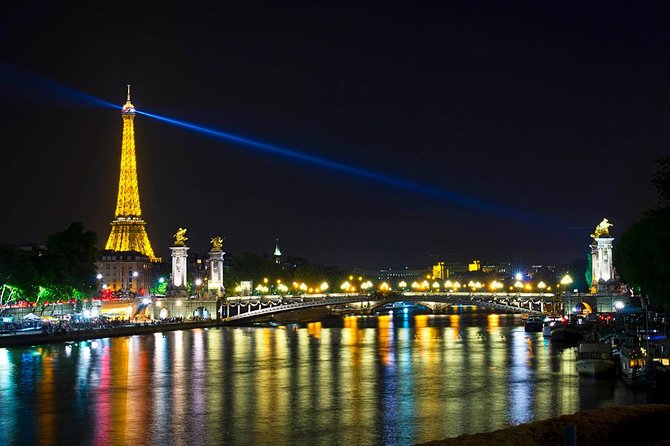
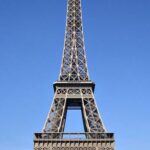
Eiffel Tower Over the Seine: Angles, Light, and Turning a Famous View into Your Photo
The Eiffel Tower is probably the most “photographed” building in Paris, which is why it’s also the hardest. Everybody aims at the tower. The winners are the people who frame it differently, timed it better, or made the scene feel layered.
Here’s where coaching can change your outcome quickly. You’ll learn how to position yourself so the tower and the water feel balanced in the frame. The Seine adds depth, reflections, and atmosphere. But it can also create messy highlights if your exposure is off.
If you book a later departure, you may get more low-light style practice. Many people talk about learning how to handle settings for night-style results, including confidence with manual shooting or aperture priority for low light. Guides like Alexander and Clara are specifically described as pushing people to think about composition and exposure instead of just copying settings from the internet.
Even if you shoot in daylight, you’ll still benefit. The Eiffel Tower stop is a masterclass in “timing your angle.” Move a step, adjust your height, and watch how the tower lines up with the strongest part of the scene.
You can also read our reviews of more photography tours in Paris
Place de la Concorde: Wide Space Practice for Fast, Clean Composition
Place de la Concorde is big and bright, and that can be intimidating on camera. Wide squares are hard because you have to decide what the photo’s subject actually is. Is it the fountains? Is it the arc of the Champs Elysees? Is it the monument-like feel of the space itself?
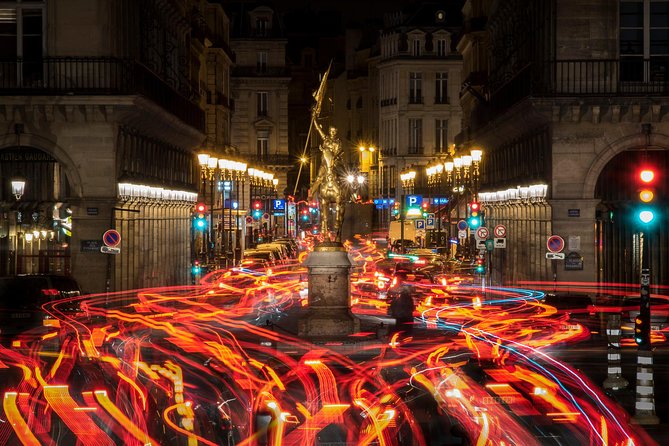
Your guide helps you turn that choice into a composition plan. This stop is ideal for practicing how to simplify a frame. When a scene is wide, you can end up with a “everything photo” that doesn’t focus. The coaching here often centers on selecting a clear foreground, placing key elements with intention, and keeping your horizons and lines under control.
There’s also a practical benefit to finishing near Concorde. It’s a major transit area, and it lines up well with continuing your Paris day or evening on your own.
Private Instruction Style: How the Best Guides Teach You to Think
This is where the reviews really point to the core value. Guides don’t just tell you what settings to use. They help you understand why. That’s why people mention confidence building, patient explanations, and constructive feedback that doesn’t feel harsh.
Across the guide names shared in feedback, a few themes show up again and again:
- You get feedback on composition, not just technical settings
- You’re encouraged to shoot, then adjust based on what you see
- Guides are patient with beginners and still helpful for advanced shooters
You’ll also notice the teaching fits different camera types. The information you’re given is what matters, not your specific device. One reviewer described using an iPhone 15 Pro Max and getting tips on the camera app and exposure behavior in low light. That suggests the instruction aims at photographic thinking first, not gatekeeping.
And because this is a private tour, your guide can tailor the session to what you want. Some people focus on cityscapes at night. Others want classic architecture. The guide can help you aim your shooting time where you’ll get the most satisfaction.
Price and Value: What You’re Paying For, and Why It Adds Up
At $205.59 per person for about 3 hours, this isn’t a budget “just walk around and take pictures” experience. So the real question is value. Here’s where the value comes from.
You’re paying for:
- A professional photographer guide (not just a route guide)
- Private instruction with a small group size (max 4)
- A structured route that covers multiple major subjects in one session
- Practical coaching you can apply immediately after you leave
The other big value piece is that the landmark stops you shoot are marked as free admission for your session. That reduces one common cost sink on sightseeing tours, so your money goes toward instruction and time.
Also, bringing your own DSLR can make the value feel better. If you already have a camera, you’re not paying extra to rent gear. If you don’t, you’ll need to fix that before booking, since the tour expects you to bring a camera.
In short, it’s worth it if you want more than photos. If you want better photos you can repeat, this kind of coaching pays off.
Gear Reality Check: DSLR Expectations, Tripod on Request, and What to Bring
The tour is clear about equipment. You should bring your own DSLR camera. A tripod is available upon request, which is important if you want longer exposures or smoother night results.
Food and drinks are not included, and the tour does not provide a camera. So you’ll want to plan your day like a normal walking lesson: eat beforehand or bring snacks nearby if you’re prone to low energy.
A simple but smart packing move: bring what keeps you steady while shooting. If you’re changing lenses or adjusting settings, you’ll want easy access and comfort. And since the tour runs in all weather conditions, pack for rain and wind. A light layer and a rain jacket can turn an annoying session into a manageable one.
Weather and Timing: How to Choose the Best Departure Window
The experience runs in all weather, so you’re not likely to get canceled just because Paris is doing its Paris thing. That said, timing affects your photos.
With departure times from morning to early evening, you can choose based on what look you want:
- Daylight departures: easier for architecture and crisp details
- Later departures: more chance for low-light practice and night-style lessons
Even if you’re not chasing a full night look, early evening can give nicer contrast. Light gets softer and shadows help you build stronger compositions.
If you want long exposure effects, ask about using a tripod. Multiple reviews mention long exposure and night coaching, so this is a realistic goal if you plan gear ahead.
Who Should Book This Masterclass (And Who Might Skip It)
This is a great match if you fall into one of these categories:
- You want to improve fast with hands-on feedback
- You love iconic Paris but want photos that feel more personal than generic
- You’re a beginner who needs calm guidance, or an enthusiast who wants better technique
It may not be the best fit if:
- You want someone else to handle everything and you don’t plan to use your own camera
- You dislike walking between central sights
- You’re hoping for a long, slow museum-style tour rather than a focused shooting lesson
Since the group is small and the route hits the big names, it works well for couples, solo shooters, and small groups who want structure.
Should You Book This Paris Photography Lesson?
If your goal is better photos you can actually repeat, I think this is a strong choice. You get private, small-group instruction tied to real locations, and you practice the skills that matter most: composition, lighting decisions, and exposure confidence.
Book it if you’re bringing a DSLR, you’re ready to shoot a lot, and you want a guide to correct your habits in the moment. Skip it if you want passive sightseeing or you’re missing the basic gear the session expects.
If you can do one photography-focused thing in Paris besides wandering the streets, this is a great way to turn that time into skills.
FAQ
How long is the Paris Photography Masterclass?
It lasts about 3 hours.
Is the experience private?
Yes. It’s a private tour, so only your group participates.
What is the maximum group size?
There is a maximum of 4 people per booking.
What language is the tour offered in?
The tour is offered in English.
Do I need to bring a camera?
Yes. You should bring your own DSLR camera. Food and drinks and a camera are not included.
Is a tripod available?
A tripod is available upon request.
Are admission tickets included for the stops?
The landmark stops listed are marked with admission tickets free.
What is the meeting point and where does it end?
You meet at 3 Pont Marie, 75004 Paris. The tour ends near Place de la Concorde, typically close to Concorde – Quai des Tuileries.
Does the tour run in bad weather?
Yes, it operates in all weather conditions, so dress appropriately.
Is transportation included?
No. Transportation to and from the attractions is not included.
What is the cancellation policy?
You can cancel for free up to 24 hours in advance for a full refund. If you cancel less than 24 hours before the start time, the amount paid is not refunded.
More Photography Tours in Paris
More Private Tours in Paris

More Tour Reviews in Paris

Not for you? Here's more nearby things to do in Paris we have reviewed



Paris City Tours, side by side.
 ★ 4.6Louvre Museum Timed-Entrance TicketTickets from $2671,977 guest reviews
 ★ 4.6Disneyland® Paris 1-Day TicketTickets from $6149,412 guest reviews
 ★ 4.6Versailles Palace and Gardens Full Access TicketTickets from $1741,579 guest reviews
 ★ 4.6Arc de Triomphe Rooftop TicketsTickets from $1834,264 guest reviews
 ★ 4.7Orsay Museum Entry TicketTickets from $1525,647 guest reviews
 ★ 4.4Evening River Cruise with MusicTickets from $2722,721 guest reviews
 ★ 4.4Eiffel Tower Entry Ticket with Optional Summit AccessTickets from $2920,035 guest reviews
 ★ 4.3Eiffel Tower Summit or Second Floor AccessTickets from $5917,248 guest reviews
This tour also belongs to