
Review · MONTMARTRE TOURS
Paris : French wine tasting in Montmartre
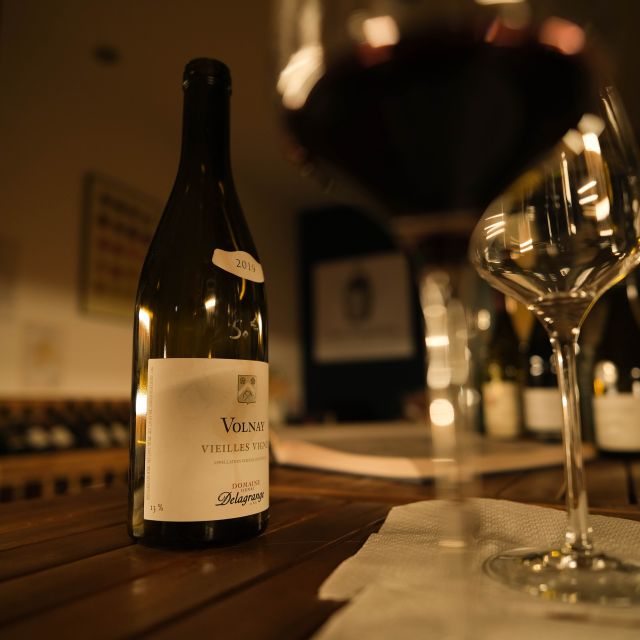
Five wines, one hour, and Montmartre magic. This French wine tasting in Paris happens in a small cave setting under the gaze of Sacré Coeur, with a guided tasting that walks you through major French terroirs while you sip.
What I like most is the tight structure, 2 whites, 2 reds, then a sparkling finish, so you learn without feeling rushed. The other big plus is the commentary that connects what’s in your glass to regions like Burgundy, Bordeaux, Rhône, and the Loire Valley.
One consideration: it’s only 1 hour. If you fall into the best kind of wine chat, you might wish the evening gave you more time, because the tasting is designed to be efficient.
Key highlights worth your attention
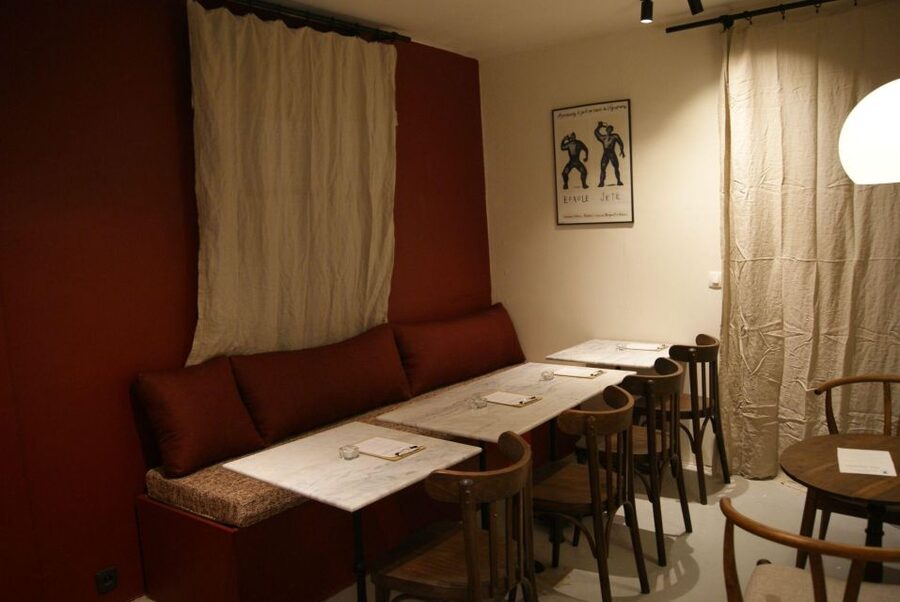
- Sacré Coeur views, cave atmosphere: A memorable setting right in Montmartre for a focused tasting.
- Five wines, guided in plain English or French: You taste across styles, not just one region.
- Clear flight order: Whites first, then reds, ending with sparkling like champagne or Crémant.
- Regional lessons that make the names useful: Burgundy, Bordeaux, Rhône, Loire show up in real tasting context.
- Small group energy: It’s a private group format, ideal for questions and back-and-forth.
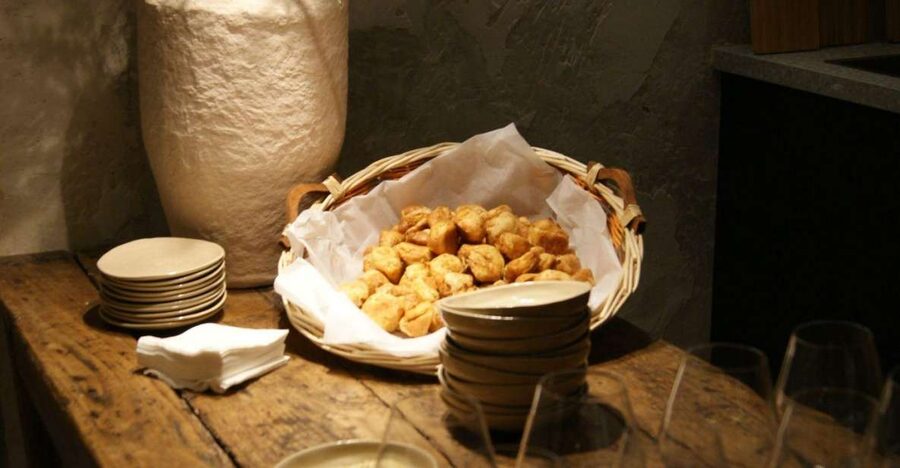
- Snacks included: You get nibs along the way, which helps the tasting flow.
Montmartre’s wine cave at 6 Rue Tardieu, right by Sacré Coeur
Montmartre can feel like a postcard, but this tasting is built around something more grounded than photos: a real wine cave experience at Les Piqueurs. Your meeting point is 6 Rue Tardieu, with rendez-vous directly at the cave. That matters, because it keeps the experience focused on wine, not on hunting down a location while you’re thirsty.
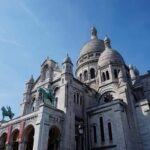
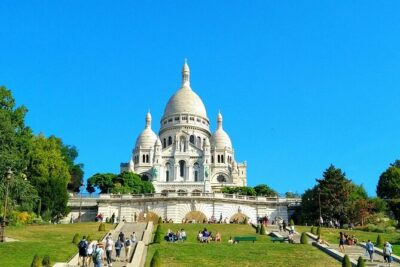
The big mood is romance plus tradition. The experience is described as happening at the foot of Sacré Coeur basilica, which gives you that instantly Paris feeling. But you’re not doing a long walking tour. You step into the cave, settle in, and get a tight tasting session that respects your time.
If you like your Paris plans with a clear start and finish, this format is a good match. If you’re the type who wants to wander for hours before you even taste wine, you may find the 1-hour length a little strict.
You can also read our reviews of more food & drink experiences in Paris


The 1-hour tasting flow: five wines with a guide who connects dots
This tasting is 1 hour, and that time is used on purpose. You’re guided through a selection of 5 wines with live commentary in either French or English.
Here’s how the flight is designed to teach:
- You start with 2 white wines.
- You move to 2 red wines.
- You finish with 1 sparkling wine, described as something like champagne or Crémant from Burgundy or the Loire Valley.
That order is practical. Whites usually feel lighter and let you reset your palate before the reds. Reds then give you more weight, tannins, and structure. Ending with sparkling is a smart palate cleanser, and it keeps the whole experience from going flat at the end.
Also, this isn’t a random “try anything” sampling. The highlight text frames it as learning the subtleties of the main French terroirs and discovering the secrets behind regions that tourists love to name, but often struggle to explain after two glasses.
Whites first: how to taste Burgundy, Loire, and the basic mechanics
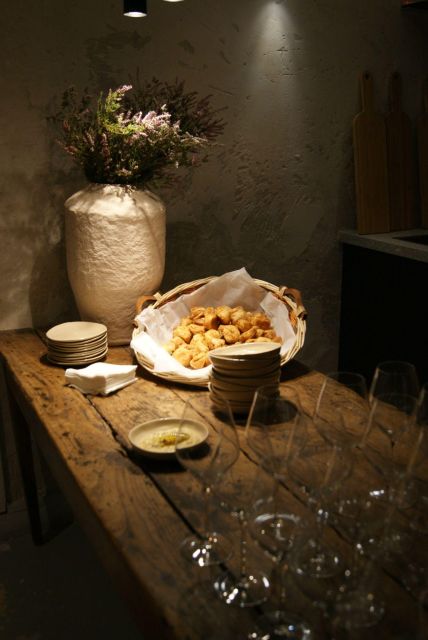
The tour content emphasizes learning the main French terroirs, including regions like Burgundy and the Loire Valley. Even without needing fancy vocabulary, that’s where the tasting gets useful.
As you begin with two white wines, you’ll naturally focus on things like acidity, freshness, and how the wine feels on your tongue. That’s not just tasting trivia. It’s the foundation for understanding why certain whites pair better with food, why some feel crisp while others feel round, and why Burgundy vs Loire gets talked about so often in wine circles.
A practical way to get more from the first stage is to pay attention to how your palate responds from glass to glass. Are you feeling more citrus and brightness in one pour? Does another feel softer or more textured? The guide’s job is to translate those sensations into something you can use later when you order wine in a Paris restaurant.
One more plus: snacks are included. That helps a lot in a short tasting, because wine can turn intense if you’re empty-handed. (In fact, reviews mention nibs along the way, which makes the session feel more like a real conversation than a formal lecture.)
Then the reds: Bordeaux, Rhône, and what structure actually means
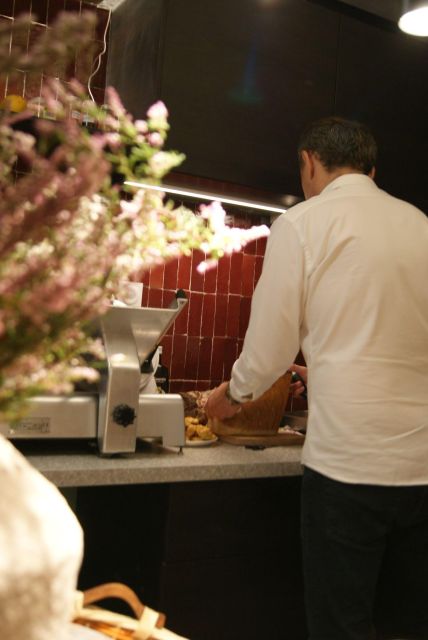
After the whites, you shift to 2 red wines. This is where you start learning the structural side of French wine: how reds can feel drying (tannins), how they carry weight, and how acidity keeps the wine from tasting heavy.
The experience description explicitly calls out regions that often differ in style:
- Bordeaux
- Rhône valley
- Burgundy (yes, still relevant for some reds)
- Loire valley (depending on the selection)
So while you taste, you’re also building a mental model for what people mean when they say a wine is elegant, powerful, or balanced. The best part is that you’re not memorizing. You’re tasting, then learning the why.
In reviews, guides are singled out for their ability to explain and answer questions in a friendly way. Names that come up include Jean-Luc and Roman, both described as approachable and good at keeping the session fun as well as informative. That matters, because French wine can feel intimidating if you think you need to know everything first.
If you want one practical takeaway from the reds, it’s this: don’t judge just by flavor. Notice the texture and the finish. Does it linger? Does it dry out your mouth? Those sensations are what your guide will help you connect back to the regional style you just tasted.
The sparkling finish: champagne or Crémant to reset your palate
Most tastings end with something sweet or heavy. This one ends with sparkling wine, described as champagne or Crémant from Burgundy or the Loire Valley.
Ending with bubbles is smart for two reasons:
- It freshens your palate after reds.
- It gives you a celebratory landing moment, especially in a Montmartre setting that already feels special.
You’ll likely notice that sparkling changes the way fruit and acidity read on your tongue. Even if you’re not a dedicated champagne person, this kind of ending can teach you how French producers build freshness and lift. And because it’s the final pour, you’re not stuck trying to process everything at once.
You can also read our reviews of more wine tours in Paris




Why the region focus actually helps you order wine later
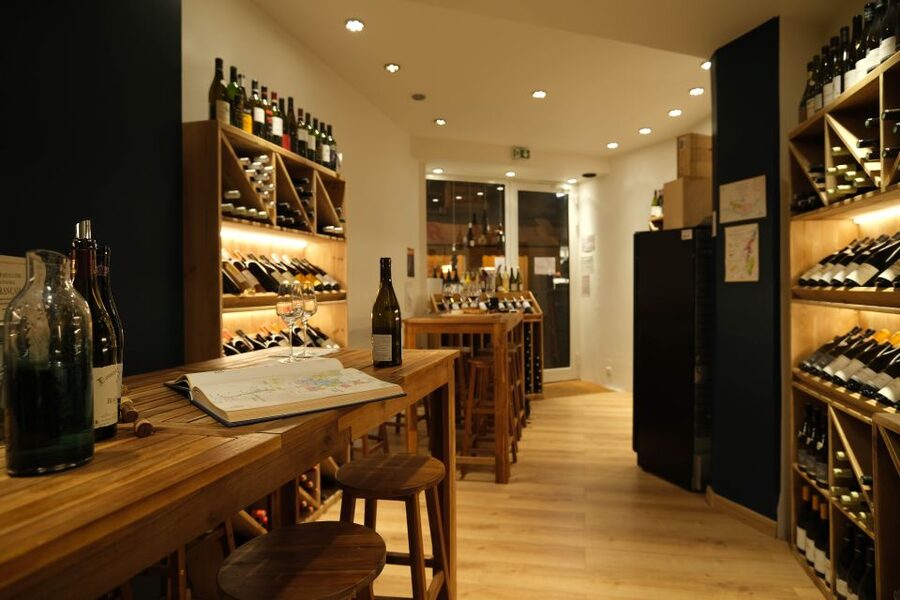
It’s one thing to hear the names Burgundy, Bordeaux, Rhône, and Loire. It’s another thing to understand what those labels mean in your glass. This tasting is built around that exact problem: helping you learn the subtleties of the main French terroirs through a tasting of multiple styles.
If you’ve ever stood in a wine shop in Paris feeling blank, this is where the value comes from. You’re not just buying a bottle. You’re learning a short, practical language for choosing wines.
Think of it like this: after the tasting, you should be able to make better guesses at restaurants. Not perfect guesses, but better ones. You’ll understand which whites are likely to feel crisp, which reds bring more structure, and how sparkling fits the mood of a meal.
That’s also why the 1-hour format works. You’re learning a compact lesson you can carry with you immediately, rather than a long course that fades from your memory before your next wine order.
Guide style and the human touch: Jean-Luc and Roman in the spotlight
The experience is led by a live tour guide speaking French or English, and the vibe in reviews points to more than just technical talk. People describe the guides as approachable, friendly, and easy to ask questions. Names that come up include Jean-Luc and Roman.
That matters more than it sounds. Wine tasting can go two ways: stiff and performative, or relaxed and interactive. This one leans toward relaxed, because guests end up staying past the hour to keep talking and asking questions. You can interpret that as a sign that the guide does more than read tasting notes. They respond to you.
So if you’re the kind of person who asks, What does that mean? or Why do people talk about that region? you’re in the right place. Private group format helps here, because you’re not fighting to be heard in a big crowd.
A tiny drawback: since it’s private and time is limited to 1 hour, the session may feel like it has a natural finish line. If you want a long, unstructured wine night, you may need a second stop after your tasting.
Price and value: is $81 per person fair for five wines in Paris?
$81 per person is not bargain-bin pricing in central Paris. But the value math looks better when you break down what’s included.
You get:
- A 1-hour guided experience
- 5 wines total (2 whites, 2 reds, 1 sparkling)
- Live commentary in French or English
- Snacks (nibbles are mentioned in reviews)
The practical question is whether you’re paying for wine alone or for instruction. Here, you’re paying for both. If you’ve ever bought a few bottles and then wondered why you liked one more than the other, instruction changes what you do next.
Also, the setting adds real value. Montmartre is not just scenic, it’s part of the emotional payoff of Paris. Being at the cave at Les Piqueurs under the Sacré Coeur atmosphere makes the tasting feel like an experience, not a transaction.
If you’re a total beginner and want maximum guidance, the price starts to make sense quickly. If you already know your way around wine and only want a quick taste, you might feel the time is short. But the structure and the regional focus are the selling point, not just the number of pours.
Who should book this Montmartre wine tasting, and who should skip it
This fits best if you want:
- A guided introduction to French wine by region, with clear context
- A short, high-quality plan in Montmartre that does not eat your whole day
- A private format where you can ask questions easily
- A tasting sequence that ends on a celebratory note with sparkling
It’s not suitable for:
- Children under 18
- Pregnant women
If you’re traveling with kids, you’ll need a different wine plan. If you’re pregnant, this one is explicitly not for you.
Also, if you dislike structured activities and prefer free-form wandering, you may prefer a longer wine bar session where you can stay as long as you want. But for many adults, one hour is just the right length.
Practical tips to get the best from your glass
Here are a few things you can do so the tasting lands well, not just as a drink.
- Arrive a bit early at 6 Rue Tardieu so you can settle without stress. Montmartre can throw off timing.
- Ask one question early. If you want the guide to tailor explanations, ask about the region you’re most curious about, like Bordeaux or Rhône.
- Taste by sensation, not by memory. The point is to learn what you feel in the glass so you can recognize it later.
- Pair the tasting with a meal plan. You’ll be tasting multiple wines in a short time. If dinner is soon after, you’ll probably enjoy it more than if you try to go straight from tasting to something unrelated.
- Be open to buying a bottle. One review mentions taking some wine away because it was delicious. That’s a sign the tasting encourages real choices, not just sampling.
Should you book this Paris French wine tasting in Montmartre?
If you want a focused, high-impact wine experience in the Sacré Coeur area, I think this is an easy yes. The strongest reasons are practical: you get five wines, a clear order, and guidance that aims to make Burgundy, Bordeaux, Rhône, and Loire feel real, not just like labels.
Book it if you like guided learning, enjoy conversation with a friendly guide, and want a short activity you can slot into a Montmartre day without losing your whole evening.
Skip it if you need long, slow wine time, or if your priority is sheer volume of pours rather than structured tasting and regional context. In that case, you’ll likely prefer a wine bar where you can stay as long as you want.
FAQ
How long is the wine tasting in Montmartre?
The experience lasts 1 hour.
What wines are included in the tasting?
You’ll taste 2 white wines, 2 red wines, and 1 sparkling wine.
In what order are the wines served?
The tasting starts with 2 white wines, then 2 red wines, and finishes with a sparkling wine like champagne or Crémant.
Where do I meet the guide?
The meeting point is 6 Rue Tardieu, with rendez-vous directly at the cave Les Piqueurs.
Is the tour group private?
Yes, it is described as a private group.
What languages are available?
The live guide speaks French and English.
Is this experience suitable for children or pregnancy?
It is not suitable for children under 18 and not suitable for pregnant women.
What is the cancellation policy?
Free cancellation is available up to 24 hours in advance for a full refund.
More Wine Tours in Paris
More Food & Drink Experiences in Paris

More Tour Reviews in Paris



Not for you? Here's more nearby things to do in Paris we have reviewed






Montmartre Tours, side by side.
 ★ 5.0Montmartre Hidden Gems and Scenic Highlights Walking TourTickets from $382,684 guest reviews
 ★ 5.0Montmartre Hill French Gourmet Food and Wine Tasting Walking TourTickets from $1452,588 guest reviews
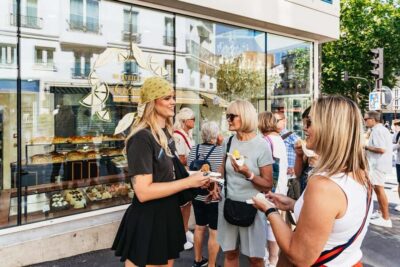 ★ 4.8Montmartre Cheese, Wine & Pastry Guided Walking TourTickets from $1272,255 guest reviews
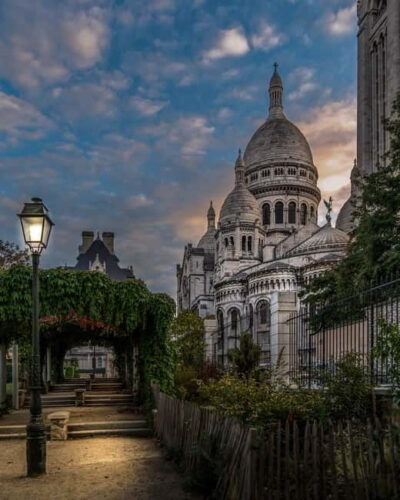 ★ 4.9Montmartre Highlights Walking Tour with a Local GuideTickets from $341,668 guest reviews
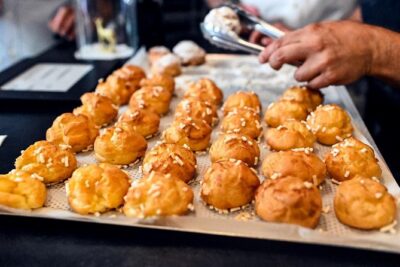 ★ 5.0Private Montmartre Food Tour with Wine, Cheese & PastriesTickets from $3021,027 guest reviews
 ★ 4.1Sacré-Coeur and Montmartre Tour with Expert GuideTickets from $281,027 guest reviews
 ★ 5.0Paris Montmartre Food Tour – A Full French Meal by Do Eat BetterTickets from $95877 guest reviews
 ★ 5.0Hidden Montmartre: Paris’ Secret Streets Walking TourTickets from $44809 guest reviews
This tour also belongs to