
Review · PARIS CITY TOURS
Paris: Color analysis
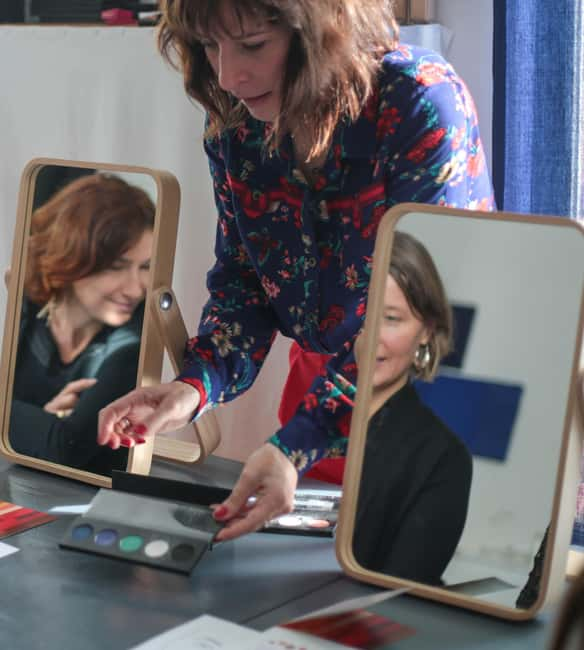
Color can change how you look fast. A one-hour draping session turns guesswork into real color choices. I love that it focuses on personalized draping instead of generic labels, and the vibe is calm, bright, and very Parisian in the Canal Saint Martin area.
The other big win for me is the practical payoff, you leave with a color book and a pocket chart you can actually use when you shop. One thing to consider before you go is the location: it’s on the 5th floor without elevator, so comfortable stairs matter.
Key Things You’ll Notice Right Away
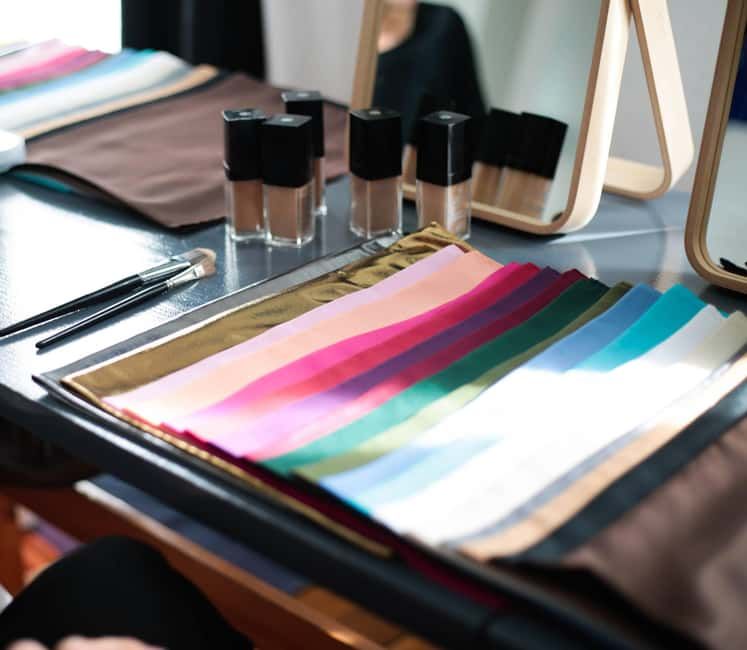
- Draping method over 4-season boxes for better fit across different complexions
- Warm or cold and bright or soft are determined with fabric tests near your face
- Clothing and accessory color advice built for real outfits, not just theory
- Makeup shade guidance with a visible before-and-after effect
- Hair color direction so you know what tones work next to your face
- Two take-home tools, a color book and a pocket color chart
Why Paris Color Analysis Feels Different Than Online Color Tests
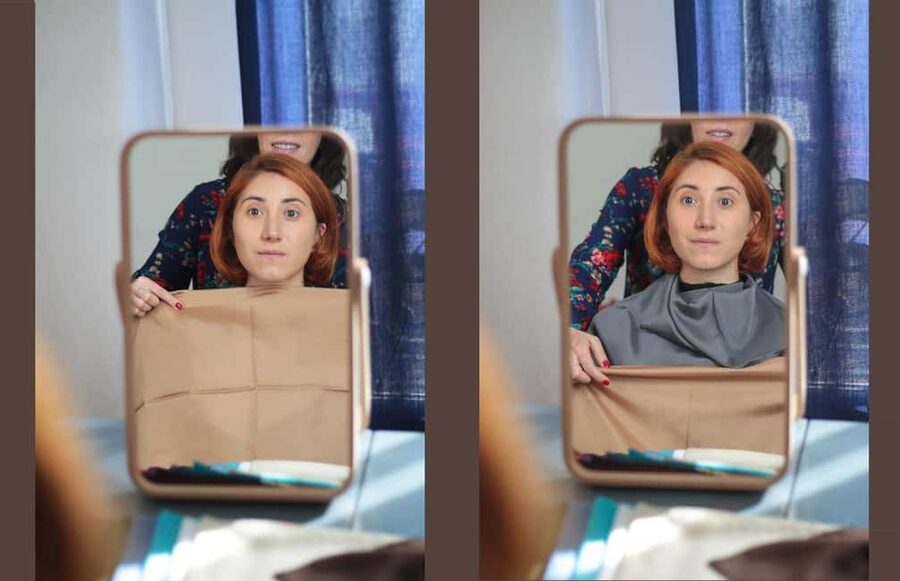
A lot of color advice online is based on rules. This session starts with your face and actual fabric colors. In plain terms, you’re doing a “see it on you” test to find what boosts your complexion and eyes.
The method is built around a few core axes, warm vs cold, and then bright vs soft, plus darker vs lighter impacts. You’re not just learning a vibe, you’re learning which tones make your features look clearer, healthier, and more defined.
What I like is that the session doesn’t push you into a label box. The approach is draping-based, which helps when your coloring doesn’t fit neatly into the popular four-season system.
You can also read our reviews of more tours and experiences in Paris.

Getting to the Studio Near Canal Saint Martin, and What the Space Is Like
The workshop is in the trendy Canal Saint Martin district, close to fashion boutiques, restaurants, and lively bars. Even with that energy outside, the studio location is described as quiet and bright, which matters because good lighting helps you see color effects accurately.
You meet at 16 av Claude Vellefaux, and the studio is on the 5th floor without elevator. The staircase is described as wide and easy, but it’s still a real factor, especially if you’re bringing a bag with makeup and glasses.
It’s also a private group experience, so the pace can stay focused. You’re not competing for attention, and you can ask specific questions as you go.
Step 1: The Draping Method Tests Your Face With Real Fabrics
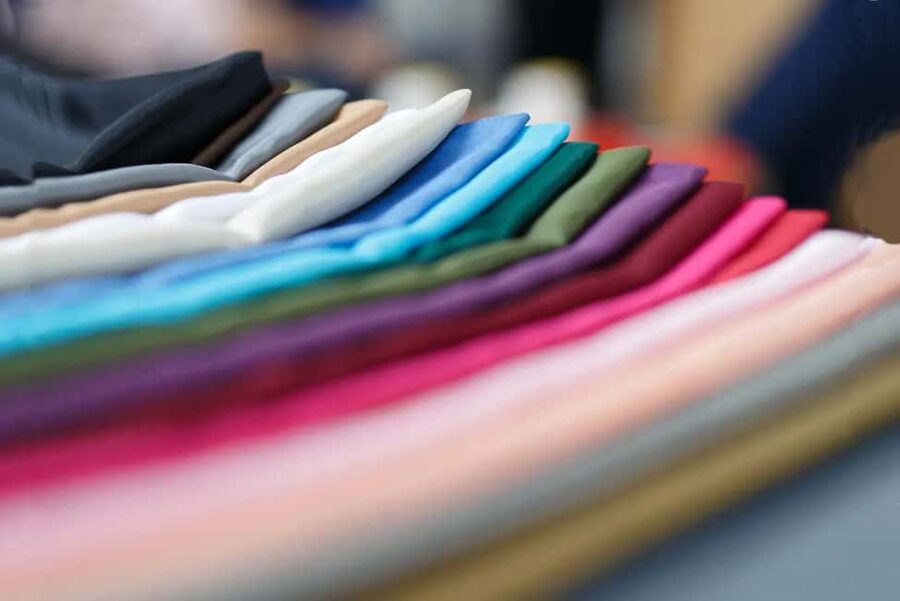
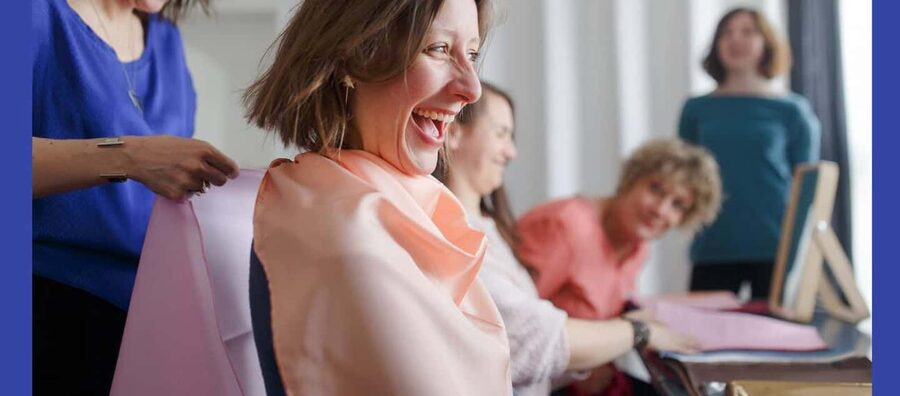
This is where the whole experience clicks. The stylist uses a set of fabrics near your face, and you watch how different colors change your look.
You’ll first explore color awareness in a practical way. You’ll test whether you fall into the warm range or the cold range. That part is key, because it affects everything else, from lipstick to knitwear.
Then you move beyond warm or cold. You’ll learn if the colors that brighten you most are bright, muted, or darker. The goal is not just knowing your categories. The goal is learning what your face responds to under normal lighting and in everyday clothing.
This is also why draping works better than static charts. Fabric lets you compare tones side by side, and you can see which one makes your skin look more even and your eyes look more awake.
Step 2: Turn Your Findings Into Outfit and Makeup Choices
Once the draping results are clear, the session turns into advice you can use immediately. This step is about choosing what goes on your upper body, because that’s where color does the most visual work.
You get guidance for:
- Upper body clothing colors and accessories
- Makeup colors that support your features
- Hair color direction that complements your results
The advice is designed to make you feel like you’re choosing confidently, not following a strict costume rule. The stylist’s mission is to help you become concretely autonomous in choosing your colors, rather than collecting a label that doesn’t help you shop.
If you’re the kind of person who buys something pretty but then feels off wearing it, this step is built to fix that pattern. The whole point is matching tones to your face so clothes start working for you.
What You Leave With: Your Color Book and Pocket Chart
You don’t just get a thumbs up or a vague recommendation. You leave with two documents that do the heavy lifting after the session.
First, you get a color book that summarizes your colorimetry results and includes the advice tailored to what you tested. Think of this as your reference for makeup shades, accessory tones, and the kind of clothing colors to look for.
Second, you receive a pocket color chart meant for real shopping. It’s the “bring it with you” tool, so you can hold it near items in stores and quickly see what matches.
This matters in Paris, where you’ll probably see bold fashion colors everywhere. With the pocket chart, you’re not forced to guess. You can decide fast and build outfits without second-guessing every top in the rack.





Makeup in the Session: Why Seeing the Effect Matters
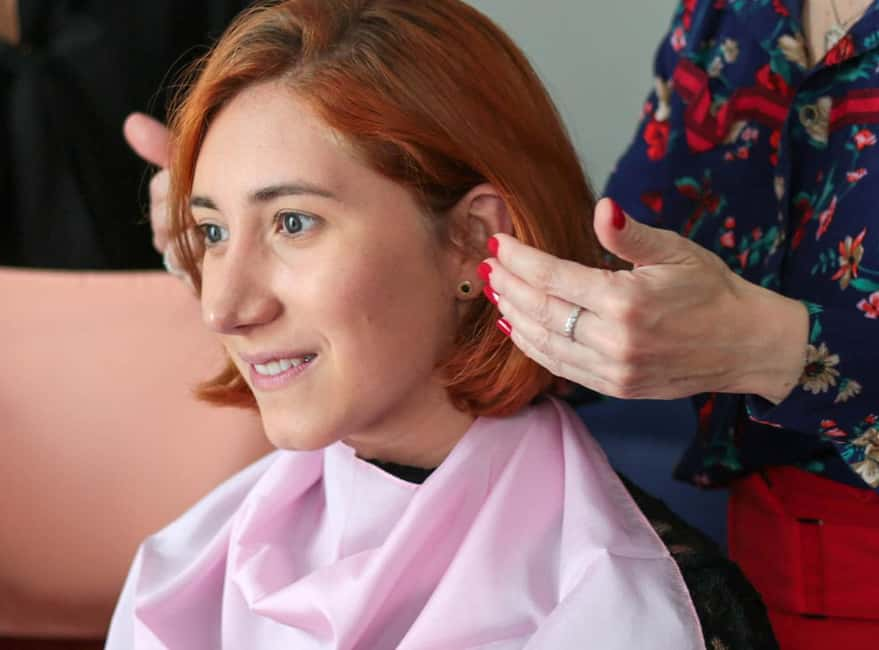
One of the most praised parts of the experience is the makeup component. In practice, the stylist doesn’t just explain what might work. She applies makeup as part of the session so you can see how the chosen tones interact with your face.
That’s a big deal, because makeup shades can look great in a compact or on a swatch, but behave differently on skin. Once you see the effect, you understand which colors create that clean, healthy glow and which ones make your features look washed out.
Also, makeup-free is part of the preparation. You come without makeup, then bring your makeup in your bag if you want to keep working with your own products. Glasses are also recommended so you can check colors clearly while testing.
If you like photos, this kind of setup tends to pay off, because you can test how colors look for a camera and not just in a mirror.
Hair Color Advice: Small Changes That Can Look Like a Big Upgrade
Hair is one of the hardest color decisions to get right. The session includes advice for choosing the right color for your hair based on your draping results.
Instead of a generic “warm hair, warm colors” rule, you’re matched to the tones that suit your face. That means you’re aiming for harmony, not just trendiness.
Even if you’re not planning to dye your hair right away, this guidance still helps. You can use it when choosing highlights, toner direction, wigs, or even deciding what undertones to look for when you buy hair coloring products.
This is also a place where people often realize they’ve been fighting their own coloring without knowing it. A few shifts in tone can make skin look clearer and eyes pop more.
Price and Value: Is $165 for One Hour Worth It?
At $165 per person for a 1 hour private session, the cost is not casual. But you’re paying for a focused, personalized process with real fabric testing and take-home tools.
Here’s the value logic that makes sense to me:
- You get immediate clarity on what works for warm/cold and bright/soft/darker impacts.
- You get advice that covers clothes, accessories, makeup, and hair, all linked to your results.
- You leave with a color book plus a pocket chart, which can save time and money when shopping.
If you already know your colors and you just want a quick refresher, this may feel like overkill. But if you’ve ever bought outfits that looked great on the hanger and wrong on you, this type of session can quickly pay for itself in avoided returns and better wardrobe choices.
The biggest “value” is that you get autonomy. Instead of chasing trends, you learn how to select colors that consistently flatter you.
Who Should Book This Color Analysis Session?
This is best for adults who want practical color guidance, not just entertainment. The session is designed for personalization, so it can help even if you’ve tried the standard four-season approach and felt like it didn’t fit.
You might be especially happy if:
- You struggle to choose clothing colors that suit you
- You want makeup and hair shade direction that connects to your complexion
- You like the idea of building outfits with confidence using a pocket chart
Two clear limitations matter. It’s not suitable for children under 18 and not suitable for people over 70. Also, you’ll need to do makeup-free prep, bring glasses, and be comfortable doing testing with fabrics near your face.
Should You Book This Paris Color Analysis Session?
I think you should book if you want actionable color choices and you’re tired of vague advice. The draping method and the take-home color book plus pocket chart make it feel like a tool, not a one-time show.
Skip it only if stairs are an issue for you or if you’re looking for a long day trip. This is a tight, focused hour. The best use is to schedule it when you can shop afterward, so you can test your new color knowledge right away in Paris.
If you’re visiting for fashion, beauty, or simply want to look your best in photos, this is one of the more useful “Paris experiences” that doesn’t fade the moment you leave.
FAQ
What happens during the color analysis?
The session uses the draping method with fabrics to help you identify whether you are in a warm or cold range, and whether bright, muted, or darker colors brighten your complexion and eyes.
How long is the workshop?
It lasts 1 hour.
Is it based on the 4 seasons method?
No. The stylist uses draping for personalization and does not rely on the traditional 4 seasons labeling.
What color advice do I get?
You get guidance for the right colors for your upper body clothing and accessories, plus advice for makeup colors and for choosing the right color for your hair.
What do I take home?
You leave with a color book summarizing your results and advice, and a pocket color chart to help you choose colors while shopping.
Do I need to come makeup-free?
Yes, the guidance is to come with makeup-free. You can bring your makeup in a bag.
What should I bring for checking colors?
Bring your makeup (in a bag) and your glasses to help you check colors.
Where is the meeting point?
The workshop is at 16 av Claude Vellefaux on the 5th floor without elevator. The nearby metros listed are Goncourt (line 11) and Colonel Fabien (line 9).
What languages does the instructor speak?
The instructor offers the session in French and English.
Is the session private or shared?
It’s a private group experience.
More Tour Reviews in Paris
Not for you? Here's more nearby things to do in Paris we have reviewed










Paris City Tours, side by side.
 ★ 4.6Louvre Museum Timed-Entrance TicketTickets from $2671,977 guest reviews
 ★ 4.6Disneyland® Paris 1-Day TicketTickets from $6149,412 guest reviews
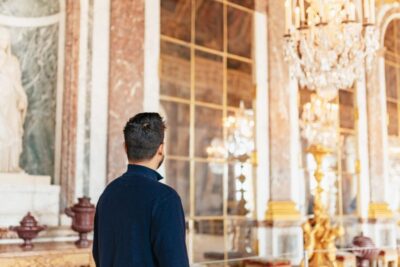 ★ 4.6Versailles Palace and Gardens Full Access TicketTickets from $1741,579 guest reviews
 ★ 4.6Arc de Triomphe Rooftop TicketsTickets from $1834,264 guest reviews
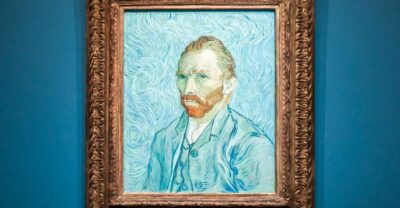 ★ 4.7Orsay Museum Entry TicketTickets from $1525,647 guest reviews
 ★ 4.4Evening River Cruise with MusicTickets from $2722,721 guest reviews
 ★ 4.4Eiffel Tower Entry Ticket with Optional Summit AccessTickets from $2920,035 guest reviews
 ★ 4.3Eiffel Tower Summit or Second Floor AccessTickets from $5917,248 guest reviews