
Review · PARIS CITY TOURS
Paris: Cheese and Wine Class in a 17th Century Cellar
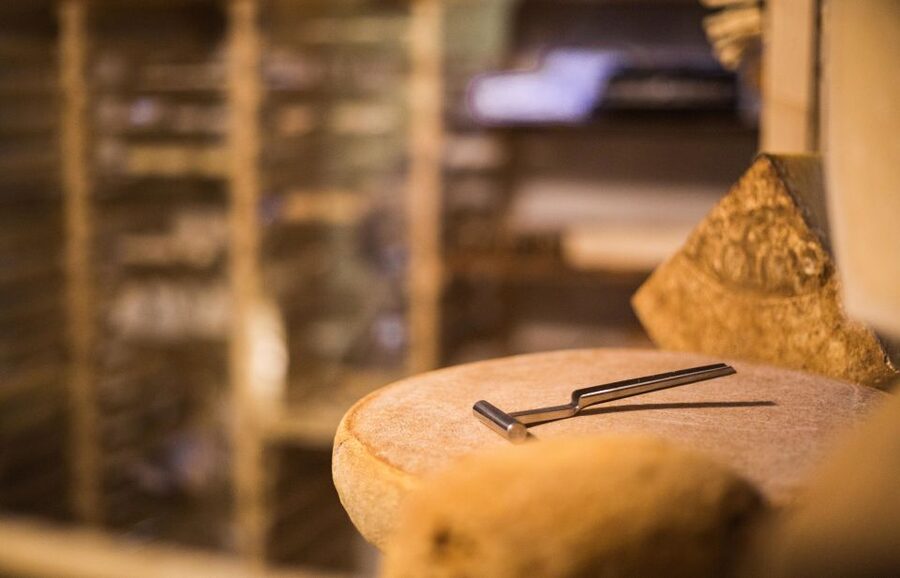
French cheese gets real in a cellar. This small-group class at Musée Vivant du Fromage lets you taste your way through French cheese choices in a 17th-century setting. I especially like the structure, 7 cheeses with 3 wine pairings served with bread, so you can compare flavors without guesswork.
The second big plus is the guide experience. English hosts such as Gala, Agathe, Pierre, Marie, and Guillaume are repeatedly praised for explaining how cheeses are made and why aging changes everything, and they keep the mood friendly. One thing to plan around: it is not suitable for lactose intolerance, and you must be 18+ for the wine tastings.
Key highlights you will feel fast
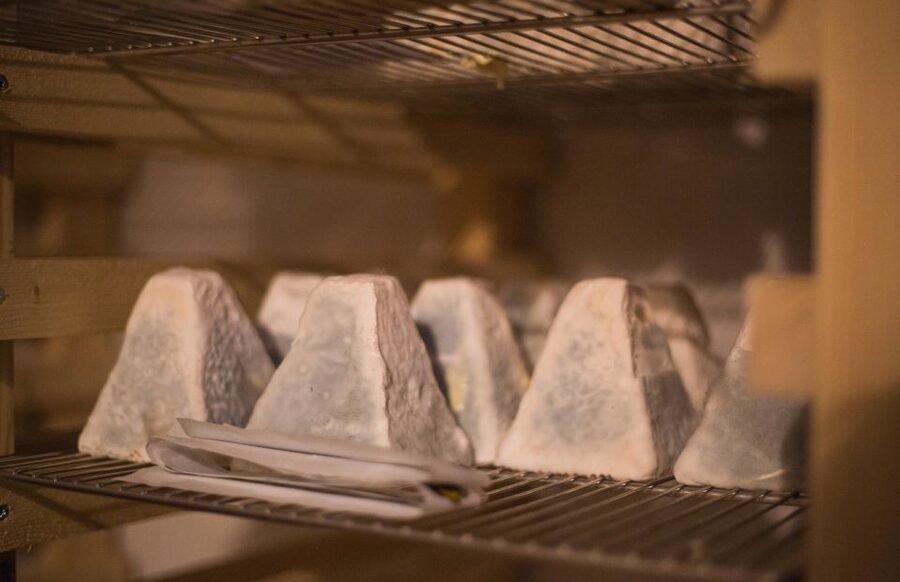
- A 17th-century cellar vibe at Musée Vivant du Fromage, where tasting happens in an old-world setting
- 7 cheese tastings from different regions and milk types, with attention to texture and flavor changes
- 3 wine pairings, alternating sips and bites so you can taste the logic, not just the results
- Bread on the side, including fresh baguettes, to reset your palate between cheeses
- Small-group feel with an English-speaking instructor, with room for questions
Entering the Musée Vivant du Fromage cellar
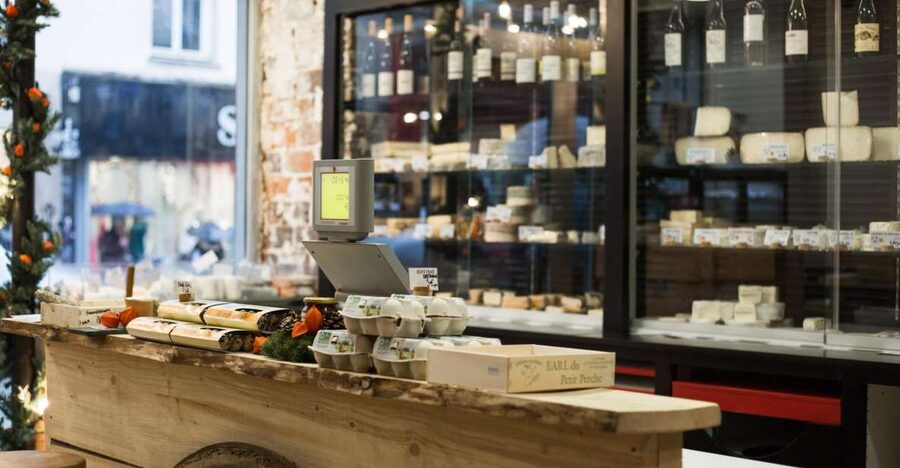
This class starts at Musée Vivant du Fromage, 39 rue Saint Louis en l’île in Paris (75004). Expect to walk into a cheese-focused space and then move down into the cellar atmosphere, which is part of the point here. A cellar is cool, quiet, and built for aging, so it matches what you are learning about cheese.
If you like tours that do more than point at food, you are in the right place. This experience is designed around comparison, where each cheese gets its own moment, then you pair it with wine. That keeps it from feeling like random sampling.
There is no pick-up or drop-off included, so build time to arrive on your own. And one practical note, pets are not allowed.
You can also read our reviews of more wine tours in Paris


The 90-minute format: how the tastings actually work
The workshop runs about 90 minutes, which is a sweet spot. Long enough to learn the basics of French cheesemaking and aging, but short enough that you still enjoy the whole experience without rushing or getting sluggish.
Inside, the rhythm is simple and effective:
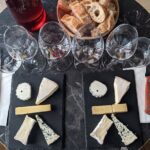
- You taste 7 cheeses
- You get 3 wine tastings
- You also nibble fresh baguettes
- The experience is built around pairing, so you alternate bites of cheese with sips of wine
That alternating pattern matters more than it sounds. Cheese can taste intense all by itself, then totally different when wine hits the palate. By pacing it this way, you learn what each pairing is doing for you, acidity, sweetness, tannins, and how they react to fat and salt in the cheese.
What you learn about French cheese production and maturing
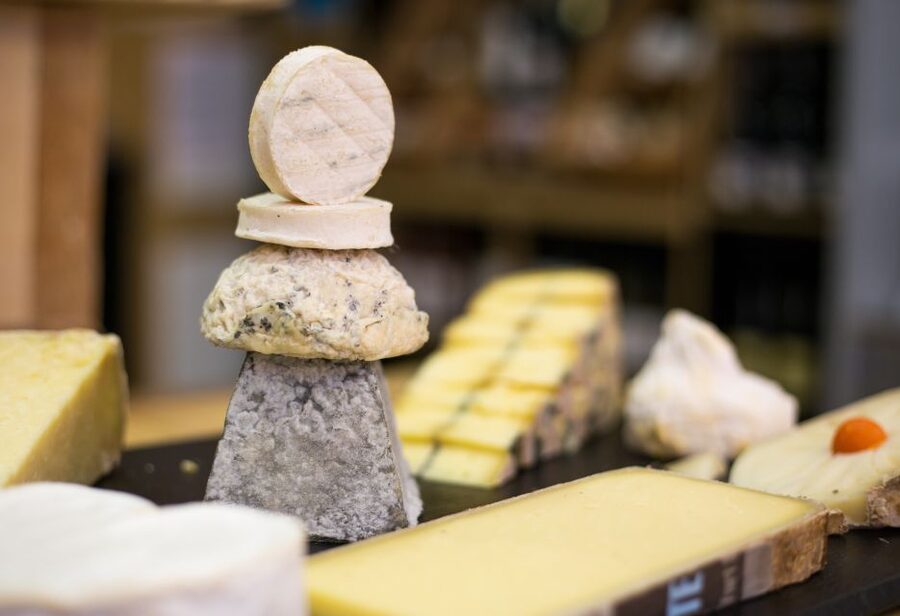
A big part of the class is understanding the work behind what you taste. You get an expert explanation of traditional cheese production, and you also focus on the maturing process, meaning aging time and conditions. Aging is where the personality of cheese shows up, flavors deepen, textures change, and even aromas shift.
If you have ever tried to describe cheese and felt stuck, this is why the class helps. You stop thinking only in terms of flavor words like sharp or creamy, and start connecting what you smell and taste to what happened during maturation.
I also like that the class is built for conversation. Multiple guides named in past classes, including Gala and Agathe, are praised for making explanations clear and for answering questions. That means you can bring your own cheese confusion, salty blues, washed rinds, soft bloomy cheeses, and get real feedback.
The cheeses: 7 varieties you can compare side by side
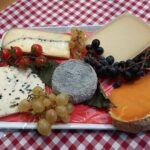
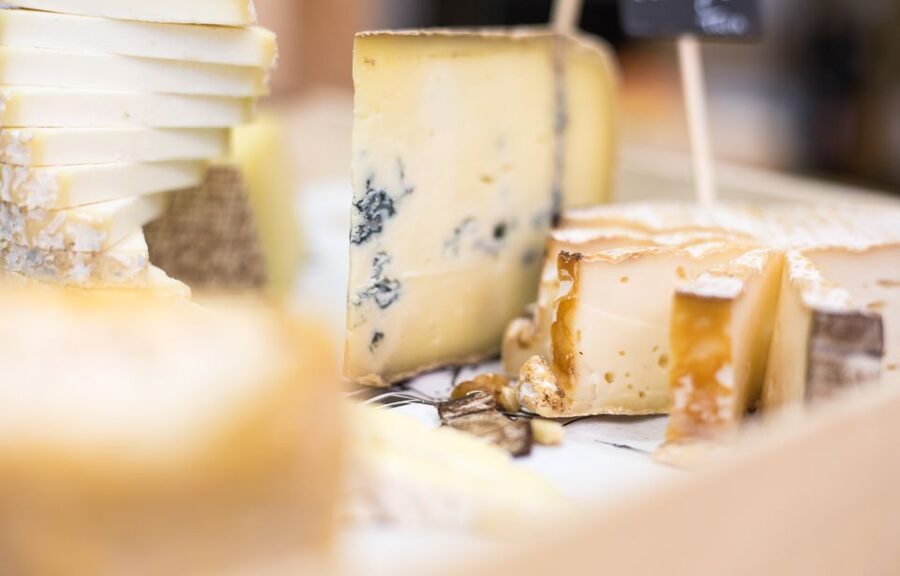
The tasting covers seven different cheeses from across France. The important part is not just quantity, it is variety: different regions, different types, different textures, and different milk bases. That mix helps you understand why French cheesemaking does not work as a one-size-fits-all style.
When you taste multiple styles back to back, you start noticing patterns. For example, how rind-washed cheeses often taste more savory and pungent, while softer cheeses tend to feel more buttery or mushroomy, and how semi-hard or hard cheeses can turn nutty with age. You might not memorize every detail, but your palate begins to sort categories.
It is also one reason the cellar setting is more than atmosphere. Cheese is alive, and aging is active, so tasting in a place dedicated to aging makes the lesson click.
Wine pairing: why 3 wines can teach you a lot
You get three French wines paired to complement the cheese. The class is not about teaching wine trivia for its own sake, it is about how pairing changes what you think you taste.
Wine structure usually drives the pairing, and the pairing approach here is designed to help you notice it:
- Pairing wine acidity with richer cheeses can make the flavors feel cleaner
- Pairing tannic structure can reshape how salty or fatty cheeses feel
- Slight sweetness or aromatic lift can balance strong or earthy notes
Even if you are not a wine person, you can still learn from the comparisons. The alternating bites and sips keeps it practical, you are constantly recalibrating your palate.
One small bonus: some classes have offered a 10% discount on wine purchased at the end. That is not guaranteed in the provided info, but it is worth asking if you want to bring something home.
More Paris tours and experiences for the shortlist
Bread and palate resets, the unglamorous hero
Yes, you taste cheese and wine, but you also get bread, including fresh baguettes. This is not filler. Bread helps reset your palate so the next cheese does not blur into the last one.
Think of it like a palate eraser. After a strong bite, a little bread and a sip of water can help you start fresh for the next tasting. That makes the class feel more educational, because you can actually tell what changed between cheeses.
Meeting your guide and getting real answers
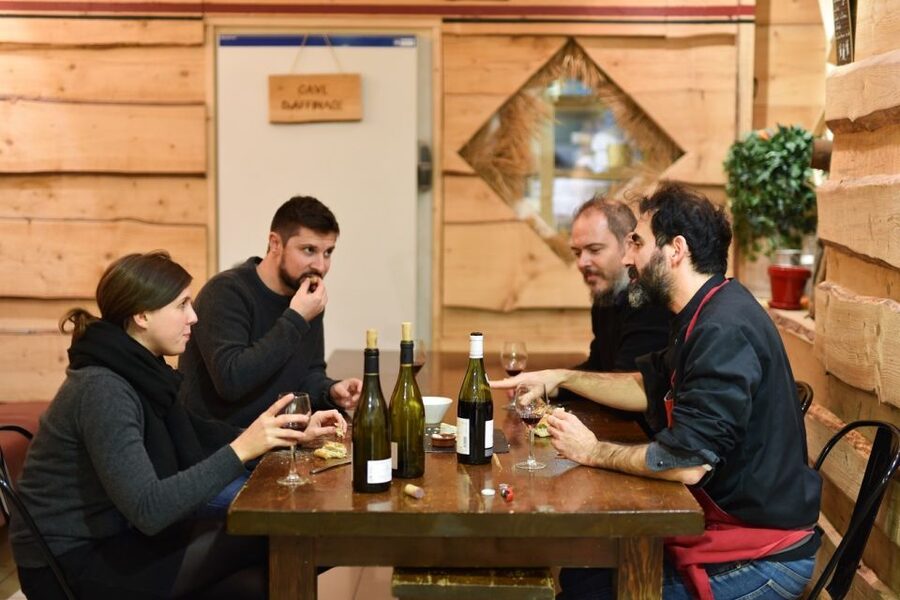
This is an instructor-led class in English, with a professional cheese and wine guide. In past groups, the hosts have included Pierre, Guillaume, Agathe, Gala, and Marie, and they are repeatedly described as interactive and fun, with plenty of time for questions.
That is what I look for in a food class in Paris. You want someone who can explain without turning it into a lecture. The best part here is that the guide is positioned as your interpreter for flavors, not just a server with a clipboard.
You also benefit from the small-group nature. One class size mentioned was around 12 people, which usually means you get personal attention and you can ask follow-ups without waiting your turn for a long time.
Price check: is $82 good value for this experience?
At $82 per person for 90 minutes, you are paying for three things at once:
1) expert guidance for cheese production and aging,
2) a structured tasting with 7 cheeses and 3 wines, and
3) the special setting in a dedicated cheese museum cellar.
In Paris, that is a fair deal when you compare it to paying separately for wine tasting plus specialty food tasting. The value comes from the pairing logic and the comparison format. You are not just eating good cheese, you are learning how to taste it.
Also, the group is small, which typically improves the experience quality for the money. If you like asking questions, this format tends to pay off quickly.
Who this cheese and wine cellar class fits best
This is a strong match if you:
- Love French food and want something more hands-on than sightseeing
- Want to learn why cheeses taste different, not just which ones are famous
- Enjoy wine pairing as a tasting skill, even if you are not a hardcore collector
- Prefer an English-led class with a small group feel
It is not a match if:
- You have lactose intolerance, since the class is specifically noted as not suitable
- You are under 18, because the minimum drinking age for the wine tastings is 18+
If you are a solo traveler, you will likely enjoy it for the social pacing. If you are a couple, it works well because the class structure gives you shared moments to compare notes.
Simple planning tips so you enjoy it
Wear something comfortable. You are in a cellar setting, and you will spend most of the time tasting and listening rather than walking around outdoors.
Come hungry but not starving. With 7 cheeses and wine, you will likely feel satisfied by the end. If you arrive after a heavy meal, some flavors may blur.
If you care about pace, remember it is built around alternating cheese and wine. You are not meant to chug or rush. Let the class guide your tasting rhythm.
And if you are bringing questions, bring them. If you have a favorite cheese from a market stall, ask how it fits into the broader style categories. You will get more out of the time that way.
Should you book this Paris cheese and wine class?
I would book it if you want a structured, English-led tasting that actually teaches you the logic behind French cheese and wine pairing. The combination of 7 cheeses, 3 wine pairings, and bread, all in a 17th-century cellar setting, makes it feel like more than a snack stop.
Skip it if lactose intolerance is an issue, or if you are not up for wine tastings where the minimum age is 18. Also, if you are expecting a quick photo-and-go experience, this one is more about slow tasting and guided learning.
If you want a fun Paris activity that stands apart from museum days and gives you a new appreciation you can use later at cheese counters, this class is an easy yes.
FAQ
Where is the meeting point?
The class meets at Musée Vivant du Fromage, 39 rue Saint Louis en l’île, 75004 Paris.
How long is the experience?
It lasts about 90 minutes.
How much does it cost?
The price is $82 per person.
What is included in the class?
You get a professional cheese and wine guide, tastings of 7 cheeses and 3 wines, and bread.
Is the instructor English-speaking?
Yes, the instruction is in English.
What is not included?
Pick-up and drop-off are not included.
Is there a cancellation option?
Yes. Free cancellation is available up to 24 hours in advance for a full refund.
What is the minimum drinking age?
The minimum drinking age is 18 years old.
Is the class suitable for lactose intolerance?
No. It is noted as not suitable for people with lactose intolerance.
Are pets allowed?
No. Pets are not allowed.
More Cheese in Paris
More Wine Tours in Paris


More Tour Reviews in Paris


Not for you? Here's more nearby things to do in Paris we have reviewed






Paris City Tours, side by side.
 ★ 4.6Louvre Museum Timed-Entrance TicketTickets from $2671,977 guest reviews
 ★ 4.6Disneyland® Paris 1-Day TicketTickets from $6149,412 guest reviews
 ★ 4.6Versailles Palace and Gardens Full Access TicketTickets from $1741,579 guest reviews
 ★ 4.6Arc de Triomphe Rooftop TicketsTickets from $1834,264 guest reviews
 ★ 4.7Orsay Museum Entry TicketTickets from $1525,647 guest reviews
 ★ 4.4Evening River Cruise with MusicTickets from $2722,721 guest reviews
 ★ 4.4Eiffel Tower Entry Ticket with Optional Summit AccessTickets from $2920,035 guest reviews
 ★ 4.3Eiffel Tower Summit or Second Floor AccessTickets from $5917,248 guest reviews
This tour also belongs to