
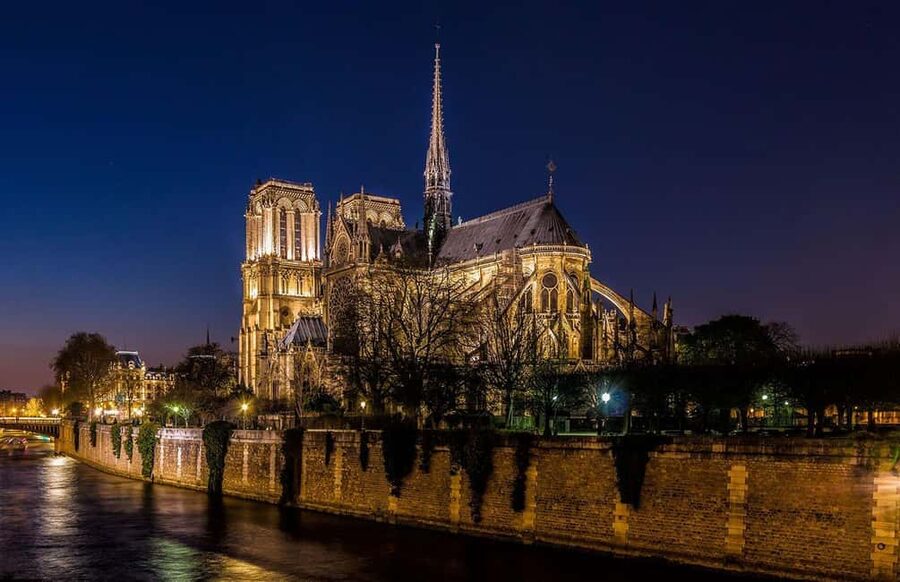
Review · PARIS CITY TOURS
Paris, between Crimes and Mysteries
Paris turns darker when you follow legends. In this 90-minute walk, you get true crime stories braided with occult symbols and conspiracies, from medieval Europe to modern fugitives. I love how the guide keeps the pace narrative, so street corners turn into case files and legends become clues.
I also love the route itself, especially the shift from the Pont Neuf area into the Île de la Cité streets. You’ll hear why this part of Paris is tied to major investigations, including the famous address of 36 quai des Orfèvres, and how the city’s stonework got loaded with superstition and fear. It’s a little more “story-forward” than “facts-only,” so if you want strictly historical documentation, you might feel it’s more atmospheric than academic.
One main consideration: it’s a French live tour guide experience. If your French is shaky, you may miss some of the finer details and symbolic bits that make the tour fun.
Key things you should know before you go

It’s a 90-minute crime-and-occult storytelling walk that trades postcards for legends.
Île de la Cité and 36 quai des Orfèvres anchor the whole mood and the best set of stories.
Case names span centuries, from Philip the Fair’s reign to more recent notorious fugitives like Lacenaire, Cartouche, and Mesrine.
You’ll watch for hidden symbols and “cursed site” vibes, not just monuments.
You end near the Médicis Column, an astrological relic tied to prophecy in the tour’s narrative.
Wear comfortable shoes, because you’ll be on narrow streets and you don’t want sore feet cutting the experience short.
Starting at Pont Neuf, Henri IV watches the stories begin
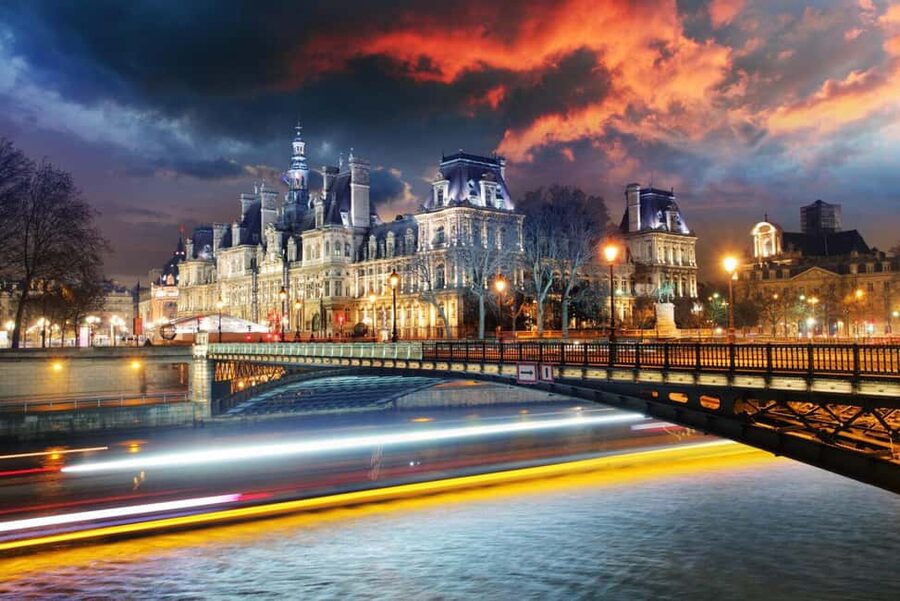
Your tour meets on the Pont Neuf, right by the equestrian statue of Henri IV (15 Place du Pont Neuf, 75001 Paris). That matters because Pont Neuf is one of those central points where you can quickly orient yourself, and you are already in the thick of “real Paris,” not a museum bubble.
I like the way this starting point sets expectations. You are not beginning with an obvious gothic monument, you’re beginning with a normal landmark, then the guide pulls you into the darker layers around it. It’s a clever way to make the whole walk feel like a transition, not a lecture.
From there, the tone shifts toward Paris as a place where power, fear, and superstition kept bumping into each other.
You can also read our reviews of more tours and experiences in Paris.



The walk into the belly of Paris: shady dealings and old superstitions
After you start near Henri IV, the route heads into what the guide frames as the belly of Paris. Expect a chain of street-level storytelling about shady dealings, lingering superstitions, and esoteric experiments.
This is one of the best parts of the tour if you enjoy “how the city thinks” more than “what year was built.” The guide ties occult references, conspiracies, and crime together so you can see how people used symbols and rumors the same way they used evidence. It’s not just creepy for its own sake, it’s a way of understanding belief, fear, and reputation in the city.
Practical tip: keep your phone ready for maps, but don’t stare at it constantly. The best moments here are the ones where the guide points out something on the street and you register it with your own eyes.
Île de la Cité streets and 36 quai des Orfèvres, where cases have addresses
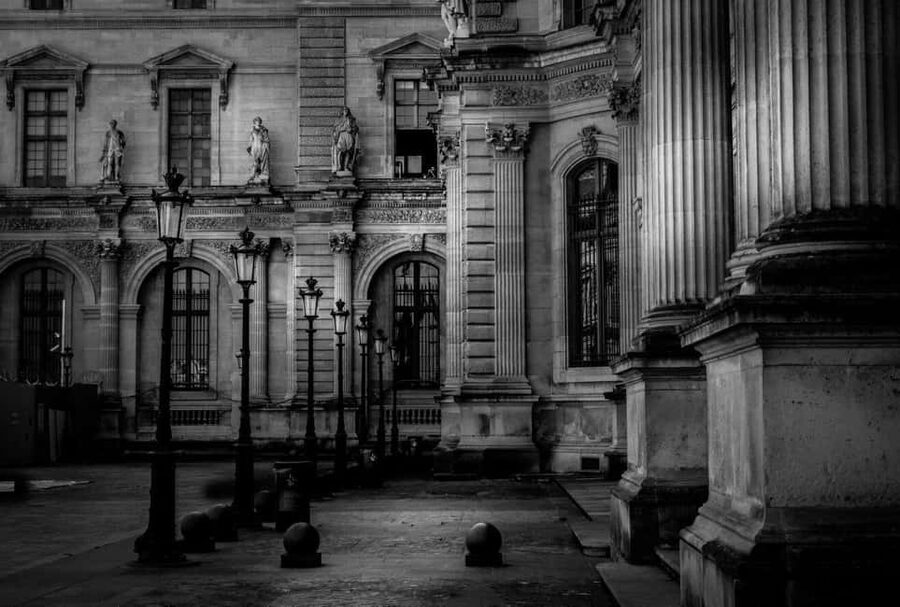
Next, you move into the narrow streets of Île de la Cité, which the tour treats as a longtime stronghold for crime and investigation lore. The big named anchor is the 36 quai des Orfèvres, an address that sits right at the intersection of real institutions and the stories that grew around them.
Why this stop works: it turns a geographic area into a psychological map. You’re not just walking by old buildings, you’re walking through a setting the guide uses to explain why certain crimes became legends and why those legends stuck. Narrow streets also help with the mood. They force slower walking and closer attention, and that makes the storytelling land better.
Even if you’re not a crime buff, this segment is good for anyone who likes atmosphere with substance. You learn names and cases, but you also learn how people in different eras explained the world when they didn’t have modern tools.
The big case timeline: Philip the Fair to modern fugitives
Throughout the tour, the guide revisits major criminal cases across long stretches of time. You’ll hear about figures tied to the reign of Philip the Fair and then jump forward to notorious fugitives such as Lacenaire, Cartouche, and Mesrine, plus other lesser-known but influential characters.
That range is a real value point. Paris crime stories do not stay in one century, and the tour makes that clear by letting you compare how each era shaped its criminals into myths. You start to notice patterns: fear spreads fast, reputations become brands, and certain names keep resurfacing because they symbolize something larger than themselves.
If you like “origin stories” for myths, you’ll enjoy the way the guide connects older power structures to later notoriety. If you prefer one era only, you might want to treat this as a broad sweep, not a deep academic biography of every person mentioned.
Templars, alchemists, witches, and the way the guide reads symbols
One of the tour’s core themes is how crime, conspiracies, and occult practices get braided together. The guide frames the city as shaped by Templars, alchemists, and witches, then overlays those themes with infamous criminals who left marks on the stories people told.
Here’s how to get the most out of this segment: listen for symbolism rather than trying to fact-check every claim on the spot. The tour is built like narrative interpretation. It’s asking you to notice how symbols, rumors, and secret-sounding experiments become part of a city’s identity.
You’ll also hear about cursed sites and hidden symbols. Even if some of it sounds like legend rather than documented history, the “why it feels real” part is often what makes the walk memorable. It’s a practical reminder that belief and storytelling are part of how cities work.





Cursed corners and esoteric experiments: what you should watch for
This is the section where the tour leans hardest into “street reading.” You might be guided toward places framed as cursed, or toward details the guide treats as symbols linked to alchemy or occult practice.
Don’t worry about needing a background in esotericism. If anything, the tour helps you start from zero by explaining the story logic as you go. The payoff is that you’ll start noticing how Paris buildings, street layouts, and local lore can be interpreted in more than one way.
My advice: bring your curiosity, not your checklist. This is the kind of experience where you get more out of being alert and receptive than out of memorizing names.
Ending near the Médicis Column, astrology and prophecy in stone
The tour finishes before the Médicis Column, described as an astrological relic steeped in prophecy. That final stop gives the whole experience a satisfying shape, moving from crimes and conspiracies toward a symbol-focused ending.
Why the ending matters: it mirrors the tour’s theme. After walking through case names and dark legends, you land at an object associated with celestial meaning. Even if you don’t buy every supernatural framing, it’s a strong way to see how people in Paris historically blended observation, belief, and storytelling.
If you want to “hold onto” what you learned, spend a minute after the guide wraps up, just looking at the area and letting your brain connect the ending to what came before.
Price and value: what $17 gets you in 90 minutes
At $17 per person for a 90-minute guided tour with an entry ticket included, this is straightforward value if you like guided storytelling. You’re paying for a live French guide, not for museum time or transport shuttles, and that keeps the cost low.
Is it worth it? If your Paris plan already includes the usual highlights, this offers a different lens, a crime-and-occult angle built for walking. If you prefer guided tours that focus on architecture facts only, then the value depends on your tolerance for legend-based narration.
The best “value fit” is for people who like to trade classic sightseeing time for street-level stories you can’t easily read on a plaque.
Who this tour suits best (and who might want another option)
This experience is a strong match if you enjoy true crime as a storytelling style, not just as trivia. You’ll like the centuries-spanning case names and the way the guide connects them to the city’s darker reputation.
It’s also a good fit if you like Paris after dark energy, even if you do it during the day. The tour leans into superstitions, cursed-site moods, and symbol spotting, so you leave with a different mental map of the city.
It may be less ideal if you want a purely historical, source-heavy tour or if you don’t feel comfortable with French-only guiding. In those cases, you might end up listening for fragments instead of following the full narrative.
Quick booking advice before you commit
Bring comfortable shoes, because you’ll be walking on narrow streets and paying attention with your eyes, not your feet. The tour is recommended for ages 8 and up, which suggests it’s designed to work for kids who can handle a darker theme without turning it into shock horror.
One more tip: arrive on time. Latecomers cannot be compensated with a refund or rescheduled tour.
Should you book Paris, between Crimes and Mysteries?
Book it if you want a guided walk that treats Paris like a living storybook, where true crime names and occult symbols share the same streets. You’ll get a focused 90-minute experience that changes how you see central Paris, especially the Île de la Cité area and the anchor of 36 quai des Orfèvres.
Skip it if French is a major challenge for you or if you only enjoy tours that stick to strictly documented history. For everyone else, it’s a fun, cost-effective way to see a darker side of Paris that most sightseeing plans never touch.
FAQ
Where does the tour meet?
The meeting point is on the Pont Neuf, in front of the equestrian statue of Henri IV, at 15 Place du Pont Neuf, 75001 Paris.
How long is the experience?
The tour lasts 90 minutes.
How much does it cost?
The price is $17 per person.
What is included in the ticket price?
The ticket includes a guided tour and an entry ticket for the tour.
What is not included?
Personal expenses and transfers are not included.
What language is the tour in?
The tour has a live guide in French.
What should I bring?
You should wear comfortable shoes.
Is there a recommended age?
The tour is recommended for ages 8 and up.
What happens if I arrive late?
Latecomers cannot be compensated with a refund or rescheduled tour.
Can the itinerary change on the day?
For security or technical reasons, the tour itinerary can be modified on the day of the tour, and refunds are not available in those circumstances.
More Tour Reviews in Paris
Not for you? Here's more nearby things to do in Paris we have reviewed












Paris City Tours, side by side.
 ★ 4.6Louvre Museum Timed-Entrance TicketTickets from $2671,977 guest reviews
 ★ 4.6Disneyland® Paris 1-Day TicketTickets from $6149,412 guest reviews
 ★ 4.6Versailles Palace and Gardens Full Access TicketTickets from $1741,579 guest reviews
 ★ 4.6Arc de Triomphe Rooftop TicketsTickets from $1834,264 guest reviews
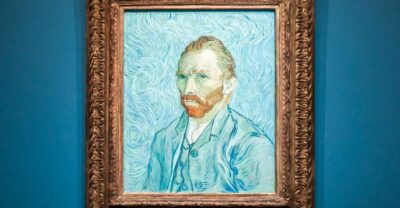 ★ 4.7Orsay Museum Entry TicketTickets from $1525,647 guest reviews
 ★ 4.4Evening River Cruise with MusicTickets from $2722,721 guest reviews
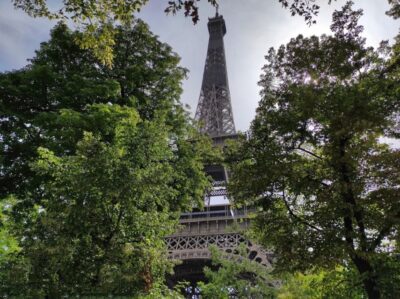 ★ 4.4Eiffel Tower Entry Ticket with Optional Summit AccessTickets from $2920,035 guest reviews
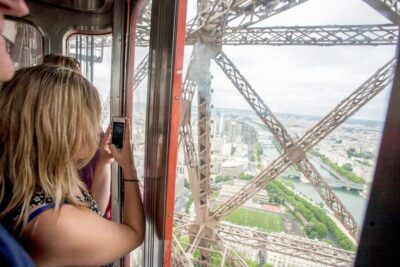 ★ 4.3Eiffel Tower Summit or Second Floor AccessTickets from $5917,248 guest reviews