
Review · PARIS CITY TOURS
Paris: Baking Insider Experience with a Professional Baker
Dough gets personal in Paris. I love how this class is truly hands-on, with you shaping baguettes and working with croissant dough at a real Paris bakery, not watching from the sidelines. I also like that the lesson mixes technique with tastings and the stories behind classic pastries, so you taste the whys, not just the sweet stuff.
One thing to consider: this experience takes place on a 2nd floor with no elevator, and you’ll do about 15 steps to get in. You also need to be able to stand for an extended period, so plan around that if mobility is an issue.
Key highlights
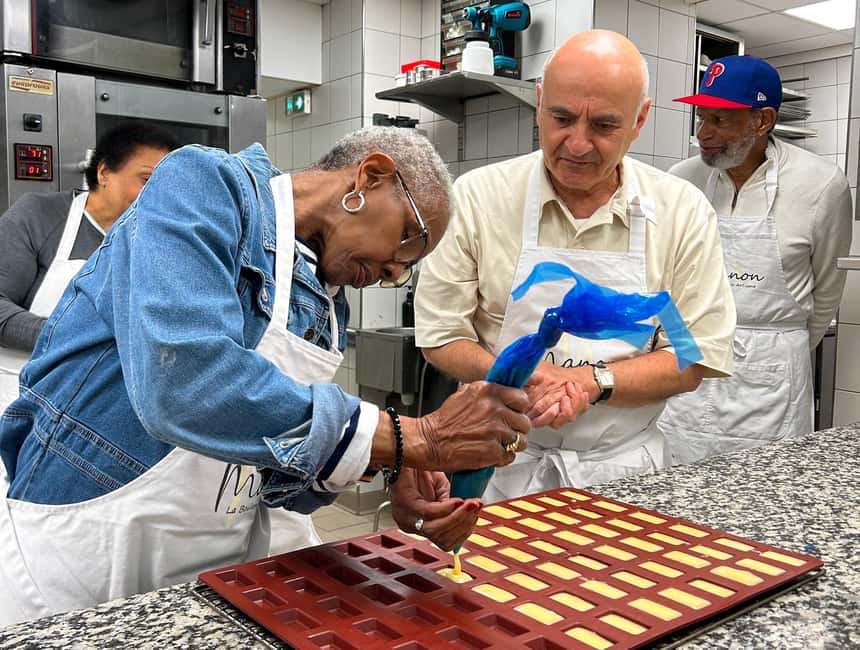
- Max 8 guests means personal coaching while you work at the bench
- Laminate dough and puff croissant dough with guidance from a professional baker
- Baguette shaping practice plus tips for spotting differences between loaves
- Bread basics you can use at home, including flours, yeast, and sourdough
- Sweet and savory tastings that connect flavor choices to what you make
A working Paris bakery, not a staged kitchen
This is the kind of class that feels like you walked into the real rhythm of a neighborhood boulangerie. You are learning where the dough actually gets mixed, shaped, and managed as part of an operating business. That matters because it changes how you understand timing and texture, not just recipes on paper.
I like that the group stays small, typically capped at 8 participants, so you get attention when something is sticky, springy, or just plain confusing. In several guides’ styles described in past groups, leaders like Pierre, Martin, Igor, Jessica, Candice, Jess, David, and Rachel keep the pace moving while still letting everyone participate. In other words, you learn in a way that works even if you are not a baking nerd.
And yes, you will taste along the way. The tastings are not an afterthought, they are built into the lesson so you can connect flavor choices to what you shape and bake.
You can also read our reviews of more tours and experiences in Paris.



What you actually make during the 2-hour class
The big promise is simple: learn to handle the dough like a baker, then snack on French classics as you go. Over two hours, you’ll practice core skills such as lamination, baguette shaping, and puffing croissant dough, plus you’ll get hands-on work that leads to finished items you can enjoy.
Depending on which option you book, the class happens at one of two traditional Parisian bakeries. In practical terms, that means your exact station setup can vary, but the fundamentals stay the same: you learn techniques, you get coached, and you taste multiple flavors.
If you’ve ever tried to make croissants at home and found out the dough fights back, you’ll understand why this is a technique class more than a cookbook class. You’re not just mixing ingredients, you’re learning how dough behaves and what the baker is watching for while shaping.
Lamination skills: turning butter and dough into layers
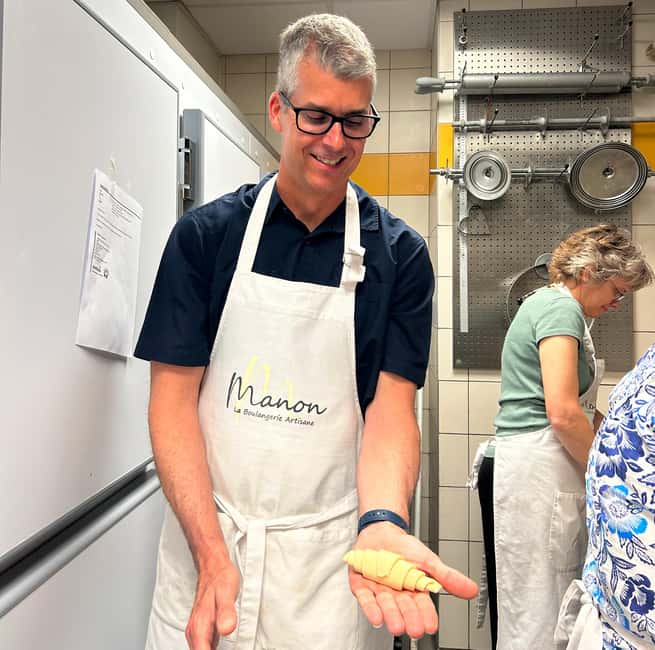
Lamination is the technique behind croissants, and it is also where most home bakers lose control. In this class, you learn the method step by step, with a baker guiding how to handle dough and butter so you get layers instead of a greasy mess.
I like that the lesson does not treat lamination as magic. It’s taught as a process you can repeat: how the dough is managed, how folding and rolling should feel, and what you should aim for when you work with real pastry dough. Since you’re doing it yourself, the learning sticks faster than if you only hear explanations.
You also get coaching that helps you differentiate what you think you see from what the dough is actually doing. That is a huge value in a short class, because it helps you fix mistakes on the spot, instead of discovering them hours later.
Shaping baguettes: more than forming a log
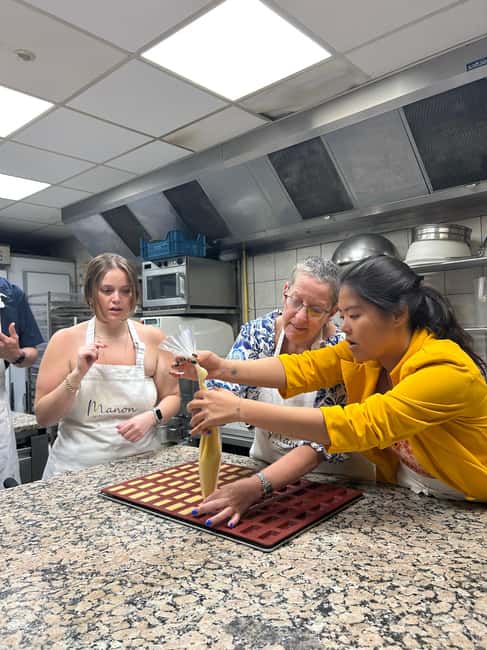
Baguette shaping sounds easy until you try. You can end up with a loaf that looks fine but bakes unevenly, or one that collapses because it was handled too roughly. This class focuses on shaping techniques so your baguettes develop the right structure.
You’ll also learn how to tell one baguette from another. That part is more than trivia. It’s the baker mindset: differences come from ingredients, fermentation, and handling, and that changes crust and crumb.
In at least one group report, guides made the activity feel like a mini lesson inside a real bakery workflow, not a classroom demo. That’s why shaping here feels more useful. You are learning what affects the final result, and you’re doing it with tools and timing similar to what a working shop follows.
Croissant puffing: learning why the dough needs respect
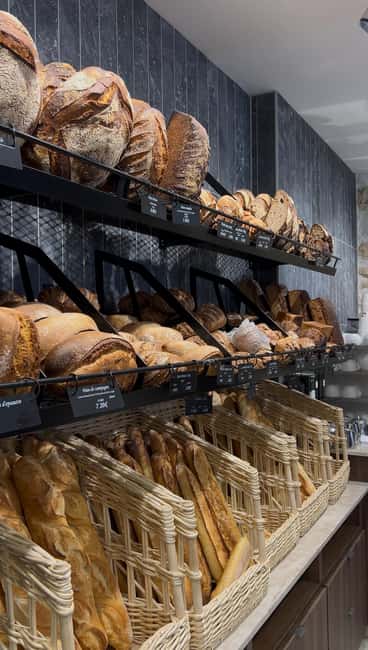
Croissant dough is delicate and demanding. In this class you practice puffing croissant dough, which is where your laminating work gets turned into something flaky and layered. The coaching matters because croissants punish impatience, and the right handling makes all the difference.
The most helpful part is that you’re not just rolling dough. You’re learning how the dough is layered, how it behaves under shaping, and how the baker’s approach connects to the final bake. Many guides in past groups focused on making the process feel understandable, like Martin and Jess, who led engaging instruction while everyone stayed actively involved.
Even if you are short on baking experience, the pace is structured so you can follow and still learn by doing. You’ll likely taste along the way, so you can connect what you’re doing to how it ends up.






Bread ingredients that change everything: flour, yeast, sourdough
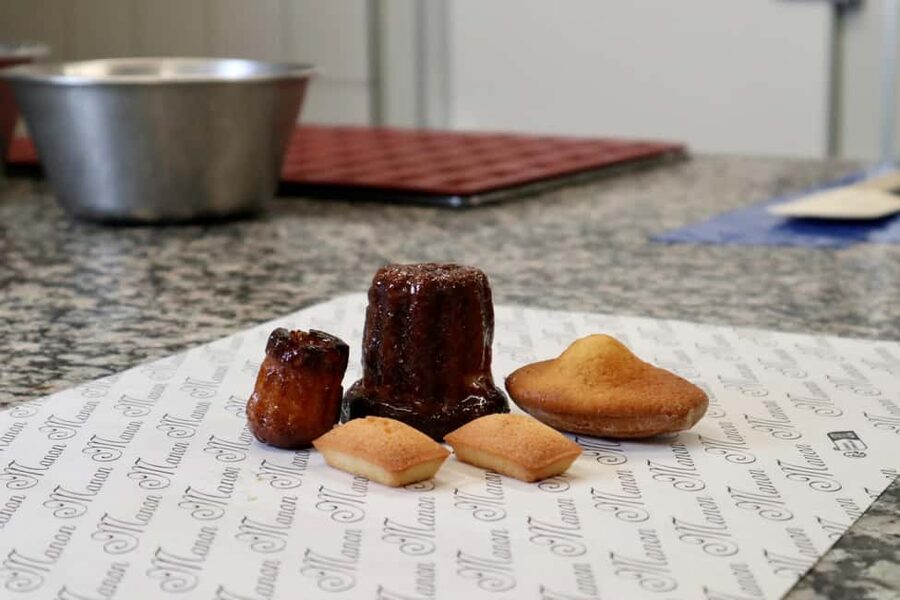
One of the best parts of this class is that it brings you into the ingredient logic behind French bread. You learn the difference between bread flours, yeast, and sourdough, and how those choices influence flavor and texture.
That ingredient section is worth your attention because it turns the class from a one-off snack into a skill you can use later. If you understand why sourdough ferments differently or how flour strength affects dough behavior, you stop guessing at home.
This is also why the tastings are built in. You taste sweet and savory flavors while learning what’s happening in the dough. That helps you build a sense for why one loaf tastes the way it does, instead of memorizing steps without understanding.
Tastings with a purpose, sweet and savory
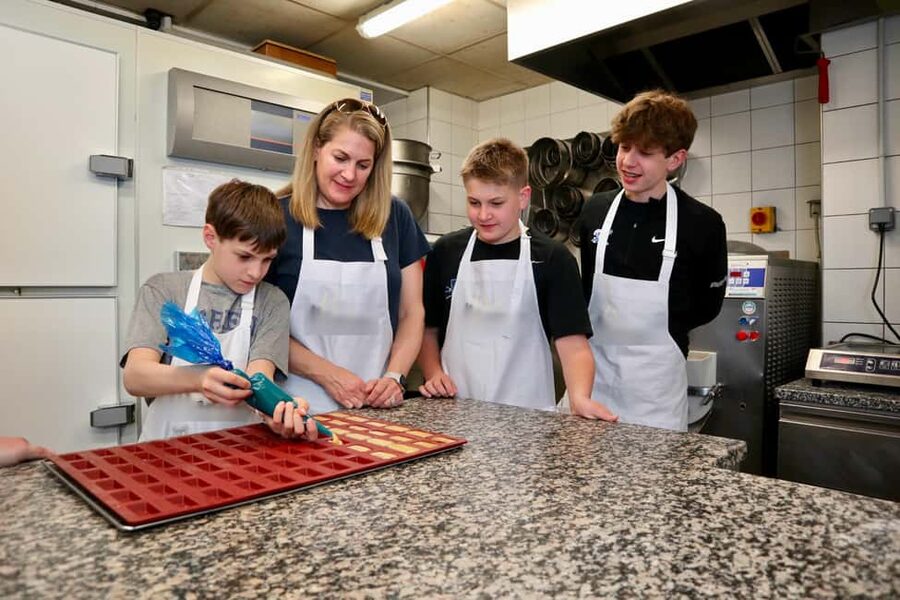
You’ll have snacks and tastings throughout, covering a range of sweet and savory French flavors. The point is not just to keep you happy while working. It’s to show how flavor influences what you create.
In several group experiences, the tastings were treated like an education tool. You sample items while the guide explains what makes them distinct, so you start thinking like a baker with your senses.
If you are a foodie, you might enjoy how the class includes both classic tastes and practical lessons. If you are a cautious eater, you still get a guided experience where the guide connects each bite to technique, so you know what you’re evaluating.
The guide’s role: small group coaching at a real pace
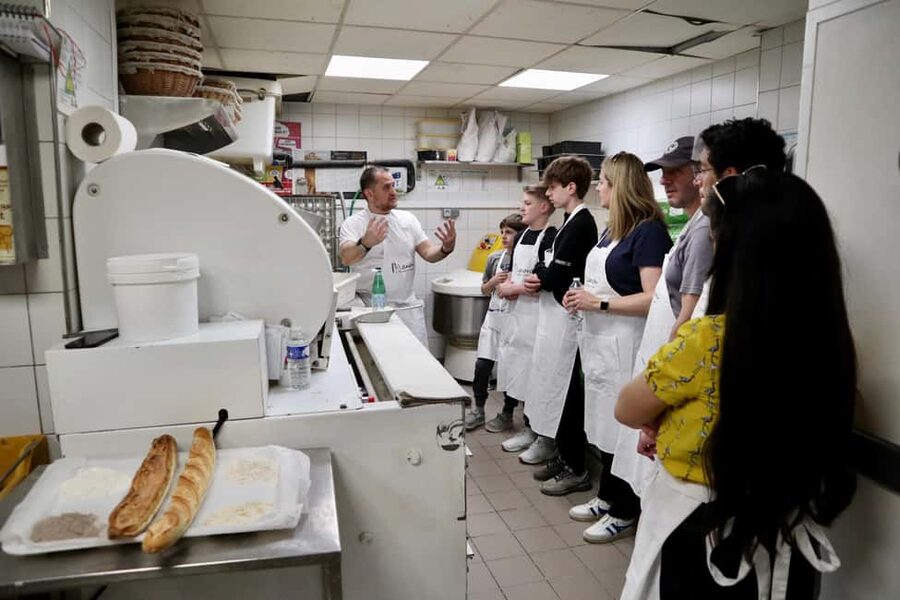
In a class like this, the guide can make or break your experience. Past groups gave strong praise to the way guides stayed welcoming and engaging, even in a working bakery where real staff and ongoing tasks are part of the scene.
You can see patterns in that feedback. Guides like Pierre, Martin, Igor, Jessica, Candice, Jess, David, and Rachel were singled out for being friendly, informative, and keeping everyone participating. With max 8 guests, there’s less waiting around, and you get closer to the action at your own station.
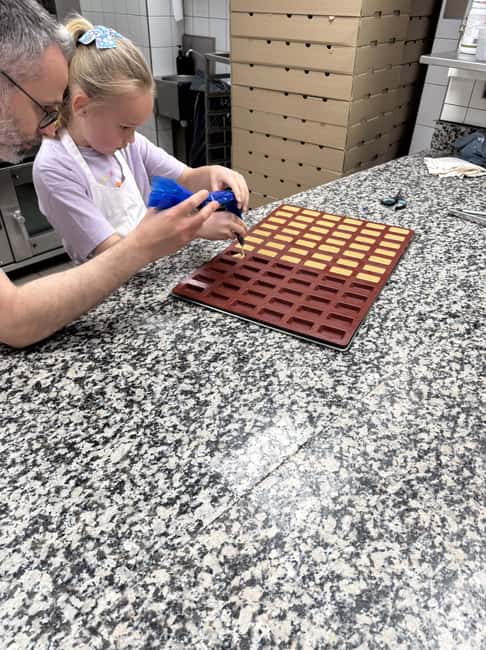
This is especially valuable if you are coming with family. One group report mentioned a mix of ages, and the guide made sure everyone participated. That fits this class well because the tasks are hands-on, but the coaching helps you stay within your comfort zone.
Practical logistics: stairs, standing, and what to bring
This activity is simple to follow, but your body needs to cooperate. You must be able to stand for an extended period, and you should plan for about 15 steps to reach the bakery on the second floor with no elevator.
Also think about practical prep. Wear comfortable shoes with good grip, because you will likely be moving around a working space while handling dough. If you have long hair, bring a clip or tie, since working with dough and flour is easier when hair is out of the way.
Come hungry, but not so hungry you rush. The tastings and snacks are part of learning, so eating at a reasonable pace helps you stay present. If you are sensitive to flour dust, you might find it helpful to cover up appropriately, like you would in any bakery environment.
Price and value: what $108 buys you in real skills
At $108 per person for a two-hour class, it can look pricey at first glance. But the value comes from what you get: hands-on coaching from a professional baker, small-group attention, and technique instruction that targets specific outcomes like shaping baguettes and laminating croissant dough.
A typical home baking attempt wastes time and ingredients because the method is unclear. Here, you get corrections during the work. That alone is worth a lot, because you avoid the most common failure points, like uneven shaping, collapsed dough, or poor lamination.
You also get built-in tastings and snacks. Even if you treat those as a bonus, they improve the learning. You taste sweet and savory flavors while the guide ties them back to what you are doing with the dough.
If you want a souvenir, this class often leaves people with more than memories. Several group experiences mentioned taking home baked goods they made. The official inclusion lists snacks, but the recurring takeaway theme makes it feel like you leave with something tangible.
Who should book this baking insider class
This class is a great fit if you like hands-on learning, especially French baking techniques. It’s also ideal if you want a focused experience where you practice multiple skills in one sitting: lamination, baguette shaping, and croissant dough handling.
It’s also a smart choice for groups who want a shared activity that feels special. With English live guidance and a small group size, it’s easier to keep everyone engaged than in larger tours.
Families can like it, too, as long as kids meet the requirements. Children under 5 are free of charge, but they won’t be able to participate in the hands-on portion due to safety concerns, so plan accordingly.
Who should skip it
Skip this one if you need wheelchair access. It’s not suitable for wheelchair users, and the second-floor location involves stairs. Also skip it if standing for a long time is not realistic for you.
If you want a purely passive food tour, this might not be the best match. This is active baking, so you should expect flour on your hands and a real focus on technique.
Should you book this Paris baking insider experience?
Yes, if you want real technique and you like learning by doing. The small group size, the hands-on practice with lamination, baguettes, and croissant dough, and the guided tastings make it feel like a skill-building class, not just a meal with a story.
I’d book it sooner rather than later if your travel dates align with the available start times, since the schedule varies. And if you are booking for comfort, check that the stairs and standing time work for your group.
If you want to come away understanding how flour, yeast, and sourdough change outcomes, and you enjoy baking enough to use what you learn at home, this is a strong pick. You’ll leave with a better eye for French bread and pastries, plus the kind of confidence you only get when you shape the dough yourself.
FAQ
How long is the baking experience?
The experience lasts about 2 hours.
How many people are in the group?
The group is limited to a maximum of 8 participants.
Is the class hands-on or mostly watching?
It is hands-on. You’ll work with a professional baker during the lesson.
What will I learn to make?
You’ll learn how to laminate dough, shape a baguette, puff croissant dough, and more, plus you’ll learn about bread flours, yeast, and sourdough.
What language is the guide?
The live tour guide offers instruction in English.
What is included in the price?
The included items are a hands-on baking lesson, an expert guide, and snacks.
Where does it take place?
It takes place in Paris at one of the traditional Parisian bakeries, and the meeting point can vary depending on the option booked.
Is it suitable for children?
Children under age 5 are free of charge, but they cannot participate in the hands-on baking experience due to safety concerns. It is not suitable for young kids who need to be part of the dough work.
Is it accessible for wheelchair users?
No. It is not suitable for wheelchair users, and there are stairs involved (about 15 steps to the bakery on the second floor with no elevator).
What is the cancellation policy?
You can cancel up to 24 hours in advance for a full refund.
More Tour Reviews in Paris
Not for you? Here's more nearby things to do in Paris we have reviewed












Paris City Tours, side by side.
 ★ 4.6Louvre Museum Timed-Entrance TicketTickets from $2671,977 guest reviews
 ★ 4.6Disneyland® Paris 1-Day TicketTickets from $6149,412 guest reviews
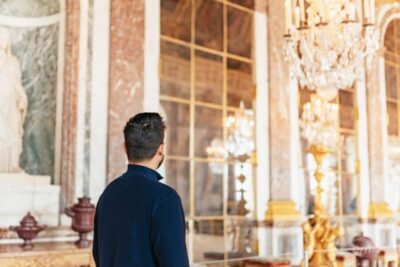 ★ 4.6Versailles Palace and Gardens Full Access TicketTickets from $1741,579 guest reviews
 ★ 4.6Arc de Triomphe Rooftop TicketsTickets from $1834,264 guest reviews
 ★ 4.7Orsay Museum Entry TicketTickets from $1525,647 guest reviews
 ★ 4.4Evening River Cruise with MusicTickets from $2722,721 guest reviews
 ★ 4.4Eiffel Tower Entry Ticket with Optional Summit AccessTickets from $2920,035 guest reviews
 ★ 4.3Eiffel Tower Summit or Second Floor AccessTickets from $5917,248 guest reviews