
Review · NOTRE-DAME TOURS
Paris Baking Insider Experience near Notre-Dame
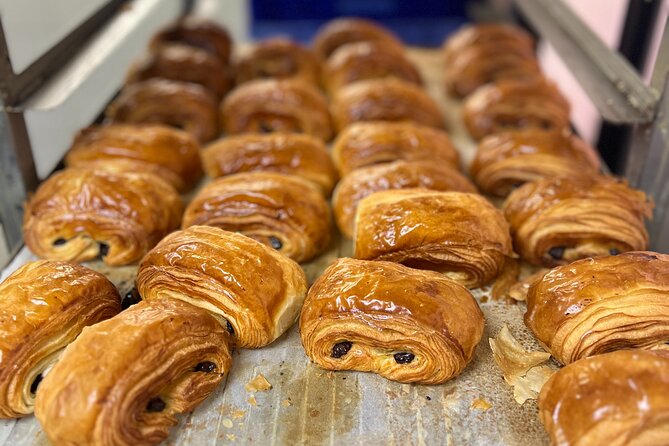
Paris smells like warm bread for a reason. This small-group insider class teaches you French baking technique step-by-step, with hands-on work that goes beyond watching. You work with real dough, learn how different doughs behave, and get tastings along the way.
I especially like the focus on baguette shaping and dough lamination for croissants. And when guides like Yeju and Valentina are running the show, the pace stays organized, with lots of chances for everyone to get involved. One thing to consider first: you’ll stand for a while and climb 15 steps to a bakery on the 2nd floor with no elevator.
Key things that make this Paris baking class worth your time
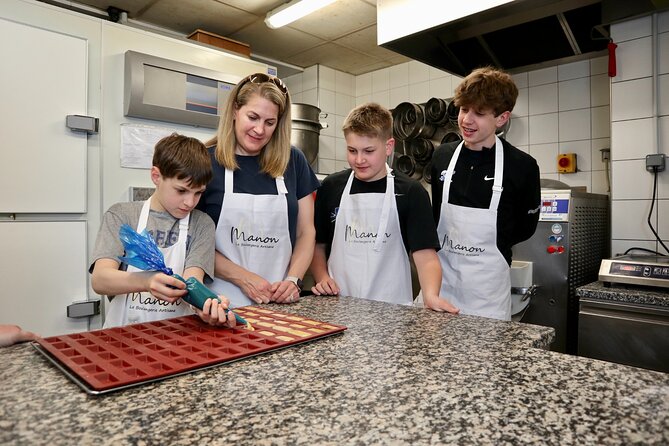
- Max 8 guests means more hands-on time and less waiting around
- Bread dough plus croissant dough work, including techniques like lamination
- Sourdough vs yeast explained with practical, dough-level differences
- Tastings as you go, so you connect flavor to technique
- Real Paris bakery energy, with guidance from hosts like David, Clara, Martin, Pierre, and Valentina (names vary by session)
A hands-on Paris bakery stop near Notre-Dame
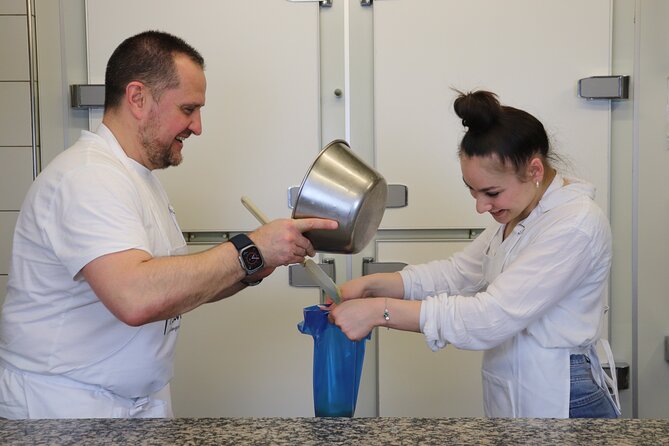
If your Paris plan is heavy on museums and long walks, this is a great counterweight. You get to slow down, use your hands, and learn why French bread and pastries feel so different from what most people make at home.
This experience is built for active learning. You’re not just hovering over a counter. You prep dough, shape items, and learn how bakers think in textures and timing. The goal is simple: you leave with better instincts for bread dough and a clearer idea of what makes a baguette or croissant taste the way it does.
You also get the small-group advantage. With a maximum of 8 travelers, the instructor can watch your technique and correct you before it becomes a habit. That matters for dough work, because small changes in handling can show up later in crumb, flake, or puff.
And you’ll be in a real neighborhood setting near Notre-Dame, not a staged demo studio. It’s the kind of activity that adds flavor to your trip in a way a photo-only stop can’t.
You can also read our reviews of more tours and experiences in Paris.



What you’ll actually learn (bread, baguettes, and croissant dough)
The heart of this class is technique, not just making a few pastries. You’ll cover multiple dough types and what they change in the final result.
Here’s what you can expect to learn:
- Different doughs, including sourdough and croissant dough
- How bread doughs behave, from flour to fermentation basics (bread flours, yeast, and sourdough)
- Baguette shaping methods, plus how to handle dough to keep structure
- Laminate dough for croissant-style layers, and how rolling and folds affect the finished pastry
- Taste lessons, where you connect flavor to what you did with the dough
In plain terms, you’re building a baker’s map in your head. Why does one dough feel elastic and another feels different? What does lamination demand from you, besides patience? How does yeast vs sourdough shift flavor and timing?
Even if you’ve baked before, this kind of structured “how it works” lesson can be eye-opening. Several people mention they learned a lot even as home bakers, especially around shaping, texture, and what to watch while dough is developing.
The dough-level value behind the price
The price is $108.89 per person for about 2 hours, and small-group instruction is where that number starts to make sense.
You’re paying for:
- Access to a working bakery setup
- An expert guide who can correct technique
- Hands-on coaching (not just a walkthrough)
- Multiple baking tasks in a short time
- Snacks and guided tastings, so you’re not leaving hungry or confused
A common theme in the experience feedback is that you don’t just taste one bite. You work on items like baguettes and croissant dough, and the session often includes small sweet bakes such as financiers (a small “pocket loaf” style cake) and sometimes other mini cakes like madeleines or almond cake. People also talk about leaving with a lot of bread and extras. That take-home part is a real value boost because it turns learning into dinner.
One more value angle: French baking is all about details that are hard to learn from a single YouTube video. Here, the instruction is on timing, handling, and the reason behind steps. That saves you from the most common mistake: copying the surface steps without understanding what the dough is trying to do.
Timing and pacing inside a working Paris bakery
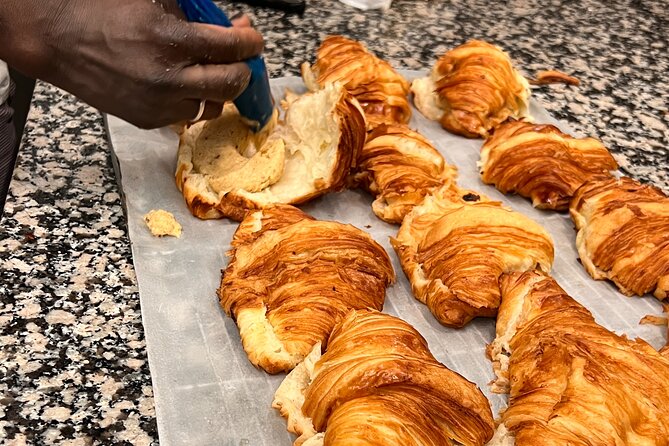
This is an approximately 2-hour experience, starting and ending at the same meeting place. You’ll begin with an intro and setup, then move into hands-on baking tasks.
Because this happens in a working bakery context, the pace tends to be practical. Many sessions include prepped components so you can do meaningful tasks during your limited class window. In other words, you may do less “kneading from scratch for an hour” than you’d expect from a full artisan workshop. But you still do the core parts that matter: shaping, folding, rolling, and finishing tasks that affect the final look and bite.
One practical detail: the experience requires you to be able to stand for an extended period. Also, you climb 15 steps to reach the bakery on the 2nd floor with no elevator. If you have knee, hip, or balance issues, plan to take that seriously. Wear shoes you can stand and move in, and consider bringing a small water bottle if you’re the type to get thirsty quickly during standing activities.
Heat is part of the deal too. Expect it to get warm near ovens, and flour can be on the floor, so dress accordingly.
Where it starts: meeting point and what to watch for
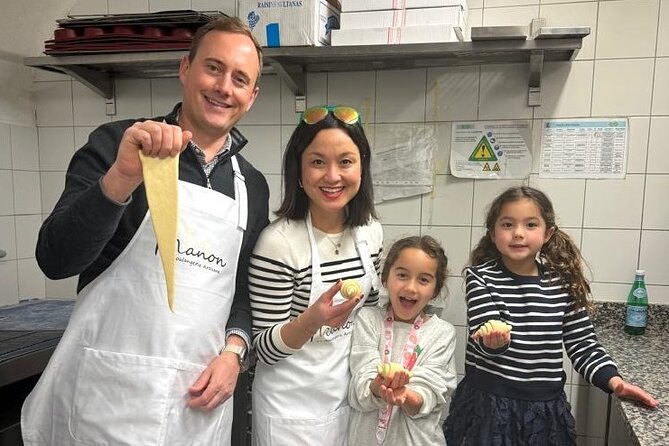
You meet at 25 Rue de Bretagne, 75003 Paris, and the activity ends back at the meeting point.
A couple things help you have a smoother start:
- Plan to arrive a bit early so you’re not stressed when you start climbing those 15 steps
- Bring your mobile ticket and be ready to show it
- If you’re traveling with kids, make sure adults are positioned to stay close, since children under 5 can join free but cannot take part in the hands-on portion due to safety
This is also a “small-group, small-space” kind of activity. Even when everything is organized, you’ll be in a busy bakery environment. If you get anxious in cramped quarters, think of this as a hands-on lesson with shared workspace, not a quiet private class.






Baguettes: shaping technique you can use at home
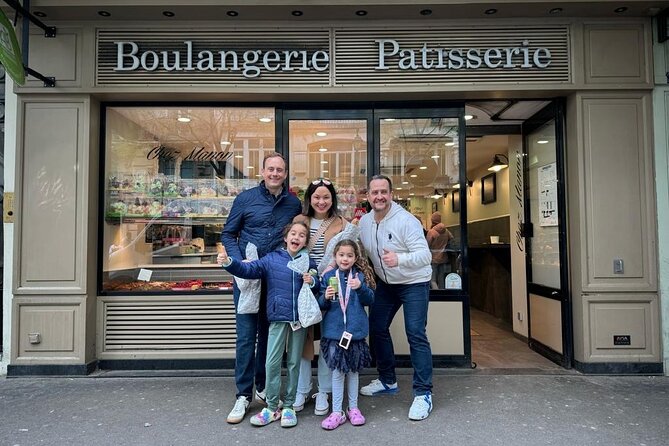
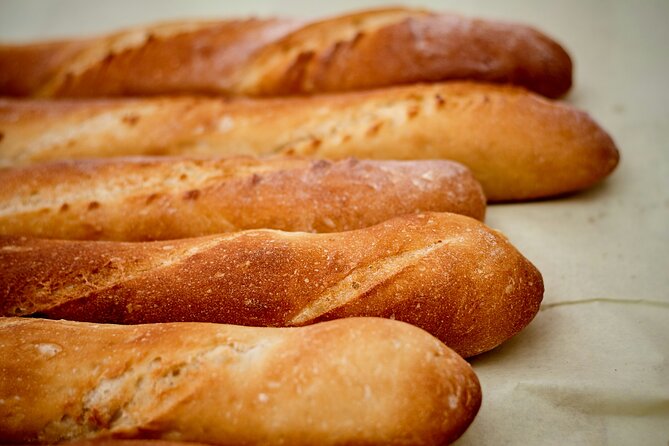
Baguettes are where the class makes you think like a baker.
You learn different baguette shaping techniques and how to spot what the dough needs from you. Shaping is not just aesthetics. It’s how you preserve structure while the dough expands and bakes, and how you create tension where it matters.
The technique lessons often include:
- How to handle dough without tearing it
- How shaping affects the way the crust forms
- How you can tell if the dough is ready based on feel and appearance
If you’ve tried baguettes at home and ended up with flat results, this is the part that can change your next batch. The biggest takeaway is usually not one magic step, it’s the “why” behind tension, gentle handling, and timing.
Also, you get a sense of the differences between flours and fermentation. The bread flour discussion and the yeast vs sourdough comparison help you understand why dough behaves differently, even if the recipe seems similar.
Croissants and lamination: the layered skill French bakers swear by
Croissants are the signature move, and lamination is the skill behind their flaky layers.
In this experience, you learn the difference between bread dough and croissant dough, and you practice elements of lamination. That means learning how to work with layers of dough and keep them intact so you get lift and flake instead of a greasy mess.
What makes this useful is the technique focus:
- How to handle laminated dough without destroying the layers
- How rolling and folding affect texture
- How the dough process links to the final “puff” you want
Croissants are also a good reality check. People often discover that the hardest part is not the shaping itself, it’s respecting the dough’s needs during lamination. Here, you’re guided, so you’re not guessing.
And along the way, you’ll taste what you made. That’s how you learn faster. You connect the feel of the dough with the final bite, instead of treating baking like a blind experiment.
Tasting, snacks, and why it helps you remember the lesson
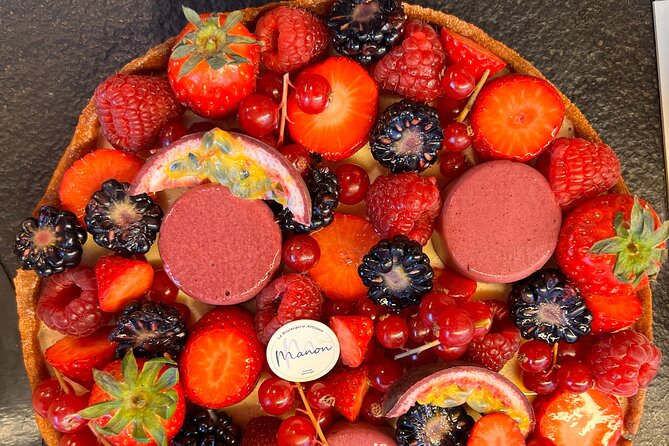
One of the best parts of French baking classes is that tasting turns instruction into memory. This experience includes snacks and tastings during the session, so you get immediate feedback.
The practical benefit is that you start to recognize what flavor comes from:
- Dough choices (flour, yeast, sourdough)
- Handling and lamination choices
- Baking outcomes you can see and taste
Several people mention learning about iconic items like baguettes, croissants, and financiers. Financiers are especially interesting because they’re smaller and more cake-like, so they show how French bakers balance richness and texture.
And because this class is designed for beginners through intermediate bakers, the tastings help you understand what to aim for, even if your first batch is not perfect.
Who this Paris baking experience is best for
This works well for:
- First-time bread bakers who want real technique and clear guidance
- People who love learning by doing, not just watching
- Families looking for an off-the-beaten-path activity
- Multi-generational groups, since the class structure and pace can handle different comfort levels
Kids are allowed, and many families highlight it as a fun learning experience. If you’re bringing children, the key detail is that kids under 5 can join free of charge but won’t participate in the hands-on baking due to safety. Older kids can usually take part in the shaping and mixing steps, depending on the flow of the class.
If you’re the type who hates waiting around, this small-group model fits you. If you hate standing, read the logistics carefully first.
The main drawbacks to keep in mind
This isn’t a perfect fit for every traveler, and a couple considerations matter.
First, there’s the physical requirement. You’ll stand for an extended period and climb 15 steps with no elevator. That’s a deal-breaker for some people, so plan accordingly.
Second, hands-on time can vary by session flow. Some participants note that certain dough elements may be pre-prepped to keep the schedule moving, meaning you may do more shaping and finishing than long mixing and kneading. That’s normal for a 2-hour class in a real bakery, but it’s worth knowing if you expected full labor from scratch.
Finally, double-check what class you booked. There was at least one unhappy case tied to confusion about the type of class they expected, where the learning focus did not match the baguette and croissant experience. If you want bread and croissants, confirm you’re booked for the French bakery session, not a different pastry class.
Should you book this French baking lesson near Notre-Dame?
If you want a Paris activity that’s hands-on, tasty, and actually teaches technique, I think you should book it. The strongest reasons are the small group size and the specific focus on baguette shaping plus croissant lamination, two skills that are hard to learn any other way in a short trip.
You’ll also like it if you care about value. At around $108.89, you’re getting instruction, tastings, snacks, and often a satisfying take-home payoff, like bread and cakes you helped make.
Skip it if standing for a while and climbing stairs is a problem. Also, if you want a long, scratch-everything-from-zero baking workshop, this 2-hour format may feel a bit fast.
If you do book, come ready with comfortable shoes and an appetite for learning by touch. Paris baking should not be passive, and this class is designed to keep your hands busy and your questions answered.
FAQ
How long is the Paris Baking Insider Experience?
It lasts about 2 hours.
Is the experience offered in English?
Yes. The class is offered in English.
What is the group size?
It is a small group with a maximum of 8 travelers.
Where do we meet, and do we return there?
You meet at 25 Rue de Bretagne, 75003 Paris, France, and the activity ends back at the meeting point.
What will I make and what will I eat?
You will have a hands-on baking lesson preparing bread and croissant dough, including techniques like baguette shaping and laminating dough. You’ll also have snacks and tastings along the way of the savory and sweet pastries you work on.
Is it easy to access if I have mobility issues?
You need to be able to stand for an extended period. There are 15 steps to reach the bakery on the 2nd floor with no elevator.
Can children participate?
Children are allowed and must be accompanied by an adult. Kids under age 5 can join free, but they cannot participate in the hands-on baking due to safety.
Are service animals allowed?
Yes, service animals are allowed.
Can I cancel for a refund?
Yes. You can cancel for free up to 24 hours in advance of the experience start time for a full refund.
More Tour Reviews in Paris
Not for you? Here's more nearby things to do in Paris we have reviewed












Notre-Dame Tours, side by side.
 ★ 5.0Paris Île de la Cité and Notre-Dame Walking Tour With CryptTickets from $482,272 guest reviews
 ★ 4.4Eternal Notre-Dame VR Experience TicketTickets from $361,150 guest reviews
 ★ 3.7Notre-Dame Cathedral Exterior Tour & Free EntranceTickets from $281,010 guest reviews
 ★ 5.0Paris Highlights Bike Tour: Eiffel Tower, Louvre and Notre-DameTickets from $54853 guest reviews
 ★ 4.5Early Access Paris Notre Dame Cathedral Walking TourTickets from $71766 guest reviews
 ★ 4.8Sainte-Chapelle, Conciergerie, Notre Dame Guided TourTickets from $88727 guest reviews
 ★ 4.7Notre Dame Outdoor Tour with Sainte-Chapelle / Crypt.Tickets from $63723 guest reviews
 ★ 5.0Notre Dame Outdoor Walking Tour and Entrance to Sainte ChapelleTickets from $79625 guest reviews
This tour also belongs to