

Review · PARIS CITY TOURS
Entry Ticket for Paradox Museum Paris
Your brain gets tricked on purpose. Paradox Museum Paris turns perception into play, with more than 90 interactive exhibits inspired by paradoxes, plus a mobile ticket for easy entry.
I like the freedom to pick your entry time, which makes it simple to fit into a day of museums and neighborhoods. I also like that you move at your own pace, so you can linger where the illusions click and skip what feels repetitive for you.
One thing to plan around: some exhibits are not suitable for light sensitivity or for people who suffer from epilepsy, and warnings are clearly displayed.
Key highlights to know before you go
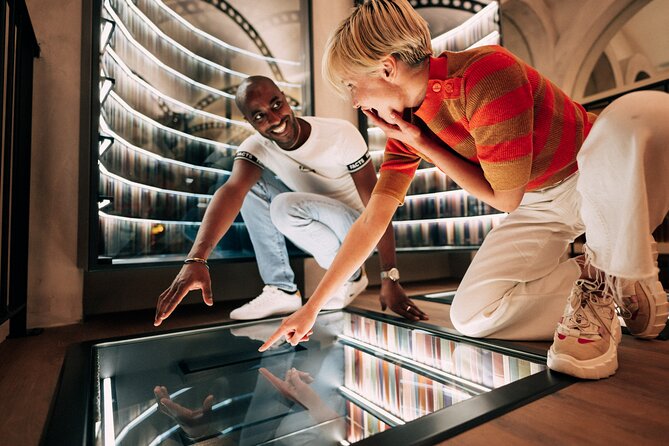
- Timed entry flexibility: Choose the time you want to visit and explore on your schedule.
- 90+ paradox exhibits: Expect a lot of stations based on visual and tactile trickery.
- Self-guided pace: You control how long you spend at each display.
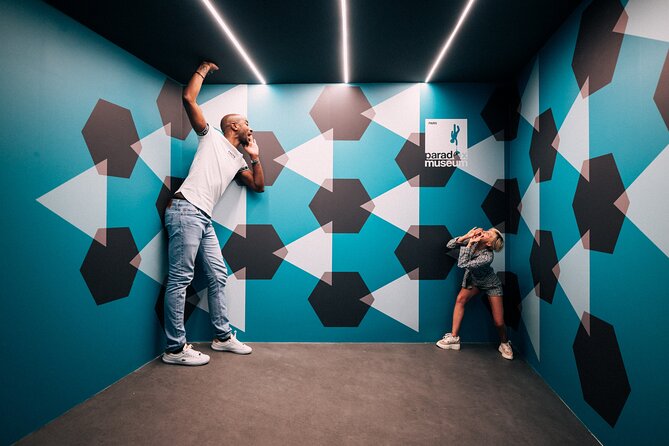
- Photo-friendly illusions: Rooms like the Ames Room and hanging rooms are built for unforgettable pictures.
- English offered: The experience is available in English.
A 90-Exhibit Reality Test, in About 1.5 Hours
Paradox Museum Paris is the kind of stop that works best when you treat it like play, not a lecture. You’re not there to read a wall of facts. You’re there to test your senses and watch your brain try to make sense of what you’re seeing.
The timing is also smart for Paris. The ticket is listed at about 1 hour 30 minutes, which is long enough to try a good chunk of the museum, but not so long that it crowds out the rest of your day. With 90+ exhibitions, you’ll want a light plan going in, but you won’t feel stuck with a fixed route.
Value-wise, the entry is $33.11 per person, and that price mainly buys you access to a hands-on, interactive museum format. If you like visual puzzles, “how is this possible?” moments, and you enjoy taking photos as you go, it’s easier to feel like this ticket is worth it. If you prefer quiet, classic museum galleries, the experience may feel more gimmicky than educational.
One practical note: the museum is near public transportation, so you can slot it in without needing a long taxi ride or a big detour. Also, you should be aware that the museum requires good weather in its operating rules, so if the provider cancels due to weather, you’ll be offered a different date or a full refund.
More Paris tours and experiences for the shortlist



What You’ll Do Inside: Paradoxes for Eyes, Hands, and Curiosity
This museum is built around a simple idea: your world is not a direct video feed from reality. Your brain creates what you perceive, and it can be fooled by the mix of visual and tactile stimuli. That’s why so many exhibits focus on altered perception, tricked scale, and confusing cues that your body thinks are trustworthy.
Here’s what that feels like when you’re inside:
- You’ll move through many short, interactive installations rather than one long, single storyline.
- You’ll experiment with displays that react to how you look, where you stand, and sometimes what you touch.
- You’ll see scientific concepts turned into something you can experience immediately, not just read about.
I like this format because it lowers the “effort barrier.” You don’t need to be a science expert. You just need curiosity and a willingness to laugh at your own brain. The museum is also designed for photos, and that matters because some illusions only really land when you capture the moment and replay it later.
Language-wise, the experience is offered in English, and you should find the content and any guidance geared toward that. If you’re traveling with kids, this is also the kind of place where you can keep momentum without everyone getting bored. Many exhibits invite you to try, react, and move on quickly.
The Exhibits That Get the Biggest Reaction: Ames Room and Hanging Rooms
Some exhibits become “the reason to go,” and Paradox Museum Paris has at least a couple of clear standouts. Two that pop up again and again are the Ames Room and the hanging rooms.
The Ames Room is famous for messing with perspective and scale. The big appeal is that it makes you question what your eyes think they know. The payoff is immediate: you stand in the right spot, the room does its thing, and you get that unmistakable moment where the photo looks more dramatic than your brain expects.
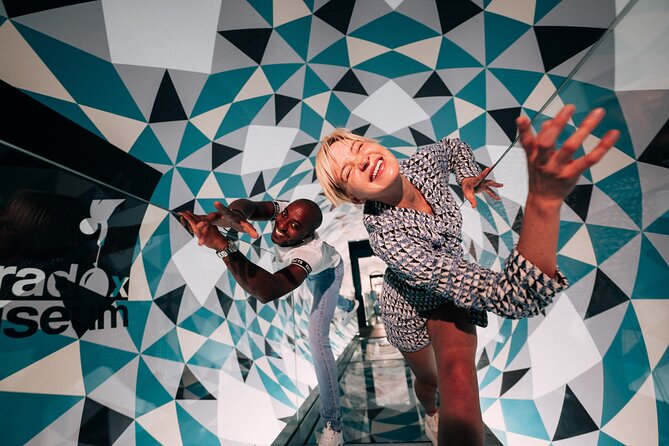
The hanging rooms bring a different kind of shock. They’re all about spatial confusion, where gravity and orientation can feel off in your body, even when you can sense you’re standing still. Those rooms tend to be where you spend a bit longer, because you’ll want to get the angle just right and try a couple of poses.
A quick practical tip: in a museum with 90+ stations, your energy matters. If you only have one hour and a half, don’t try to “see everything.” Instead, use your first pass to spot the big photo magnets and the rooms that genuinely intrigue you, then slow down for those.
How to Make It Fun, Not Exhausting, During Your 1.5 Hours
The museum gives you the gift of a self-paced visit. That sounds simple, but it’s also what makes the difference between a great time and a rushed one. With so many interactive stops, you can burn out fast if you treat it like a checklist.
Here’s how I’d play it:
- Start with the rooms that you can’t easily imagine from a photo, like the scale illusions in the Ames Room.
- Then move on to the hanging or perspective-based rooms where body position changes what the effect looks like.
- As you go, pick a couple of exhibits to repeat. Interactive illusion displays often reward a second look once you understand what cue you’re supposed to watch for.
Timing tip: plan to arrive with a little buffer so you’re not stressed about your entry window. Once you’re inside, the experience is designed to flow at your pace.
Also, keep expectations realistic about help. One of the most common issues that shows up in feedback is that there can be limited staff help for explanations and photo support. That doesn’t mean you won’t find helpful people, but it does mean you should be ready to figure some of the tricks out yourself. If your goal is “perfect, staged” photos, bring a friend who can shoot, and take a breath when you don’t get constant guidance.
On the good side, staff support gets praised when it’s available. So if you go at a quieter time, you may have a smoother experience.
Price and Value: Is $33.11 Worth a Paris Hour-and-a-Half?
Let’s talk value, not just cost.
At $33.11 per person, you’re paying for:
- admission to a museum with more than 90 interactive exhibitions
- a format built for hands-on learning through perception tricks
- time-efficient sightseeing that fits well into a Paris day
- a mobile ticket setup, which usually saves time at the entrance
For me, the price feels most justified if you fall into one (or more) of these categories:
- You like optical illusions, perspective puzzles, and “wait, what?” moments
- You want something different from classic statue and cathedral sightseeing
- You care about taking memorable photos that look like they belong in a slideshow
- You’re traveling with kids or teens who need active engagement
If you’re the type who prefers museums with quiet galleries and long audio tours, you might find this more “activity center” than “museum.” But that’s also the charm: it’s built to be interactive and playful, not solemn.
One more factor: the museum is frequently booked ahead. It’s listed as often booked about 17 days in advance, which is a clue that good time slots can go quickly. If you have a busy itinerary, booking early is a smart move.
You can also read our reviews of more museum experiences in Paris





Who This Museum Suits Best, and Who Should Read the Warnings
This place is marked as most travelers can participate, and service animals are allowed. It’s also near public transportation, which makes it easy to reach without fuss.
That said, don’t ignore the safety note. Some exhibits are not suitable for people with light sensitivity or for people who suffer from epilepsy. Warnings are correctly displayed, so you can make a safer choice once you’re on-site.
So who should go?
- Families looking for a fun, hands-on outing
- Couples who want playful, photo-heavy memories
- Adults who like science concepts presented in a you-try-it format
- Anyone who enjoys interactive museums where the experience is the lesson
Who should consider adjusting expectations?
- Anyone who gets uncomfortable with flashing light, intense visual effects, or frequent changes in perspective
- People who need constant staff guidance to enjoy an activity-based experience
A simple way to handle this is to be honest about your comfort level with visual effects. If certain exhibits feel like a bad fit, skip them. The museum is large enough to still have a full visit even if you avoid a few rooms.
Should You Book Paradox Museum Paris?
If you’re in Paris for a short trip and you want one stop that feels different from everything else, I think this is a strong pick. The mix of 90+ interactive exhibits, self-guided pacing, and photo-ready rooms like the Ames Room and hanging rooms makes it a good use of about 1.5 hours.
Book it if:
- you enjoy illusion-based experiences and hands-on displays
- you want a family-friendly activity with big laugh and photo potential
- you like flexible timing and a museum you can tailor to your pace
Skip it or plan carefully if:
- you are sensitive to light or have epilepsy-related concerns
- you prefer quiet, traditional museum spaces where you can read and observe without much physical interaction
Given the overall rating of 3.1 out of 5, it’s not perfect, and the most notable downside tends to be staffing for explanations and photo help at certain times. Still, the strongest positive signals are consistent: people tend to leave saying it’s entertaining, clever, and worth the time, especially when the Ames Room and the hanging-room illusions land for them.
FAQ

How long is the Paradox Museum Paris entry ticket valid for?
The visit is listed as about 1 hour 30 minutes.
What is the price of the entry ticket?
The price is listed as $33.11 per person.
Can I choose what time I visit?
Yes. You can choose whichever time you want to visit.
Is the museum experience available in English?
Yes, it is offered in English.
How many exhibitions are inside the museum?
The museum features more than 90 exhibitions.
Is a ticket included with admission?
Yes. Admission Ticket Included is stated as part of the experience.
Are service animals allowed?
Yes, service animals are allowed.
Are there any warnings for certain guests?
Yes. Some exhibits are not suitable for people with sensitivity to light or those suffering from epilepsy, and warnings are displayed.
What if the experience is canceled due to weather?
If it is canceled due to poor weather, you will be offered a different date or a full refund.
What is the cancellation deadline for a full refund?
You can cancel for a full refund if you cancel up to 24 hours in advance of the experience start time. If you cancel less than 24 hours before, you do not get a refund.
More Museum Experiences in Paris


More Tickets in Paris


More Tour Reviews in Paris

Not for you? Here's more nearby things to do in Paris we have reviewed












Paris City Tours, side by side.
 ★ 4.6Louvre Museum Timed-Entrance TicketTickets from $2671,977 guest reviews
 ★ 4.6Disneyland® Paris 1-Day TicketTickets from $6149,412 guest reviews
 ★ 4.6Versailles Palace and Gardens Full Access TicketTickets from $1741,579 guest reviews
 ★ 4.6Arc de Triomphe Rooftop TicketsTickets from $1834,264 guest reviews
 ★ 4.7Orsay Museum Entry TicketTickets from $1525,647 guest reviews
 ★ 4.4Evening River Cruise with MusicTickets from $2722,721 guest reviews
 ★ 4.4Eiffel Tower Entry Ticket with Optional Summit AccessTickets from $2920,035 guest reviews
 ★ 4.3Eiffel Tower Summit or Second Floor AccessTickets from $5917,248 guest reviews
This tour also belongs to